

Retirees increasingly favor cars that feel straightforward to operate, inexpensive to keep, and sturdy enough to outlast their driving years. Many older drivers still enjoy time behind the wheel, yet they now prize calm cabins, predictable controls, and long term durability over the latest gadgetry or performance bragging rights.
That shift reflects both financial reality and changing priorities as drivers age. Simpler, more durable vehicles help retirees stretch fixed incomes, reduce stress on the road, and stay independent without feeling overwhelmed by complex technology or surprise repair bills.
Comfort and visibility matter more than flash
Older drivers often care less about acceleration and more about how a car feels after an hour in traffic. They look for smooth ride quality, supportive seats, and easy entry and exit that do not strain joints or balance. Guidance for retirees now stresses careful attention to fit and comfort, with checklists that highlight seat height, door openings, and clear sightlines so buyers can judge how a car supports their bodies over time, as seen in one detailed Smart Retiree’s Guide.
Visibility also ranks near the top of the list. Many retirees gravitate toward vehicles that sit a bit higher, with large windows and simple dashboards that do not distract from the road. Analysts who compare Best Cars for Older Drivers note that preferences shift over time toward calmer, more comfortable cabins and controls that feel intuitive rather than flashy. That focus on comfort and visibility naturally steers many retirees toward straightforward sedans and modest crossovers instead of low slung sports cars or aggressive off road SUVs.
Why simple tech and controls feel safer
Retirees do not reject technology outright, but they increasingly demand that it stay in the background. Many want basic driver aids like backup cameras and blind spot monitoring, yet they shy away from cluttered touchscreens or layered menus that bury simple tasks. Experts who walk through the TOP 13 Cars For Retirees emphasize smoother, more refined driving experiences where controls remain clear and physical buttons still handle core functions.
That preference also shapes which vehicle types advisers urge retirees to avoid. Lists of 5 types of cars retirees should stay away from warn that some flashy models pack excessive power and sharp handling that can feel twitchy or unforgiving. Commentators note that, Sure, these vehicles look exciting, but they often combine complex interfaces with performance that punishes small mistakes. For drivers who value predictability and calm, simpler controls and moderate power feel safer and more relaxing.
Durability and low running costs protect retirement savings
Financial security shapes nearly every car decision in retirement. Many older buyers plan for a “last car” that will carry them through a decade or more, so they scrutinize reliability records and ownership costs. Analysts who profile 14 best used cars for retirees stress that the search should stay unwaveringly focused on reliability, since surprise breakdowns can derail a fixed budget and limit mobility.
Retirees also weigh maintenance costs more heavily than younger drivers. Guides to the Best cars for seniors highlight Lowest Maintenance Costs as a core criterion, noting that even drivers with large nest eggs want to preserve value instead of funneling cash into constant repairs. That same logic drives interest in models like the 2025 Toyota Corolla Hybrid, which reviewers describe as Efficient and easy to maintain, with enough efficiency and a touch of extra pep to feel modern without adding complexity.
Choosing the right body style for aging drivers
Body style decisions now revolve around ease of use rather than image. Many retirees compare SUVs and sedans by asking which one offers the least strain when getting in, loading groceries, or parking in tight spaces. Analysts who examine What is the best car type for seniors weigh SUV and Sedan options and note that higher riding crossovers provide excellent roominess and visibility, while traditional sedans often deliver easier handling and better fuel economy.
Budget also shapes that choice. Commentators who rank 10 great cars for retirees point out that If money’s tight, you’ll probably opt for something affordable, while others may split the difference between comfort and cost. That framing encourages retirees to see body style as a tool rather than a status symbol, and to pick the format that best supports their daily routines, parking realities, and long term fuel bills.
Why some SUVs and luxury models miss the mark
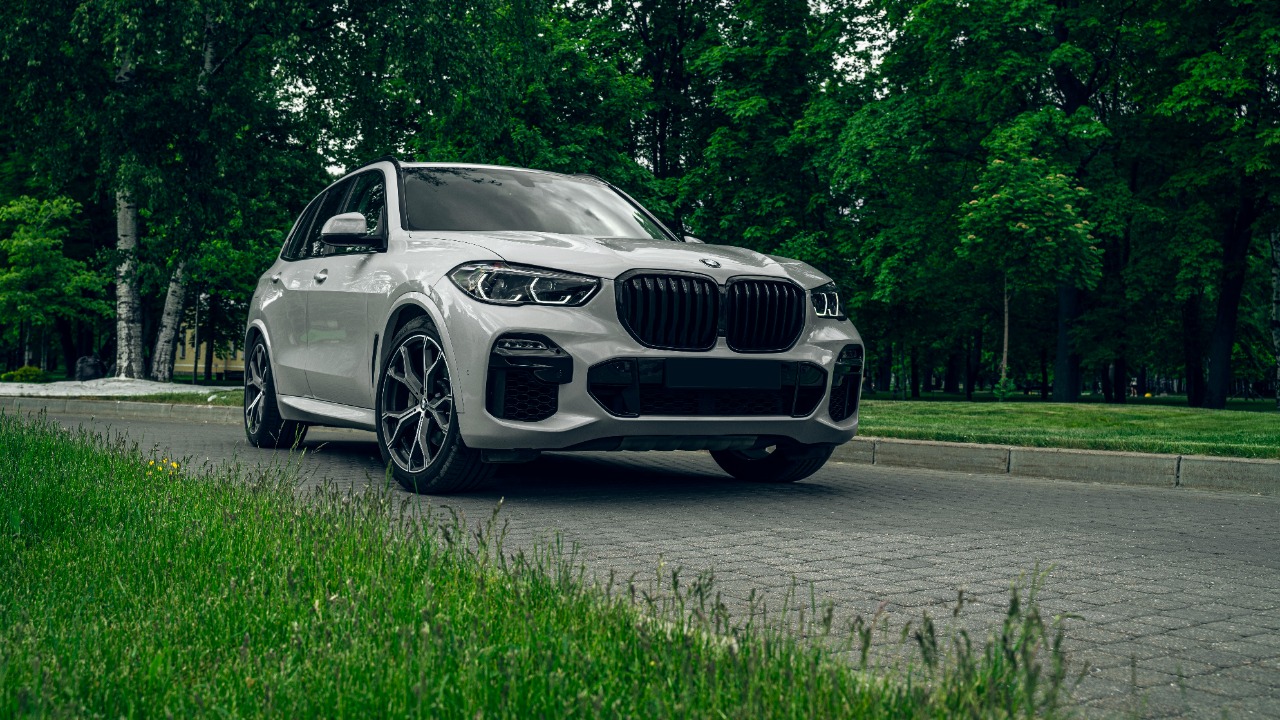
Not every high riding vehicle suits an older driver, despite the appeal of a commanding view. Some SUVs carry complex air suspensions, oversized wheels, or turbocharged engines that raise both stress and repair costs. Advisers who outline What Retirees Actually Need in an SUV argue that a retired person living on a budget needs to focus on saving money and not waste cash on features like panoramic roofs that can leak and cost $8,000 to replace.
Luxury SUVs raise similar concerns. Auto experts who urge retirees to stop buying certain models single out the BMW X5, noting that The BMW X5 offers powerful performance but saddles owners with high repair costs and complex driver aids. Lists of 5 SUVs retirees should avoid echo that warning, arguing that retirees gain little from extra horsepower or intricate off road systems that they rarely use, while they absorb every dollar of added maintenance.
Real world choices show how priorities shift
Personal stories from older drivers illustrate how these priorities play out in driveways. In one online discussion about a safe, reliable car for a 70 year old woman, a commenter who identified as 70 described buying a 2003 Toyota and praised its simplicity and dependability. That choice reflects a broader pattern in which retirees favor older, proven models with known maintenance histories over cutting edge designs that promise innovation but carry unknown long term costs.
Enthusiasts who still love to drive in retirement follow a similar logic. They may seek out engaging yet modest cars that balance comfort with a bit of fun, as highlighted in video rundowns of cars for retirees who love to drive. These drivers still value a smooth and refined experience, but they resist overpowered engines or stiff suspensions that punish daily use. Their choices show that retirees can enjoy driving while still prioritizing durability, clear sightlines, and controls that feel familiar every time they start the engine.


Leave a Reply