
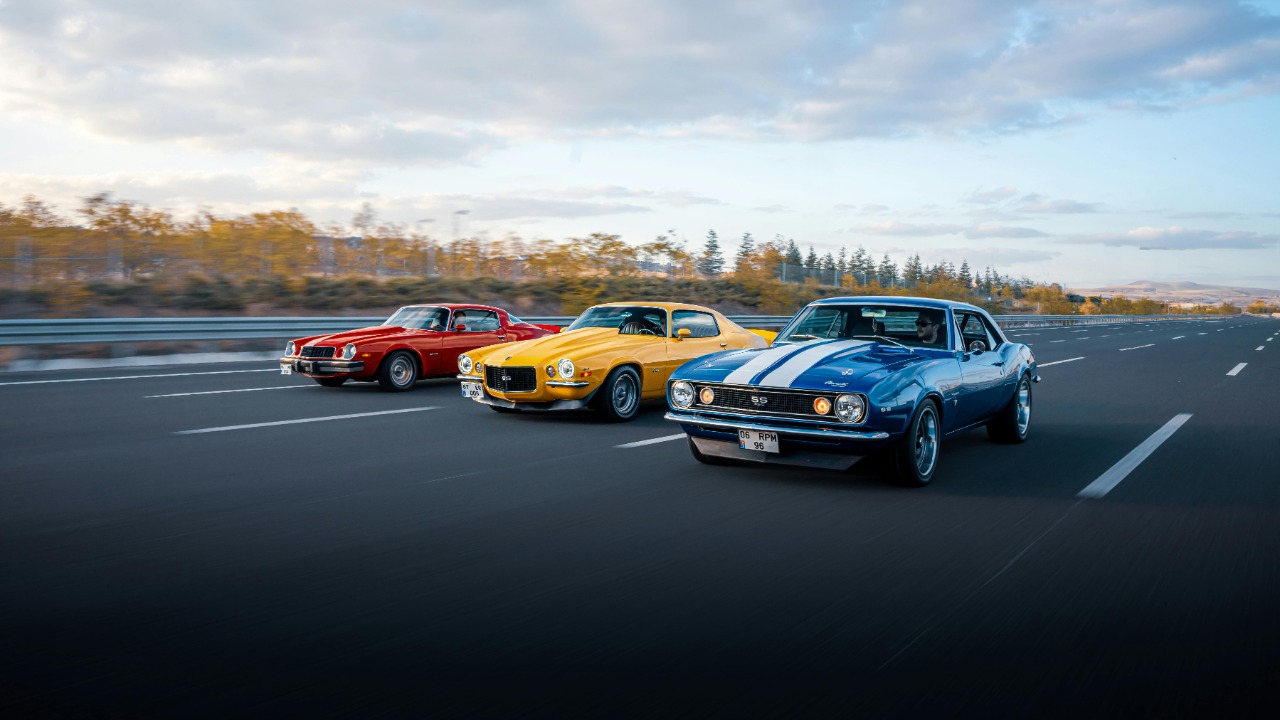
For years, muscle cars were treated like rolling retirement plans, the kind of chrome and steel you could park in the garage and watch appreciate. Lately, reality has been less kind. Values for some once-hyped models are softening, younger buyers are looking elsewhere, and a few 1970s icons are being reclassified from “future collectible” to “expensive project nobody really wants.”
In other words, some muscle machines are not aging the way their owners hoped. As I look at the data, the history, and the way new generations think about cars, it is clear that nostalgia alone is no longer enough to keep every big V8 on a pedestal.
The dream vs. the market: when “future classics” stall
On paper, the formula still sounds bulletproof: limited supply, loud engines, and childhood posters should equal rising prices forever. In practice, a growing slice of 1970s iron is struggling to keep up. Even enthusiast channels now talk bluntly about “shiny junk,” with lists of “20 worthless” machines that include cars like the 1976 Chevrolet Camaro that once seemed like guaranteed tickets into the collector club. The gap between what owners think their cars are worth and what buyers will actually pay is widening, especially for models that were built in big numbers or never had much performance to begin with.
That mismatch is showing up in broader pricing trends too. Analysts tracking auction and private-sale data note that older muscle is losing value faster than many expected, and not just because of short-term economic jitters. One recent assessment warned that even if the economy stabilizes, there is a deeper structural problem for old muscle: the next wave of buyers simply does not share the same obsession, and many are prioritizing paying for homes and driving less. When the emotional demand cools and the practical costs stay high, even once-beloved nameplates can start to look like bad bets.
How history set some cars up to disappoint
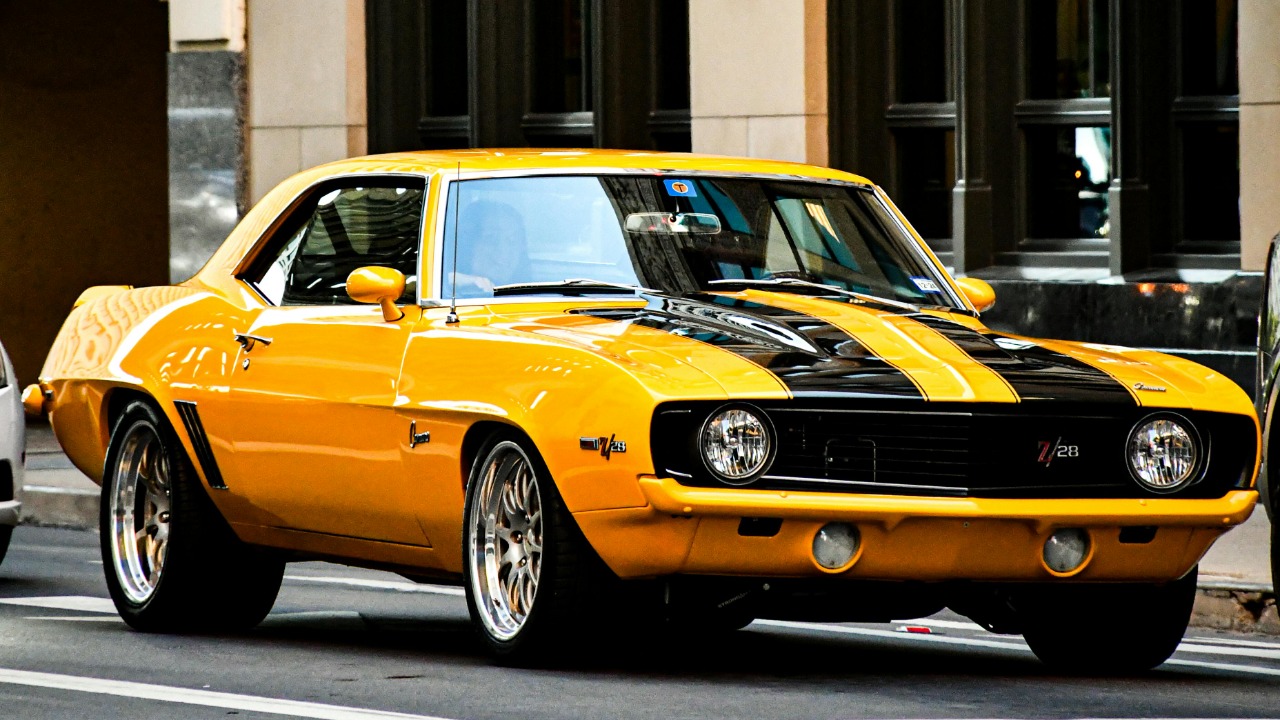
Part of the problem is baked into the cars themselves. The original muscle boom ran into a wall in the early 1970s, when fuel prices spiked and regulators clamped down on emissions and safety. That period is remembered in enthusiast shorthand as the Decline of the muscle segment, a time when the 1973 oil crisis made thirsty V8s harder to justify and insurance companies punished high horsepower. Automakers responded with detuned engines and heavier bodies, so a lot of mid‑70s “muscle” cars carried the look without the bite.
That slump fed into what enthusiasts now call the Malaise era, roughly from the early 1970s through the mid 1980s, when performance declined and engineering scrambled to meet new fuel and emissions rules. Period tests and later retrospectives show how far things fell: one rundown of the quickest cars of the early 1980s notes that, depending on who you ask, even the “fast” machines of 1983 were turning in acceleration that seems pretty quaint today. When you mix that modest performance with vague handling and dated interiors, it is easier to see why some of these cars are struggling to justify their price tags in 2025.
Generational taste: when the kids don’t want your dream car
The other big shift is cultural. The collector market that once revolved around 1960s and 1970s V8s is aging, and younger enthusiasts are not lining up in the same way. Analysts have been warning for years that an aging population and an uninterested younger generation are reshaping the hobby, noting that while lower prices might attract some new buyers, there has been a gradual shift away from the era that was dominated by muscle cars. That is now showing up in online conversations, where younger drivers often talk about feeling like they missed the golden age entirely.
On enthusiast forums, you can hear the generational divide in real time. One long thread titled around why it seems like fewer younger people are into muscle cars includes a user named SheriffofBacon, who starts a comment with the word Truth and then points out that third‑generation and fourth‑generation cars are now classics themselves, and that some modern four‑cylinder engines are quicker than old V8s. Another younger enthusiast, posting in late Sep, laments that the number of enthusiast‑focused cars has shrunk since the 1990s and that “we will never have” the same variety again. When the people who grew up with turbo hatchbacks, Japanese coupes, and modern pony cars look back, their nostalgia points to very different sheet metal than their parents’.
Practicality, safety and the daily‑driver test
Even for those who love the look, older muscle has to compete with modern expectations about safety and usability. Younger buyers, especially Gen Z, consistently rank Safety as a top priority, even more so than Boomers and Millennials, and they put a premium on Practicality as well. That is a tough brief for a 50‑year‑old coupe with no airbags, vague brakes, and a thirst for premium fuel. Insurance experts also point out that muscle cars tend to have Low fuel efficiency, which makes them harder to justify for anyone trying to keep running costs and emissions in check.
There is also the simple question of whether you would actually want to drive one every day. Restoration shops that specialize in blending old looks with new hardware talk openly about Safety Concerns, noting that many Vintage cars lack airbags, crumple zones, and anti‑lock brakes, which can make them dangerous in modern traffic. Even fans of classic trucks admit that, as much as they love the style, daily use is a different story; one builder jokes that, sure, you might be tempted to drive an old Bronco every day because, as they put it, Heck, maybe you just like the style, but the compromises are real. When you stack those realities against a modern hot hatch with airbags, Bluetooth, and a warranty, the old V8 has to work much harder to earn its keep.
Performance myths and the cold shower of numbers
Another reason some muscle cars are sagging in value is that their legend has outgrown their spec sheet. Online, younger drivers are quick to point out that plenty of big‑block cars were not actually that quick, especially once emissions rules kicked in. One commenter uses a Cadillac with an 8.2‑liter engine and a mere 200 kW or less as a shorthand for the era’s inefficiency. When a modern four‑cylinder family car can outrun what was once sold as a performance flagship, the mystique takes a hit.
That disconnect shows up in how people talk about “missing out” on the past. In one widely shared thread, a user named Blundersome writes about feeling like they missed everything and are now watching nostalgia overrun logic, and another commenter chimes in with the word Hoping as they wish people would stop paying irrational money for slow, poorly built cars. When the rose‑tinted stories collide with YouTube drag races and spec sheets, some buyers decide they would rather have a modern turbo car or an EV that actually delivers the performance the old badges only promised.
Shifting lifestyles: from coupes to crossovers
Even if the cars themselves were perfect, the world around them has changed. The market has tilted hard toward crossovers and trucks, and that shift is not just a passing fad. Analysts describe the fallen status of traditional cars as a structural change, noting that The fallen status of cars represents a broader economic and lifestyle shift rather than an ominous sign for the industry. Families that might once have stretched for a two‑door coupe now default to compact SUVs, and that habit carries over when they think about fun cars too.
Inside the enthusiast world, you can see the same pattern. Some older drivers still happily daily their muscle machines, but even they acknowledge the compromises. In one discussion about whether it is immature to drive a late‑model muscle car in middle age, a user named ProStockJohnX replies that they are 57 and have modified old and new cars, including a 67 model, and that Life is too short to worry about what others think. That kind of passion keeps the scene alive, but it also highlights how much the hobby now leans on older enthusiasts who are willing to live with two‑door impracticality while the mainstream moves on.
Design, condition and the narrow path to staying desirable
None of this means every muscle car is doomed. The ones that are aging well tend to combine genuinely strong performance with styling that still turns heads. Dealers who specialize in these cars lean heavily on that appeal, describing Classic Styling and reminding buyers that Muscle cars boast bold lines, wide stances, and distinctive grilles. Their pitch is that these shapes connect you to a bygone era while still offering modern conveniences if you choose a well‑sorted example or a tasteful restomod.
Condition and originality still matter, but they are no longer enough on their own. Used‑car guides point out that older vehicles can lose value simply by going out of fashion as they age, or because their powertrains become expensive to maintain or fall afoul of emissions rules, noting that older cars can lose value for reasons that have nothing to do with mileage. The muscle models that still command strong money tend to be the ones that were rare to begin with, have a clear performance edge, or tap into a specific cultural moment. Others, including some that were once touted as affordable projects, are now stuck in the middle: too common to be blue‑chip collectibles, too compromised to be easy daily drivers, and too expensive to restore on a whim.
Where the passion goes from here
For all the headwinds, the love for loud, simple performance has not vanished, it has just evolved. Some enthusiasts are gravitating toward restomods that keep the classic look but add modern brakes, engines, and safety gear, while others chase cheaper entry points. One guide to budget builds points out that One way to keep costs under control was always to start with less glamorous trims, and that near‑luxury brands like Oldsmobile and Mercury sometimes pulled out all the stops on performance. That kind of creative thinking may be what keeps the scene vibrant even as the easy money fades.
At the same time, younger drivers are building their own pantheon of future classics, from turbocharged imports to modern pony cars and performance SUVs. Some of them still feel like they were born too late, as one late Even comment puts it, but they are also the ones deciding what will be coveted in 30 years. As someone who grew up idolizing big‑block coupes, I can feel the tug of nostalgia as strongly as anyone, yet I also see why some of those cars are slipping down the value charts. The market is simply catching up to a truth that has always been there: not every old muscle car was great, and only the ones that still make sense to drive, live with, and dream about will keep aging gracefully.



Leave a Reply