
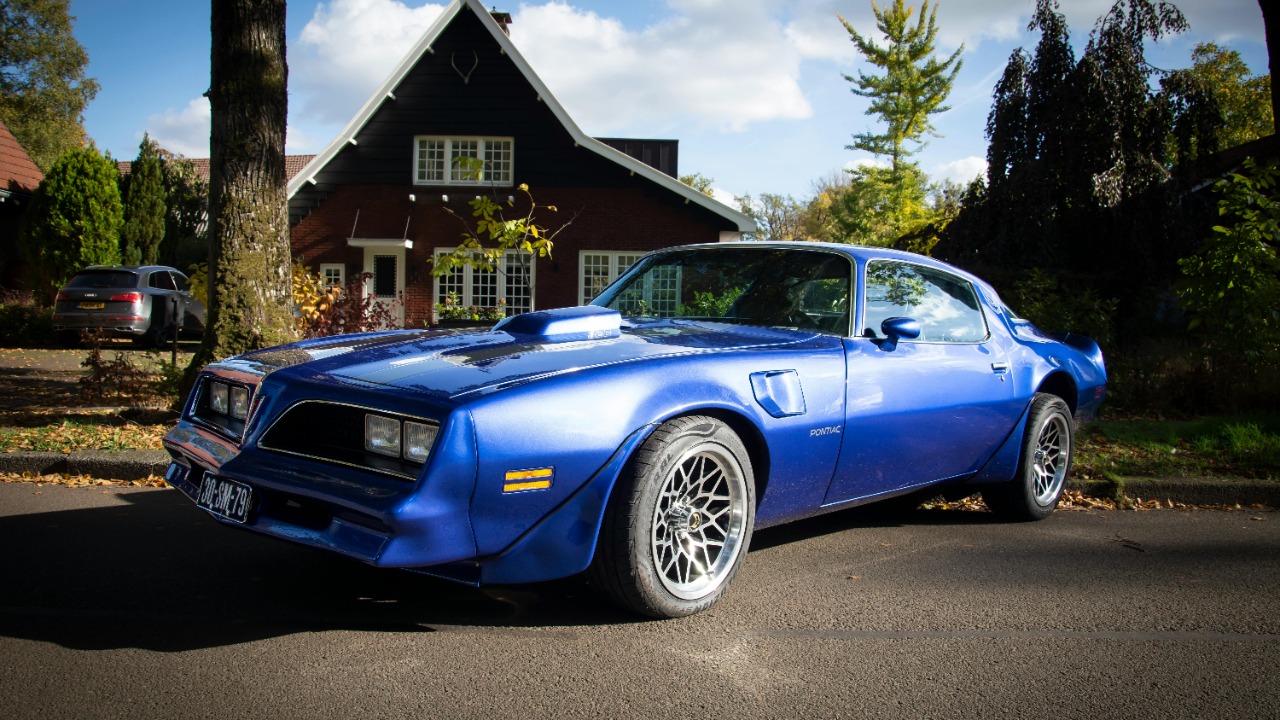
Vintage muscle cars still turn heads at every cruise night, yet some once-hyped models now struggle to attract serious money. Enthusiasts increasingly discover that nostalgia alone cannot guarantee rising values, especially as tastes, demographics, and ownership costs reshape the classic market.
Generational demand shifts away from some 1960s and 1970s icons
Collectors long treated late 1960s and early 1970s muscle as automatic blue chips, but demand now looks more selective. Market watchers point to a Decline in older buyers, with the shrinking pool of Boomers reducing competition for cars that defined their youth.
Younger enthusiasts still love performance, yet many gravitate toward 1980s and 1990s machines that match their own formative memories. Analysts tracking collectible trends note that Forbes highlights buyers in their forties and fifties chasing newer classics, which naturally diverts attention from some vintage muscle.
Performance expectations and driving experience undercut older muscle appeal
Modern performance cars deliver staggering acceleration, strong brakes, and refined suspensions that expose the compromises baked into many vintage muscle legends. Owners on enthusiast forums describe how More advanced construction, geometry, and braking systems in newer Mustangs make some classic versions feel charming but crude.
Shoppers who grew up with electronic stability control and powerful four piston calipers often hesitate before paying premiums for drum braked relics. One video on classic ownership released in Feb walks through the good and bad, stressing that these cars require compromises many daily drivers no longer accept.
Rising costs and “money pit” reputations scare off casual buyers
Ownership costs quietly erode the investment case for plenty of older muscle, especially for buyers without deep mechanical skills. A long running analysis of collector returns notes that Lots of Idling occurs in the market, with only about 3 percent of vehicles trading at marquee auctions like The Pebble Beach events.
Everyday enthusiasts on one discussion thread bluntly answer whether classic ownership counts as a money pit or investment. One commenter replies Yup, explaining that There are standout winners, but the vast majority of cars behave like depreciating assets rather than financial instruments.
Market segmentation leaves ordinary muscle behind headline auction stars
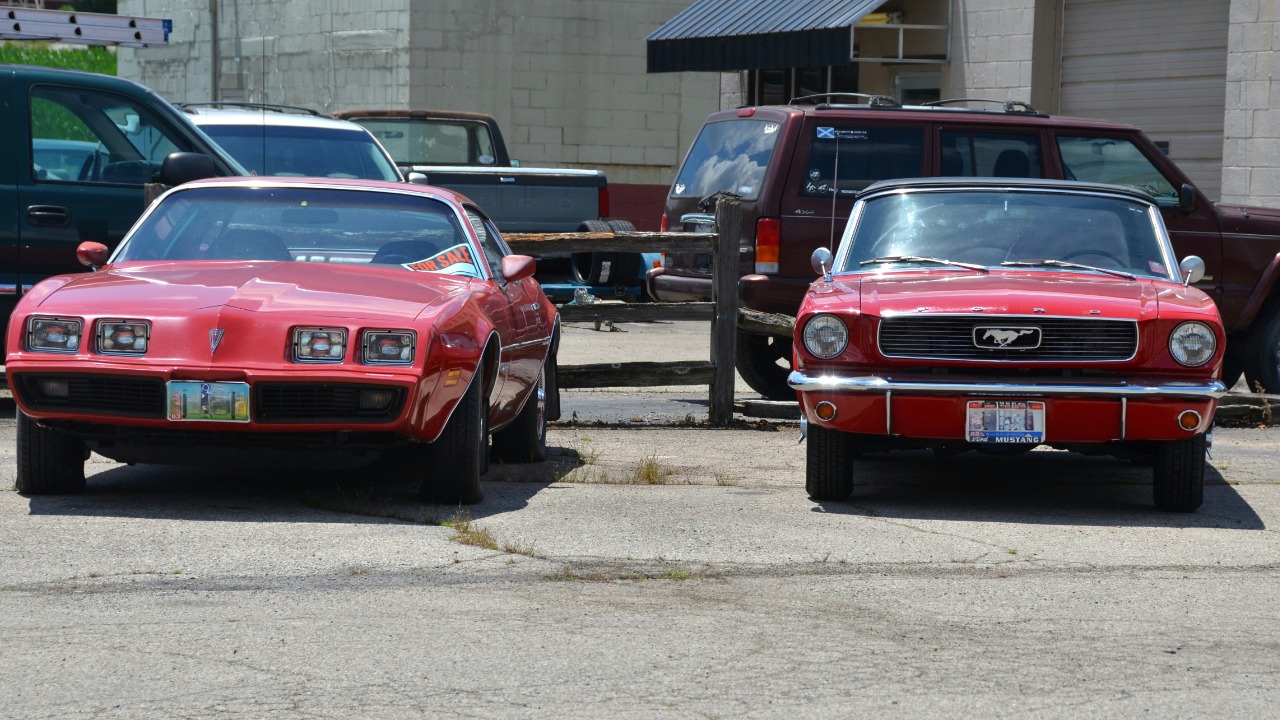
Headline sales of rare Hemi cars or big block Chevelles still grab attention, yet they represent a tiny slice. Auction specialists describe how competitive bidding concentrates on the rarest and most coveted vehicles, which naturally leaves more common muscle languishing.
Owners who bought driver grade cars at peak prices now confront a cooler market where buyers negotiate aggressively. A Reddit thread on future values notes that Most collectors never purchased their cars new, so Some see much lower returns once restoration and storage costs enter the equation.
Nostalgia still drives value, but the memories are changing
Emotional connection remains the strongest fuel for collector demand, yet each generation remembers different halo cars. Analysts of sentimental buying patterns explain that Natura nostalgia pushes buyers toward vehicles that trigger specific memories, which increasingly means later performance icons rather than carbureted muscle.
Enthusiasts debating generational shifts argue that younger drivers still care deeply about cars, just not always the same ones. One commenter insists that Newer generations remain absolutely interested, yet they often chase turbocharged imports, modern muscle, or analog 1990s coupes instead of 1960s big blocks.
Price corrections reveal which legends truly earned their status
Recent videos tracking market moves highlight how some once untouchable legends now trade for noticeably less than their peaks. A detailed breakdown released in Jun walks through five late 1960s and early 1970s icons that now look cheaper, reflecting a broader muscle car market correction.
Longtime collectors argue that this adjustment separates genuinely rare, historically important models from those inflated by short term speculation. Another commentator, speaking in Jan, notes that historical appreciation helped offset losses on some cars, but that was never guaranteed for every vehicle.
Enthusiast culture keeps classics alive even without sky high valuations
Owners increasingly frame vintage muscle as a passion project rather than a retirement plan, accepting that enjoyment may outweigh financial returns. A discussion about future values includes one user, Mar contributor maxlax02, who stresses that Newer generations still show up at events, even if they modify or daily drive different platforms.
Online communities for specific models echo that sentiment, focusing on driving, wrenching, and storytelling instead of auction spreadsheets. In one Mustang thread, user Dungeonkitten emphasizes how modern upgrades like better brakes and suspension geometry help classic cars feel safer, which keeps them relevant despite softer prices.
Why some muscle cars may never rebound to speculative highs
Several structural forces suggest that certain vintage muscle models might not revisit their frothiest valuations, even if broader markets recover. Demographic shifts, changing performance expectations, and the availability of modern alternatives all combine to limit upside for ordinary examples.
Enthusiasts on classic focused forums acknowledge that Some cars still explode in price, yet others quietly slide as tastes evolve. One commenter in a Apr discussion notes that There are standout halo models, but many mid tier muscle cars now behave like used appliances.
Enthusiasts recalibrate expectations as the hobby matures
Seasoned owners increasingly treat classic muscle as a lifestyle expense, not a guaranteed hedge against inflation or market volatility. A video creator in Feb candidly lists the problems that accompany the fun, from breakdowns to parts hunting, underscoring why casual investors sometimes walk away.
Forum voices echo that realism, with one Sep commenter explaining that Most collectors never bought their cars new, so Some see modest or negative returns after decades of upkeep.
Investment grade outliers still thrive in a more cautious market
Despite softer demand for ordinary muscle, truly rare and historically significant cars continue attracting aggressive bidding and global attention. Auction specialists describe how more collectors and investors chase these scarce vehicles, which drives up their prices through intense competition.
Market analysts caution that such headline results can mislead casual observers about the broader health of vintage muscle values. A video on pricing shifts released in Mar stresses that the Decline in Boomers remains the number one cause of softening demand, especially outside the rarest tiers.



Leave a Reply