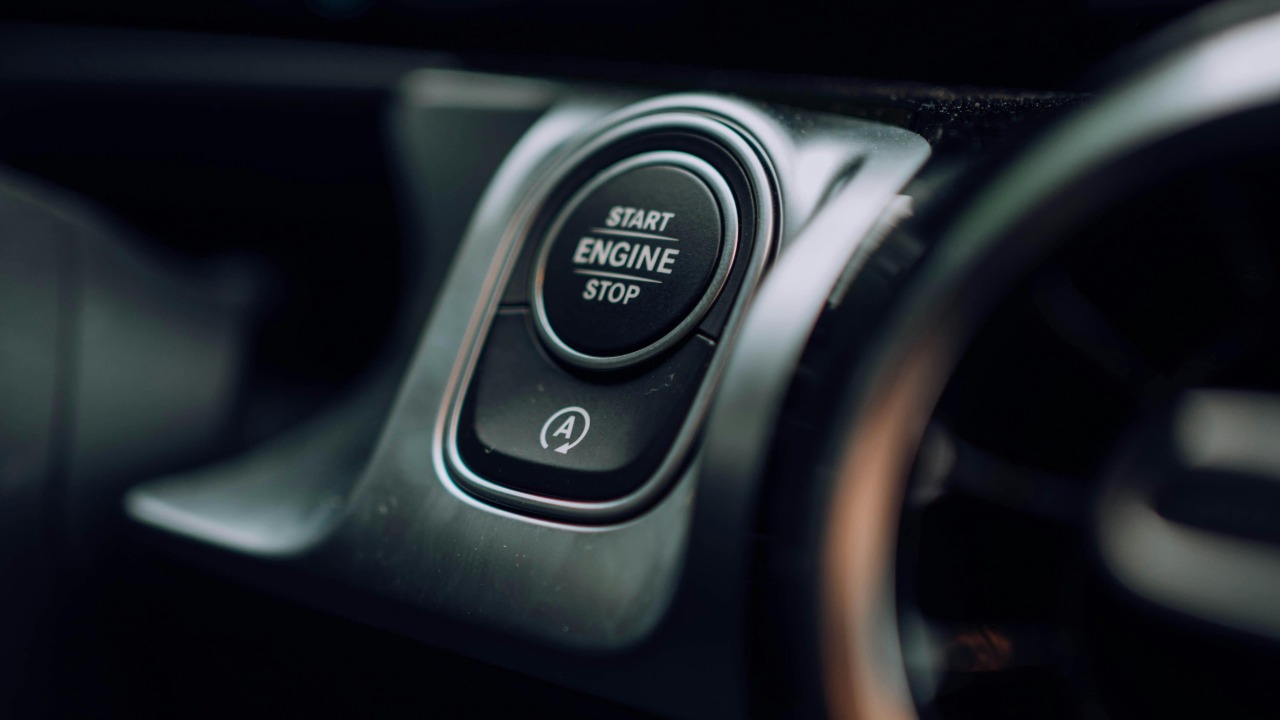
Automatic engine stop start was sold to you as a painless way to trim emissions and fuel bills, a clever bit of software that would quietly shut the engine at red lights and fire it back up when you lifted off the brake. Instead, it became one of the most complained‑about “features” in modern cars, a system drivers habitually disable and technicians privately curse. As automakers and regulators now move to phase it out, the loudest applause is coming from the service bays.
For working techs, the retreat from start stop is not about nostalgia for simpler cars. It is about fewer nuisance faults, less guesswork with complex electronics, and a return to reliability that matches what customers think they bought. You may miss a claimed mile per gallon on a window sticker, but the people who keep your car alive see a different tradeoff: fewer fragile parts between you and a straightforward, predictable engine.
From eco badge to regulatory dead end
When start stop first appeared, it was marketed as a smart shortcut to cleaner driving, a way to cut tailpipe emissions in city traffic without asking you to change habits. Automakers leaned on Automatic engine stop start to chase marginal gains in fuel economy and to collect valuable carbon credits, treating the software as a low‑cost compliance tool rather than a transformative technology. As reporting on Why makes clear, the feature was framed as a near‑invisible upgrade, even though the real‑world benefit often amounted to small savings that were hard for you to notice.
That regulatory logic is now collapsing. The Environmental Protection Agency, under The Trump Admin, has started to unwind the incentives that made start stop attractive in the first place, with the Environmental Protection Agency reassessing whether the technology deserves extra credit in federal efficiency rules. In coverage Published May, By David Kiley details how suppliers such as Denso, Hitachi and SEG Automotive built businesses around the hardware, only to see the policy winds shift as regulators questioned whether the systems had really been worth the complexity.
Drivers never really bought in
While regulators counted grams of Carbon and automakers chased Fuel credits, you were stuck with the daily reality of a car that hesitated when you needed it most. On enthusiast forums, owners describe the same pattern: the implementation feels clumsy, the engine cuts out just as you want to creep forward, and the restart can leave you “stopped for a second when you need to go quickly.” That frustration is captured in a Sep thread where owners list jerky restarts, lag at intersections and the sense that the car is working against them rather than with them.
That disconnect shows up in more than anecdotes. A Poll cited in coverage of the EPA’s rethink found that Start stop technology routinely ranked among the most disliked modern features, with drivers saying it added stress in city driving instead of reducing it. When the EPA signaled it would phase the tech out of new Vehicles and stop awarding extra Fuel economy and Carbon credits for it, officials explicitly referenced the public’s annoyance with the system and its limited impact on Pollution, a shift detailed in reporting on the EPA decision.
Why technicians see a reliability tax
For the people who have to diagnose your car when the dashboard lights up, start stop has always looked less like a free lunch and more like a reliability tax. Early versions of the hardware were not fully engineered for the constant cycling, and Early accounts from working mechanics describe how They saw premature starter failures and unexpected wear because the systems were not designed with every real‑world factor in mind. That experience is laid out in a detailed Oct discussion where techs trade notes on how the added cycling exposed weaknesses in components that were never meant to work that hard.
Even when the hardware holds up, the system adds layers of complexity that can fail in ways you feel but cannot see. A Nissan owner who sees a Stop Start System Fault on the dash may be dealing with something as simple as Weak or low battery power, or as obscure as a Faulty brake or clutch sensor that is not feeding the right data to the control module. Dealer guidance on What Does the warning explain that a misbehaving sensor or alternator output that is not quite within spec can shut the feature down entirely, leaving you with a cryptic message and your technician with a time‑consuming diagnostic puzzle.
The hidden wear you never see on the invoice
Even when your car never throws a fault code, the constant stop start cycle changes how key parts live and die. The Auto Stop Start feature can impact various engine components, from motor mounts that endure more frequent torque reversals to the starter gear and ring gear that engage far more often than in a conventional setup. Dealer‑side explanations of The Auto Stop system note that even the exhaust system may be affected by the repeated heat cycling, a kind of slow‑motion stress that rarely shows up until the car is out of warranty.
Specialists who see these cars at higher mileage echo that concern. Aerospace Engineering Consultant Steven Iden, introduced in a Quora discussion as an Author and long‑time engineer, answers a question about whether start stop strains ignition parts with a blunt “Absolutely,” arguing that Starters are designed for transient service, not the relentless on off duty cycle that modern systems demand. His comments on Steven Iden also highlight the extra load on the engine oil system during repeated restarts, a subtle effect that can shorten component life even if you never see a specific “start stop” line item on a repair bill.
Battery headaches and “feature not available” mysteries
Ask any service advisor what fills their schedule on a cold Monday and you will hear the same story: weak batteries and confused owners. One of the most frequent causes of a non‑functioning start stop system is an insufficiently charged or weak 12‑volt battery, because the control unit will simply refuse to shut the engine off if it thinks there is not enough reserve to restart. Toyota dealers spell this out bluntly, noting that One of the most common reasons the feature will not engage is a tired battery and that Since the system relies on precise voltage thresholds, even a battery that still cranks the engine can be too depleted for start stop to activate, as explained in guidance from One of the brand’s retailers.
European brands layer on even more interdependencies. Since the Start Stop system is linked to multiple car functions, from climate control to steering assistance, a fault in any of those subsystems can quietly disable the feature and leave you wondering why the engine no longer shuts off at lights. Volvo service bulletins warn that Ignoring these warning signs can lead to bigger mechanical problems over time, because the same voltage or sensor issues that trip the start stop logic may also be stressing other modules, a point underscored in advice from Since the Start specialists.
More from Fast Lane Only