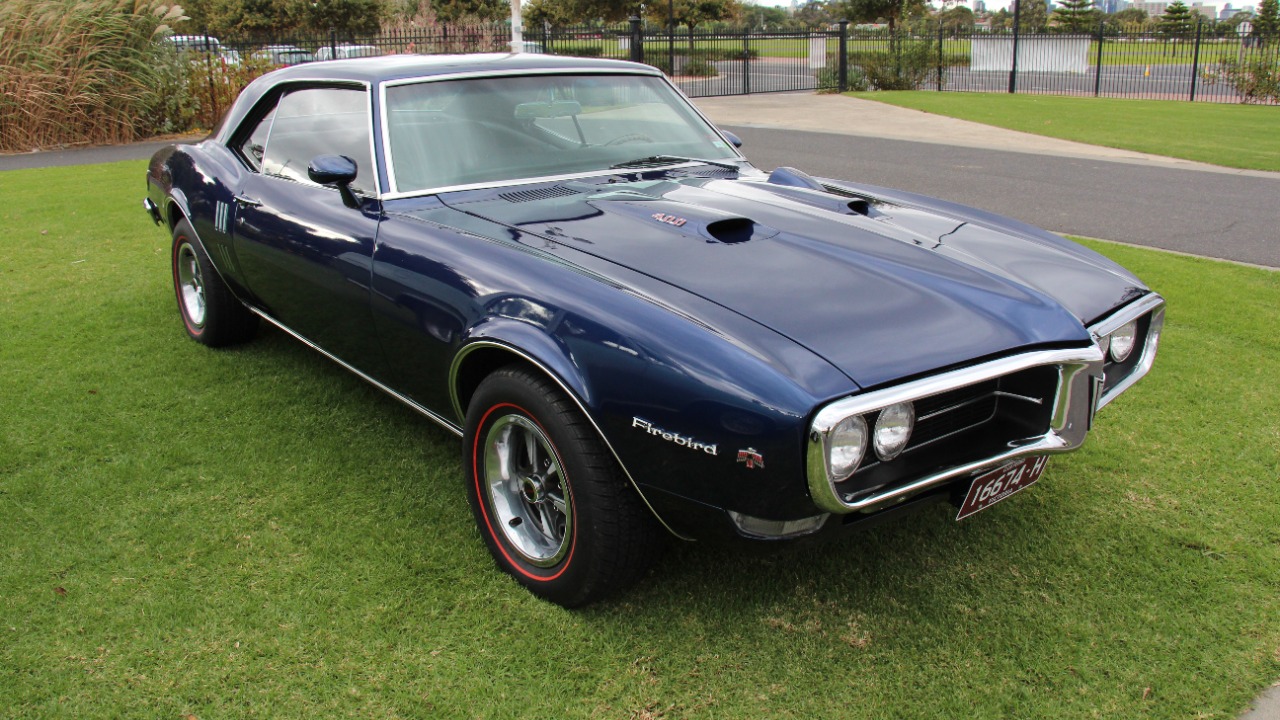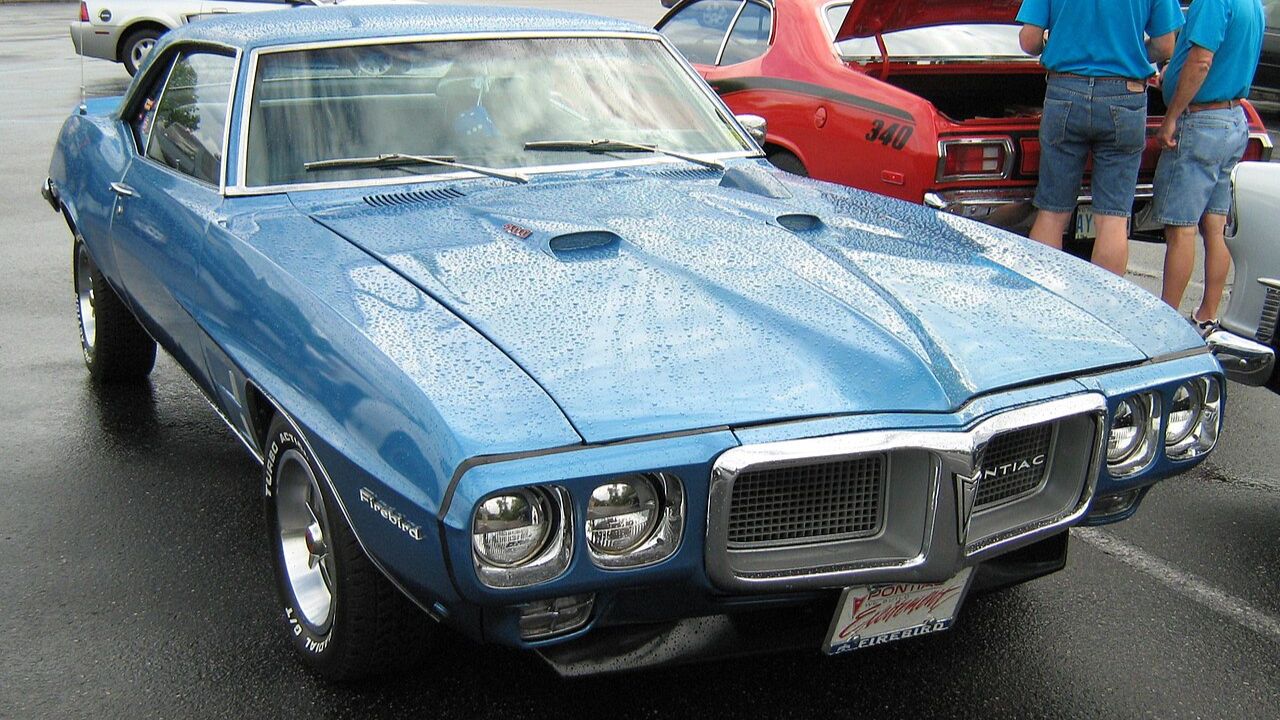
The 1969 Firebird 400 is no longer just a stylish footnote to the Camaro story, it is becoming one of the most closely watched American muscle cars in the collector market. As more buyers look for distinctive design, authentic provenance, and usable performance, this final-year first‑generation Firebird is emerging as a sweet spot between rarity and accessibility.
I see three forces driving that shift: the car’s unique styling and engineering within the F‑body family, a growing appreciation for documented 400 cars with strong histories, and a surge of attention around ultra-rare variants that pulls the entire model line upward. Together, they are turning the 1969 Firebird 400 from a sleeper into a serious target for enthusiasts and investors.
First‑generation finale with its own design language
The 1969 Firebird arrived as the last year of the first generation, and that timing matters for collectors. It closed out the original run of Firebirds from 1967 to 1969, and it did so with a more aggressive look that set it apart from its siblings. The car kept the familiar F‑body proportions but sharpened them, which gives today’s buyers a visual cue that they are looking at the most developed version of the early Firebird.
Styling updates are a big part of the appeal. The 1969 model year brought a more pointed front end, a split grille, and quad headlamps that gave the car a bolder face than earlier versions, a change highlighted in both enthusiast write‑ups and period retrospectives on the 1969 Firebird. Social media tributes echo that point, describing the 1969 Pontiac Firebird as a classic American muscle car with “bold updates” that helped define its stance, a view reinforced by coverage that calls the 1969 Pontiac Firebird 400 a standout for collectors and muscle fans in the final year of the first‑generation design 400.
Why the 400 package hits today’s collector sweet spot
Under the skin, the 400 specification is what turns a handsome pony car into a serious collectible. The 1969 Pontiac Firebird 400 combined that sharpened body with big‑block power, and current valuation tools stress how much configuration and history affect what a given car is worth. Guidance for buyers of the 1969 Pontiac Firebird 400 notes that condition, mileage, options, and accident histories or title problems can swing values widely, a point laid out in the Common Questions section for this model.
That nuance is now showing up in real‑world listings. A detailed feature on a PHS‑documented, low‑mileage 400 coupe describes how even a strong example can sit if the right buyer has not yet appeared, with the seller weighing whether the asking figure is a missed opportunity or a patient play for a more informed audience 400. That tension between documented quality and market hesitation is typical of a car that is still climbing in recognition, and it often signals that values have room to grow as more collectors learn what to look for.
Originality, documentation and the “semi‑survivor” effect
One of the clearest signs of rising interest is the attention paid to semi‑survivor cars. A recent profile of a Rare 1969 Pontiac Firebird 400 Semi‑Survivor Carries Factory Surprises, No One Wants It highlights a car whose originality runs so deep that even its spare wheel is described as original, yet it still needs the right buyer to appreciate that level of preservation Rare. The piece underscores how a blend of originality and subtle factory quirks can be a selling point, but only if collectors are educated enough to recognize the value.
That is where documentation comes in. References to PHS paperwork in coverage of these cars show how important factory records have become for serious buyers of the Pontiac Firebird 400. When a car can be tied back to its original configuration, with options and drivetrain verified, it moves from being just another old muscle car to a traceable artifact. As more semi‑survivor examples surface and are discussed in detail, they create a benchmark for what “correct” looks like, which in turn supports higher prices for similarly documented cars that come to market later.
Community buzz and social‑media visibility
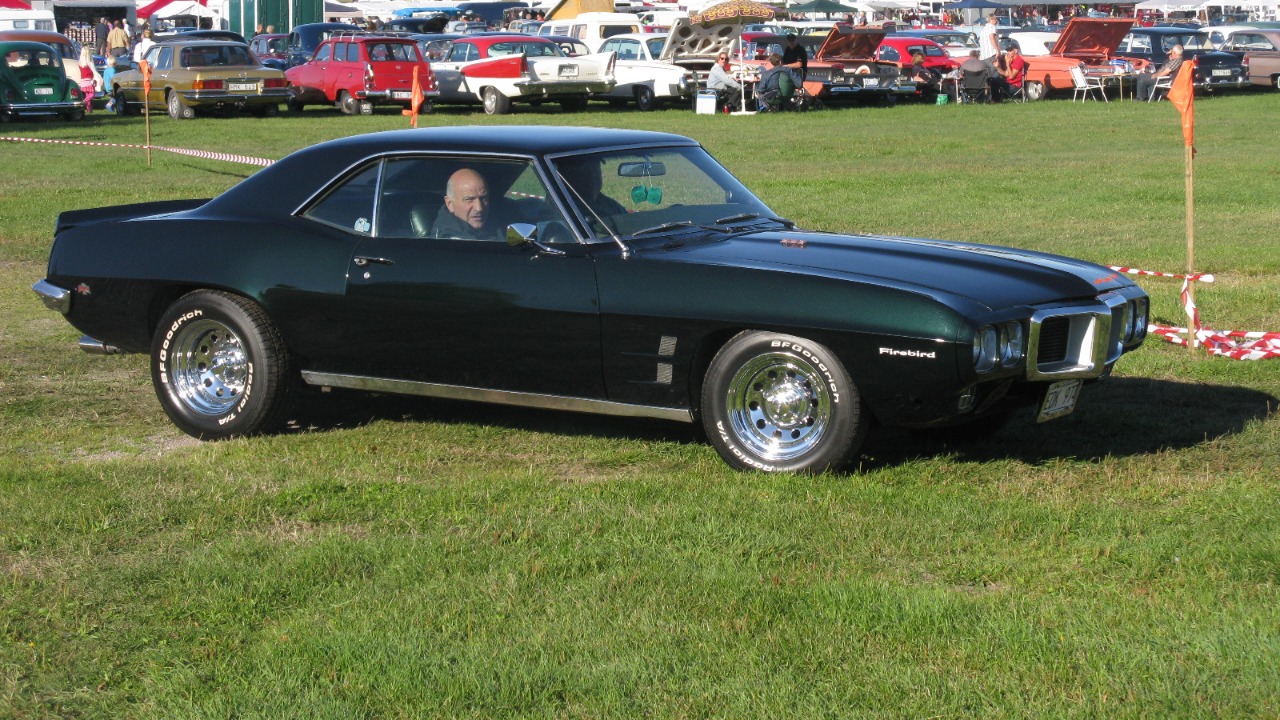
Collector momentum is not built only in auction tents and valuation charts, it is also shaped in online communities where enthusiasts trade photos, stories, and build details. Posts celebrating the 1969 Pontiac Firebird as one of the most iconic muscle cars of its era, blending aggressive styling with serious performance, have been widely shared in enthusiast groups that focus on the Pontiac Firebird. That kind of language reinforces the idea that the 1969 model is not just another year, but a benchmark.
Other posts drill down into specifics, describing the 1969 model year as featuring a slight facelift from previous years, with a more pointed front end, a split grille, and a design that balances style and power in a way that still resonates with modern drivers Jun. Tributes to the 1969 Pontiac Firebird American muscle car also emphasize that facelift and celebrate specific builds, including Firebird 400 examples, as vintage rides that embody “PontiacLove” and “CarTribute” culture May 19, 2025. When a model becomes a recurring star in these conversations, it gains soft power that often precedes harder price data.
Platform heritage and special‑order stories
Another factor lifting the 1969 Firebird 400 is a growing appreciation for how it fits into the broader F‑body story. Coverage of a special‑order heirloom 1969 Pontiac Firebird describes how it was Built on the same F‑body platform as the Camaro, yet developed its own design language and Pontiac‑made firepower, supported by a very extensive options list that allowed buyers to tailor their cars in period Built. That narrative helps modern collectors see the Firebird not as a clone, but as a parallel interpretation of the pony‑car formula with its own character.
Special‑order and time‑capsule stories also highlight how personal these cars were when new. When a single‑family Firebird is preserved with its original specification intact, it shows how buyers in 1969 used the options sheet to create everything from understated cruisers to high‑impact 400 cars. Those stories give today’s shoppers a template for what a “correct” car looks like and why certain combinations of color, trim, and drivetrain can command a premium over more common builds that share the same basic body shell.
Halo effect from ultra‑rare Trans Am variants
Even though the headline interest here is the Firebird 400, the rarest Trans Am derivatives are helping to pull attention toward the entire 1969 lineup. Reporting on the Rarest 1969 Pontiac Firebird Trans Am model describes a Rare Bird, Meet The Firebird Trans Am Convertible During the 1969 model year, when only a small number of Trans Ams were built and just eight were convertibles, a level of scarcity that borders on mythical for muscle‑car fans Rare Bird. When such cars make headlines, they remind buyers how limited the top of the Firebird hierarchy really is.
That halo effect extends to more attainable trims. Community posts about the 1969 Pontiac Firebird Trans Am frame it as a cornerstone of American performance and link it directly to broader “FirebirdFever” and “TransAmHeritage,” which in turn keeps interest high in non‑Trans Am 400 cars that share the same basic architecture and era American. When the rarest variants become almost unobtainable, many collectors pivot to the next best thing, and for 1969 that often means a well‑documented, correctly optioned Firebird 400.
From underdog to rising blue‑chip
For years, the 1969 Firebird 400 lived in the shadow of more famous nameplates, but the reporting and community chatter now point in a different direction. Enthusiast histories of the Firebird note that the 1969 Firebird saw significant changes that sharpened its styling and performance identity, and that those changes helped define the car’s place in muscle‑car culture Firebird. At the same time, valuation tools and semi‑survivor case studies show a market that is still discovering how to price originality, documentation, and rare options on these cars.
When I look across the data points, from PHS‑documented 400 coupes that test the upper end of private‑sale expectations to social‑media posts that celebrate the 1969 Pontiac Firebird as a “1969Legend,” the pattern is clear. The final‑year first‑generation Firebird 400 offers distinctive styling, serious performance, and a growing ecosystem of stories and records that help buyers separate the merely shiny from the truly significant. That combination is exactly what tends to turn an underappreciated muscle car into a rising blue‑chip, and the 1969 Firebird 400 now appears to be on that trajectory.