
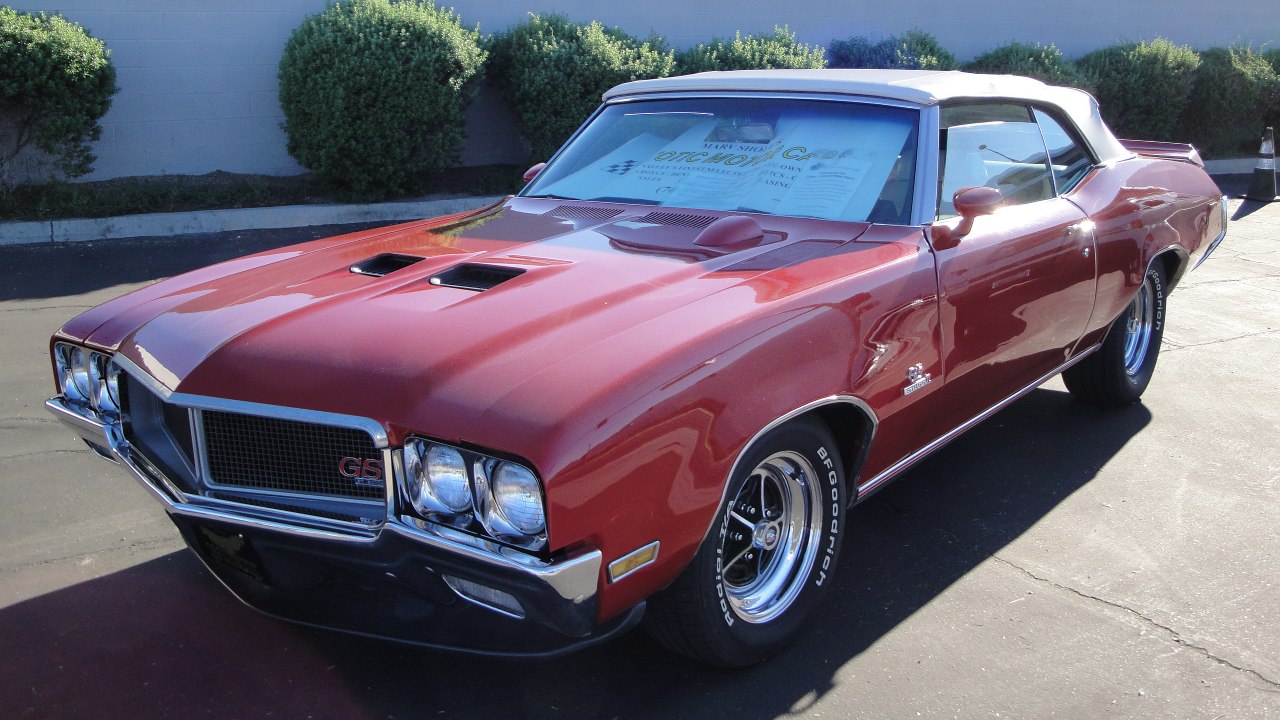
The 1970 Buick GS Stage 1 arrived in showrooms with polite paperwork and impolite performance. On paper it was a mid-size Buick with a big 455 V8 and a modest bump in rated output, but on the street and at the strip it behaved like a factory ringer that had slipped past the corporate censors. The gap between the brochure numbers and the quarter-mile reality is exactly where the Stage 1 legend was born.
To understand why this car was so much quicker than its official rating suggested, I have to look past the badge and into the engineering, the way Buick framed its horsepower figures, and how contemporary testing exposed the truth. The result is a portrait of a muscle car that was deliberately understated, mechanically optimized, and quietly capable of embarrassing more famous rivals.
The quiet strategy behind Buick’s underrated big block
Buick’s move into the 455 era was framed as a smooth evolution rather than a revolution, which helped explain why the GS Stage 1’s spec sheet looked so restrained. The company introduced the GS 455 as a replacement for its earlier performance packages, positioning it as a torque-rich upgrade that still fit Buick’s upscale image. Officially, the Stage 1 package was described as a mild escalation of that formula, with the factory stating an increase of just 10 HP over the standard GS 455, a figure that sounded almost incidental for such a large displacement engine and kept the car from drawing too much internal scrutiny from General Motors.
Under the surface, that modest bump did not match the hardware. Period coverage notes that the Stage 1 option, while “Conservatively rated at 10 horses more than the standard 455,” actually brought a hotter hydraulic cam, revised calibration, and other detail changes that went far beyond a token tweak to the base engine. Later analysis of the GS 455 family has emphasized how Buick’s 455 was already tuned for massive torque, and that the Stage 1 specification effectively “Turned The Heat Up To Eleven” by sharpening the performance envelope without rewriting the marketing story. That disconnect between the official 10 HP claim and the depth of the mechanical changes is the first clue that the car’s true capability was being intentionally muted on paper.
Inside the Stage 1: camshaft, heads and hidden airflow
The core of the Stage 1’s deception lay in its internal parts, which were far more aggressive than the brochure language implied. Contemporary testing material points out that the “350-horsepower cam- shaft readings are identical to 455 V8- powered LeSabre and Wildcat Buicks,” a detail that initially suggests the GS Stage 1 shared cam specs with more sedate full-size models. Yet the same reporting and later technical breakdowns make clear that the Stage 1 package layered in a hotter hydraulic cam profile and carefully matched valve timing that took full advantage of the big block’s breathing potential. In practice, that meant the engine behaved like a much more serious performance mill than its nominal rating indicated, especially at higher rpm where the cam profile could fully assert itself.
Airflow and compression quietly pushed the package even further. The Stage 1 used standard GS455 cylinder head castings, but they were paired with specific valves, springs, and calibration that unlocked more flow without advertising a unique casting number. Sources describing the option emphasize that this top factory package added that hotter cam and supporting hardware while still being “Conservatively” rated relative to the base 455, a choice that kept the official numbers in line with corporate expectations. When combined with the big engine’s inherent torque advantage over rivals from Pontiac and Oldsmobile that also adopted 455ci V8s in 1970, the Stage 1’s hidden airflow and compression strategy translated directly into stronger acceleration than its spec sheet would ever admit.
Factory ratings vs track reality
The clearest evidence that Buick was sandbagging the Stage 1 comes from how the car performed when independent testers and racers stopped reading the brochure and started running the quarter mile. Auction documentation and period commentary note that “The factory stated an increase of just 10 HP, but contemporary drag testing caused the motoring press to scoff at that,” because the elapsed times and trap speeds simply did not line up with such a small bump. In real-world conditions, the GS Stage 1 consistently ran with, and often ahead of, cars that carried much higher advertised horsepower ratings, which suggested that the official figure was more about politics than physics.
Later reporting has been even more blunt, stating that “The Buick GS 455 Stage 1 Made Far More Power Than Claimed,” and that many enthusiasts and engineers believe the car was under-rated by design. One account notes that “Yet many believe that the Stage 1 was under-rated by design. Rumour has it that Buick development engineers recall that the car was making power well beyond its official rating, in some cases beyond it by a wide margin.” When I line up those recollections with the drag strip data and the way contemporary testers reacted, the pattern is consistent: the Stage 1 behaved like a high-output muscle car that had been deliberately labeled as something more modest to keep it within corporate and insurance boundaries.
How Buick’s tuning philosophy translated into real-world speed
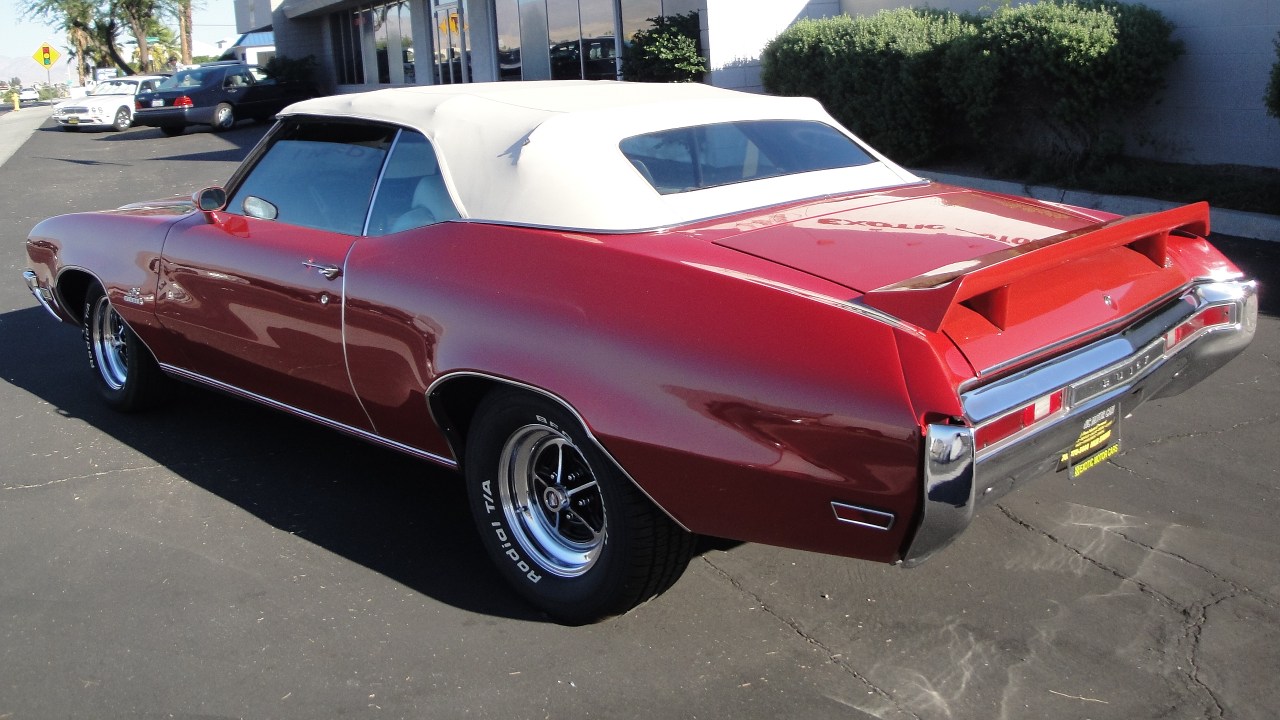
Buick’s broader approach to performance engines in this period helps explain why the Stage 1 felt so ferocious despite its restrained numbers. Earlier testing of the GS 455 family described how “Our testing was conducted in the hot Arizona desert, near Mesa. Despite the 100-degree temperature, the near-4000-pound” Buick still delivered strong acceleration, a testament to the way the big block’s torque curve was tuned for real-world conditions rather than dyno heroics. That same philosophy carried into the Stage 1, where the combination of displacement, cam timing, and careful carburetion produced a car that launched hard and pulled strongly through the midrange, exactly where street and strip drivers spent most of their time.
Enthusiast discussions of Buick’s big blocks reinforce this picture. One long-running debate over whether a Buick could really outrun a Hemi notes that the engine “was [and still is] one hell of a motor, and it ‘could be made to’ run on the street by capitalizing on it’s ‘overkil’” when matched with the right car and gearing. The Stage 1 embodied that idea from the factory, pairing its optimized 455 with a chassis and driveline that could actually use the torque. When I compare that to commentary from owners and contributors, including a “Stage 2 iron” discussion where a “Gold Level Contributor” lays out how different Buick ratings stack up, the throughline is clear: Buick’s numbers were conservative, but the underlying hardware was engineered to deliver far more than the spec sheet suggested once the car was in motion.
The GSX Stage 1 and the myth-making that followed
The GS Stage 1’s understated rating became even more obvious when the same basic powertrain was dropped into the wilder GSX package, which wrapped the mechanicals in high-visibility stripes and spoilers. Coverage of the GSX Stage 1 notes under the heading “Performance In the Flesh Although” that performance numbers only matter if they can be reproduced on the pavement, and in this case the car had no trouble backing up its reputation. With the Stage 1 engine under the hood, the GSX delivered acceleration that matched or exceeded better-publicized rivals, reinforcing the sense that Buick’s official horsepower figure was a polite fiction.
Modern retrospectives have leaned into that contrast, describing how the 455 Stage 1 “Turned The Heat Up To Eleven” compared with the already strong GS 455 and how “The Buick GS 455 Stage 1 Made Far More Power Than Claimed” in real-world use. Video features that revisit the “1970 Buick 455 Stage 1” and list “20 Weird Facts You Didn’t Know” about the car underscore the same point, highlighting how a model many people once dismissed as “just another muscle car” was in fact hiding serious performance behind a conservative rating. When I connect those modern narratives with the period test data and the internal engineering choices, the Stage 1’s myth looks less like exaggeration and more like a delayed recognition of what the car was doing all along.
Why the GS Stage 1 still matters in the muscle car hierarchy
Looking back, the 1970 Buick GS Stage 1 stands out not only for how quick it was, but for how deliberately its speed was disguised. The combination of a “Conservatively” rated 455, a hotter hydraulic cam, and carefully massaged heads created an engine that outperformed its own paperwork, while the official story clung to a 10 HP bump that contemporary drag testing quickly exposed as unrealistic. Later accounts that the Stage 1 “Made Far More Power Than Claimed” and that “Rumour” from Buick engineers supports a significant underrating only reinforce the idea that this was a car designed to slip under the radar while still dominating at the strip.
In a muscle car era crowded with loud claims and big numbers, Buick chose a different path, letting the GS Stage 1’s performance speak for itself rather than its brochure. That strategy has aged well. Today, when enthusiasts compare torque figures and quarter-mile times, the Stage 1’s blend of understated ratings, sophisticated tuning, and real-world speed gives it a unique place in the hierarchy, a reminder that some of the quickest cars of the period were the ones that tried hardest to look respectable on paper.

Leave a Reply