

The 1972 Opel GT has often been dubbed Germany’s Mini Corvette for its striking similarities to the iconic American sports car. This unique sports coupe boasts a distinctive design, advanced engineering, and a legacy that continues to capture the hearts of car enthusiasts worldwide. Let’s explore what makes the 1972 Opel GT stand out as a classic icon.
Striking Design Resemblance
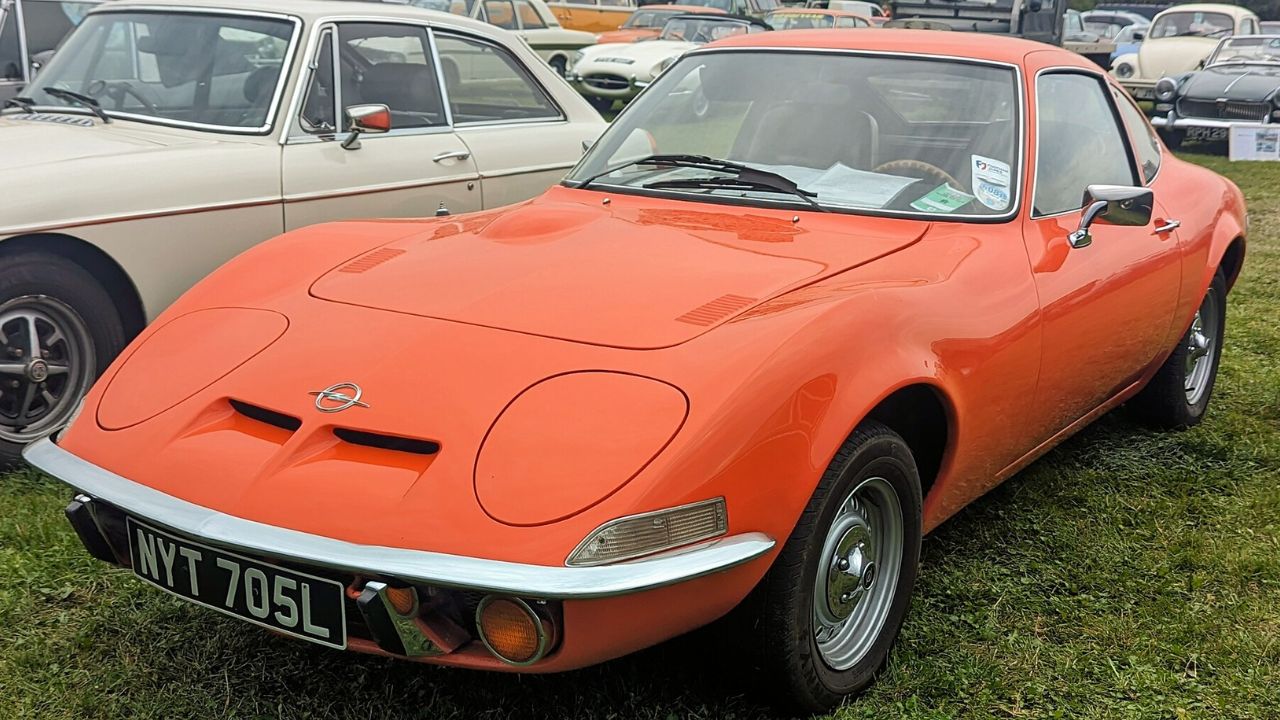
The Opel GT’s design shares a remarkable resemblance to the Chevrolet Corvette, which is why it earned its nickname. With its long, swooping lines, low-slung body, and pop-up headlights, the GT mirrors the aesthetic cues of its American counterpart. The design wasn’t just coincidental; it was part of a concerted effort by Opel to capture the spirit of the Corvette, wrapped in a more compact package. The pop-up headlights are a particularly iconic feature, adding to its visual appeal.
Despite being a European car, the Opel GT embraced the bold styling often seen in American sports cars, making it a standout on both sides of the Atlantic. Its unique silhouette made it instantly recognizable, solidifying its status as a classic icon.
Compact Sports Car Appeal
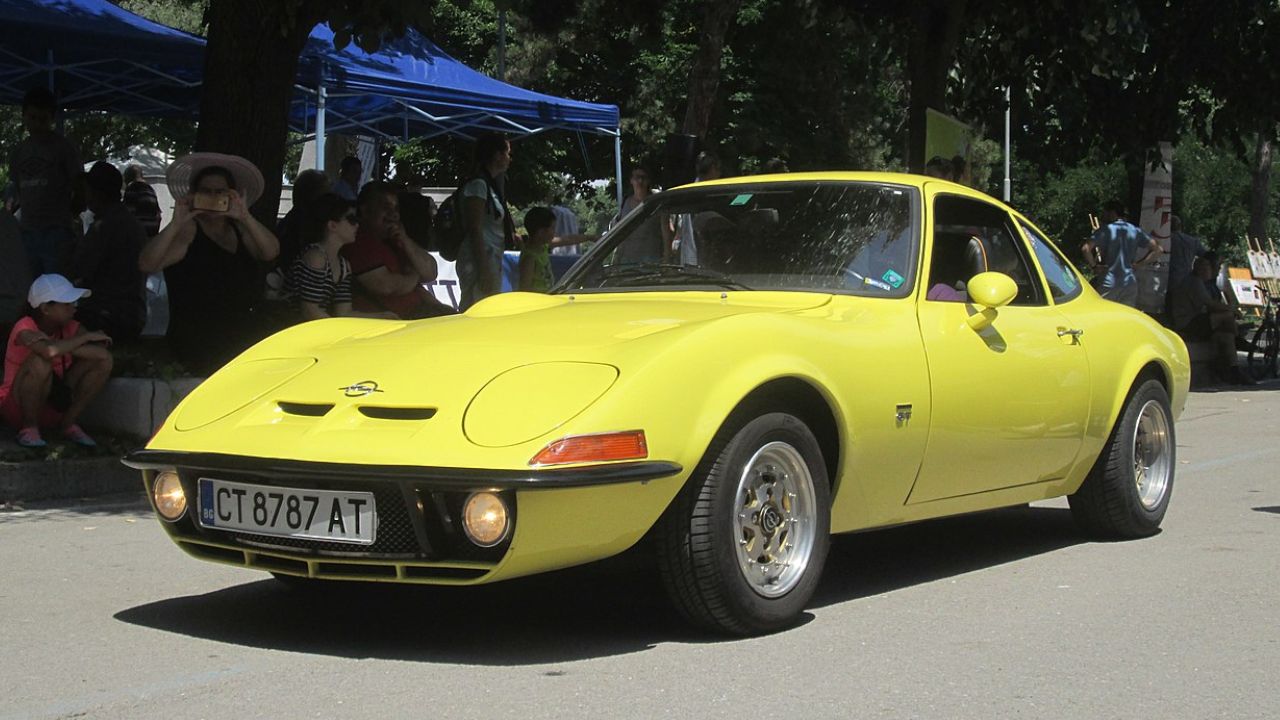
One of the reasons the Opel GT was likened to a mini Corvette was its compact size, making it an attractive option for those seeking the thrill of a sports car without the bulk. Its dimensions allowed for agile handling and a more intimate driving experience. This compactness did not come at the expense of style or performance, which was a significant achievement for Opel.
Drivers appreciated the GT for its ability to deliver the sports car experience in a smaller, more manageable form. Its appeal lay in its ability to combine the thrill of driving with practicality, making it a popular choice for enthusiasts of all ages.
Aerodynamic Styling
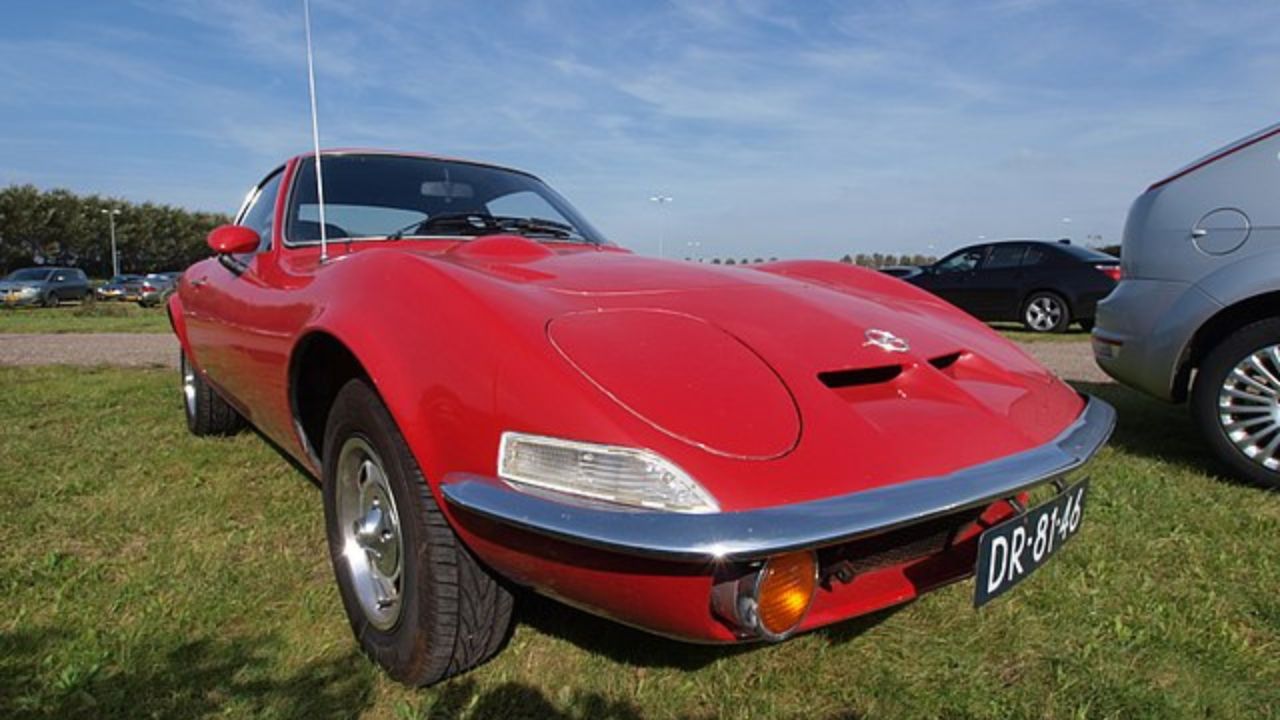
The Opel GT’s aerodynamic design was ahead of its time, contributing to its performance and efficiency. With a body shape that minimized drag, the GT was able to achieve impressive speed and fuel economy for its era. This attention to aerodynamics was not just about performance; it also contributed to the car’s sleek and modern look.
Incorporating wind-tunnel testing, the Opel GT exemplified cutting-edge design principles that were rare in its class. This focus on aerodynamics not only improved its driving dynamics but also enhanced its aesthetic appeal, making it a true head-turner.
Affordable Performance
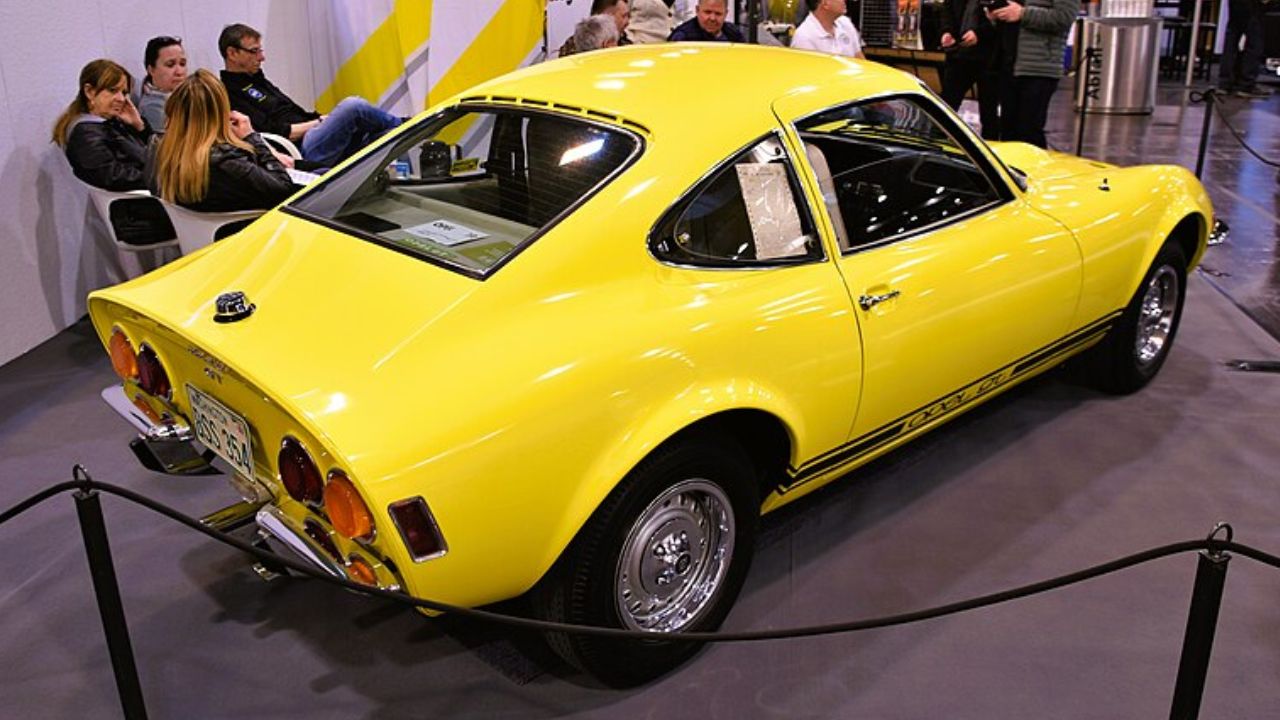
The 1972 Opel GT offered a taste of sports car performance at a price point that was accessible to a wider audience. Equipped with a 1.9-liter engine, the GT could deliver a lively driving experience without the high costs associated with its American counterparts. This affordability made it a popular choice for younger buyers and those new to the sports car scene.
While it didn’t match the raw power of a Corvette, the Opel GT’s balance of price and performance struck a chord with car enthusiasts. Its reasonable cost of ownership and maintenance further cemented its status as an attainable sports car.
Innovative Engineering
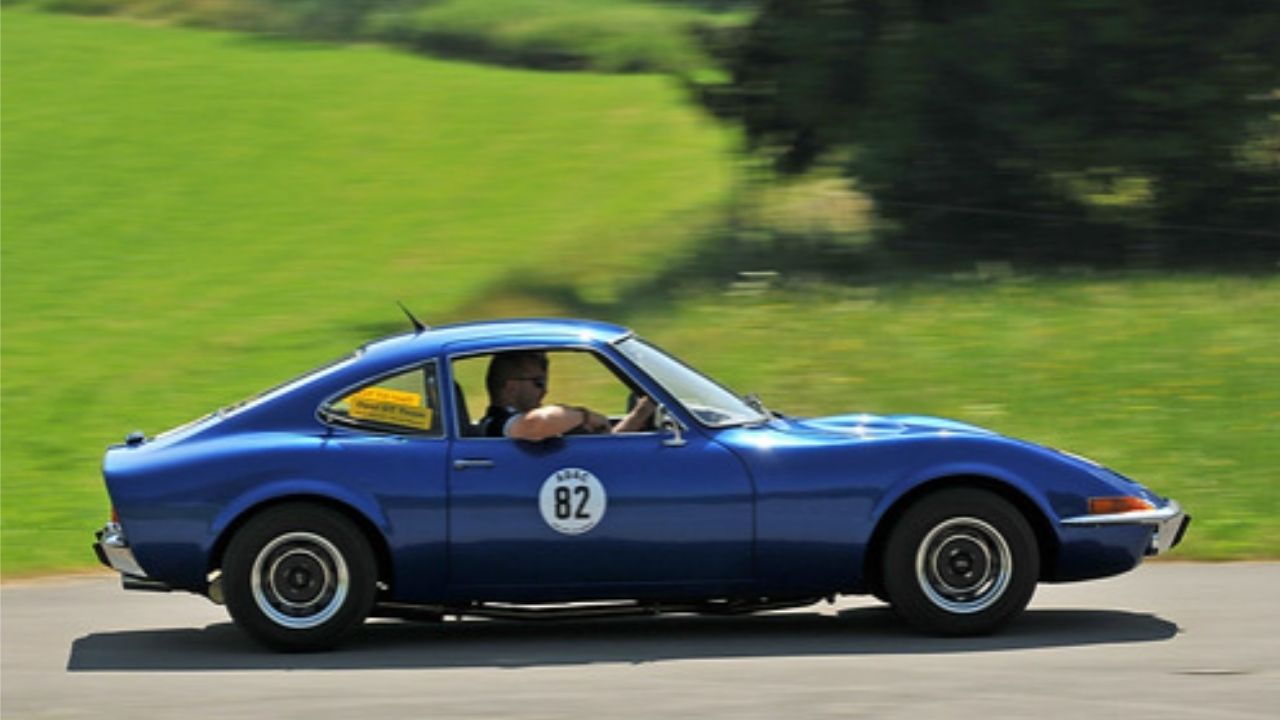
Opel implemented several innovative engineering solutions in the GT, contributing to its standout performance and handling. The front-engine, rear-wheel-drive layout provided a balanced weight distribution, enhancing its sporty characteristics. Additionally, the GT featured a unique monocoque construction, which improved rigidity and safety.
Its engineering prowess didn’t stop there; the GT also boasted advanced suspension systems and responsive steering, making it a joy to drive. These innovations were a testament to Opel’s commitment to creating a sports car that could compete with the best of its time.
Cult Classic Status
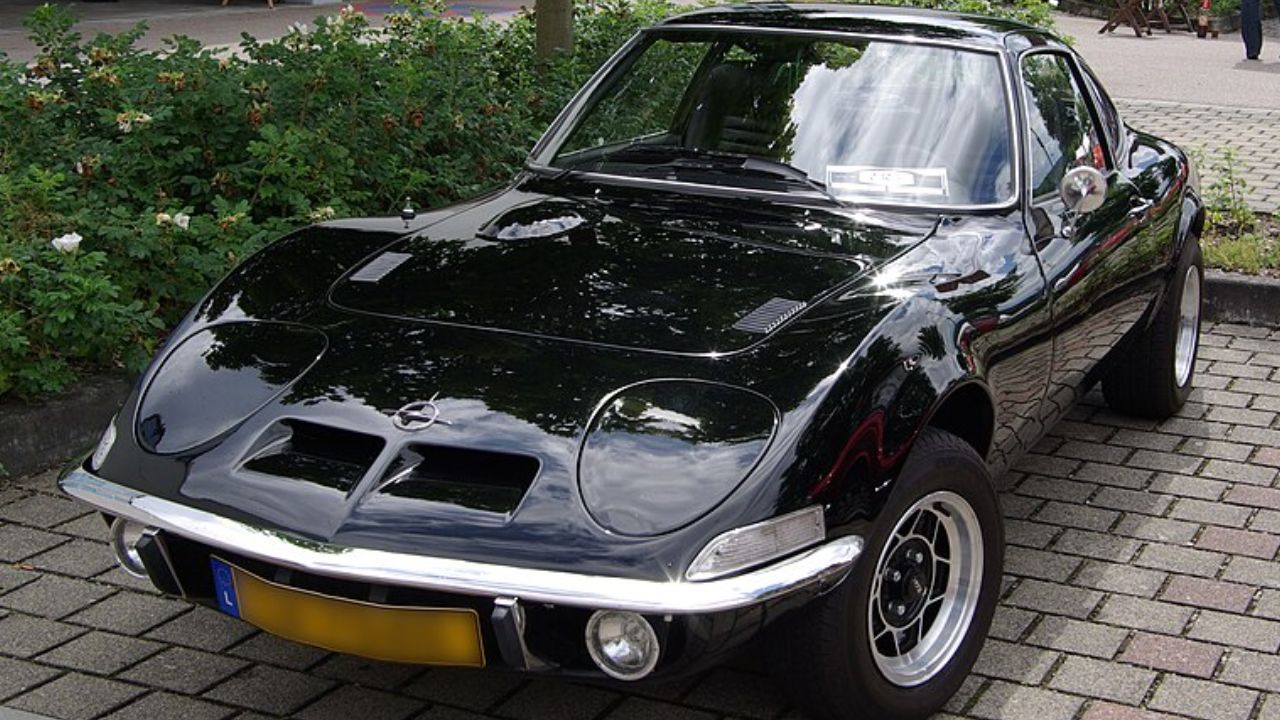
Over the years, the Opel GT has earned a cult following, with enthusiasts dedicated to preserving and celebrating this unique vehicle. Its rarity and distinctive design have made it a treasured collector’s item, with car clubs and events dedicated to its legacy. The GT’s enduring appeal can also be attributed to its reputation for reliability and performance.
For many, the Opel GT represents a golden era of automotive design and engineering. Its status as a cult classic is a testament to its lasting impact on the automotive world, and it continues to inspire admiration and devotion from car lovers around the globe.
Motorsport Influence
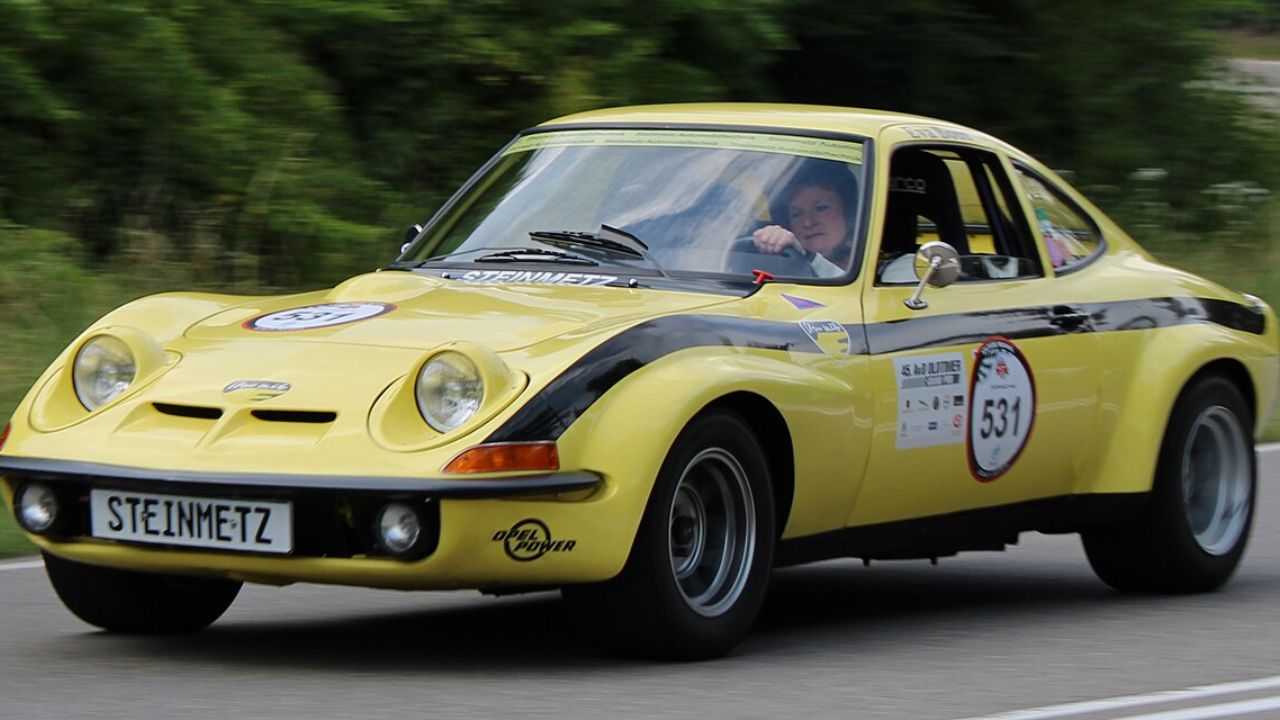
While primarily known as a road car, the Opel GT also made its mark in the world of motorsport. It participated in various racing events, showcasing its capabilities on the track. The GT’s performance in racing underscored its potential as a competitive sports car, further cementing its reputation.
The involvement in motorsport not only boosted the GT’s image but also contributed to its development, as lessons learned on the track often translated to improvements in the road-going models. This connection to racing added another layer to the GT’s allure for sports car enthusiasts.
Timeless Aesthetic Appeal
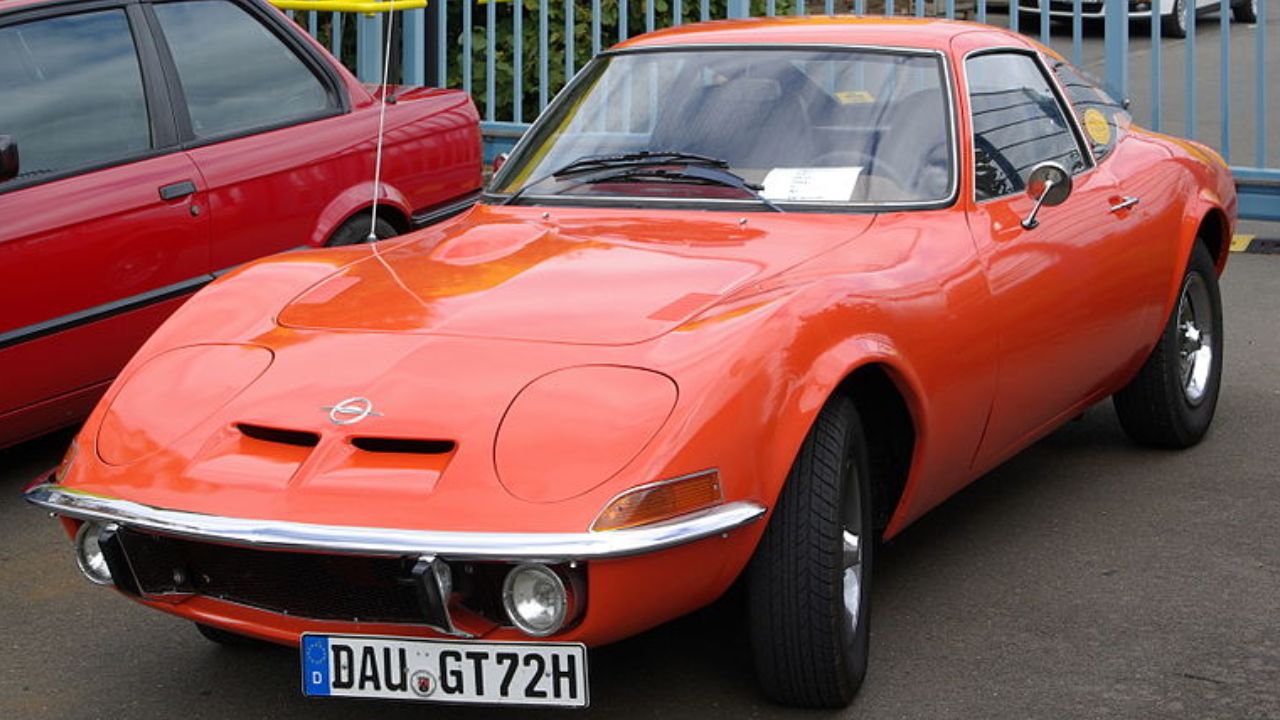
The Opel GT’s design has stood the test of time, maintaining its appeal even decades after it first hit the roads. Its sleek lines and distinctive features, such as the pop-up headlights, continue to capture the imagination of car enthusiasts. The GT’s aesthetic is a blend of classic and modern elements, making it timeless in its appeal.
Whether viewed as a vintage classic or a piece of automotive art, the Opel GT continues to inspire admiration. Its ability to transcend eras and remain relevant speaks to the success of its design and the vision of its creators.
Like Fast Lane Only’s content? Be sure to follow us.
Here’s more from us:
*Created with AI assistance and editor review.


Leave a Reply