
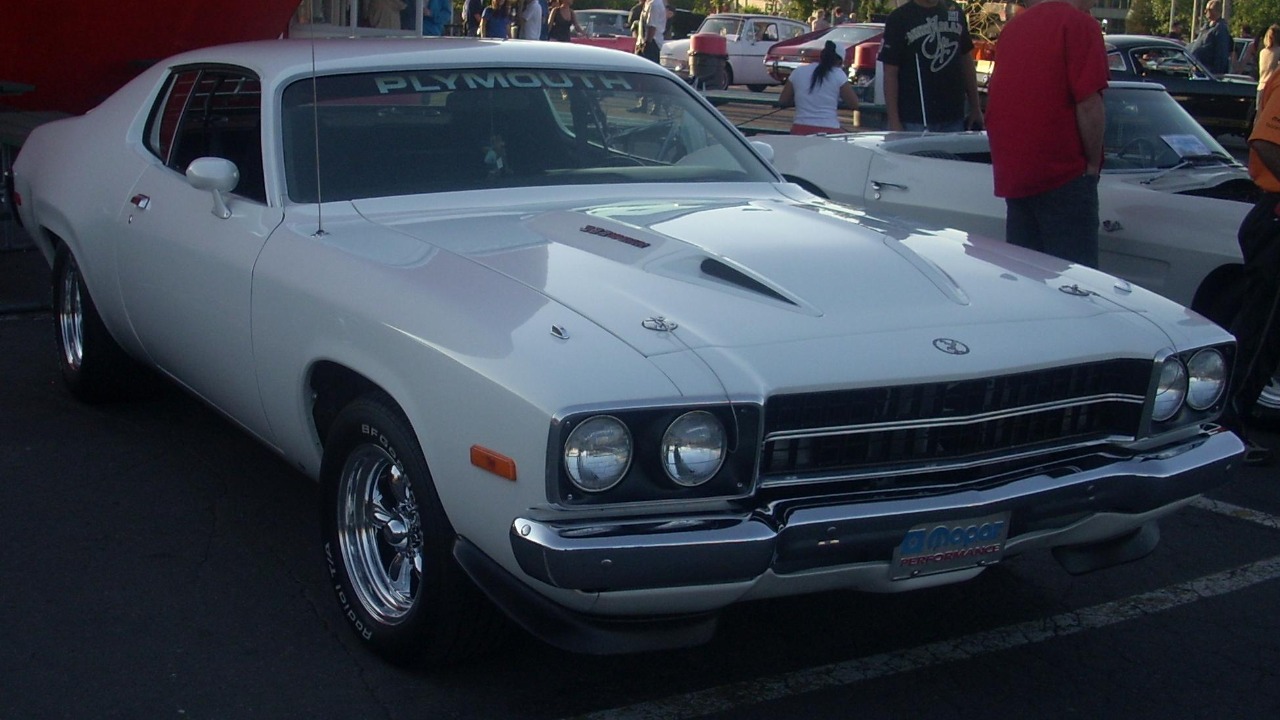
The 1974 Plymouth Road Runner arrived just as the classic muscle era was running out of road, yet it stubbornly held on to the traits that had made Detroit’s street bruisers famous. Power ratings were slipping, regulations were tightening, and insurance companies were circling, but this car still packed the stance, sound, and hardware that kept genuine performance in reach for everyday drivers.
When I look at that model year, I see a machine that straddled two worlds: one foot in the raw, big-block past, the other in a more restrained future. The sheet metal, drivetrains, and even the cartoon “beep beep” attitude show how much muscle DNA survived the transition, even as the broader market pushed Plymouth toward tamer territory.
The last stand of Plymouth muscle
By the mid‑1970s, the company that built the Plymouth Road Runner was still very much alive, but its wildest days were numbered. Plymouth would keep making cars for decades after the early seventies, yet the unapologetic performance spirit that defined its heyday was already fading, and enthusiasts increasingly point to the 1974 Road Runner as the final model that still felt like a true muscle car rather than a styling package. In that context, the car reads like a last stand, a determined attempt to keep big power and bold attitude on the showroom floor even as the rules of the game were changing.
That sense of finality is sharpened by the way later models softened in both power and personality, while the 1974 version still carried serious hardware and aggressive visuals. It is no coincidence that detailed retrospectives describe how Plymouth continued building vehicles long after the muscle era, yet the Road Runner of this year is singled out as the point where that original performance identity had not yet faded into memory.
Big-block heart and real performance hardware
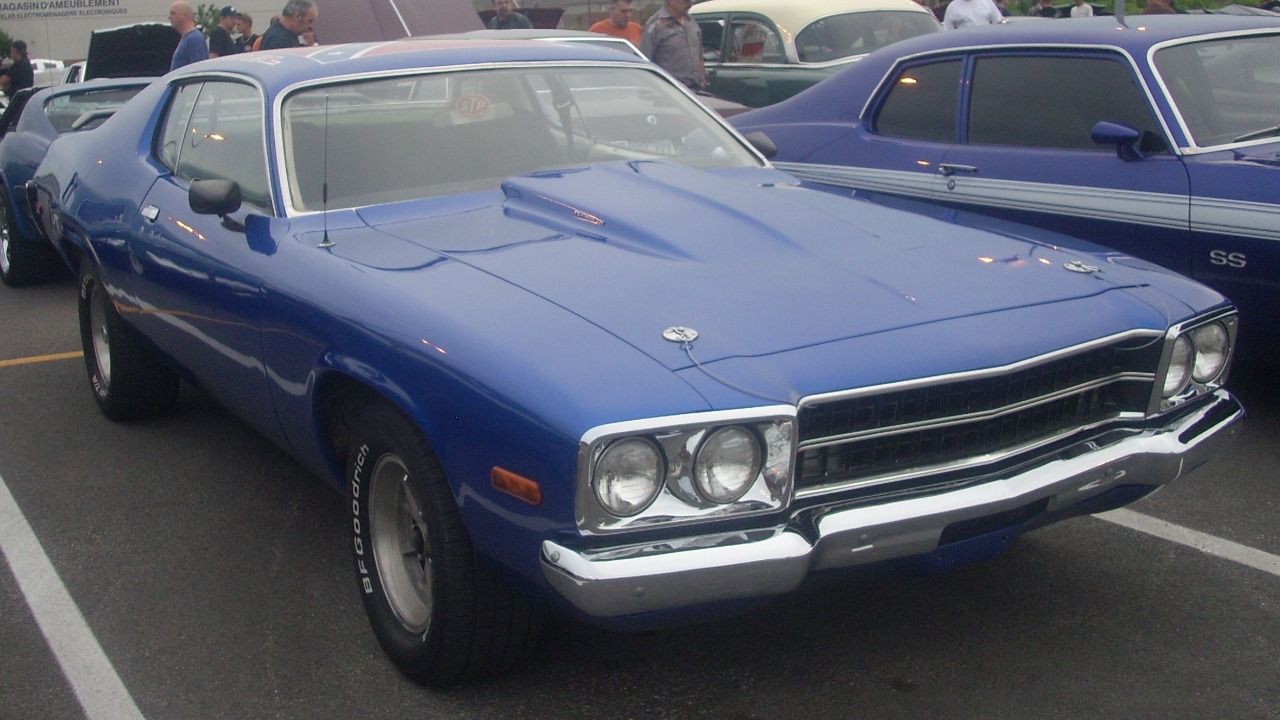
Under the hood, the 1974 Plymouth Road Runner still offered the kind of engine that defined American muscle. In its 440 K configuration, the car carried a 7.2-liter V8 that delivered a rated 275 hp and 390 lb-ft of Torque, a combination that kept the Driveline firmly in the realm of serious performance rather than mere appearance. Those Key Specs, laid out with the Engine and Power figures side by side, make it clear that this was not just a decal package but a car built to move with authority when the light turned green.
The transmission choices reinforced that intent. A three-speed manual transmission was standard equipment, and buyers who wanted more involvement could step up to a four-speed manual, while others opted for a three-speed Torqu automatic that still put the power down with conviction. Period coverage of the 1974 Plymouth Road Runner notes that this mix of gearboxes, from the basic stick to the optional Torqu unit, was as central to the car’s character as anything on the car, and that balance of choice and capability is documented in detailed drivetrain reports.
Styling, stance, and the cartoon attitude
Even as regulations pushed automakers toward heavier bumpers and cleaner emissions, the 1974 Road Runner still looked every bit the part of a muscle car. The 74 edition did feature the full completement of muscle-esque appearance items, including a raised hood, bold graphics, and other visual cues that signaled performance before the engine ever fired. That visual aggression mattered, because by this point the numbers on paper were no longer the only way to communicate intent; the car had to project its purpose from the curb.
The Road Runner name itself carried a playful but pointed edge, rooted in the cartoon bird that sprinted away from trouble with a signature “beep beep.” Earlier models from 68 and 69 had already cemented that identity, and enthusiasts still talk about how designers wanted the horn to echo the sound of the Roadrunner as it streaked past. That continuity of character, from the late‑sixties origins through the 1974 model, is part of why the car still feels like a cohesive chapter in the same story, a point underscored in period walkarounds that linger on the Nov Roadrunner heritage and its unmistakable audio signature.
Chassis tweaks and everyday drivability
What keeps the 1974 Plymouth Road Runner interesting to me is how it blended that muscle attitude with a chassis tuned for real-world use. The Road Runner came with a special body-side and over the roof stripe treatment and performance hood, but it also benefited from suspension refinements that made it more livable on daily commutes. Contemporary descriptions of The Road Runner highlight how it came standard with features that balanced handling and comfort, and even note that The Road Runn received upgraded bushings for a smoother ride, a small but telling detail that shows engineers were thinking beyond the drag strip.
That dual mission is part of the car’s enduring appeal. It was still a machine you could take to a weekend meet, yet it did not punish you on the way to work. Owners who have preserved these cars often talk about that balance, and enthusiast writeups from Sep discussions of the 1973 and 1974 models emphasize how the combination of visual flair, performance hood, and more compliant suspension bushings created a package that still felt muscular without being crude.
Muscle in a tightening era
Context matters when judging whether a car still counts as a muscle machine, and the environment around the 1974 Road Runner was anything but friendly to performance. By 1974, the muscle car era was winding down because of the stricter emissions regulations and rising insurance costs that made big-block power harder to justify. Those pressures explain why horsepower ratings were dropping across the board, and why some buyers walked away from performance models entirely, yet the Road Runner persisted with engines and options that kept it relevant for drivers who were not ready to surrender.
Enthusiast events that mark the 50th Anniversary of the 1974 Model Year point out that 1974 saw the horsepower rating continue to drop each year from 1972, a trend that could have turned the Road Runner into a hollow badge. Instead, the car retained enough output and attitude to stand apart from the increasingly sedate family sedans sharing the showroom. That tension between declining official numbers and lingering real-world performance is a recurring theme in coverage of the period, including retrospectives on Anniversary of the Model Year celebrations that frame 1974 as a turning point rather than a full stop.
Why many still call it the last “real” Road Runner
Ask a group of enthusiasts whether the 1974 Plymouth Road Runner was the last authentic version and you will hear plenty of debate. Opinions will vary, and some will argue that later cars deserve more credit than they get, but there is a strong case that this model year was the final one to fully align with the original formula. Introduced in 1968, the Plymouth Road Runner had been a popular entry into the muscle car category from the start, and by the time the 74 edition rolled out, it still carried the full completement of muscle-esque appearance items and meaningful performance options that tied it directly back to that 1960s brief.
That continuity is why detailed analyses of the 1974: The Last Real Plymouth Road Runner? theme keep circling back to this specific year. They note how the car’s raised hood, bold graphics, and available big-block power preserved the essence of the nameplate even as the market shifted. Those same pieces argue that the 74 edition did feature the full completement of muscle-esque appearance items, including details like a “Tuff” padded steering wheel, and that this combination of hardware and style is what keeps the car in the conversation as the last real standard-bearer, a point laid out in depth in Nov analyses of the model’s place in history.
The Roadrunner GTX badge and collector afterlife
Another thread that reinforces the 1974 car’s muscle credentials is the way it intersected with the GTX name. Enthusiast video coverage points out that the Roadrunner and GTX badges were offered on the same car for 3 years when Plymouth discontinued the GTX as a standalone model, effectively merging two of the brand’s most performance-focused identities into a single package. That overlap, especially in the context of the 1974 Roadrunner GTX, underscores how seriously the company still took the idea of a top-tier muscle offering even as the broader market cooled.
The afterlife of these cars in barns and hangars also tells a story about their perceived value. Reports of a Rare 1974 Plymouth Roadrunner GTX Discovered In Hangar describe how, by 1974, the muscle car era was winding down because of the stricter emissions regulations and rising insurance costs, yet survivors from this year are now treated as both artifacts and drivers. Enthusiasts who uncover such cars talk about them as a link to a disappearing moment in automotive history, and coverage of that hangar find in Sep barn-find reports frames the 1974 Roadrunner GTX as both a piece of history and a reminder of how much muscle DNA still coursed through the brand’s veins.
Why the 1974 Road Runner still feels muscular today
Looking back from today, I see the 1974 Plymouth Road Runner as a car that refused to let go of its roots. The combination of the 440 K 7.2-liter big-block, the 275 hp and 390 lb-ft figures, the manual and Torqu automatic options, and the unapologetic graphics and hood treatment all add up to more than nostalgia. They form a coherent package that still reads as a performance car first, even if the numbers no longer matched the wildest machines of the late sixties, a point that detailed Key Specs breakdowns make plain.
That is why, when I weigh the evidence, I find myself siding with those who see this model year as the last Plymouth Road Runner to carry unfiltered muscle DNA. It lived in a compromised era, but it did not surrender its identity, and the way enthusiasts still celebrate its Nov features, its Sep hangar discoveries, and its place in the lineage that began in 1968 suggests that the verdict is already in. The 1974 Road Runner may have been built at the twilight of the muscle age, yet it still walks, talks, and drives like the real thing, a conclusion echoed in detailed model-year retrospectives that treat it as the final chapter of a legendary run.
For anyone who cares about the era when big-block V8s, bold stripes, and a cheeky Roadrunner horn defined American performance, that makes the 1974 Plymouth Road Runner less a footnote and more a closing statement. It is the car that proves muscle did not vanish overnight; it evolved, adapted, and, in this case, went out still wearing its racing colors.



Leave a Reply