
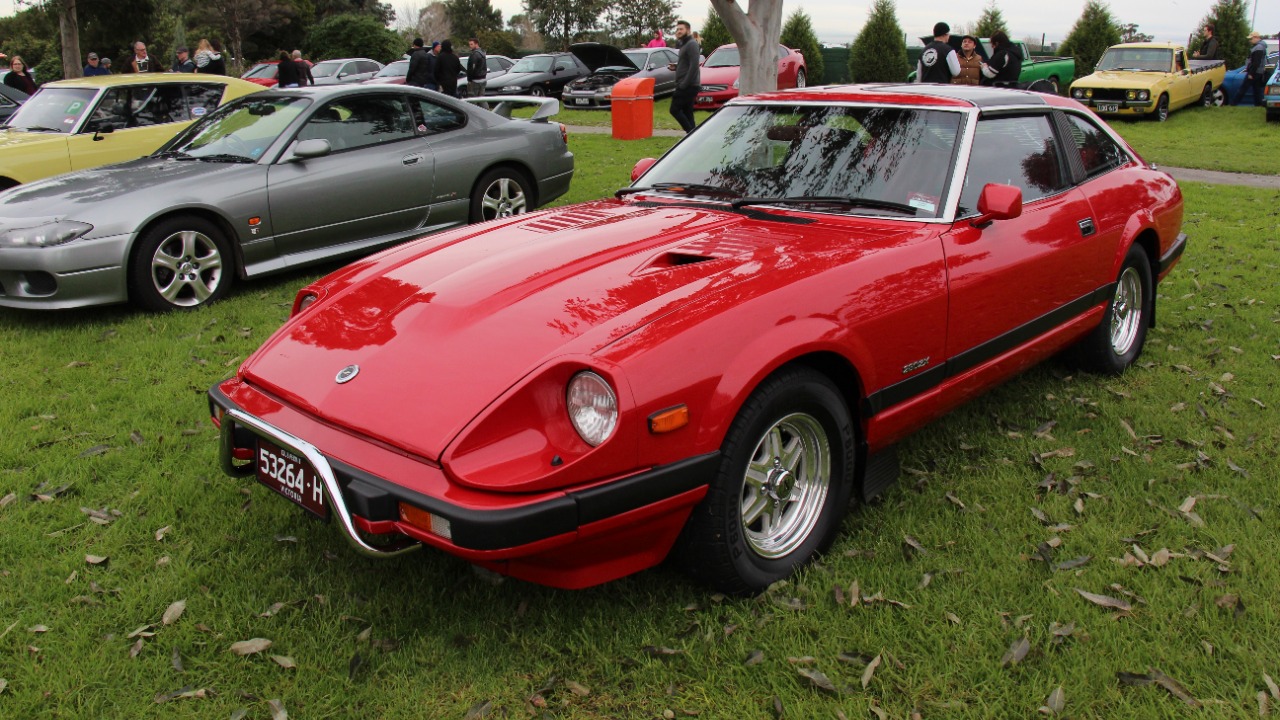
The 1982 Datsun 280ZX arrived at a moment when sports cars were being pushed to grow up. Instead of chasing ever more raw edge, it leaned into comfort, technology and long‑legged usability, trading some of the 240Z’s wild streak for a more polished personality. If you look closely at how it was styled, engineered and received, you can see a car that deliberately pursued refinement as its main mission rather than as an afterthought.
That choice still shapes how you experience a 280ZX today, whether you are cross‑shopping classic coupes or just trying to understand why this Z feels so different from its predecessors. You are not just looking at another early eighties sports car, you are looking at a case study in how Datsun and Nissan tried to balance performance, comfort and changing buyer expectations.
The brief: from raw sports car to grand tourer
By the time the S130 generation reached its 1982 form, Datsun and Nissan had already decided that the Z’s future lay closer to a grand tourer than a stripped‑back racer. The 1982 Datsun 280ZX sat as the second generation of the Z line, replacing the 240Z, 260Z and 280Z with a car that prioritized comfort, reliability and everyday usability, a shift that a detailed value guide traces through its chassis and interior changes. Underneath, it still used a version of the familiar inline‑six, but the suspension tuning, sound insulation and cabin layout were all aimed at making long distances less tiring.
Designers were not working in a vacuum. Internal planning for the 280ZX unfolded in stages that first encouraged them to step away from strict Z‑car tradition before reintroducing heritage cues only where they made sense, a process described in depth in a development history. That is why you see a more upright roofline, larger glass area and a noticeably richer interior, all of which signaled that you were meant to drive this car across states, not just across town.
How the 1982 280ZX was engineered for comfort
When you slide into a 1982 cabin, you feel how intentionally it was tailored for touring. The seats are broader and more supportive than in earlier Zs, the dashboard is packed with clear instrumentation and the ride quality is tuned to take the sting out of broken pavement, which is exactly why long‑distance fans are urged to give the 280ZX a close look in one touring‑focused feature. You are meant to cover vast stretches of highway in this car, and the quieter cabin and more compliant suspension make that feel natural rather than like a compromise.
Under the skin, the S130 platform carried over the basic layout of the earlier Fairlady Z but with structural tweaks and more weight devoted to sound deadening and equipment. The Fairlady Z overview notes how the S130 generation evolved the original formula rather than replacing it outright, and by 1982 that evolution meant power steering, available automatic transmissions and a suite of comfort options that would have looked extravagant on a 240Z. You feel that when you drive one today: the steering is lighter, the cabin is calmer and the car feels more like a compact GT than a bare‑bones sports machine.
Turbo power and the pursuit of smooth speed
Refinement did not mean walking away from performance, it meant delivering speed in a more effortless way. The 280ZX turbo variant, introduced on the S130 platform, is a clear example, pairing the inline‑six with forced induction so you could surge forward with less drama and more mid‑range pull, a combination highlighted in a period‑style turbo feature. Instead of chasing high‑rev theatrics, the turbo car let you ride a wave of torque, which suited the car’s grand touring brief perfectly.
That approach paid off in objective terms as well. At the time of its launch in the United States, the 280ZX turbo was described as the fastest Japanese import on the American market, with a top speed around 209 km/h, which meant you could cruise at modern freeway speeds with plenty in reserve. A deeper dive into the S130’s evolution in another technical summary reinforces how the turbo model sat at the top of the range, giving you a car that felt quick yet composed rather than frantic.
Why enthusiasts still argue about “refinement”
If you spend time around Z fans, you quickly learn that the 280ZX is one of the most polarizing cars in the family. Some owners praise how their cars turn heads and shrug off minor knocks, like the driver of a 79 280ZX who notes that the Big bumper even proved useful in a fender‑bender. Others see the extra weight, softer suspension and plusher interior as a betrayal of the original 240Z’s simplicity, a tension that fuels long threads on enthusiast forums.
That split personality is captured neatly in a critical retrospective that lists the car’s “crimes” in the eyes of purists, from its softer responses to its more luxurious trim. Yet another long‑term owner profile of a 280-ZX that has stayed with the same driver for nearly 40 years shows the other side of the story, where refinement becomes a reason to keep the car rather than to sell it.
How the market now rewards that maturity
When you look at the current collector scene, you can see how that emphasis on comfort and reliability is aging well. A recent buying guide describes the 1982 Datsun 280ZX as part of the S130 generation that helped cement the Z as a durable, usable classic, with strong reliability and growing collector interest. Another overview of the same car on a separate page reinforces that you are buying into a model that was engineered to last, which is exactly what you want if you plan to drive rather than just display your classic.
Individual cars tell the story even more vividly. A 43k‑mile 1982 Datsun 280ZX GL 2+2 5‑speed that appeared on a popular auction site drew comments from a former owner who had Sold an earlier two‑seater when Kids arrived, then came back to the model later, saying there was no reason not to enjoy another ZX. The same listing notes how the 2+2 versions were once reviled but are now finding fans who appreciate the extra practicality, a reminder that what once looked like a compromise can become a selling point as tastes evolve.
More from Fast Lane Only

Leave a Reply