
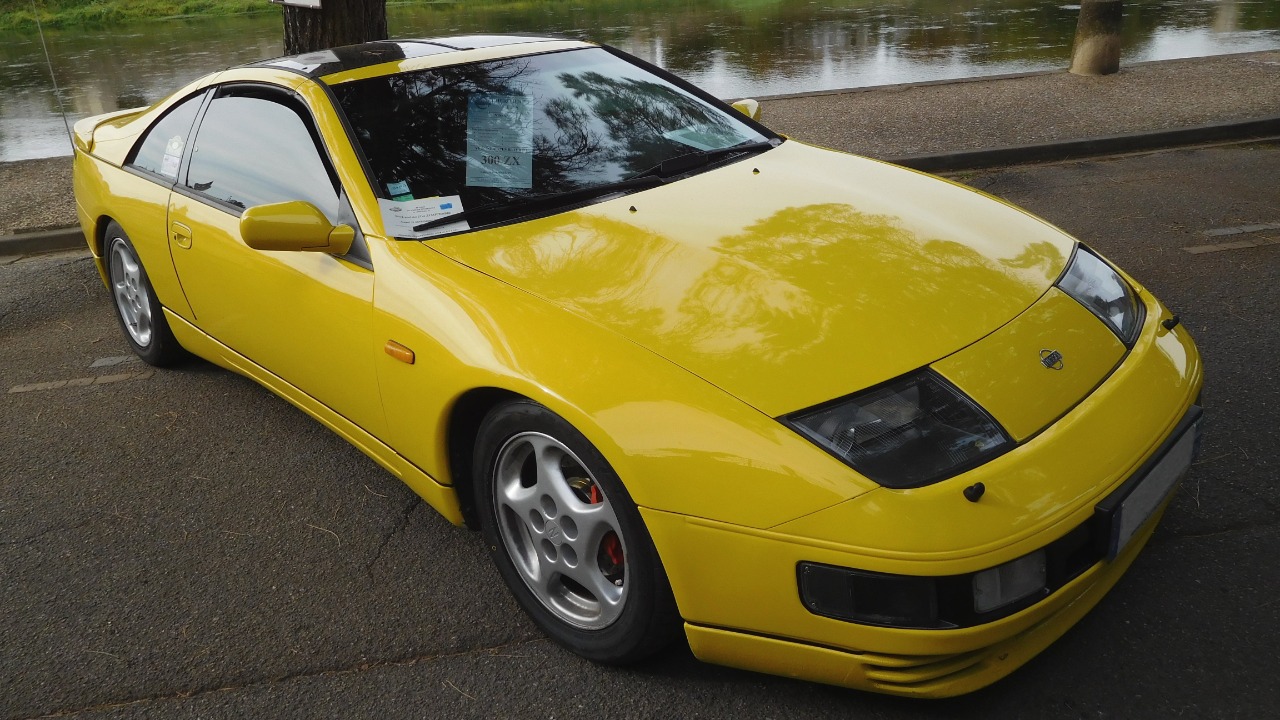
The Nissan 300ZX Twin Turbo is old enough to have its own opinions about modern music, yet it still slips into traffic today without looking like a nostalgia prop. Its mix of clean surfacing, serious performance and quietly clever tech gives it the kind of presence that makes newer sports cars feel a bit overdressed. The surprise is not that the car is a classic, it is that it still behaves like a contemporary machine that just happens to remember fax machines.
Design that skipped the awkward ’90s phase
Seen in person, the 300ZX Twin Turbo looks less like a period piece and more like a concept car that accidentally escaped the studio and never aged. The proportions are low and wide, the glass area is generous without being bubbly, and the body lines are so restrained that they could pass for something sketched last week. That is because the overall Design of the Z32 generation leaned on a simple, aerodynamic profile instead of the wings-and-stripes chaos that swallowed so many of its peers, a philosophy that kept the core shape sleek even as details changed over the years, as described in one overview of The Nissan.
Inside, the cockpit feels more like a modern sports car than a retro lounge, with a low seating position, a driver-focused dash and controls that fall easily to hand instead of being scattered like an ’80s hi‑fi stack. A detailed buyer’s guide notes that the seating position is low and the cockpit layout still works by current standards, and even calls a well maintained 300ZX a fantastic sports car today, which is not the kind of faint praise usually reserved for old hardware in a Z32 Nissan 300ZX Buyer’s Guide. I slide into one and it feels less like time travel and more like borrowing a slightly analog version of a present day coupe.
Tech that arrived early, then stuck around
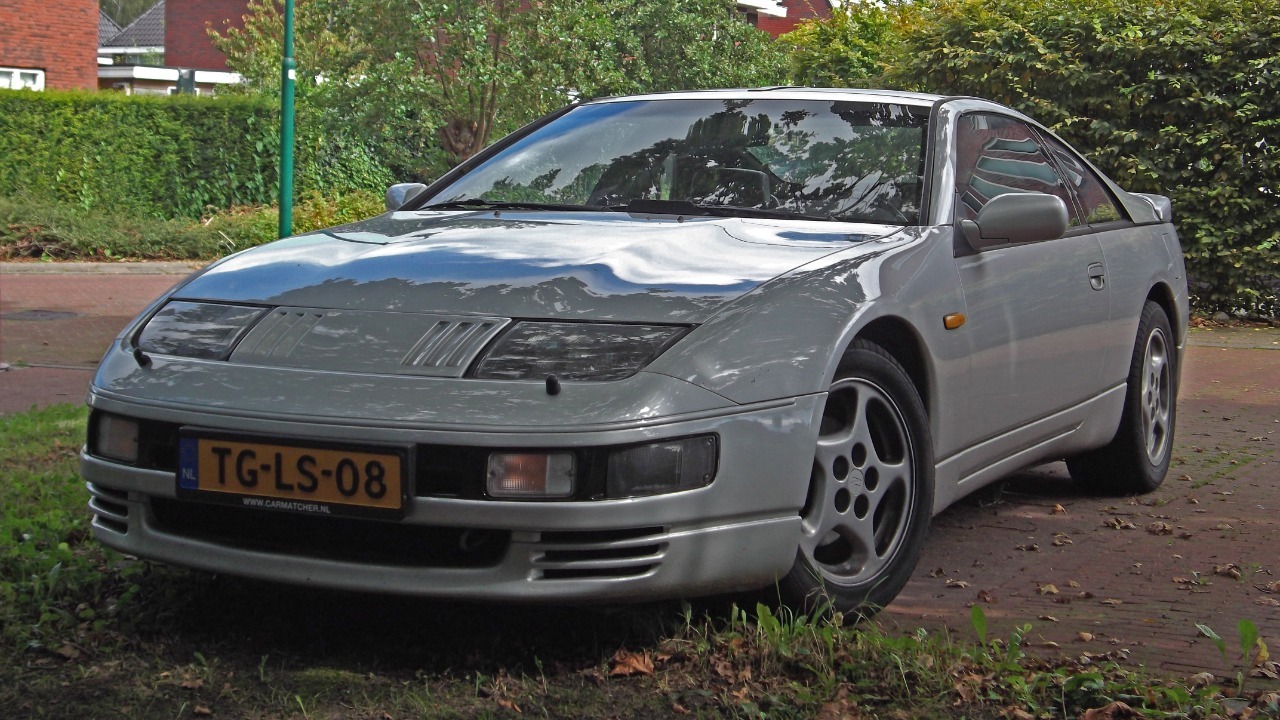
The 300ZX Twin Turbo did not just look futuristic, it quietly previewed the feature list of the modern performance car. Under the skin, it packed electronic wizardry that was exotic at the time but reads like a normal spec sheet now, including anti lock brakes and four piston aluminum front calipers that were advanced kit in the early 1990s, as detailed in a period description of the 1990 Nissan 300ZX Twin Turbo. The car layered that hardware with sophisticated electronics and premium materials, including precision molded plastics and extensive aluminum pieces, the sort of expensive ingredients that later became normal but at the time helped push the Z into a different league.
That ambition came at a cost, literally, and not just at the dealership. One analysis points out that the 300ZX had some expensive materials on board, with precision molded plastics, premium electronics and many aluminum components that ultimately hurt sales once the economic winds shifted, a reminder that being too clever too early can sting, as noted in a look at why the car was too advanced. From behind the wheel today, though, that overengineering feels less like a miscalculation and more like a gift, because the tech that once scared accountants now just makes the car feel reassuringly modern.
An engine that still feels ready for prime time
Pop the hood and the 300ZX Twin Turbo continues its party trick of feeling suspiciously current. The heart of the car is the VG30DE, a smooth V6 that delivered effortless power in either naturally aspirated or twin turbocharged form, and it arrived with new variable valve timing technology that would become a staple of later performance engines, as explained in a detailed look at the Z32 300ZX. In Twin Turbo trim, that engine does not just make numbers, it delivers torque in a way that feels familiar to anyone who has driven a modern boosted V6, with a broad, usable band instead of a peaky, old school rush.
Spend time with tuned examples and the illusion of modernity only gets stronger. In one recent review, Apr walks through a heavily modified Nissan 300 GX Z32 owned by his friend Steve, noting that Steve also owns a 750 horsepower 300 GX and that the car in question is a 600HP build, a level of output that would not look out of place in a current super coupe, as seen in the 600HP Nissan 300ZX Twin Turbo Review. The fact that the platform can comfortably host that kind of power without turning into a full time fire risk says a lot about how stout and forward looking the original engineering really was.
Driving dynamics that match the spec sheet
Plenty of cars have impressive numbers on paper and then drive like a waterbed, but the 300ZX Twin Turbo backs up its stats with composure that still feels contemporary. Contemporary commentary noted that The Turbo model simply enhanced an already excellent platform with high performance upgrades, including suspension and braking tweaks that made the car feel like a serious rival to European sports coupes, a point underlined in a vintage review of The Turbo. On a twisty road today, the steering still has reassuring weight, the chassis feels planted and the car communicates in a way that many newer, more insulated machines struggle to match.
Even in stock form, the performance was serious enough to embarrass some domestic heroes. But in 1990, the 300ZX TT was a revelation, pumping out significantly more horsepower than a contemporary non ZR1 Corv, a comparison that framed the Japanese coupe as a genuine performance bargain at the time, as highlighted in a feature that invited readers to drool over a clean example. Slide into one now and the way it gathers speed, brakes hard and stays flat in corners feels less like a museum drive and more like a slightly analog version of a current sports car test loop.
The future accidentally copied it
The real plot twist with the 300ZX Twin Turbo is that the future ended up looking a lot like it. Modern performance coupes, including the latest Z, lean heavily on the same formula of a twin turbo V6, rear wheel drive and a cabin that wraps around the driver, to the point where one recent video flat out calls the 2024 Nissan Z Nismo Is a Handsomely Designed Modern Day Twin Turbo 300ZX, a comparison that underlines just how closely the new car follows the old recipe, as seen in footage of the Nissan Z Nismo Is. When the current model is being described as a modern day version of a car that debuted decades ago, it is hard to argue that the original has gone out of style.
Even the production story reads like a blueprint for later sports cars. Production Started on the 300ZX (Z32 300ZX) in July 1989 with Options Including 2+0 or 2+2 Seating, T Top or Slick Roof and Manua gearboxes, a flexible mix that let buyers tailor the car to their lives in much the same way modern manufacturers now slice their lineups into niches, as detailed in a listing for a 1989 Nissan 300ZX Twin Turbo. Today, when you see a new coupe offered with multiple seating layouts, roof options and transmissions, it feels less like innovation and more like the industry finally catching up to what the Z32 was already doing.
From doomed tech showcase to everyday classic
Ironically, the same ambition that made the 300ZX Twin Turbo feel futuristic also helped shorten its original run. One deep dive into the car’s history describes it as a sleek, stylishing, twin turbo powered ringer packed with a ton of features that were ahead of its time, and then explains how that incredible tech helped doom the model once costs and complexity piled up, a bittersweet arc captured in a video on The Incredible Tech that DOOMED the 300ZX. At the time, buyers were not quite ready to pay for a Japanese sports car that wanted to be both a luxury tourer and a high tech flagship, especially when economic conditions turned sour.
Decades later, that overreach has aged into charm. The 1991 Nissan 300ZX Twin Turbo is now described as more than just a car, an automotive legend renowned for its cutting edge technology and performance that still captures the hearts of enthusiasts and collectors, a status that shapes how owners think about protecting a Nissan Twin Turbo today. When a car graduates from misunderstood showroom experiment to beloved classic without ever feeling like a relic on the road, that is not just nostalgia talking, it is proof that the original vision landed closer to the future than the market realized at the time.


Leave a Reply