The 1969 Dodge Charger R/T is a muscle car legend, its menacing look and raw power still turning heads decades later. From its starring role in movies to its dominating presence on the street, this car defined an era. Here are ten reasons—packed with specs, performance, and details—why the ’69 Charger R/T remains a cultural and mechanical icon for those who know their classics.
Iconic Coke-Bottle Design
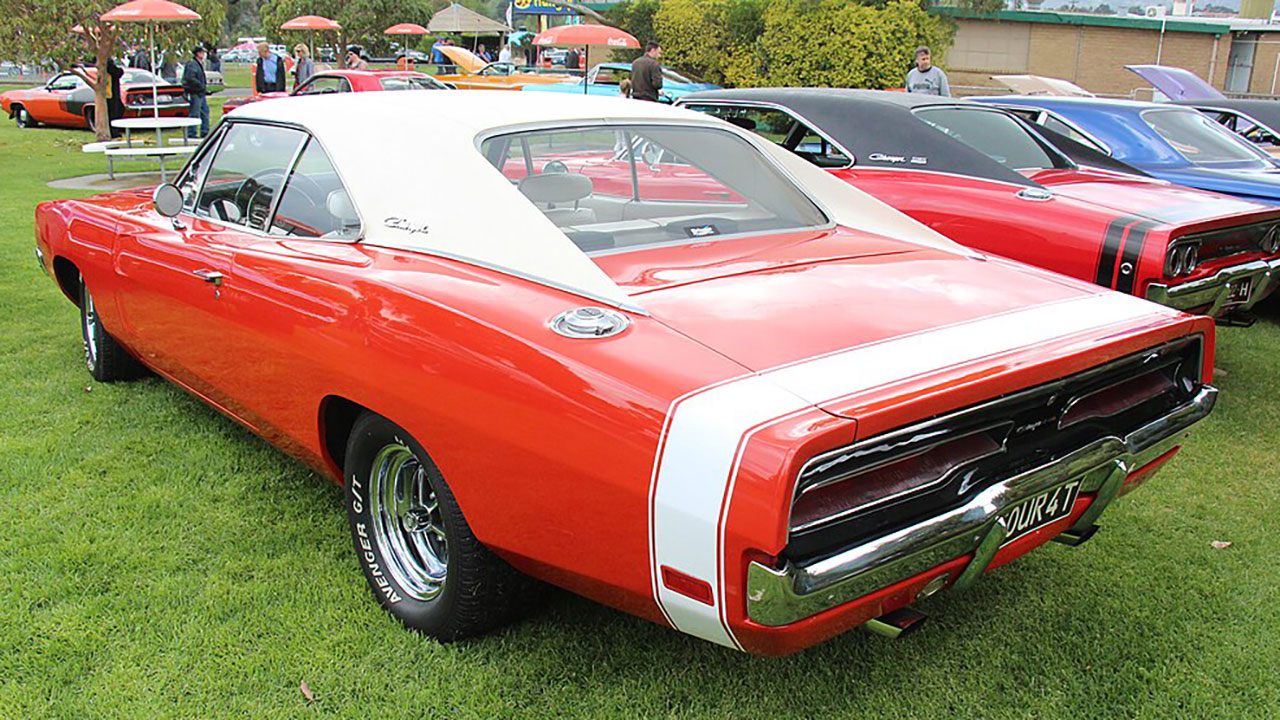
The ’69 Charger R/T’s shape is unmistakable, with a long hood and curvy “coke-bottle” lines. Its aggressive grille and hidden headlights scream attitude. The steel body stretched 208 inches, weighing ~3,800 pounds. Built on Chrysler’s B-body platform, it had a 117-inch wheelbase for stability. The sleek design wasn’t just for show—it cut through the air better than most rivals. Inside, the look carried over with a driver-focused dash. This style, paired with its racing vibe, keeps it a standout at car shows and auctions.
Hemi Powerhouse Option
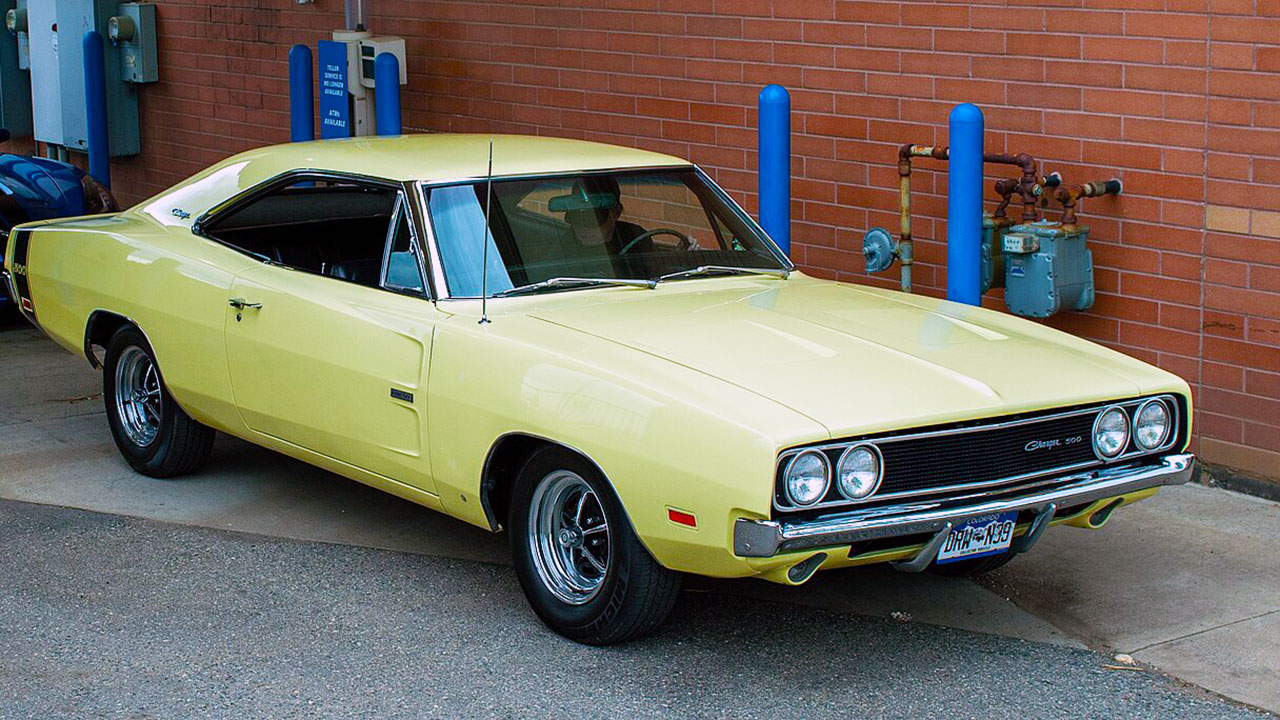
The 426 Hemi V8 was the Charger R/T’s ultimate weapon. It pumped out 425 hp and 490 lb-ft, though real output likely neared 500 hp. Paired with a 4-speed manual or TorqueFlite auto, it hit 0–60 in ~5.7 seconds and ran the quarter-mile in ~13.8 seconds at 104 mph. Only 232 Hemi Chargers were built in ’69, making them rare. The engine’s deep rumble and raw thrust still define muscle car performance, and its scarcity drives auction prices past $200,000 for pristine examples.
Standard 440 V8 Muscle
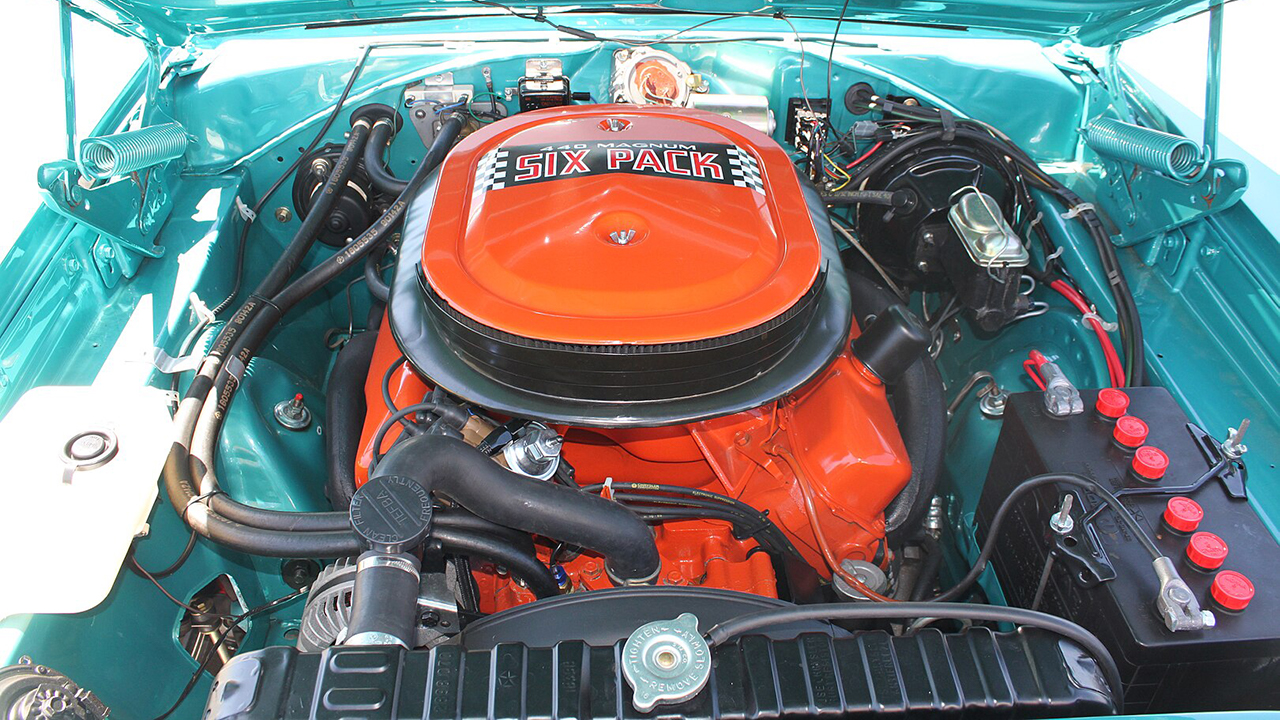
Most ’69 Charger R/Ts came with the 440 Magnum V8, delivering 375 hp and 480 lb-ft. It reached 0–60 in ~6.3 seconds with a top speed of ~135 mph. The four-barrel carb and heavy-duty suspension made it a street king. About 20,100 R/Ts were produced, the majority with this engine. Its reliability and easier maintenance compared to the Hemi make it a fan favorite. The 440’s growl and accessible power keep it relevant for those who want classic performance without breaking the bank.
Pop Culture Legend
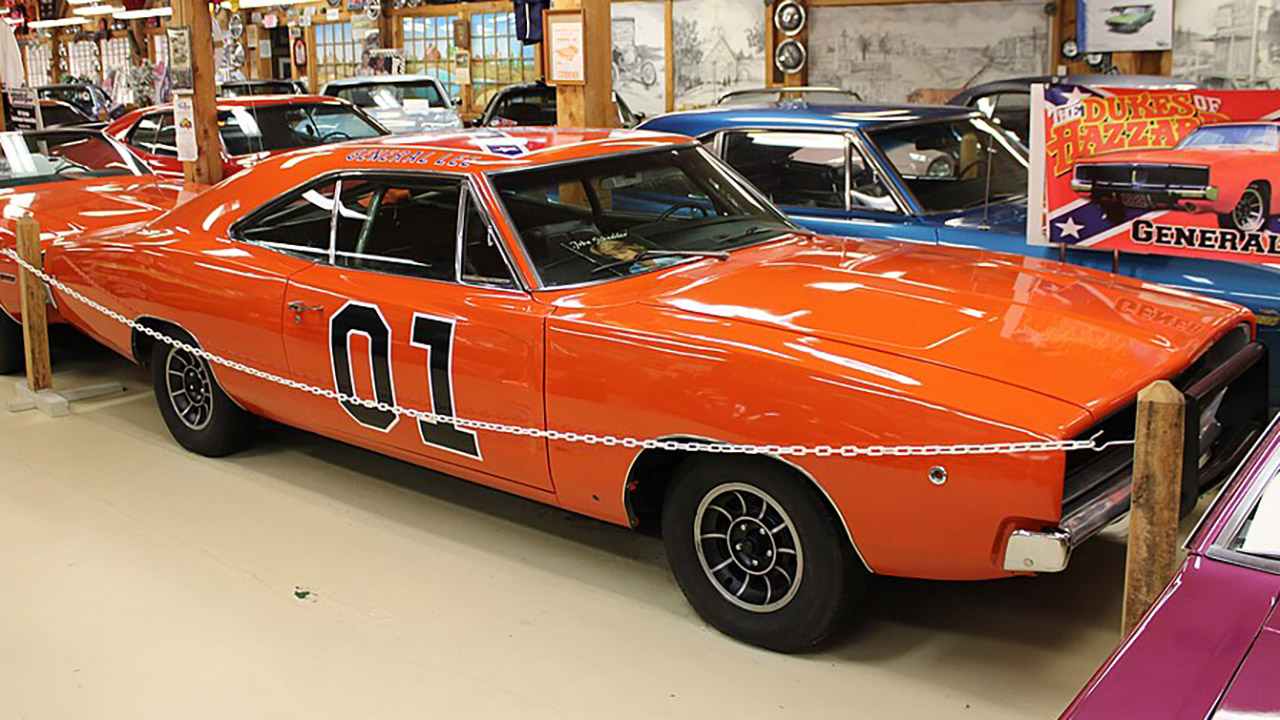
The ’69 Charger R/T became a star thanks to The Dukes of Hazzard. The “General Lee,” an orange R/T with a Confederate flag roof, jumped its way into fame. Over 300 Chargers were used during filming, many wrecked. Its iconic horn and rebel vibe cemented its cultural status. Beyond TV, it appeared in films like Bullitt. The car’s fame drives demand, with General Lee replicas fetching $50,000–$100,000. Its screen presence ensures it’s instantly recognizable, even to non-car folks.
NASCAR Dominance
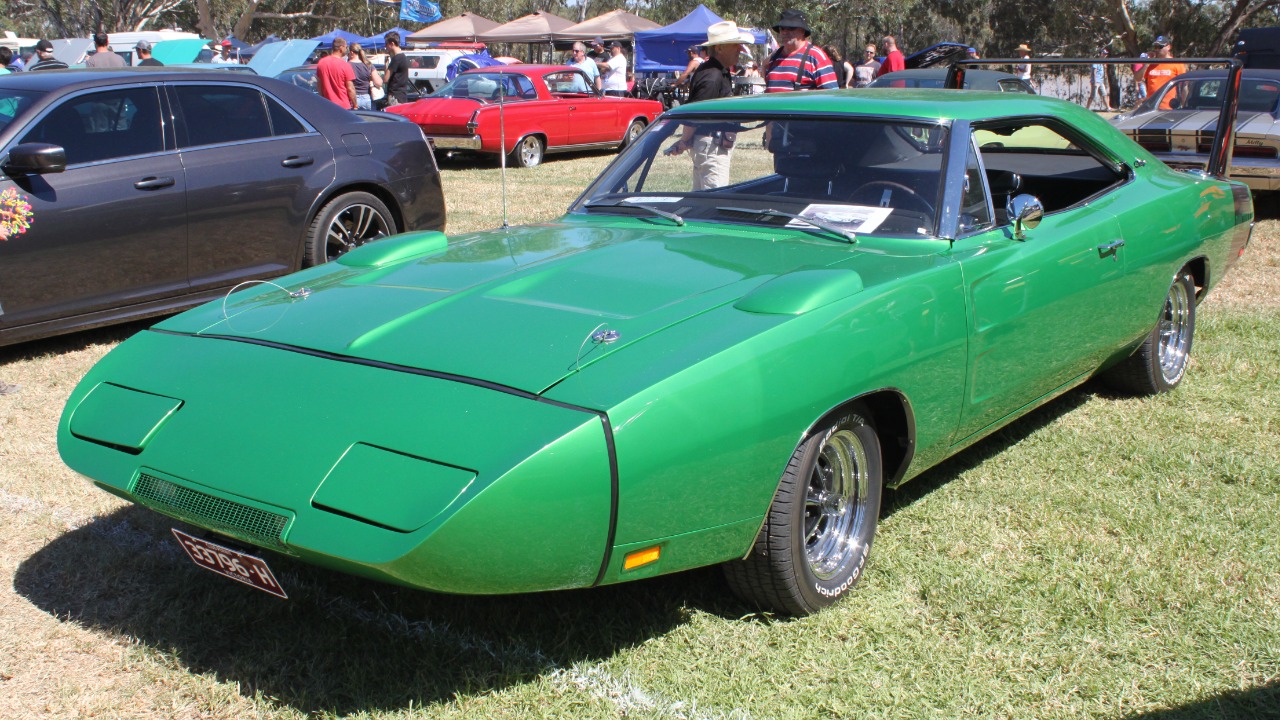
In 1969, the Charger R/T inspired the Dodge Charger Daytona, a NASCAR homologation special. The R/T’s 440 and Hemi engines powered track versions, hitting ~200 mph with aerodynamic mods like a nose cone and wing. It won 22 races in 1969–70, including Talladega. The street R/T shared the same muscular stance and powertrain options. Only 503 Daytonas were built, but the R/T’s racing DNA keeps it revered among collectors who value its track-proven heritage.
Roomy and Functional Interior
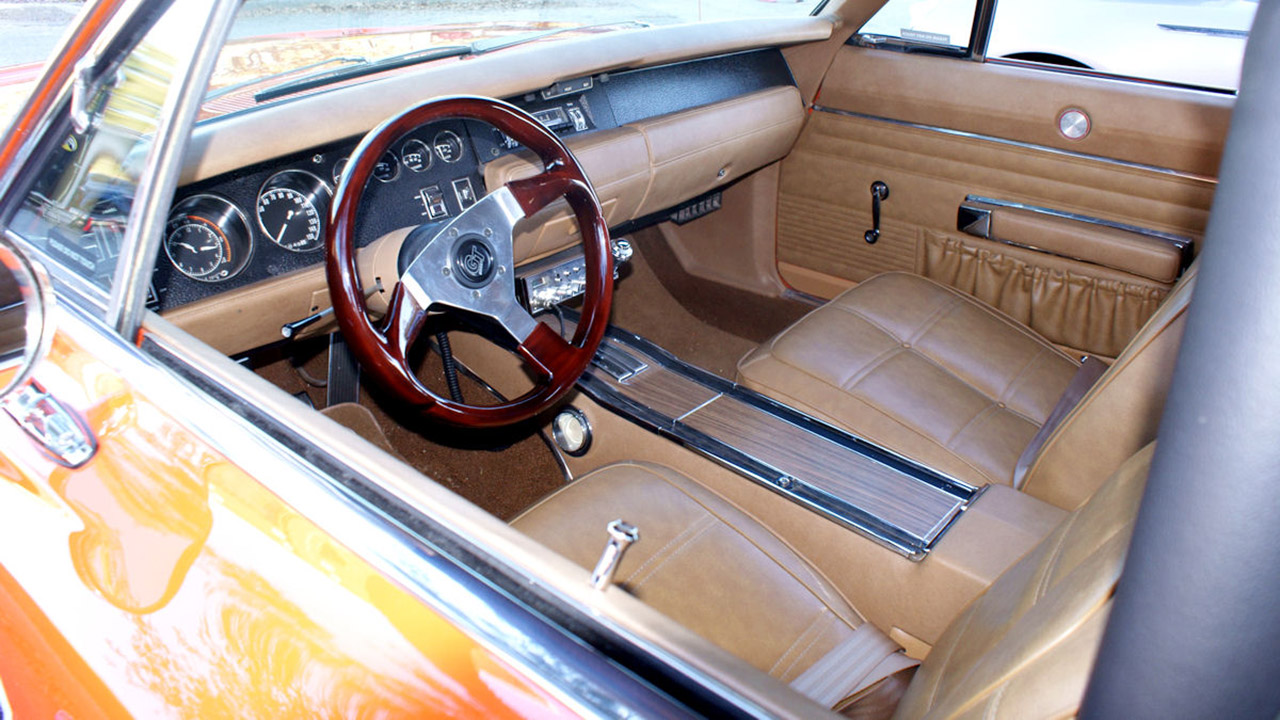
The ’69 Charger R/T’s cabin was practical yet sporty. It featured bucket seats, a full-length console, and optional woodgrain trim. Gauges included a tachometer and 150-mph speedometer, angled toward the driver. Rear seats fit three comfortably, with 33 inches of legroom. Vinyl upholstery was standard, leather optional. The dash’s simple layout and durable materials hold up well today. Unlike some cramped muscle cars, the Charger offered space for daily driving, making it a versatile classic that still feels usable for long cruises.
Heavy-Duty Build Quality
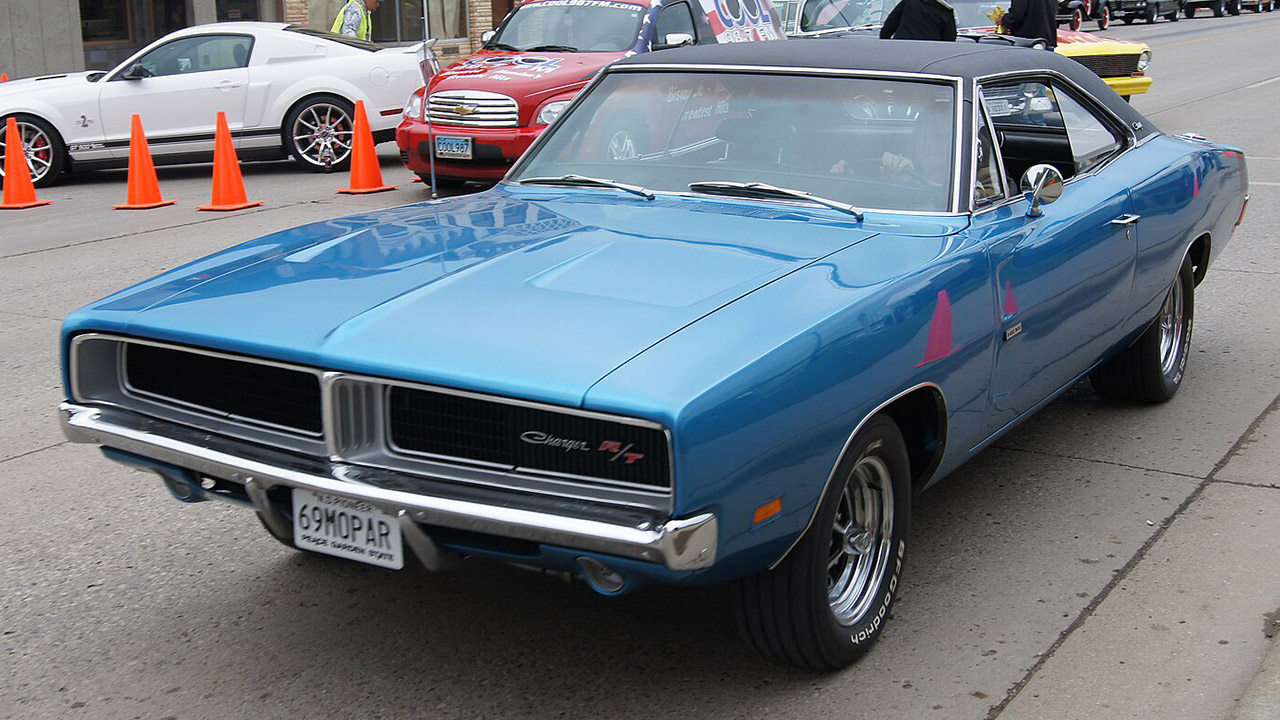
Built for performance, the ’69 Charger R/T came with a reinforced frame, heavy-duty shocks, and a beefy rear axle. Its 8¾-inch differential handled the Hemi’s torque without flinching. The car’s 3,800-pound weight was hefty but balanced, with a 53/47 front/rear distribution. Disc brakes were optional, improving stopping power. While rust can be an issue, especially in floors, the solid construction means well-maintained examples last. This durability, paired with its power, makes it a car you can still drive hard without worrying about it falling apart.
Aftermarket Support
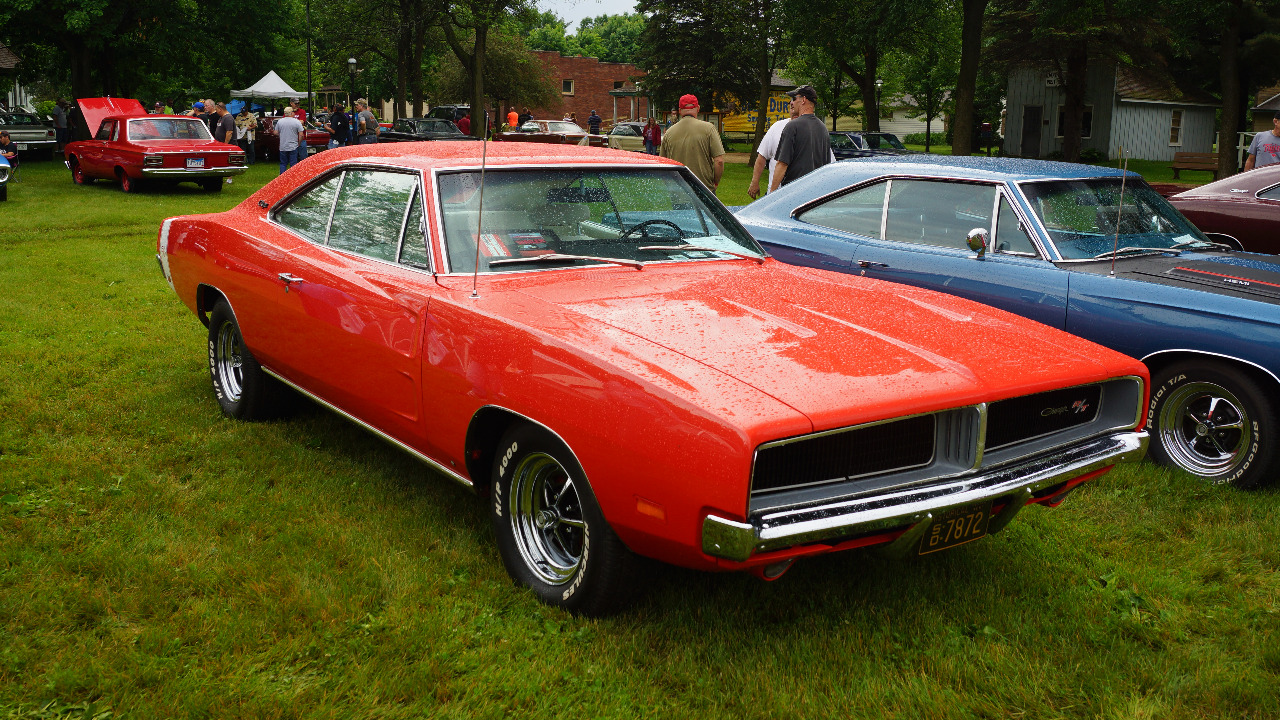
The ’69 Charger R/T benefits from a huge aftermarket scene. Parts like suspension kits, crate Hemis, and reproduction trim are widely available through suppliers like YearOne. You can rebuild a 440 V8 for ~$10,000 or swap in a modern 6.4L Hemi (~$15,000) for more power. Interior pieces, from seats to gauges, are easy to source. This support keeps restoration costs manageable—around $30,000–$50,000 for a solid project. The availability of parts ensures the Charger remains a practical classic to own and maintain.
Auction Market Strength
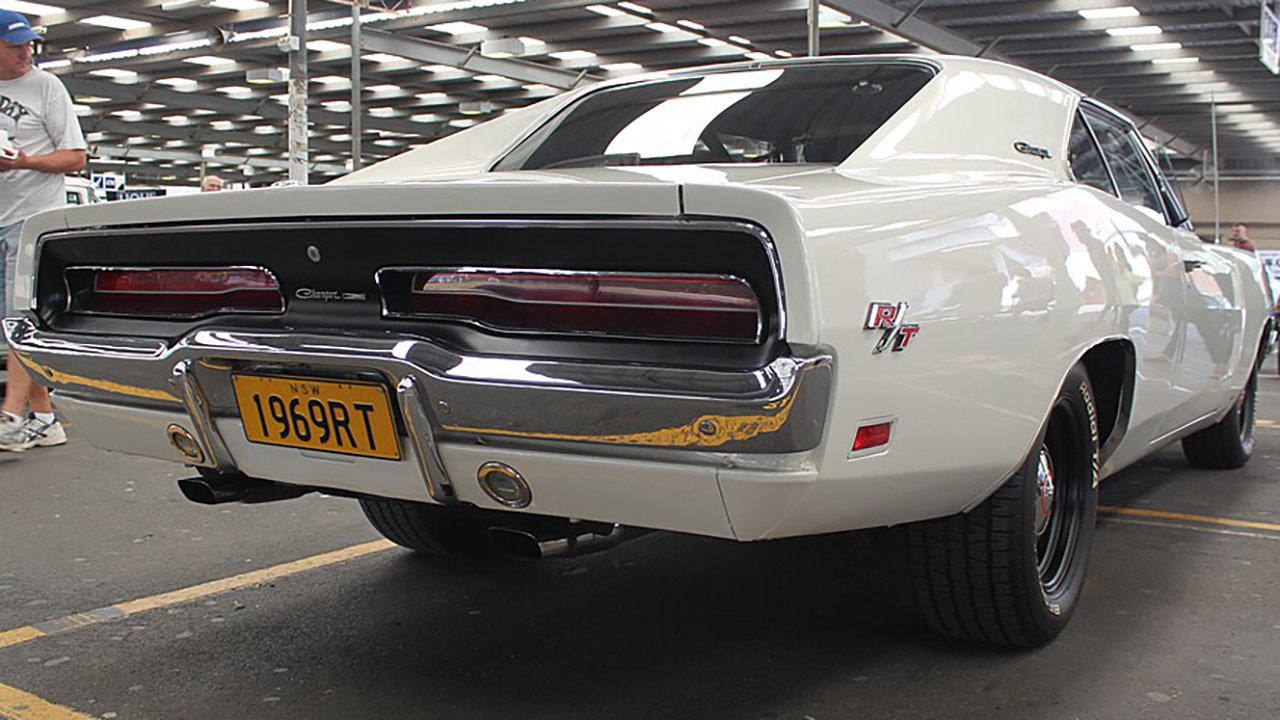
The ’69 Charger R/T’s value keeps climbing. Hemi models fetch $200,000–$300,000, while 440 R/Ts range from $60,000–$120,000, per recent Mecum and Barrett-Jackson sales. A General Lee replica sold for $110,000 in 2023. Only 20,100 R/Ts were made, with 432 Hemis (232 hardtops, 200 convertibles), driving rarity. Well-documented cars with original engines command premiums. The strong market reflects demand from collectors who see it as a safe investment, keeping its legacy alive at auctions and shows.
Versatile Performance Options
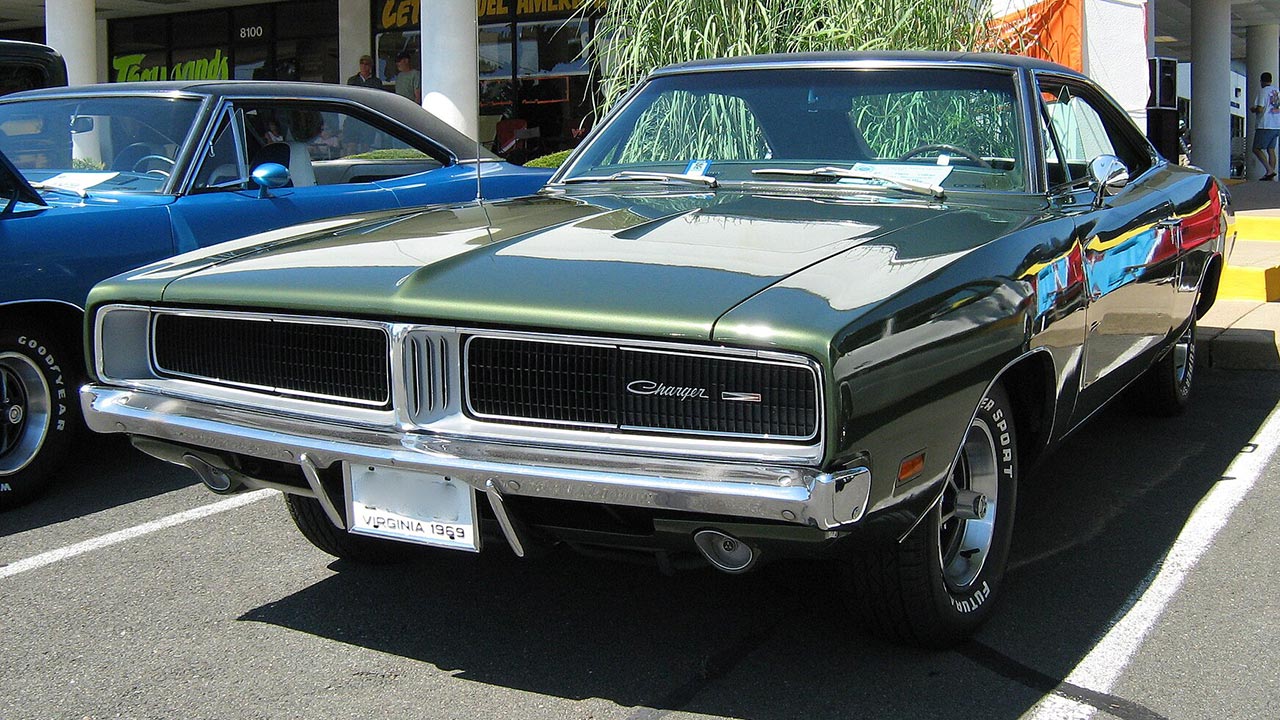
Beyond the Hemi and 440, the ’69 Charger R/T offered a 383 V8 (330 hp) in base models, though not badged as R/T. A 4-speed manual or 3-speed TorqueFlite gave flexibility, with gear ratios tuned for drag or highway. The R/T’s suspension—torsion bars up front, leaf springs in back—balanced handling and power delivery. Optional packages like the SE added luxury touches like chrome trim. This range of engines and setups means you can find a Charger that fits your driving style, from cruiser to quarter-mile beast.
Like Fast Lane Only’s content? Be sure to follow us.
Here’s more from us:
*Created with AI assistance and editor review.