When the 1972 DeTomaso Pantera rolled onto the scene, it wasn’t just another muscle car. It brought together Italian design flair with a solid American V8 in a way that few cars dared to. Even now, decades later, the Pantera stands out—not just for how it looks, but for how it drives and feels behind the wheel. This article breaks down what makes the ’72 Pantera still catch attention, from its engine and layout to the details that make it more than just a classic car.
1. Italian Design Meets American Power
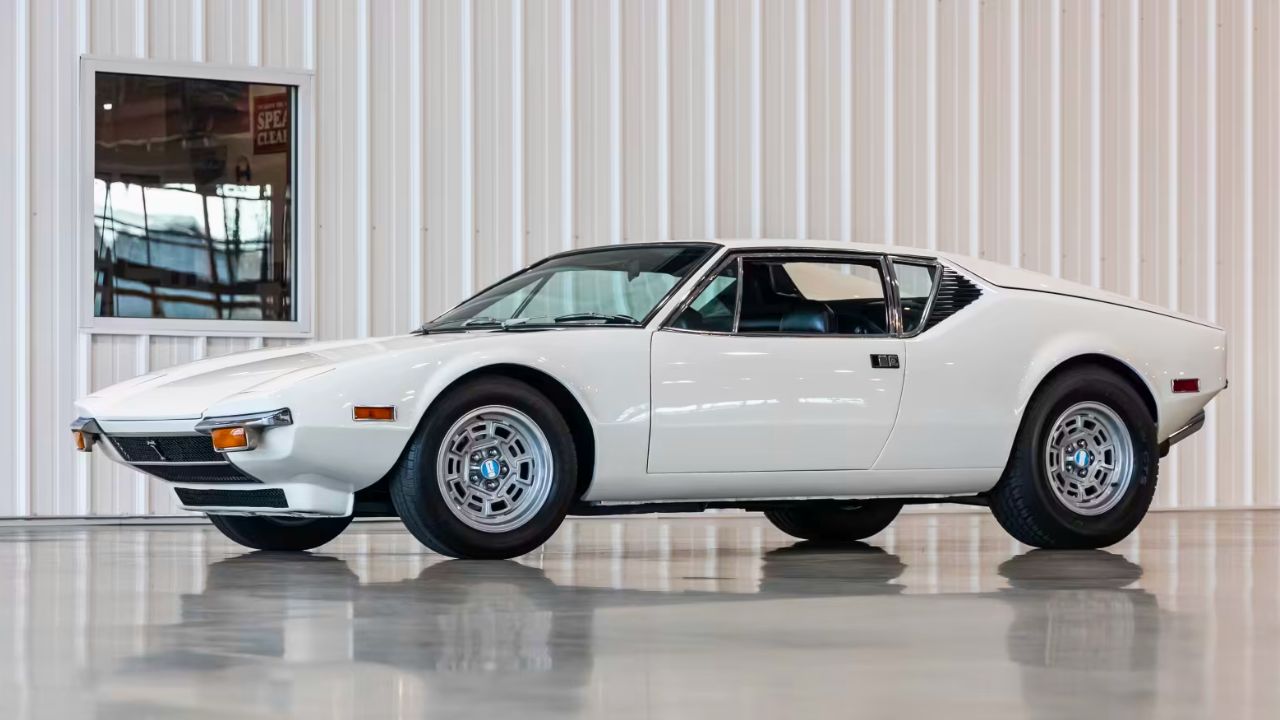
The ’72 Pantera was a rare combination of Italian styling and American muscle. Designed by Tom Tjaarda at Ghia, it featured sleek, low-slung lines that stood out in the early ’70s sports car scene. The sharp edges and clean profile gave it an aggressive yet elegant look that still feels modern today.
Under the hood, Ford’s 351 Cleveland V8 powered the car with 330 horsepower. This American heart gave the Pantera a solid punch, delivering strong acceleration and a throaty exhaust note that matched its sharp looks.
2. Ford 351 Cleveland V8 Engine Specs

The Pantera’s 351 Cleveland V8 was a 5.8-liter engine built for torque and power. It was rated at 330 hp and 320 lb-ft of torque, which was plenty to push the car from 0 to 60 mph in around 5.5 seconds—a quick sprint for its time.
This engine was paired with a 5-speed ZF manual transmission, giving drivers precise control over the power delivery. The combination balanced raw muscle with smooth gear changes, making it fun whether on a twisty backroad or open highway.
3. Mid-Engine Layout for Better Balance
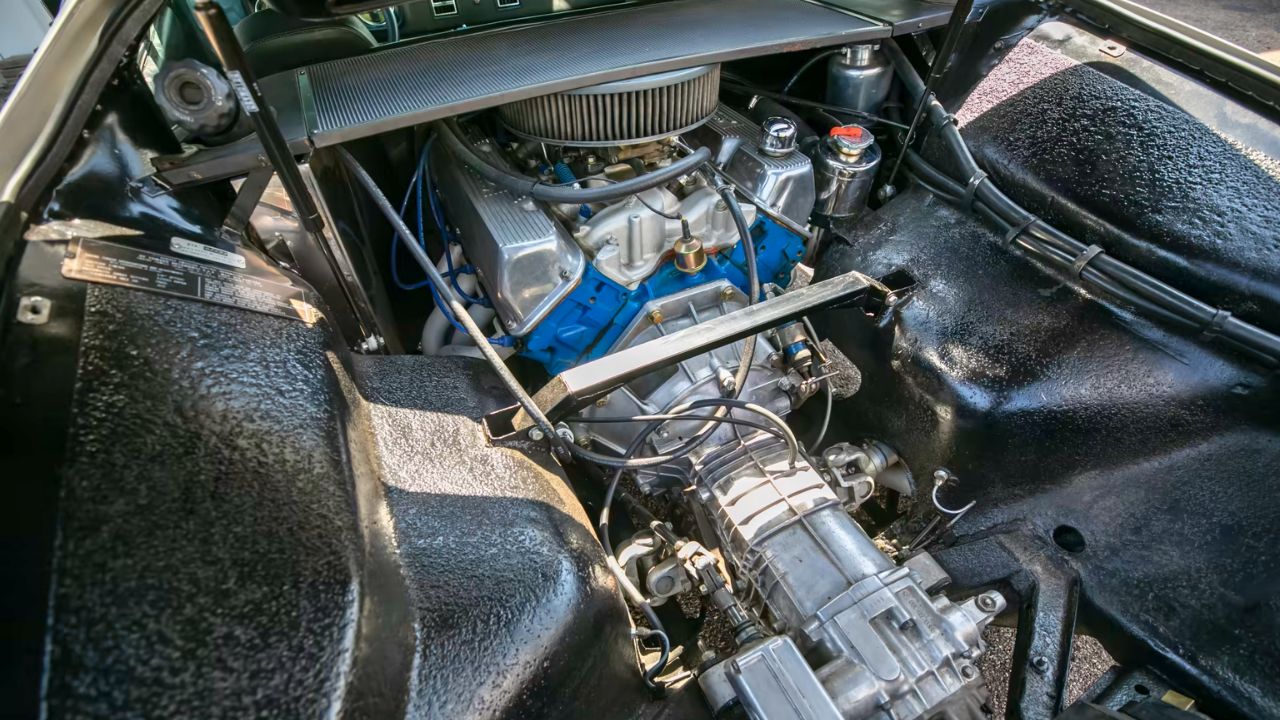
Unlike many American muscle cars of the era, the Pantera featured a mid-engine layout, placing the engine just behind the driver. This design helped with weight distribution, improving handling and cornering. The car didn’t feel front-heavy like traditional muscle cars, giving it a more composed feel on the road.
Mid-engine setups weren’t common in American cars back then, making the Pantera stand out even more. It gave the car a sharper driving experience that many European sports cars were known for, combining the best of both worlds.
4. Suspension Setup and Ride Quality
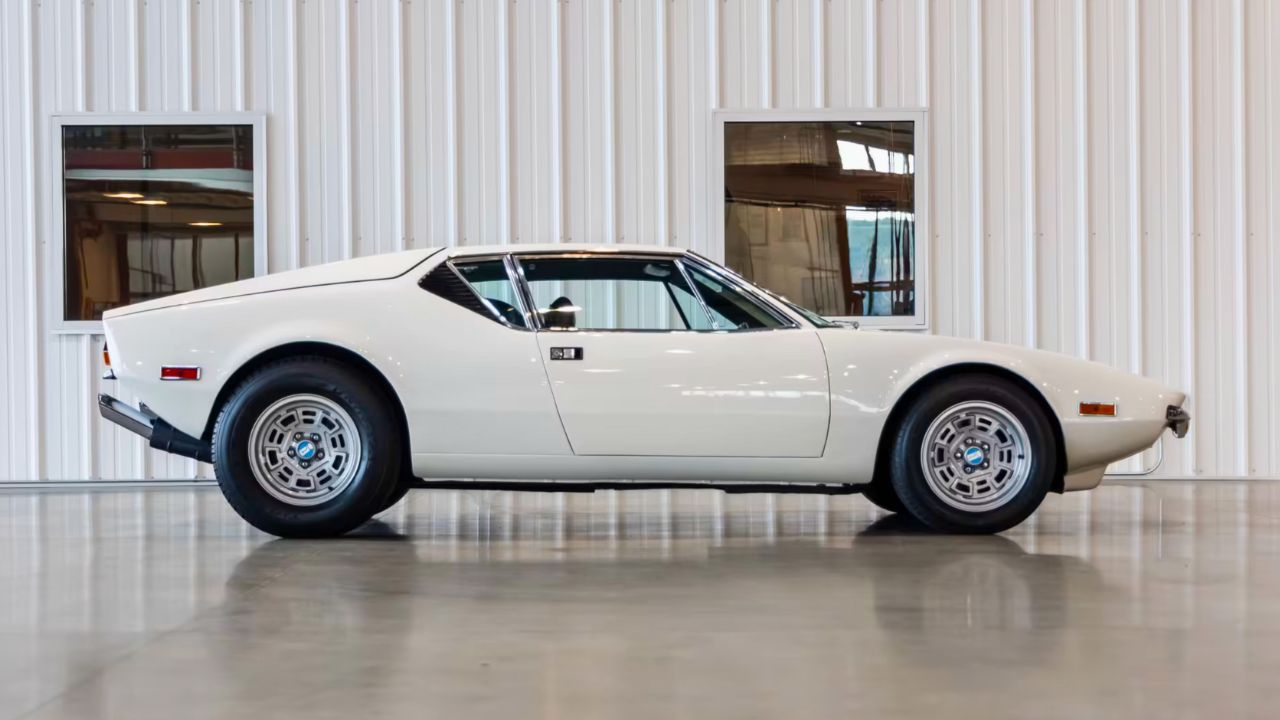
The Pantera used a front double wishbone suspension paired with coil springs, while the rear had a solid axle with leaf springs and a Watts linkage. This mix gave it a balance of ride comfort and handling grip, allowing it to tackle corners without being too harsh on uneven roads.
Though not as sophisticated as some European rivals, the suspension setup worked well for a car designed to be driven hard but still daily-drivable. The steering was quick and responsive, providing good feedback at speed without being twitchy.
5. Interior: Simple, Functional, and Driver-Focused
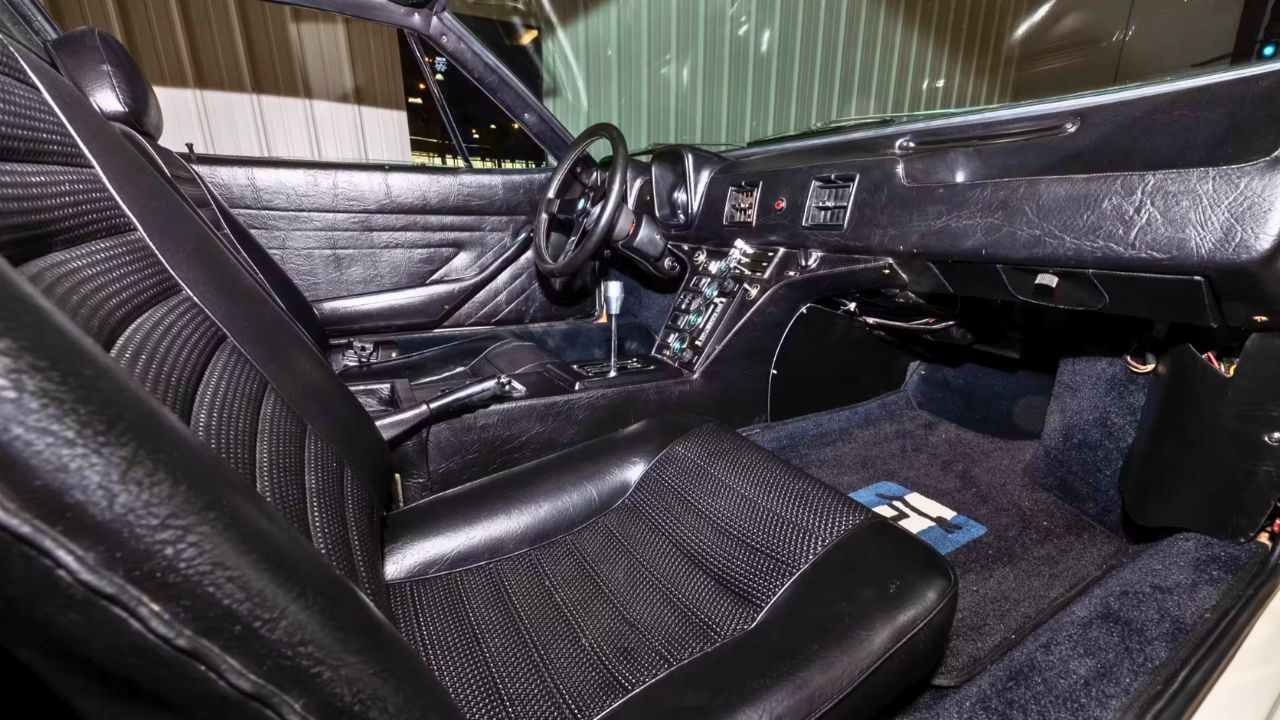
Inside, the ’72 Pantera had a straightforward layout, focusing on the essentials. The dashboard featured clean gauges in front of the driver, with controls within easy reach. The seats were low and supportive, emphasizing the car’s sporty nature without overdoing comfort.
Materials were basic by today’s standards, mostly vinyl and simple plastics, but the cabin had enough style to feel purposeful. The tight space matched the car’s compact dimensions, giving the driver a connected feeling to the machine.
6. Braking Performance with Disc Brakes
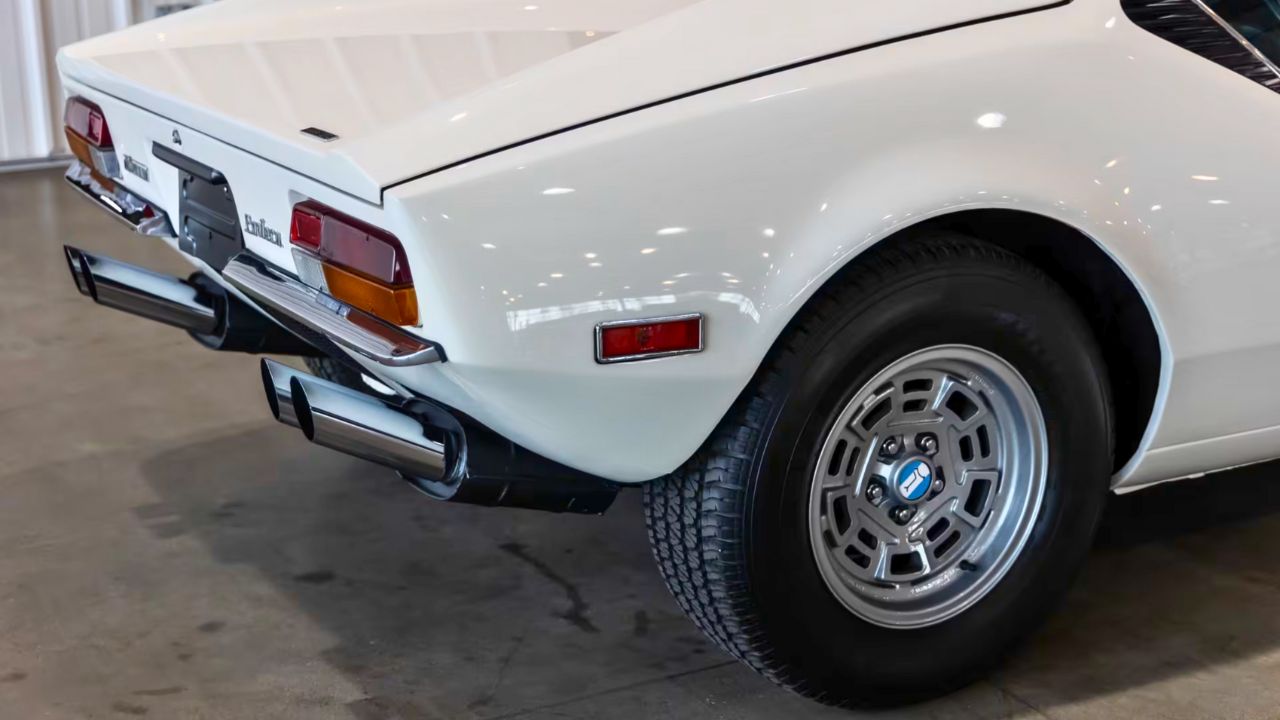
Stopping power came from four-wheel disc brakes, a notable feature for a car in 1972. The discs helped keep braking consistent and reduced fade during spirited driving. This was important given the Pantera’s ability to hit high speeds quickly.
The brakes gave the driver confidence, especially when entering tight corners or navigating steep descents. They contributed to the Pantera’s reputation as a sports car that could deliver both speed and control.
7. Production and Limited Numbers
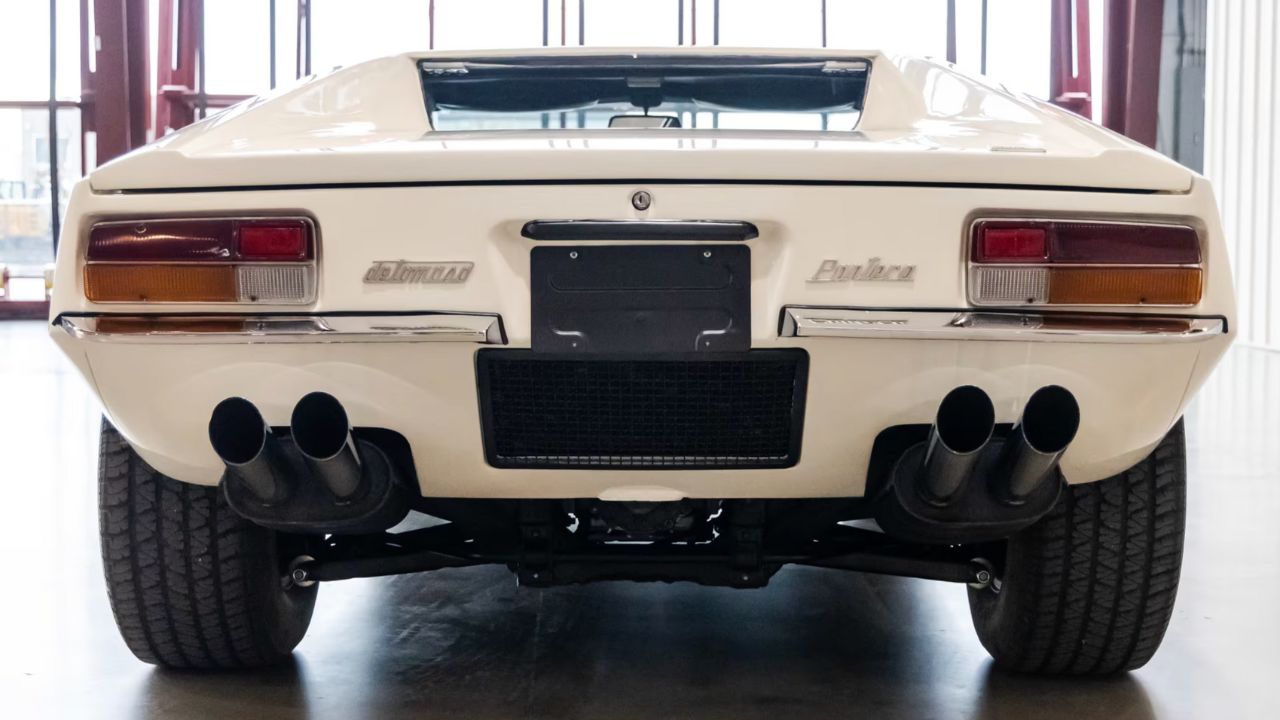
Only about 6,000 Panteras were produced between 1971 and 1974, making it a relatively rare sight on the road even at the time. DeTomaso, an Italian company, partnered with Ford to bring the car to market, mainly targeting the U.S. market with Ford’s powertrain and support.
Its limited production added to its appeal among collectors today, but back then, it was simply a well-made car that didn’t flood the market. This exclusivity helped maintain the Pantera’s unique place in the muscle and sports car landscape.
8. Unique Styling Details That Last
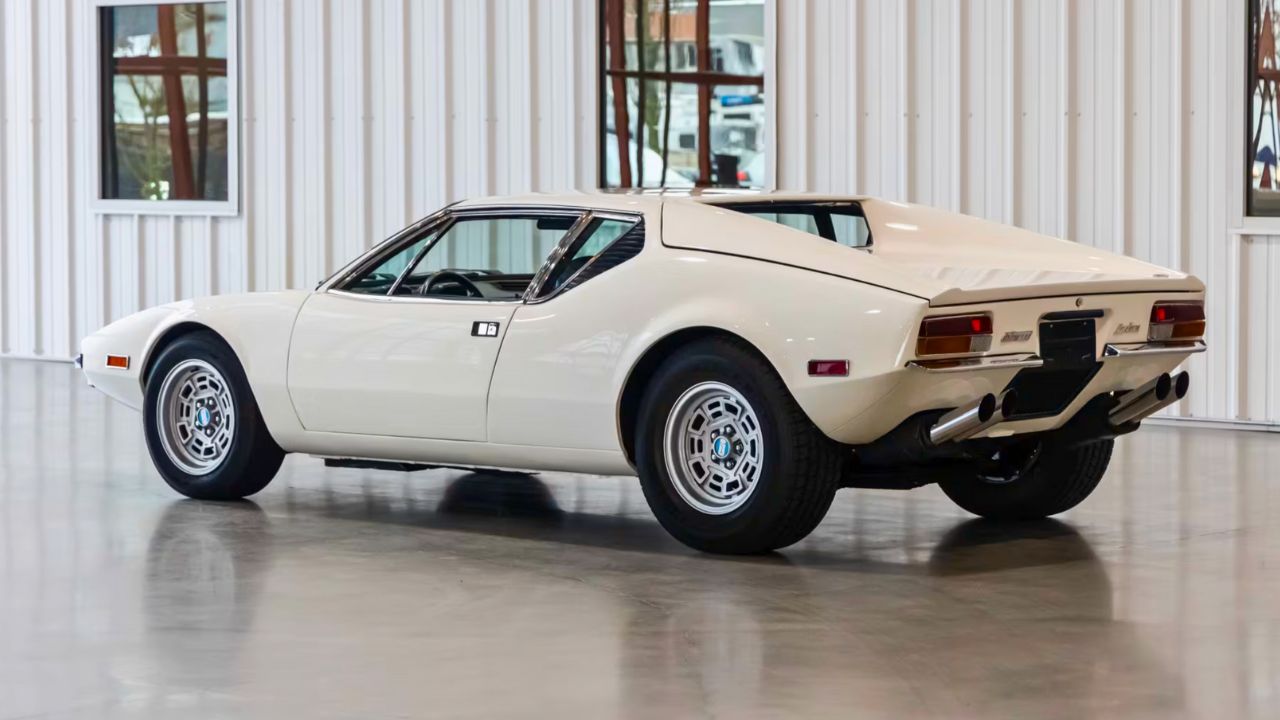
The ’72 Pantera’s styling included features like pop-up headlights, a sloping rear hatch, and large air intakes on the sides. These elements weren’t just for show; they helped with aerodynamics and cooling the mid-mounted engine.
Even decades later, those details still catch the eye. The design avoids flashy gimmicks and focuses on clean lines and purposeful shapes that don’t feel dated or overly complicated. It’s a look that balances function and style in a simple way.
9. Driving Experience: Raw and Engaging
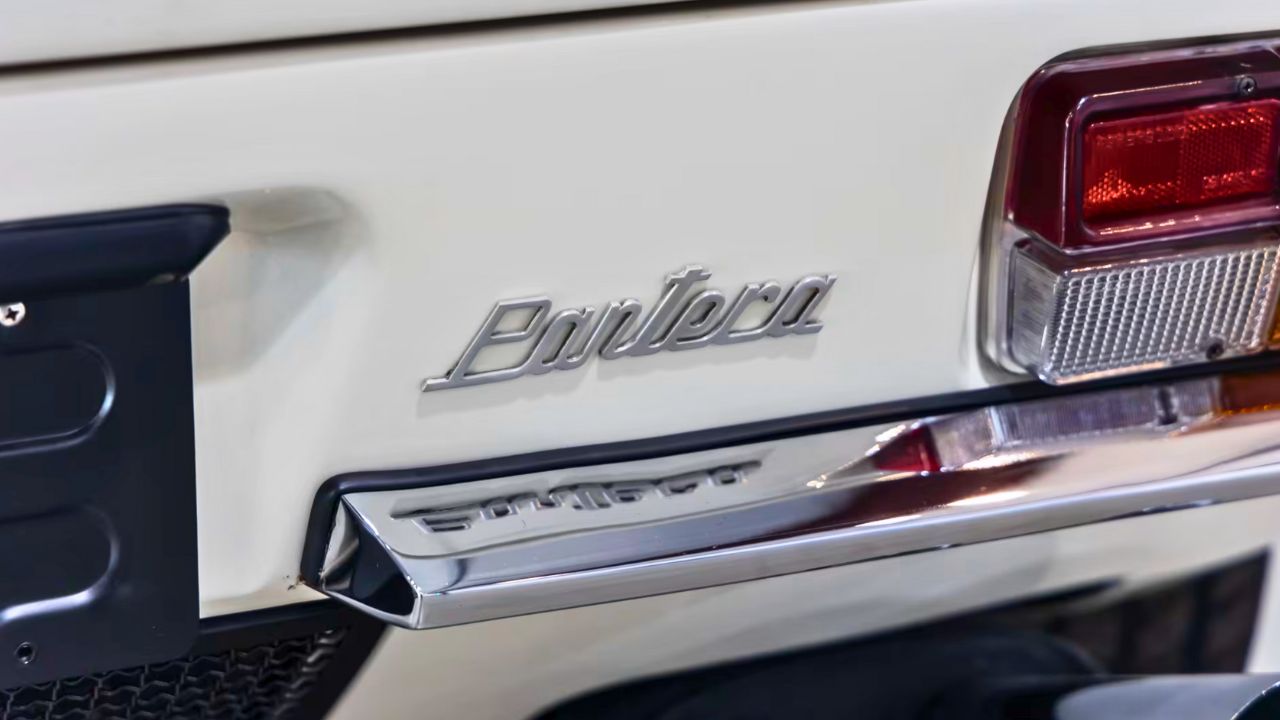
Driving the Pantera isn’t about electronic aids or cushy luxury. It’s a hands-on experience with direct steering, manual transmission, and a visceral engine sound. You feel the car’s power and weight as you push it through turns or open the throttle.
It’s not a refined cruiser, but that’s part of its appeal. The Pantera demands attention and focus, rewarding drivers who appreciate mechanical feedback and a solid connection to the road. It’s a car that’s easy to admire but harder to master.
10. Why It Still Matters Today
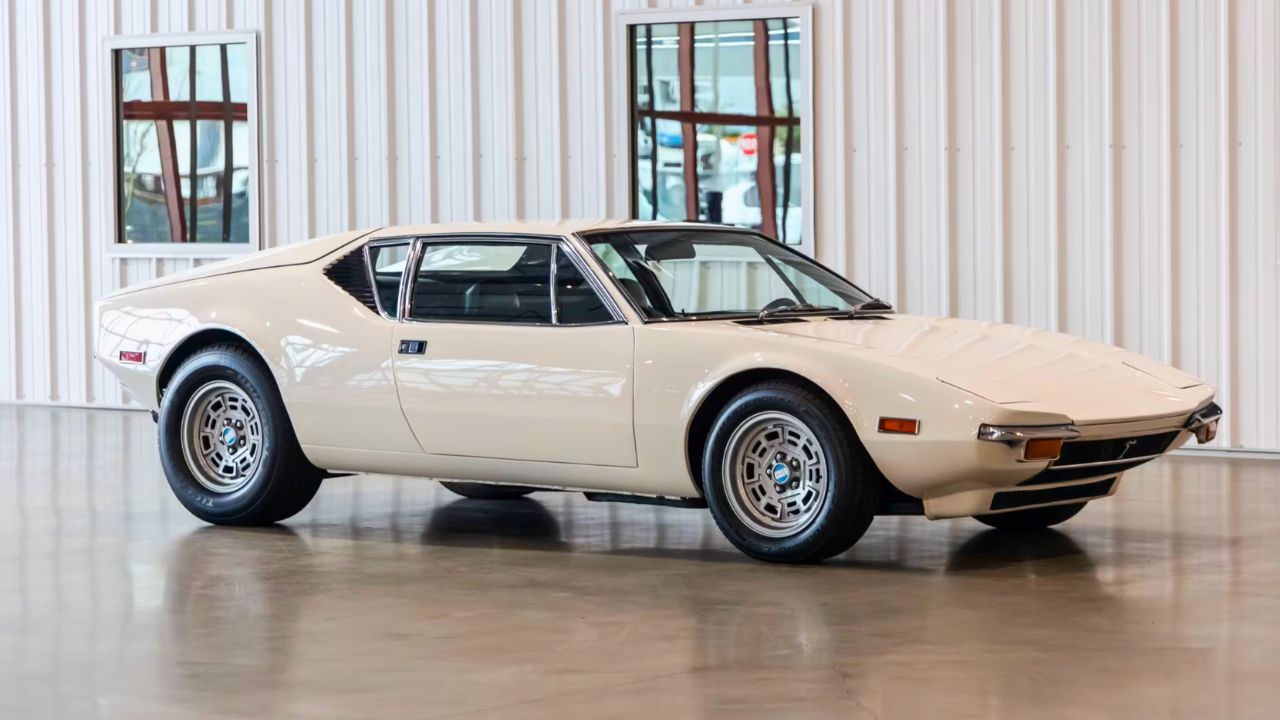
The ’72 Pantera remains relevant because it represents a bridge between muscle car brute force and European sports car finesse. It’s not just about straight-line speed, but how it handles and connects with the driver.
In a world of increasingly complex and computerized cars, the Pantera offers a refreshing, analog driving experience. It’s a reminder of a time when design and raw mechanics combined to create something that still turns heads decades later.
Like what you read? Here’s more by us:
*Created with AI assistance and editor review.