
The Camaro Z28 LT4 is suddenly everywhere in enthusiast circles because it sits at the crossroads of two powerful forces: the end of Chevrolet’s factory Camaro era and a wave of builder-driven LT4 swaps that keep the nameplate alive in garages and on tracks. As official production winds down, the idea of a Z28 powered by Chevrolet’s supercharged LT4 has become less a showroom promise and more a shared project for fans, tuners, and content creators.
Instead of waiting for a new factory model that is not on the books, owners are turning to crate engines, swap kits, and speculative renderings to build their own vision of a modern Z28 LT4. I see that shift as the real story behind the buzz: the car may be hypothetical, but the hardware, the culture, and the money flowing into LT4-powered Camaros are very real.
The LT4’s pull: why this engine became the focal point
The renewed attention around a Camaro Z28 LT4 starts with the engine itself. General Motors’ 6.2L V-8 LT4 SUPERCHARGED unit delivers 650 horsepower and 650 lb-ft of torque, driven by a 1.7L Eaton R1740 TVS supercharger that can spin at up to 20,000 rpm, according to the official LT4 SUPERCHARGED Features and Specifications The sheet. Those figures, certified in the Camaro, give the LT4 a kind of instant credibility that few other modern V-8s can match, and they make any hypothetical Z28 built around it sound plausible on paper even when no such production car exists.
That same spec sheet, which details the Eaton TVS hardware and the LT4’s torque plateau, has become a reference point for builders and commentators who want to ground their dream Z28 in real numbers rather than fantasy. When I look at how often enthusiasts cite the LT4’s 650 lb-ft rating or its compact supercharger packaging, it is clear that the engine’s documented Features and Specifications The are doing as much work as any marketing campaign. The LT4 is not just a concept, it is a crate engine and a known quantity, which makes it the natural heart of any conversation about a modern Z28, even if that conversation is happening in YouTube comments and shop bays rather than in a Chevrolet showroom.
No factory 2026 Camaro, but plenty of imagination
The surge in Z28 LT4 chatter has also been fueled by a wave of speculative videos and articles that treat a 2026 Camaro Z28 as a kind of “what if” case study. Clips from creators such as Car Beats walk through imagined specs, styling cues, and track hardware for a future Z28, often centering on a 650HP supercharged V8 and aggressive aerodynamics. Another video framed as a reveal leans into the same idea, describing a 650HP supercharged V8, an aggressive redesign, and track-ready aero as if they were part of a cohesive package, even though it is clear from the fine print that the content is not professional advice and is not presenting an official product.
It is important to separate that kind of enthusiast speculation from the actual product roadmap. Official information on the 2026 Chevrolet Camaro states that the 2026 Chevrolet Camaro does not exist, since the 2024 Camaro represented the final model year for the nameplate, and that Chevrolet has not announced any new Camaro in any segment or body style. That means every “2026 Camaro Z28” walkaround or render is, by definition, an exercise in imagination rather than a preview of a confirmed car. When I watch a creator describe a 650HP supercharged V8 and track-ready aerodynamics in a video titled as a reveal, I read it as a creative projection of what a Z28 LT4 could be, not as evidence that Chevrolet has quietly greenlit such a model. The official note that the Chevrolet Camaro ends with 2024 is the anchor that keeps this conversation grounded.
SEMA, swaps, and the rise of the LT4 Camaro build
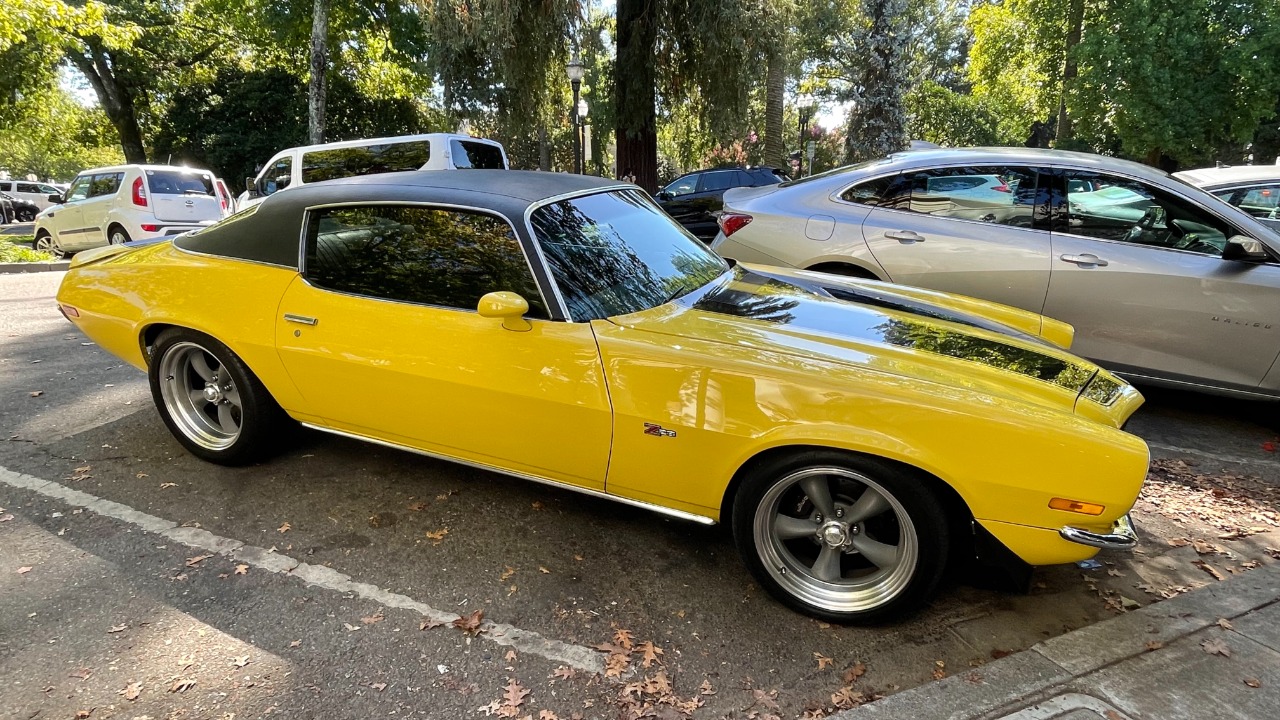
While the factory line has stopped, the aftermarket has been busy turning the LT4 into a plug-and-play solution for Camaro fans. At SEMA, Chevrolet Performance used a 1970 Camaro RS to showcase a supercharged LT4 crate motor, underscoring how the company itself sees the engine as a bridge between classic sheetmetal and modern power. That SEMA display, which put the LT4 crate motor alongside other performance engines, signaled that Chevrolet Performance is comfortable with enthusiasts dropping this SUPERCHARGED V-8 into older platforms rather than waiting for a new production car.
The same spirit is visible in more recent projects that focus on fourth-generation cars. In a clip tagged “Holley Just Made 4th-Gens Cool Again,” Rob sits down with Mark Gearhart from Holley to talk through LT swaps and swap essentials for older Camaros, turning what used to be a niche project into a mainstream path for owners. When I see a 4th-gen build framed as proof that “Gens Cool Again,” it is clear that the LT4 and its siblings are reshaping how people value these cars. The combination of SEMA-level crate support and detailed swap conversations from Rob and Mark Gearhart at Holley Just Made has turned the LT4 Camaro from a showroom fantasy into a driveway project that feels achievable.
Fourth-gen bargains and the Z28 LT4 “template”
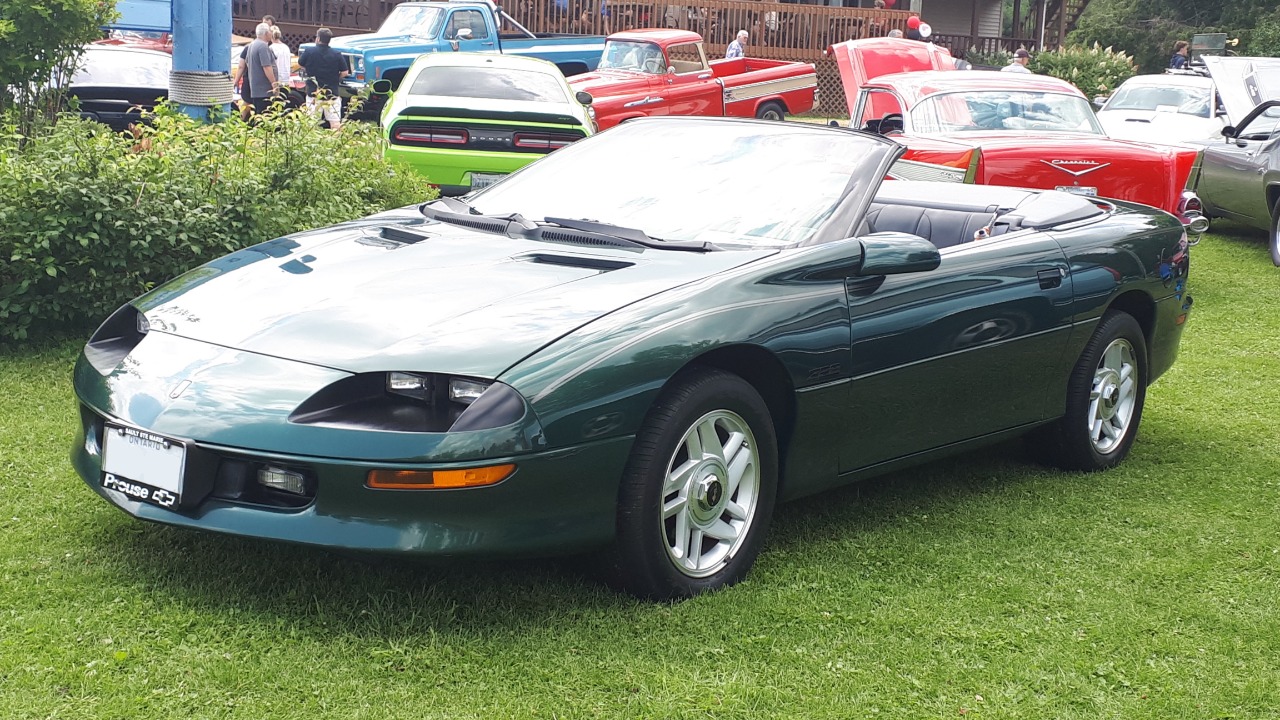
The other reason the Z28 LT4 idea has caught fire is that the donor cars have never been more accessible. The fourth-generation Chevrolet Camaro has quietly become one of the most affordable ways to buy into the American muscle car experience, with prices depressed in part because people do not want one compared with newer models. That gap between performance potential and market value is exactly what savvy builders look for, and it explains why so many LT4 swap conversations now start with a cheap fourth-gen shell.
When I look at used-market guides that describe the fourth-generation Chevrolet Camaro as a bargain American muscle platform, I see a blueprint for the grassroots Z28 LT4: buy low, invest in powertrain and chassis, and end up with performance that rivals far more expensive modern cars. The fact that a respected guide can call the fourth-generation Chevrolet Camaro one of the cheapest ways into American muscle helps explain why the Z28 LT4 concept is not just a thought experiment. It is a path that owners can follow today, using an LT4 crate motor, swap hardware, and a chassis that the market has undervalued.
Fan-built “Z28 LT4” narratives and the end of the gas era
As the official Camaro story winds down, fan sites and detailers have stepped in to frame a hypothetical 2026 Chevy Camaro Z28 as the last gas-powered Camaro and a closing chapter in the era of American muscle cars. One detailed FAQ explicitly states that the 2026 Z/28 is expected to be the final gas-powered Camaro and positions it as a farewell to a certain kind of performance car, even though that expectation is not backed by any production announcement. I read that FAQ as a reflection of how enthusiasts feel about the end of the line, not as a confirmation that a final Z28 is actually scheduled.
That emotional framing matters because it shapes how people talk about the Z28 LT4 idea. When a site describes the 2026 Chevy Camaro Z28 as the last gas-powered Camaro and ties it to the broader era of American muscle cars, it is capturing a mood that is very real, even if the car itself is not. The FAQ format, which includes questions like “Is the 2026 Camaro Z/28 the last gas-powered Camaro?” and answers with a clear “Yes,” shows how strongly some fans want a definitive sendoff. Yet when I set that against the official statement that there is no 2026 Camaro, it becomes clear that the “last gas-powered Camaro” is a narrative device rather than a product plan. The FAQ captures the longing, while the official product info sets the limits.
Giveaways, content, and the LT4 Camaro as media star
The Z28 LT4 buzz is not just about builds and speculation, it is also about how the Camaro has become a staple of online content and giveaways. One long-running channel that started back in 2017 has used an LT4 Camaro SS as a centerpiece for audience engagement, answering questions about the car and teasing future winners in a giveaway series. In a video that references the winner of RM27 and points to where that winner’s car will sit, the host uses the LT4 Camaro SS as both a performance benchmark and a marketing tool, reinforcing the idea that an LT4-powered Camaro is something aspirational and attainable through community participation.
That same dynamic shows up in more overtly speculative content that treats a 2026 Chevrolet Camaro Z/28 as a “monster reborn” or a game changer, even while acknowledging in disclaimers that the material is not professional advice. One video introduces a 2026 Chevrolet Camaro Z/28 as “the beast” and leans heavily on the LT4’s 650HP supercharged V8 and track-ready aerodynamics to build excitement, while another frames a 2026 Camaro Z28 as a game-changing reveal with a 650HP supercharged V8, aggressive redesign, and track-ready aero. In both cases, the LT4 Camaro is less a product and more a character in an ongoing media story, a role that keeps the Z28 LT4 concept in circulation even without factory backing. The giveaway host who talks about RM27 in an Aug video and the creators behind the Chevrolet Camaro “monster reborn” clip and the Mar “game changed” video are all tapping into the same appetite for an LT4-powered Camaro hero car, even if the hero exists only on screen.
Why the Z28 LT4 idea is sticking
Put together, these threads explain why the Camaro Z28 LT4 is suddenly getting so much attention despite the absence of a factory model. The LT4 itself is a proven, SUPERCHARGED engine with clear, published specs that make it easy to imagine in a track-focused Z28. SEMA builds and Holley-backed swap discussions have normalized the idea of dropping that engine into older Camaros, especially fourth-gen cars that the market currently undervalues. Enthusiast media, from FAQs to speculative videos, has filled the vacuum left by the end of official Camaro production with detailed fantasies of a 650HP, track-ready Z28 that could have been.
As I see it, the Z28 LT4 has become a kind of shared project between Chevrolet Performance, which supplies the hardware, and a community of builders and creators who supply the story. Officially, there is no 2026 Camaro and no announced Z28 LT4 package, a fact that is clearly spelled out in the product information. Unofficially, the idea of a Z28 powered by the LT4 is already alive in garages, on YouTube, and in the used-car listings for fourth-generation Camaros. That gap between what exists on paper and what exists in practice is exactly where modern car culture thrives, and it is why the Z28 LT4 conversation is unlikely to fade anytime soon.


Leave a Reply