
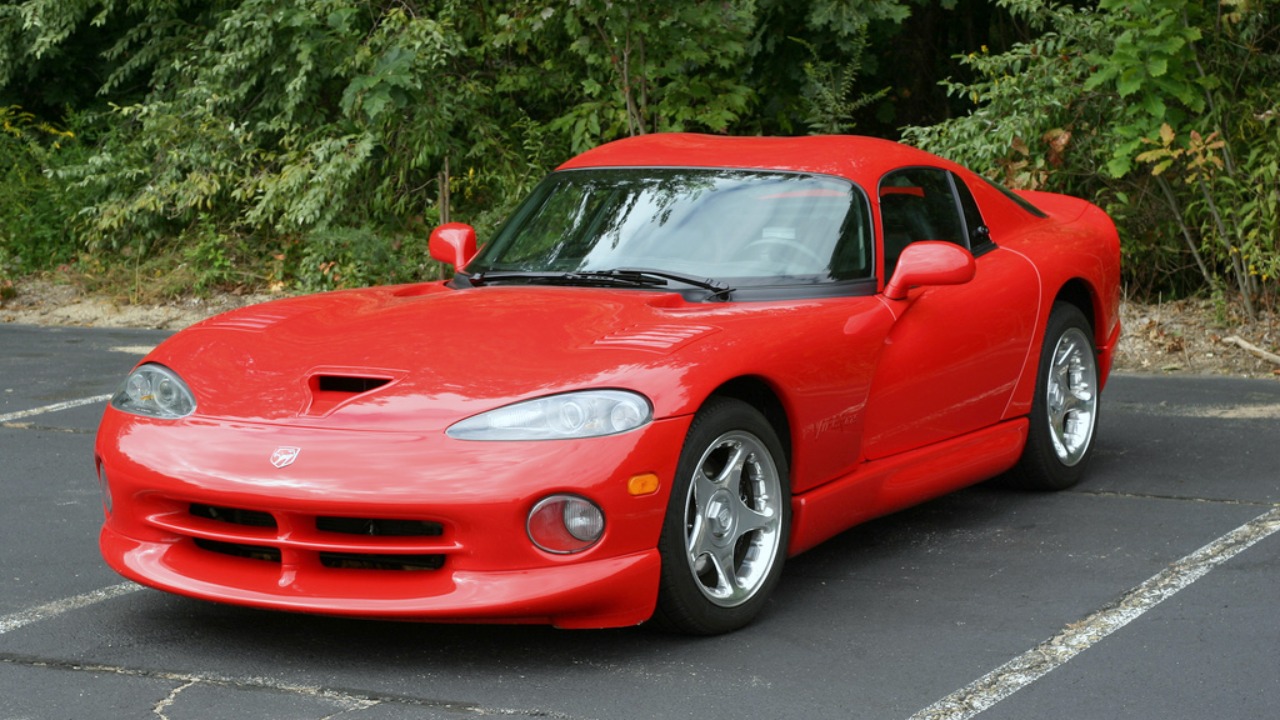
The Dodge Viper GTS has always been less a sports car and more a barely domesticated race machine, and that character has not mellowed with age. Even in an era of hybrid supercars and polished launch-control theatrics, the Viper’s mix of brutal power, sparse driver aids and unforgiving dynamics still feels raw enough to unsettle seasoned drivers. I set out to understand why this coupe, decades after its debut, continues to come across as untamed and angry every time someone twists the key.
The Viper GTS was engineered to intimidate, not reassure
The starting point for the Viper GTS’s feral personality is its basic concept: a massive V10 in a relatively simple chassis, with very little standing between the driver and the consequences of a mistake. Early versions of the Dodge Viper were notorious for having no traction control or stability systems, and that absence was not an oversight but a philosophy that defined it as a driver’s car that demanded skill. That same mindset carried into the GTS, which layered a more refined body over hardware that still expected the person behind the wheel to manage weight transfer, throttle and grip the old fashioned way.
That intent helps explain why the Dodge Viper terrified even experienced enthusiasts when it arrived in the early 1990s with a huge 8‑liter engine and a chassis that, as one account puts it, simply wasn’t built for everyone. The GTS that followed kept that core recipe, turning the car into a paradox: a straightforward machine that delivers brutal power and, at the same time, an object of poster‑worthy desire for people who grew up idolizing its blue‑and‑white silhouette. One description of The Dodge Viper GTS captures that contradiction directly, calling it both brutally simple and a dream‑garage centerpiece, which is exactly the tension that keeps it feeling so volatile.
Analog controls keep every input loud and unforgiving
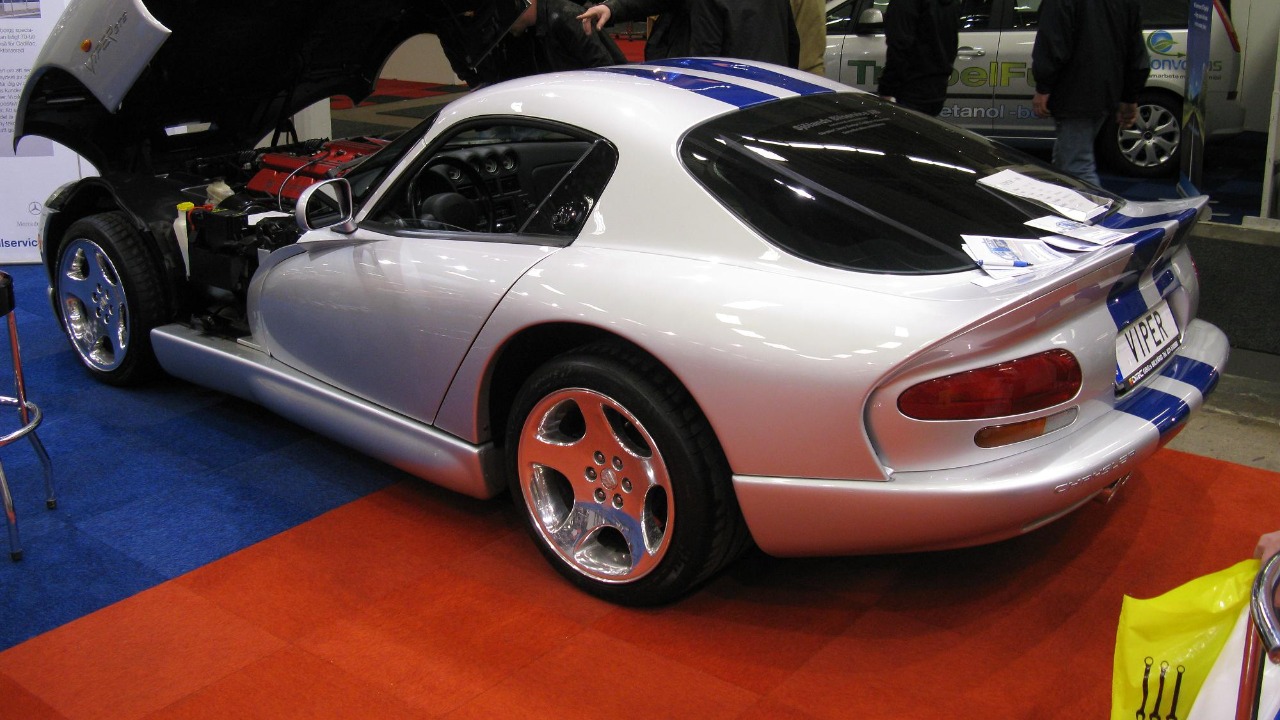
Where modern supercars filter and smooth the driver’s actions, the Viper GTS amplifies them. Owners who have lived with a Viper describe the car’s behavior in stark terms, warning that you must remember the Car behavior you are dealing with does not include ABS, traction control or stability control. That lack of electronic safety net means every brake application and steering correction is a direct negotiation with physics, not a request that software quietly tidies up in the background.
Even the basic act of changing gears feels unruly. One vivid description of a Gen 2 car notes that first gear feels like it is somewhere under the hood and second like it is back by the rear bumper, with Shifting compared to dragging a metal rod through gravel. That kind of mechanical resistance is the opposite of the slick, short‑throw shifters in many contemporary performance cars, and it reinforces the sense that the Viper expects effort and precision from its driver at all times. The result is a cockpit that feels more like a workshop of levers and pedals than a curated luxury space, which keeps the car’s temperament front and center.
Power delivery that feels more like a threat than a promise
The Viper’s V10 does not just produce big numbers, it delivers them in a way that can feel almost confrontational. Enthusiasts who have bought a Gen 2 car talk about the reasons they connect with the Viper, and high on that list is unfiltered power that arrives without the softening of turbo lag or complex hybrid systems. The engine’s broad torque band means that even modest throttle openings can overwhelm the rear tires if the surface is less than ideal, which keeps the driver in a constant state of alertness.
Later versions did not exactly calm things down. A 2017 Dodge Viper with its 8.4‑liter V10 is described as raw, untamed power in its purest form, a car that devours corners like it is possessed and was limited to just 2,000 examples. That scarcity adds to the mystique, but the more important detail is that the fundamental character of the engine remained aggressive, with a huge displacement and immediate response that made the car feel more like a track refugee than a road‑going grand tourer. When a car’s powertrain is framed as a beast rather than a tool, it is no surprise that it still comes across as angry every time it fires up.
Handling that punishes complacency
Much of the Viper GTS’s reputation for being difficult stems from how it behaves at and beyond the limit. Some owners push back on the idea that the car has inherently poor handling, arguing that the real issue is that if you are not smooth and deliberate, you’re probably spinning out. That perspective reframes the car as one that can be precise and rewarding in the right hands, but unforgiving when driven with the kind of casual aggression that modern stability systems often allow.
Even professional reviewers who spend time in a fifth‑generation Viper GTS emphasize how quickly the car reacts to inputs and how narrow the margin can feel between a clean corner and a lurid slide. The long hood, rear‑drive layout and heavy engine over the front axle create a balance that demands respect, particularly on uneven or unfamiliar roads. When a car’s chassis is tuned to respond instantly and there is little electronic intervention to catch a slide, the handling does not just feel sharp, it feels like it is constantly testing whether the driver is truly paying attention.
A driving experience that divides even passionate enthusiasts
The Viper GTS is one of the rare cars that enthusiasts describe in almost contradictory terms, often in the same breath. One review of the coupe notes that there is no doubt about it, the Dodge SRT Viper has stomped over the competition, while also pointing out that The Dodge offers not much in terms of electronic nannies. That combination of dominance and minimal assistance is exactly what makes the car so polarizing: it can feel unbeatable in the right conditions, yet exhausting or even frightening in the wrong ones.
Another perspective frames the car more bluntly, noting that it is not for everyone and that some people absolutely despise it while others would sell a kidney to own one, a sentiment captured in a list of 10 reasons you might not want to buy a Viper. That split reaction is not just about comfort or practicality, it is about temperament. For drivers who want a car that flatters them, the Viper’s constant demands can feel like a rebuke. For those who crave a challenge, the same traits read as authenticity, a refusal to compromise that keeps the experience intense long after the novelty of ownership wears off.
Culture, legend and the Viper’s refusal to grow up
Part of why the Viper GTS still feels so wild is the mythology that has grown around it. Coverage of the model’s production run notes that All the while, the Viper (Dodge Viper) was a car that made no apologies for its brutish performance, with Early cars having no electronic driver aids and a reputation that left people loving and fearing it in equal measure. That narrative has not faded with time; if anything, it has hardened into legend as the industry has moved toward quieter, more efficient and more automated performance machines.
Even outside the Viper world, modern performance culture underscores how unusual that stance has become. In a recent drag race between two generations of Porsche 911, one driver remarks, Yeah you have plenty of experience but so have I, and that it will all come down to skill rather than technology. The Viper GTS embodies that idea more completely than almost any modern rival, yet it does so without the layers of assistance that even track‑focused Porsches now carry. That contrast keeps the Viper feeling like a relic from a more dangerous era, one that never quite learned to behave.
Why the GTS still feels like a fight every time you drive it
When I look across the accounts from owners, reviewers and fans, a pattern emerges: the Viper GTS is not just fast, it is confrontational in how it delivers that speed. One reviewer addressing the car directly jokes that it has a reputation for being a wild child and tries to come to an understanding with it, a tone that captures how personal the relationship becomes when you drive an Affordable Dream Car that constantly threatens to bite. That sense of negotiation is rare in modern performance cars, which are usually engineered to make their drivers look and feel like heroes.
Even among people who adore the car, there is an acknowledgment that it demands respect every time you climb in. One owner who bought a Gen 2 model talks about the reasons he connects with it, highlighting the analog feel and unfiltered power, and adds that Plus the visceral driving experience is exactly what he was looking for. That is the core of why the GTS still feels so untamed: it was built for people who want a car that pushes back, and it has never really stopped doing that, even as the rest of the performance world has learned to smile for the cameras.


Leave a Reply