
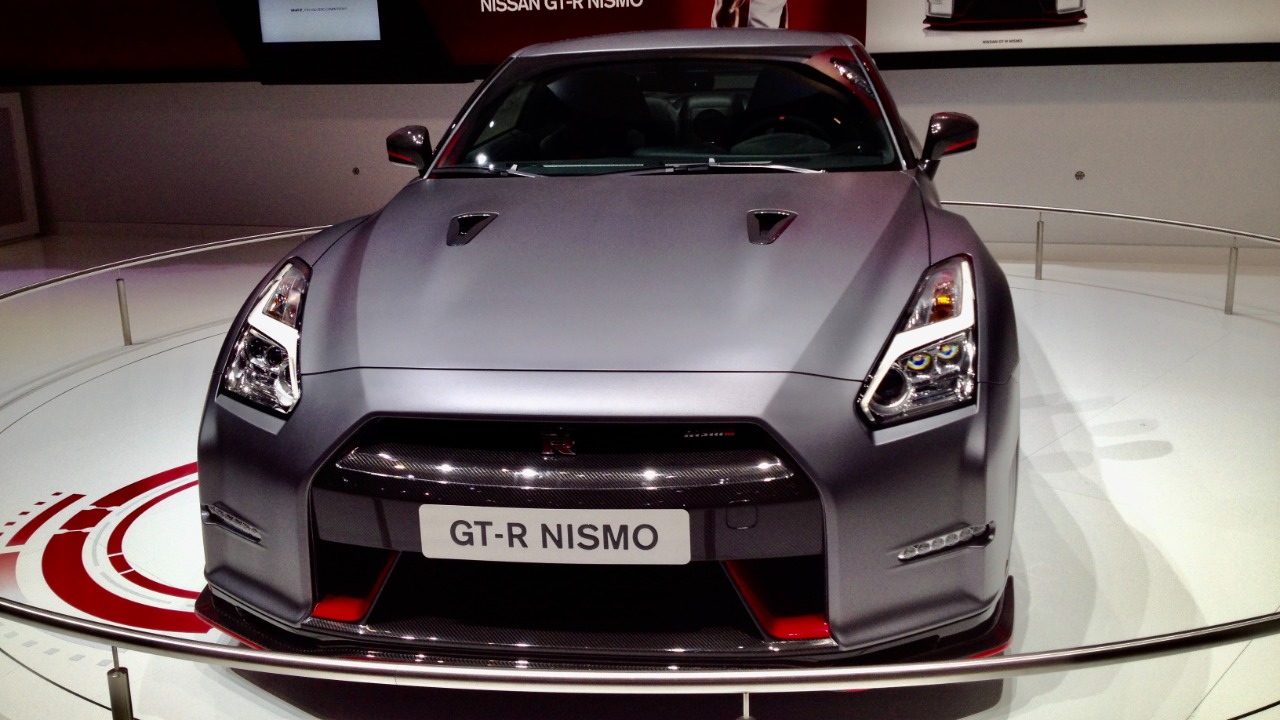
The Nissan GT-R Nismo has spent nearly two decades embarrassing cars that cost far more, and it still shows up to a track day ready to trade punches with the latest hardware. Rather than chasing every styling fad or power war headline, it keeps refining a core recipe of brutal traction, clever electronics, and obsessive detail work. That is how a car born in the late 2000s continues to feel like a live threat in 2025’s supercar arena.
In a segment defined by constant reinvention, the GT-R Nismo survives by getting smarter, lighter, and sharper instead of simply louder. I see it as a rolling case study in incremental engineering, where each revision quietly tightens the screws on grip, braking, and response until the whole package hits far above its price and age.
Godzilla’s legacy and the “above its weight” problem
The GT-R earned its “Godzilla” nickname by routinely humiliating more exotic rivals, and the Nismo version doubles down on that reputation. Since the original R35 arrived, it has been framed as a nightmare for traditional supercars, a car that could chase down far pricier machinery on road and track. Reports on Nissan GT performance still describe it as a benchmark that forces brands from Europe and America to justify their price tags.
That context matters when I talk about the Nismo punching above its class, because the baseline GT-R already starts from a place of overachievement. The car’s all-wheel-drive system, twin-turbo V6, and aggressive aerodynamics were designed to let it run with the world’s best, not just other Japanese sports cars. In that environment, the Nismo package is less a special edition and more a factory-sanctioned escalation, taking the “Nissan GT vs. The World, Why Godzilla Still Wins” narrative and turning it into a focused track weapon that still works on real roads.
Electronics and dynamics that do the dirty work
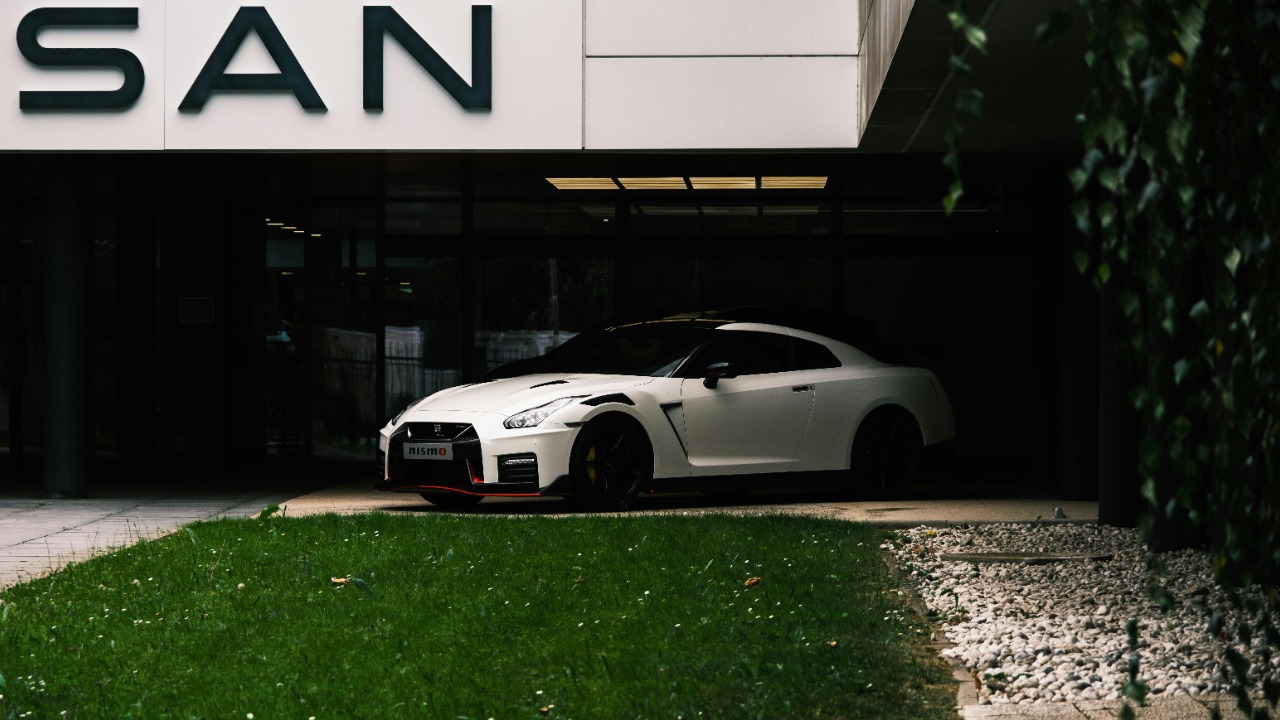
Underneath the folklore, the GT-R Nismo’s secret weapon is how ruthlessly its electronics manage grip and balance. The car’s Vehicle Dynamic Control system constantly shuffles torque and braking to keep the chassis composed, which is a big reason the broader Nissan GT family is counted among the fastest road-legal cars. Technical breakdowns of Nissan GT tech and aerodynamics highlight how that control software is tuned for optimal performance in all conditions, not just perfect tarmac.
From behind the wheel, that translates into a car that lets an ordinary driver lean on extraordinary capability. I can brake later, get on the power earlier, and trust that the all-wheel-drive system will claw the car out of a corner with minimal drama. The Nismo tune sharpens those instincts, pairing the electronics with stiffer suspension, stickier tires, and more aggressive aero so the computers have even more grip to work with. It is not magic, but it can feel that way when the car simply refuses to understeer off line or spin up its rear tires where rear-drive rivals would be fighting for traction.
Aerodynamics and carbon that make every lap count
Where many supercars lean on headline horsepower, the GT-R Nismo leans on airflow and materials science. The factory describes its bodywork as “enhanced aerodynamics,” with a front fascia, side sills, rear diffuser, and wing all shaped to increase downforce and stability at speed. Official specs for the 2024 Nissan GT-R NISMO High Performance Sports Car emphasize how this aero package works with a Nissan/Brembo Carbon Ceramic Braking System, which uses Increasing friction and heat capacity to keep lap times consistent over long sessions.
The body itself is laced with carbon-fiber components that cut weight while adding rigidity. The Nismo Edition of the GT-R, often billed as “The Nissan Supercar,” features a liberal use of carbon in its hood, roof, trunk lid, and aerodynamic add-ons, a strategy that the manufacturer notes is the result of massive research, engineering, and testing poured into the performance of this vehicle. Dealer literature on the Nismo Edition underscores how that material mix is not cosmetic; it is there to lower the center of gravity and sharpen response, which is exactly what you feel when the car changes direction with an eagerness that belies its size.
Purpose-built Nismo hardware: brakes, weight, and aero focus
The Nismo badge is not just a styling exercise, it is a signal that the car has been reworked by Nissan’s in-house motorsport arm with track use in mind. One of the clearest examples is the brake package. A detailed first drive of the 2020 Nissan GT-R NISMO notes that the bulk of the 66-pound reduction in weight over the previous NISMO is down to Massive carbon-ceramic rotors and calipers, which not only cut unsprung mass but also maintain performance under extreme braking conditions.
That kind of targeted weight loss matters more than a big headline power bump. Shedding pounds from the wheels and brakes lets the suspension react faster, improves ride quality on rough circuits, and reduces fade when you are deep into a track session. It is the sort of change that does not show up in a spec-sheet drag race but absolutely shows up in lap consistency and driver confidence. When I talk about the GT-R Nismo hitting above its class, I am really talking about this kind of motorsport-grade hardware being baked into a road car that still has four seats and a usable trunk.
Grip, traction, and the “Godzilla” feel
Ask anyone who has chased a GT-R on a back road and they will talk about grip long before they mention power. One deep dive into the car’s technology describes its traction as “massive, almost unparalleled” this side of a Bugatti Veyron, a comparison that underlines just how much mechanical and electronic grip the platform can generate. That is the foundation on which the Nismo variant builds, using more aggressive tires, stiffer bushings, and revised damping to turn that raw traction into cornering speed.
The Nismo-specific aero and suspension tuning are designed to keep that grip accessible, not just theoretical. Nissan’s own interactive materials on what are gt-r nismo aerodynamics explain how a combination of advanced design and ultra-lightweight carbon-fiber components creates a supercar that prioritizes immediate response, with GT-R drive coming first and foremost. In practice, that means the car feels keyed into your inputs, with the chassis settling quickly after each steering or braking command so you can stack corners together without waiting for the body to calm down.
Engineering obsession: tires, rigidity, and analysis
Beyond the headline parts, the GT-R Nismo benefits from a level of engineering obsession that is easy to overlook. The car rides on a high-performance tire that was developed as a perfect partner for the chassis, using supercomputer analysis to shape a wider contact patch and more progressive breakaway. Nissan’s own Nismo brochure notes that this tire development goes hand in hand with increased body shell rigidity, a combination that lets the suspension do its job more precisely. The description of that “perfect partner” tire and the supporting analysis work underline how much effort goes into parts most owners will never see.
That same mindset shows up in the exhaust, where the Nismo spec offers a $12,900 titanium system that saves weight and withstands extreme heat. Coverage of the car’s engineering highlights how You have read correctly, the optional exhaust only available on the Nismo spec Nissan GT costs as much as an entire used sports car. I see that price tag not as a gimmick but as a signal of priorities: shaving kilos from high-up components and improving flow at sustained high load are the kinds of marginal gains that matter when you are chasing tenths, and they are exactly the sort of details that let the GT-R Nismo keep trading blows with newer, flashier rivals.
Why it still matters in a changing supercar world
In an era when many performance cars are pivoting toward hybrid systems and ever more complex interfaces, the GT-R Nismo feels almost old-school in its focus on raw speed and feedback. Yet that is precisely why it continues to overperform. The car’s blend of all-wheel-drive traction, carefully honed aerodynamics, and motorsport-derived hardware lets it deliver lap times and real-world pace that embarrass more modern, more expensive machines. The story of Aug, Nissan GT, The World, Why, Godzilla, Still Wins is not nostalgia, it is a reflection of how a clear engineering mission can outlast fashion cycles.
From the meaning of What Does GT in Nissan GT Stand For to the way Handling, Nissan, Brembo, and Carbon Ceramic Braking System technology has evolved, the GT-R Nismo represents a continuous thread of performance thinking rather than a clean-sheet reboot every few years. I see that continuity as its greatest strength. By relentlessly refining the same core platform with smarter electronics, lighter materials, and deeper analysis, Nissan has created a car that still lands punches far above its nominal class, and that remains one of the purest expressions of accessible, repeatable speed on sale today.

Leave a Reply