
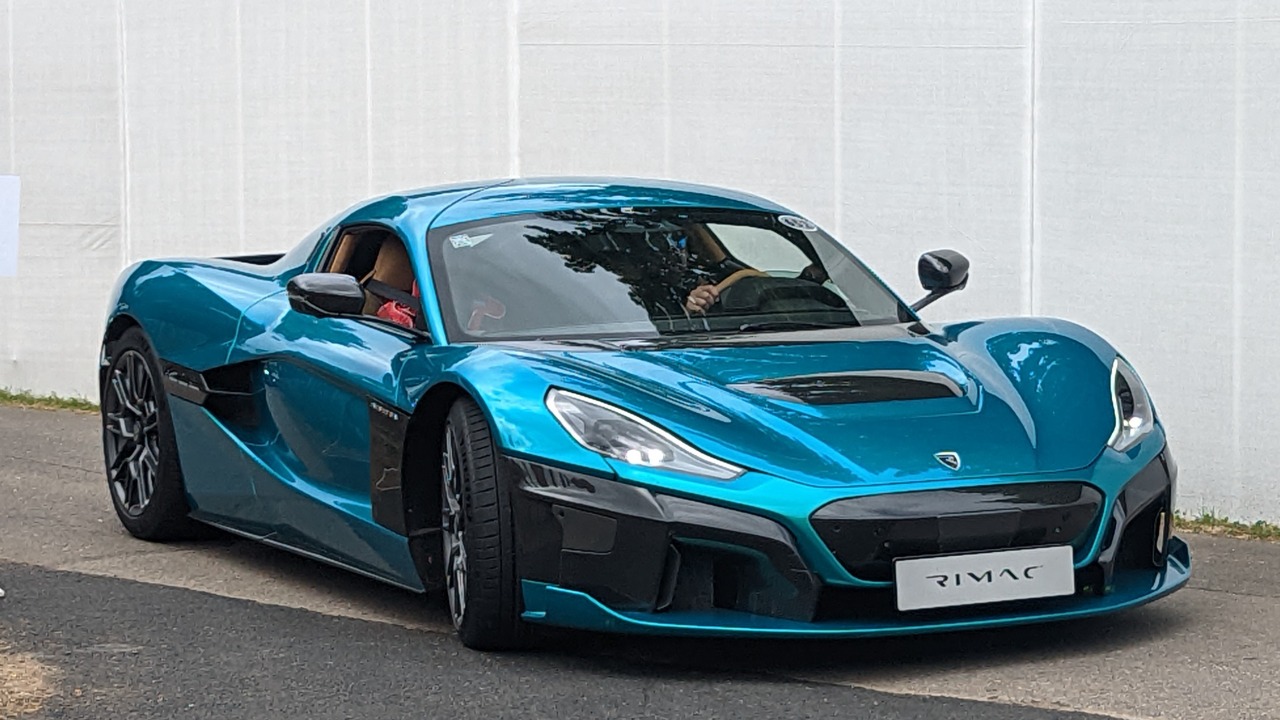
The Rimac Nevera has not just nudged the performance bar higher, it has treated the record books like a to-do list. From brutal acceleration runs to surreal feats in reverse, this Croatian hypercar keeps turning engineering theory into stopwatch-verified reality. I see a pattern emerging: every time rivals catch up to its last benchmark, the Nevera family quietly arrives with a new set of numbers that reset what an electric car, or any car, is supposed to be.
That relentless escalation is not an accident. It is the product of a company, Rimac, that treats the Nevera as a rolling lab for electric performance, software, and aerodynamics, then proves each upgrade in public with timed, independently measured runs. The result is a car that keeps rewriting expectations for speed, control, and even direction of travel, and a brand that has learned to turn each record into a statement about where high performance is heading next.
The original Nevera’s record spree
When I look back at the first wave of Nevera headlines, what stands out is how quickly the car went from promising prototype to verified record machine. Rimac did not settle for one or two bragging rights; the company lined up a Rimac Nevera in a special livery created by its own design team and used it to collect an astonishing 23 performance records in a single day, treating a full suite of acceleration and braking tests as a single, orchestrated demonstration of capability. That run turned the Nevera from an intriguing EV into a reference point for what a battery-powered hypercar could do, and it did so under the full glare of timing equipment and cameras that left little room for doubt about the numbers Rimac Nevera.
Those early tests did more than fill a press release; they reframed how I think about electric acceleration. The Nevera’s quad-motor layout and sophisticated torque vectoring allowed it to obliterate traditional 0–60 and quarter-mile expectations, with independent testing describing how the Rimac Nevera EV simply obliterates acceleration records in a series of metric-based runs. Instead of the gradual swell of power that defines even the fiercest combustion engines, the Nevera delivers instant, precisely managed torque that makes traditional supercars feel like they are waiting to catch up while it is already deep into triple-digit speeds.
From straight-line monster to all-round record hunter
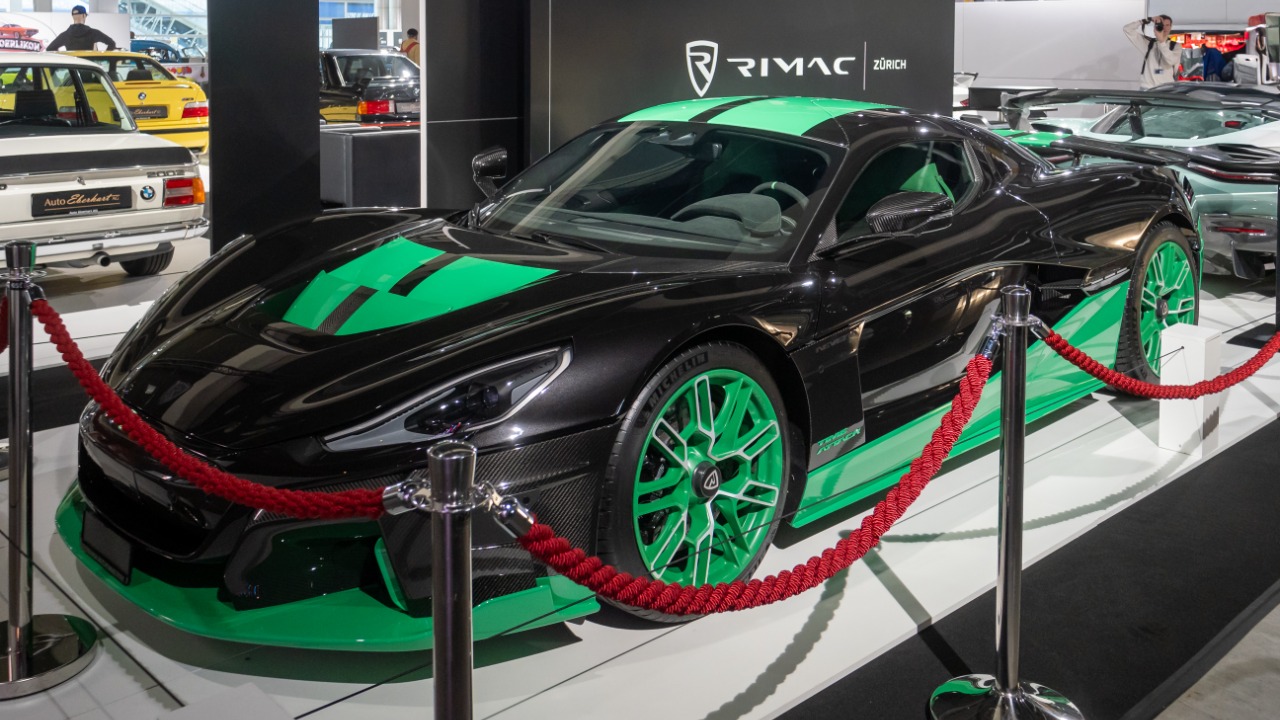
What really convinces me the Nevera is more than a drag-strip party trick is how quickly it moved from straight-line sprints to complex, multi-phase challenges. The car’s ability to surge from a standstill to extreme speeds and then haul itself back down again has become a signature, and it is no accident that the 0–400–0 format keeps appearing in its story. When the Rimac Nevera R arrived as a sharpened evolution, reports described how this new version reclaimed the 0–400–0 km/h benchmark and sliced significant time off the previous standard, underlining how Rimac uses each new variant to push the entire performance envelope, not just the launch.
The Nevera’s ambitions extend far beyond flat, straight tarmac. In August, the car headed to the legendary Nordschleife, the unforgiving loop of asphalt that has become the unofficial exam paper for serious performance machines. There, the Nevera attacked the EV production lap record and beat the previous mark by a full 20 seconds, a margin that speaks to chassis balance, thermal management, and software as much as raw power. That same program of testing also produced a Guinness-recognized achievement in reverse, with the company detailing how In August the Nevera combined multiple feats into five separate GUINNESS WORLD RECORDS™ titles, reinforcing the idea that this car is engineered to dominate any metric you care to measure.
The Nevera R and the next wave of records
As impressive as the original car is, I see the Rimac Nevera R as the moment the project shifts from headline-grabbing to dynasty-building. The Nevera R is not a clean-sheet replacement but a focused evolution, and that makes its achievements even more telling. Engineers swapped the original 120 kWh battery for a new pack rated at 108 k Wh, trading a little capacity for lower internal resistance and better sustained power delivery, and paired it with uprated brakes and track-focused hardware. That rebalancing of priorities, from range bragging rights to repeatable performance, is exactly what you would expect from a company that now measures success in tenths of a second rather than kilometers of cruising.
The payoff is visible in the Nevera R’s record sheet. Reports describe how this track-focused evolution smashed its predecessor’s benchmarks, claiming 24 fresh world marks and retaking the 0–400–0 crown from its Swedish rival. One detailed account notes that the Rimac Nevera R did not just edge ahead of the Koenigsegg Regera, it Reclaims that Crown from Koenigsegg and Sets 24 new records by a full 2.04 seconds, a gulf that is enormous at this level. Another breakdown of the same blitz highlights how the Nevera R runs a 7.9 second quarter mile and strings together a suite of acceleration and braking feats, with the writer opening with a wry “Allow me a little context” before diving into the numbers that show how far ahead this car now sits.
Aerodynamics, hardware tweaks, and that 249 mph headline
Numbers like these do not happen by accident, and I find the Nevera R’s hardware changes particularly revealing. The car that grabbed the latest top-speed title did so with a new fixed rear wing, a larger diffuser, and other aero refinements that trade some slipperiness for stability and downforce where it matters. Those changes helped the car reach a verified 249 mph, with reports noting that The Nevera R that grabbed the title also sprints to 60 mph in 1.66 seconds, a figure that would have sounded like science fiction not long ago.
Those upgrades sit on top of the core Nevera formula, which already pairs instant torque with sophisticated software to keep all that power usable. A detailed road test of the original car captures this sensation neatly, explaining that The Nevera has instant torque because it is electric, so You just hit the accelerator and sail away, leaving Ferraris and Lamborghinis in your dust. The R version simply leans harder into that philosophy, using its revised battery, aero, and braking package to turn that effortless shove into repeatable, track-ready performance that can be measured, verified, and then improved again.
Reverse records and the physics-bending party tricks
For all the serious engineering, I also see a playful streak in how Rimac uses the Nevera to challenge our assumptions about what a car can do. Nowhere is that clearer than in its adventures in reverse. One account of the Nevera’s backwards exploits begins with a nostalgic nod to an era when the fastest car of the day was a Way back in 1967, 170-mile-per hour (272-km/h) machine, before pivoting to the surreal sight of an electric hypercar storming past that kind of speed in reverse. The Nevera’s ability to accelerate hard even while pointed the “wrong” way is not just a stunt; it is a vivid demonstration of how electric drivetrains can deliver full power in either direction without the mechanical compromises of a traditional gearbox.
That same feat has been chronicled from multiple angles, including a detailed breakdown that describes how the Jan record run saw the Jan Nevera touch 171 mph in reverse and frames the achievement as proof of the car’s unique agility and control systems. Another official account emphasizes how the Nevera’s reverse-speed world record sits alongside its Nordschleife lap and other GUINNESS WORLD RECORDS™ titles, underscoring that Nevera is engineered to exploit the full flexibility of its electric powertrain. For me, these reverse runs are more than viral clips; they are a preview of how future EVs might rethink basic assumptions about direction, control, and safety.
How the community and rivals are responding
When a car keeps stacking records at this pace, the reaction from enthusiasts and rivals becomes part of the story. Among fans, the Nevera R’s latest achievements have sparked a mix of awe and disbelief, with one popular discussion thread simply celebrating how More posts you may like include the line that the Rimac Nevera R hypercar has demolished 24 world records. That kind of language, casual yet stunned, captures how the car has become a benchmark even in communities that spend their days debating the finest details of Forza Horizon setups and real-world lap times.
On the industry side, the Nevera’s impact is measured in the way it forces established brands to respond. Detailed coverage of the latest record blitz notes that Rimac new track-focused Nevera R smashed its predecessor’s records and pushed performance beyond what anyone thought possible, while another report frames the story as Rimac’s new Nevera R hypercar shattering 24 records and setting a new 0–400–0 km/h benchmark that points to the future of high-speed innovation. Even more context comes from a narrative that opens with “Rimac Never” and then walks through how the car has leapfrogged expectations.
As I see it, that is why the Rimac Nevera keeps rewriting the record books: not because of one freakish stat, but because every time the stopwatch clicks, it reveals another layer of a car designed from the ground up to exploit what electric performance can do. From the first 23-record day to the Nevera R’s 24-record rampage, from Nordschleife laps to 171 mph in reverse, the story is the same. Rimac builds, tests, measures, and then goes back to the drawing board, turning each record into a stepping stone rather than a finish line.

Leave a Reply