
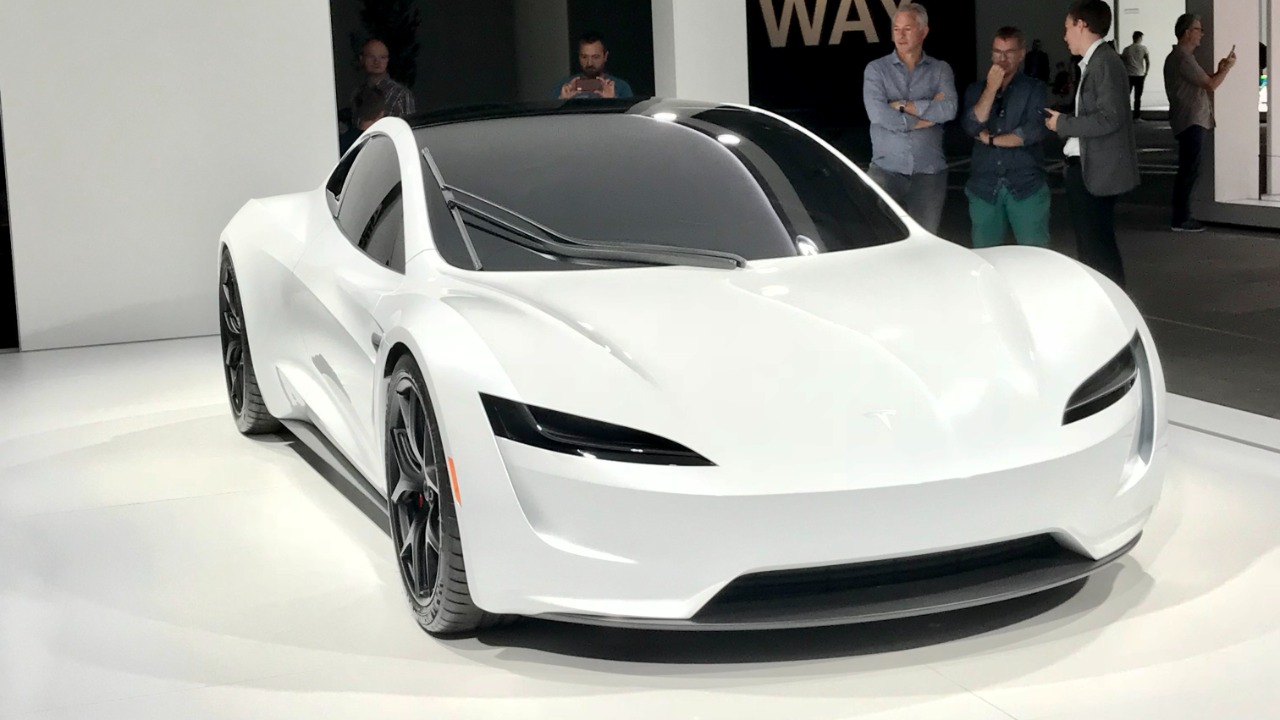
The rebooted Tesla Roadster has become the automotive equivalent of Bigfoot: everyone swears it is coming, nobody has actually seen it in the wild, and the stories get more outrageous every year. Yet the hype machine keeps humming because the car is pitched as something far beyond a faster Model S, a kind of rolling manifesto about what electric performance could be. I find that mix of audacious promises, slippery timelines, and genuine engineering intrigue is exactly why expectations keep getting wilder instead of fading away.
The “last best driver’s car” myth Tesla keeps feeding
The Roadster is not being sold as just another halo coupe, it is being framed as the final word on analog joy before the robots take the wheel. Tesla executives have described it as the “last best driver’s car,” and the pitch is that this thing will deliver the Most epic demo ever, with Musk-level capitalization on “Ever” to match. When a company tells you, with a straight face, that its next toy might be the last great hurrah for human-driven cars, you do not lower your expectations, you start mentally clearing space in the garage you do not have.
That framing works because it taps into a very specific anxiety: the sense that assisted driving and subscription software are slowly sanding the edges off driving itself. By promising a Roadster that is both a technological circus and a purist’s weapon, Tesla invites fans to believe they can have it all, right up to the moment the steering wheel becomes an optional extra. I see that as the core fuel for the myth, more than any single spec sheet, and it is why every new tease lands like another log on an already roaring fire.
Deadlines that slip, and a demo that keeps moving the goalposts
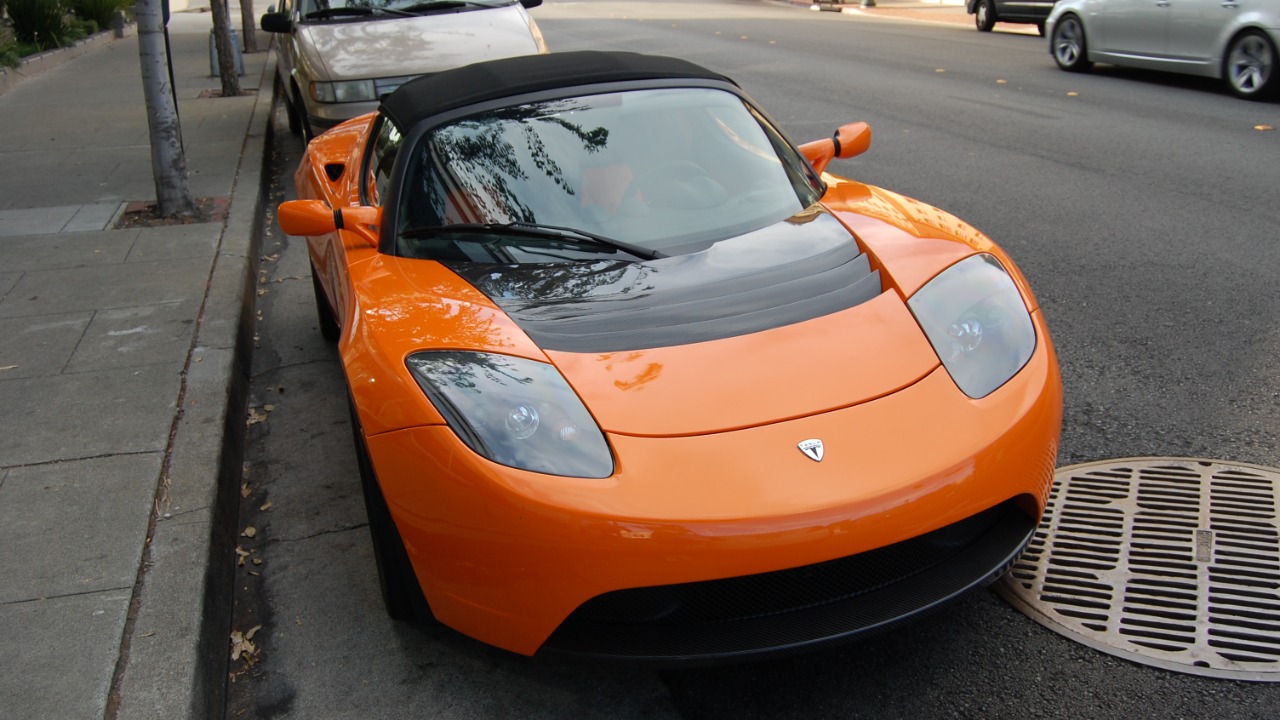
If the Roadster story were just about performance, expectations might have settled into something sane by now. Instead, the timeline has turned into a running gag, starting After the original 2017 announcement, when production was supposed to kick off in 2020 and launch in 2021, only to be pushed back again and again as Tesla focused on other projects and the promised Roadster demo
The latest twist is that Musk has now tied the Roadster hype to a specific spectacle, talking up a demo event that is supposed to land on April Fool’s Day and promising that the Roadster is not even a car anymore but something stranger and more extreme. When the person in charge says the Roadster and that April Fool Day demo will blow past conventional categories, and does it with the same casual confidence that has launched rockets and half-finished tunnels, fans treat the moving goalposts as part of the show rather than a red flag. I read that as a deliberate strategy: keep the date just close enough to feel real, just far enough to stay safely in the realm of imagination.
Design work, patents, and the illusion of inevitability
For all the vaporware jokes, there is real work happening behind the curtain, and that is another reason expectations refuse to die. Internal chatter points to active design work on the Roadster, with people close to the project describing how Design teams have been refining the car rather than leaving it as a frozen 2017 concept. When I see that kind of slow-burn development, I do not read it as proof the car is imminent, but it does make the whole thing feel less like a PowerPoint fantasy and more like a product that is inching forward in the background.
Layered on top of that are wild technical breadcrumbs, like a new patent that hints at a drivetrain capable of redefining EV performance, teased in a video that treats an Aug filing as a roadmap to absurd acceleration. Patents are not promises, and plenty of clever ideas never leave the lab, but they create an illusion of inevitability: if the engineering exists on paper, surely it will end up in the Roadster, right? That is how expectations metastasize, from “maybe it will be quick” to “of course it will rewrite physics, they literally patented the future.”
Fans, skeptics, and the YouTube hype economy
One of the strangest parts of the Roadster saga is how the online commentariat has become a character in the story. On one side you have enthusiasts who treat every leaked render and cryptic tweet as gospel, hammering the hype button until a teaser clip racks up 10,000 likes and 1,000 comments, as happened in an Oct breakdown that turned a single feature rumor into a full-blown prophecy. On the other side you have creators like Marques, who went on record that he is Out on the Roadster in a conversation where Marques told Andrew he was tired of waiting for a car that keeps slipping into the future. I find that split fascinating, because it shows how the same set of facts can feed both devotion and fatigue.
The result is a kind of hype economy, where every new Roadster tidbit becomes content, and content becomes fuel for more speculation. When Musk hints that the Roadster is not even a car anymore and teases that April Fool Day demo in a Nov video, creators rush to decode what that could mean, from rocket thrusters to hover modes, even when the underlying details remain Unverified based on available sources. I watch this cycle and see a feedback loop: Tesla drops a vague promise, YouTube turns it into a storyboard, and the audience walks away convinced the Roadster will do everything short of folding laundry.
Shareholder-stage confidence and carefully managed skepticism
Officially, Tesla still talks about the Roadster as a real product, not a meme. Musk used the 2025 Tesla Shareholders Meeting to reassure investors that the Roadster is on the roadmap, tying it to a new deadline and pointing to a planned event on April 1, 2026, as a milestone for the next phase of the car’s rollout. When I hear Musk and the Roadster mentioned in the same breath as that Tesla Shareholders Meeting, I hear less of a firm launch date and more of a promise that the show will go on, complete with another big stage moment.
At the same time, people inside Tesla are careful to acknowledge the company’s track record of slipping schedules. The chief designer has publicly insisted that Tesla will demo the Roadster, while also conceding that Tesla has delayed the Roadster and other products before, a note of caution that came through when Tesla was pressed on whether people should reserve a car now. I read that as a kind of managed skepticism: keep the faith alive, but remind everyone that the calendar is more suggestion than contract.
Why the dream survives, even as reality drags its feet
Strip away the theatrics and the Roadster story is simple: Tesla has been promising that its Roadster is just around the corner for years, ever since Tesla first unveiled the idea and then repeatedly pushed back the moment when anyone might actually park one in their driveway. That kind of delay would kill most products, but here it has had the opposite effect, turning the Roadster into a kind of rolling promise about what electric cars could be if cost, practicality, and physics all took the day off. I think that is why the dream survives: it lives in the gap between what is technically possible and what is commercially sensible.
Along the way, the Roadster has picked up a supporting cast of characters that keep the narrative lively. There is the Roadster faithful who still quote Jul and Ever from that “Most epic demo ever” tease, the skeptics who nod along with Every new delay and quietly move their deposits elsewhere, and the casual observers who only tune in when someone like Follow Grace Kay or Grace pops up in their feed with another update. I sit somewhere in the middle, amused by the spectacle, intrigued by the engineering, and fully aware that until a customer actually takes delivery, the Roadster will remain less a car and more a very fast, very shiny story we keep telling ourselves about the future.

Leave a Reply