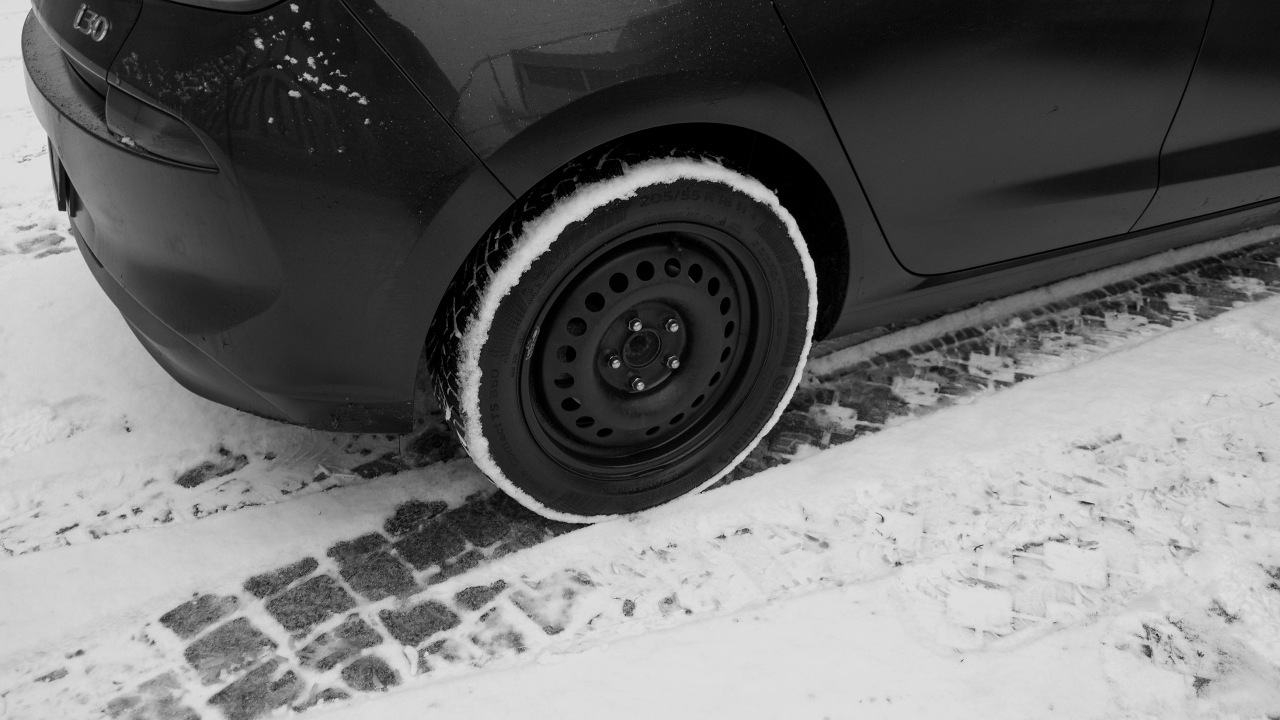
Once pavement drops below freezing, the difference between winter tires and all-season tires stops being theoretical and becomes a matter of stopping distance and control. The moment roads glaze with ice or pack with snow, the design compromises that make all-season tires livable year round turn into liabilities, while winter tires are engineered to stay flexible, bite into slick surfaces, and keep vehicles pointed where the driver intends. For drivers who regularly see temperatures near or below 32 degrees Fahrenheit, the evidence is clear that dedicated winter rubber is not a luxury but a core safety feature.
Why “all-season” stops working when temperatures plunge
All-season tires are built as a middle ground, meant to deliver acceptable performance in a wide range of conditions rather than excel in any one of them. Their rubber compound is tuned to stay durable in summer heat and provide a quiet, efficient ride in mild weather, which is why guides on All Season Tires describe them as a balance of traction, comfort, and longevity across varied climates. That balance comes with a tradeoff: the compound begins to stiffen as temperatures approach freezing, reducing the tire’s ability to conform to microscopic irregularities in the road surface and cutting available grip just when drivers need it most.
Technical explainers on The Differences Between Winter Tires and All Season Tires note that this hardening effect is inherent to the chemistry of all-season rubber. Even though modern all-season compounds are “impressively adaptable,” as one analysis framed it with the phrase Though the tire compounds are versatile, they still must resist excessive wear in summer and maintain structure at highway speeds. That means they cannot remain soft and elastic in deep cold the way winter compounds do. As a result, in subfreezing conditions, all-season tires behave more like plastic than rubber, which lengthens stopping distances and makes it easier for the tread to slide across ice instead of interlocking with it.
The cold-weather chemistry that gives winter tires the edge
Winter tires are engineered from the compound up for low temperatures, and that chemistry is the single most important difference from all-season designs. Technical breakdowns of winter tire construction emphasize that the rubber blend is formulated to stay pliable in Cold Temperatures Winter, allowing the tread blocks to flex and maintain a broad contact patch even when the air is well below freezing. One overview of how Winter Tires Stay Softer explains that this softness is deliberate, because a flexible tread can wrap around tiny peaks and valleys in icy pavement, generating friction where a stiffer tire would simply skate.
Scientific discussions that Explained Science Behind Winter Tire Performance in Different Temperatures reinforce this point, noting that winter compounds are optimized for a narrow band of cold conditions rather than year round use. That specialization is why winter tires are often described as “snow tires” in consumer guides such as What Are Snow Tires, which stress that they are designed for prolonged exposure to snow, ice, and slush. The same sources caution that using winter tires in warm weather can accelerate wear, but in the environment they are built for, their unique chemistry keeps them gripping when all-season rubber has already gone rigid.
Tread design: how winter patterns claw into ice and snow
Beyond the compound, winter tires rely on aggressive tread geometry to generate traction on slick surfaces. Technical comparisons that state There are specific features of winter tires highlight three elements: deeper tread depth, specialized patterns, and abundant “biting edges.” These biting edges are created by narrow cuts called sipes, which open slightly as the tread flexes, allowing the tire to shear through surface water, pack snow into the voids, and then use that snow-on-snow contact to create grip. On ice, the same edges act like tiny chisels that break through the thin melt layer that often forms between rubber and frozen pavement.
Guides on How Winter Tires Improve Braking on Icy Roads describe how these design choices translate into real-world stopping power, noting that the combination of flexible rubber and intricate siping lets winter tires maintain traction during braking, cornering, and acceleration on icy and snow-covered roads. A broader overview of Winter Tires at a Glance quantifies the effect, reporting that winter tires can cut Braking distances by up to 30 percent on snow and ice compared with non-winter options. That margin can be the difference between stopping short of a crosswalk and sliding into it, particularly in urban traffic where reaction time is limited and drivers often brake late.
Real-world stopping distances: what tests reveal on frozen pavement
Laboratory chemistry and tread diagrams matter, but the most compelling evidence comes from controlled tests that measure how far vehicles travel before coming to a halt. Instrumented evaluations of All Season versus winter tires on passenger vehicles have focused on panic stops using ABS braking systems, which are now standard on models ranging from a Toyota RAV4 to a Honda Civic. In these tests, drivers accelerate to a set speed on packed snow or ice, then apply full braking while sensors record the distance required to stop. The results consistently show winter tires pulling the vehicle down from speed in a significantly shorter span than all-season competitors, even when both are new and properly inflated.
Consumer-focused explainers on How Winter Tires Improve Braking and broader safety guides that list Key Takeaways for Winter Tires converge on the same conclusion: when temperatures drop, winter tires are far superior in braking performance on icy roads. The reported figure of up to 30 percent shorter stopping distance on snow and ice is not a marginal gain, it is a step change in safety. For a family SUV traveling at 30 miles per hour, that can translate into several car lengths of extra room to avoid a collision. When combined with better acceleration from a stop and more predictable cornering, the data make clear that once roads freeze, all-season tires are outmatched.
Handling, control, and the myth that winter tires are “only for snow”
Many drivers assume that winter tires are only necessary when deep snow is in the forecast, but tire education materials that state TIRES FEATURE TECHNOLOGY THAT OTHER tires DON’t directly challenge that belief. These guides point out that the primary advantage of winter tires is not just traction in visible snow, but consistent handling and stopping in any cold condition, including dry but frigid pavement. As temperatures fall, all-season tires lose grip even on bare roads, while winter tires maintain their designed friction levels, which translates into more confident steering response and shorter stops in everyday commuting, not just during blizzards.
Analyses that compare All Season Tires and Snow Tires for Better for Winter Driving echo this, noting that all-season designs are simply not a match in true winter conditions, whether that means black ice on a shaded highway ramp or slush in an intersection. Opinion pieces such as Features Opinion Technology Treading Carefully on Winter Tires versus All Season Tires go further, arguing that all-season tires are “oversold” as a one-size-fits-all solution and that most passenger vehicles equipped only with all-season rubber are underprepared for serious winter weather. The recurring message is that control in cold climates is about temperature as much as it is about snowfall totals.
More from Fast Lane Only