
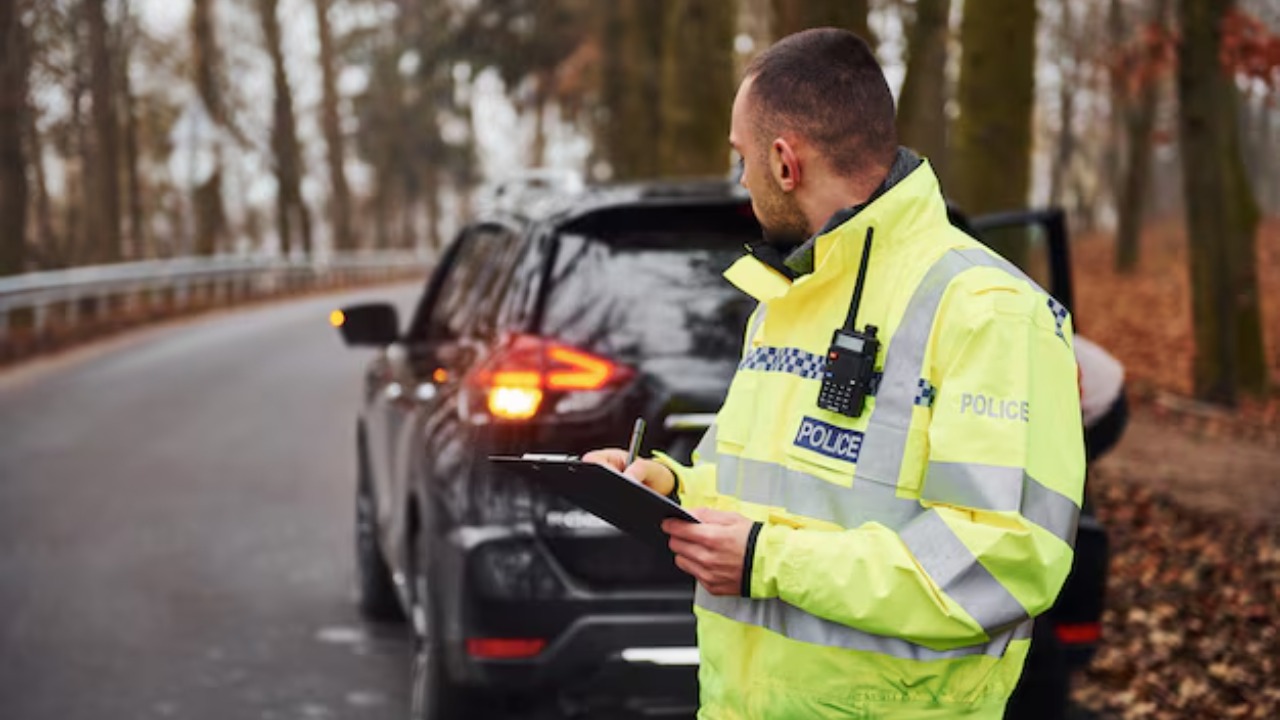
Dark window tint has become a kind of rolling fashion statement, but it is also one of the fastest ways to attract a patrol car’s attention. Across the country, officers are trained to look for glass that appears darker than state law allows, and a simple style choice can quickly turn into a traffic stop, a ticket, or even a deeper search of your vehicle. I want to unpack why that happens, what police and lawmakers say about the risks, and how drivers can stay on the right side of the law without giving up privacy or comfort.
At the heart of the issue is a basic tension between personal preference and public safety. You might see tint as a way to keep your cabin cool, protect your interior, or keep prying eyes away from your laptop on the back seat. Police and regulators, however, see a sheet of dark film that can hide weapons, block eye contact, and make already dangerous situations even more unpredictable.
How dark tint changes what police see
From an officer’s perspective, the problem starts before they even reach your door. When a patrol car pulls in behind a sedan or SUV with very dark glass, the officer has no clear view of how many people are inside, where their hands are, or what they might be reaching for. That uncertainty is exactly why many departments treat illegal tint as a serious officer-safety issue, not a cosmetic quibble. In the language of one analysis of Vehicles with windows tinted darker than regulations permit, the officer’s ability to see into the vehicle is greatly reduced, and that lack of visibility shapes how they approach the stop, how quickly they reach for a flashlight, and how ready they are to escalate if something looks off.
That same lack of visibility also affects how officers read your behavior. When they cannot see your eyes or your hands, they cannot easily tell whether you are complying with instructions, fumbling for your registration, or trying to hide something under the seat. I have spoken with drivers who were surprised by how tense a routine stop felt once they realized the officer could not see them clearly through the tint. The darker the film, the more likely it is that a simple lane-change violation or expired tag stop turns into a cautious, high-alert interaction that neither side really wants.
Compromised safety for everyone on the road
The safety concerns do not end with the officer at your window. Dark tint changes what you see from behind the wheel, especially at night or in bad weather, and that can put you and everyone around you at risk. Analyses of Installing window tint on your car point out that when film is darker than the law allows, it often creates a hazardous situation because your eyes simply do not get enough light to judge distance and motion accurately. Think about backing a 2022 Honda Civic out of a tight apartment parking space at night: if your rear glass and side windows are heavily tinted, a child on a scooter or a cyclist rolling past your bumper can be almost invisible until it is too late.
Side visibility matters just as much. When you are trying to merge onto a busy interstate in a 2020 Toyota RAV4, you rely on quick glances over your shoulder and in your mirrors to spot fast-approaching traffic. With very dark film, those glances become guesses. One breakdown of Excessively dark windows on a vehicle notes that drivers can struggle to see images in their side mirrors, which is exactly where a motorcycle or compact car can disappear into a blind spot. When officers say tint is a “compromised safety” issue, they are not only talking about their own risk during a stop, they are also talking about the crash you might cause because you could not see what was coming.
Why lawmakers wrote strict tint rules
State tint laws did not appear out of nowhere, and they are not uniform. Legislatures wrote them after hearing from police, crash investigators, and sometimes from families affected by collisions where visibility played a role. In Tennessee, for example, legal analysis of Why Do These Window Tint Laws Exist explains that one explicit goal is To Protect Law Enforcement. If a police officer pulls over a car with tints that are too dark, the officer cannot see inside, which increases the risk of a dangerous misunderstanding. The same discussion notes that lawmakers also worry about drivers who cannot see pedestrians or other vehicles clearly, putting everyone at risk for an accident.
Those concerns are not limited to one state. Any car owner who appreciates the look and performance of their car is urged to understand the legal background of window film, and one nationwide guide stresses that Any car owner who appreciates the look should treat a thorough guide as the key to knowing what is allowed in each state. That means a 2019 Ford F-150 registered in Florida might be legal with a certain level of tint, while the same truck would be over the limit if you moved it to New York or Minnesota. When officers see a car with glass that looks unusually dark, they know there is a real chance the film is outside the local rules, and that is often enough to justify a closer look.
How tint can become a legal pretext for a stop
Once tint crosses from “borderline” to clearly illegal, it does more than annoy the officer behind you. It can provide the legal hook for a traffic stop that leads to other consequences. Under standard traffic law, police officers regularly conduct traffic stops when they observe a violation, and one legal explainer notes that Police officers regularly conduct traffic enforcement based on what they can see from the roadway. If an officer can articulate that your windows appear darker than the legal limit, that observation can supply Probable cause to pull you over, even if you were otherwise driving perfectly.
Once the stop is underway, the tint violation can open the door to more questions and, in some cases, a search. If the officer smells marijuana, sees open containers, or spots other contraband in your 2018 Subaru Outback, the original reason for the stop no longer matters much. Defense attorneys spend a lot of time arguing about whether the underlying stop was improper, but if the officer can point back to a clear equipment violation like illegal tint, courts are often inclined to treat the encounter as lawful from the start. That is one reason I tell drivers that tint is not just a style choice, it is a legal decision that can shape how exposed you are to deeper scrutiny on the roadside.
Why some officers “hate” dark tint
For many drivers, the most visible expression of this tension shows up in viral clips and blunt commentary from law enforcement. In one widely shared short video titled in a deliberately chaotic style as wHY dO PoLICE HaTE WiNDoW TiNT?, posted in Dec, the speaker jokes that nothing gets officers’ “panties more in a wad” than window tint, then pivots to the serious point that darker glass makes every traffic stop feel more dangerous. The tone is half rant, half public-service announcement, but the underlying message tracks closely with what I hear from patrol officers: they do not hate tint because it looks cool, they hate it because it hides hands, faces, and sudden movements at the exact moment when they are most vulnerable.
That frustration also reflects how often officers encounter illegal film in the real world. When they pull over a 2016 Chevrolet Impala with limo-dark rear windows and a heavily tinted windshield strip, they are not just seeing a fashion choice, they are seeing a pattern they associate with other violations. Some officers will admit, off the record, that they are more likely to stop a car with obviously illegal tint because they expect to find suspended licenses, outstanding warrants, or drugs. Whether that is fair or not, it is a reality that drivers need to factor in when they decide how dark to go at the tint shop.
What drivers can do to stay legal and avoid the stop
For anyone who still wants the benefits of tint without the roadside drama, the first step is to know your state’s rules before you book an appointment. A careful review of state-by-state charts shows that limits are usually expressed as a percentage of visible light transmission, or VLT, and that front side windows are almost always held to a lighter standard than rear glass. Instead of asking a shop to “go as dark as possible,” I recommend telling them the exact legal VLT for your state and your vehicle type, whether you drive a 2021 Tesla Model 3 or a 2015 Jeep Wrangler. Reputable installers will measure the film and the glass together to keep you within the line, and they should be willing to put that commitment in writing on your invoice.
Once the tint is on, you still have a role to play in how officers perceive you. If you are pulled over, rolling down all your windows as the officer approaches, turning on your interior lights at night, and keeping both hands visible on the steering wheel can defuse a lot of the anxiety that dark glass creates. I have watched stops where a driver in a heavily tinted 2017 BMW 3 Series did exactly that, and the officer’s body language shifted almost immediately from wary to conversational. You cannot change the film on your windows in that moment, but you can change how transparent you seem, and that can be the difference between a quick warning and a tense, drawn-out encounter.

Leave a Reply