
As fuel prices continue to fluctuate and environmental concerns rise, many consumers are considering hybrid vehicles as a potential solution for reducing fuel expenses. But the question remains: will investing in a hybrid truly lead to substantial fuel savings over time? Exploring the financial implications of choosing a hybrid vehicle can help determine whether it can deliver on its promise of cost efficiency.
Understanding Hybrid Technology
Hybrid vehicles operate by combining a gasoline engine with an electric motor, allowing for more efficient use of fuel. The electric motor assists the gasoline engine during acceleration and low-speed driving, which reduces fuel consumption. This design is intended to maximize efficiency by leveraging the strengths of both power sources. For example, the 2025 Toyota Prius uses this combination to achieve impressive fuel economy.
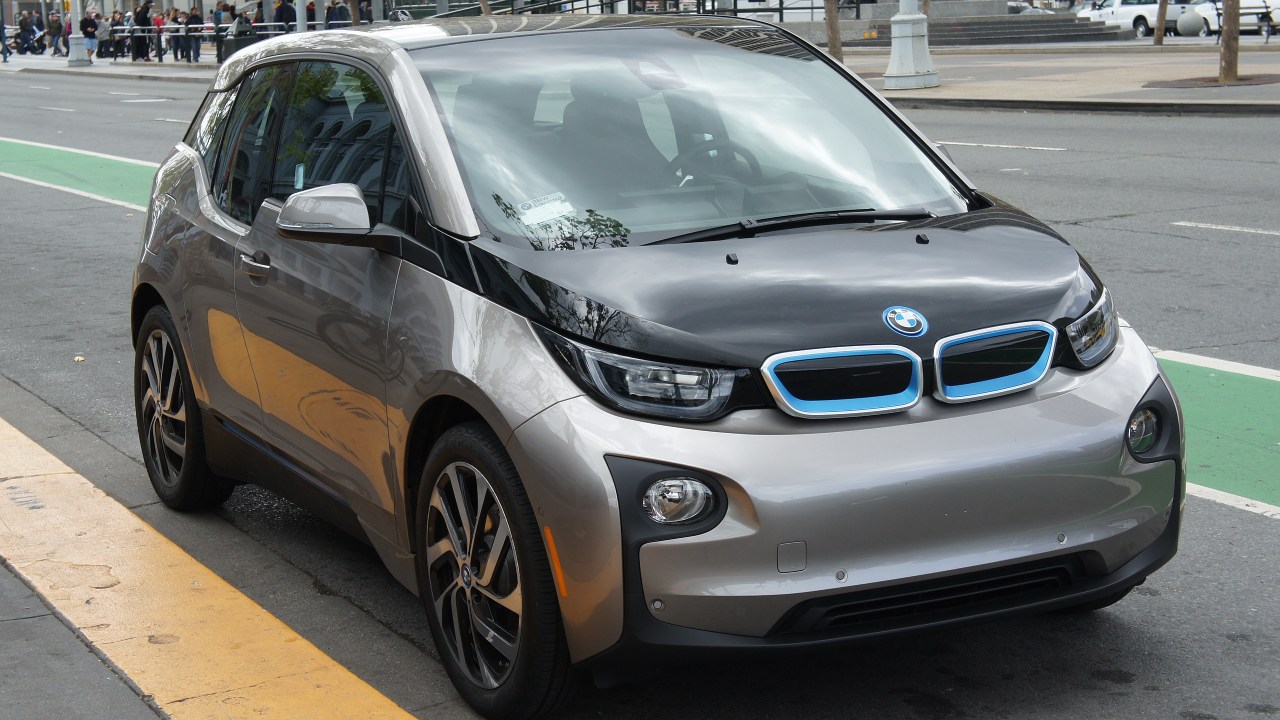
There are different types of hybrid systems, each with its unique functionality. Parallel hybrids, like the Hyundai Sonata Hybrid, use both the electric motor and gasoline engine to power the wheels directly. Series hybrids, such as the BMW i3 with range extender, primarily rely on the electric motor for propulsion, using the gasoline engine solely to generate electricity. Plug-in hybrids, like the 2025 Ford Escape Plug-In Hybrid, allow drivers to recharge the battery via an external power source, extending the electric-only driving range significantly. Regenerative braking plays a crucial role in fuel efficiency by capturing energy typically lost during braking and using it to recharge the battery.
Initial Costs Versus Long-Term Savings

The decision to purchase a hybrid vehicle often starts with a consideration of the initial investment. Hybrid models generally have a higher upfront cost compared to their gasoline-only counterparts. For example, the 2025 Honda Accord Hybrid may cost several thousand dollars more than the standard Accord. However, the real question is whether these higher initial costs can be offset by long-term savings at the pump.
Estimating fuel savings involves calculating potential savings based on average mileage and current fuel prices. If a hybrid vehicle like the Kia Niro Hybrid offers an average of 50 miles per gallon, compared to a traditional vehicle’s 30 miles per gallon, the savings can add up quickly, especially with rising fuel costs. Additionally, maintenance and repair costs should be considered. While hybrids may have similar routine maintenance costs, their unique components, such as battery packs, could lead to higher repair expenses, though advancements in technology have made these components more reliable and long-lasting.
Environmental Impact and Fuel Efficiency
Hybrids offer substantial ecological benefits by reducing emissions and dependence on fossil fuels. Vehicles like the 2025 Chevrolet Volt demonstrate how hybrids can lower the carbon footprint compared to traditional gasoline cars. In urban areas, where stop-and-go traffic is common, the electric motor’s contribution significantly cuts emissions.
Real-world fuel efficiency can vary based on driving habits and conditions. While hybrids generally perform well in city driving, where they can maximize the use of their electric motors, highway driving may rely more on the gasoline engine. Factors such as aggressive acceleration or heavy cargo can also impact fuel efficiency. However, for many drivers, the fuel savings and environmental benefits make hybrids an attractive option.






Leave a Reply