In the ever-evolving world of automotive design, not every innovation becomes a lasting trend. Some features, despite their initial promise, fail to capture the hearts of drivers and fade into obscurity. Here are ten automobile features that, for various reasons, never quite caught on.
Automatic Seatbelts
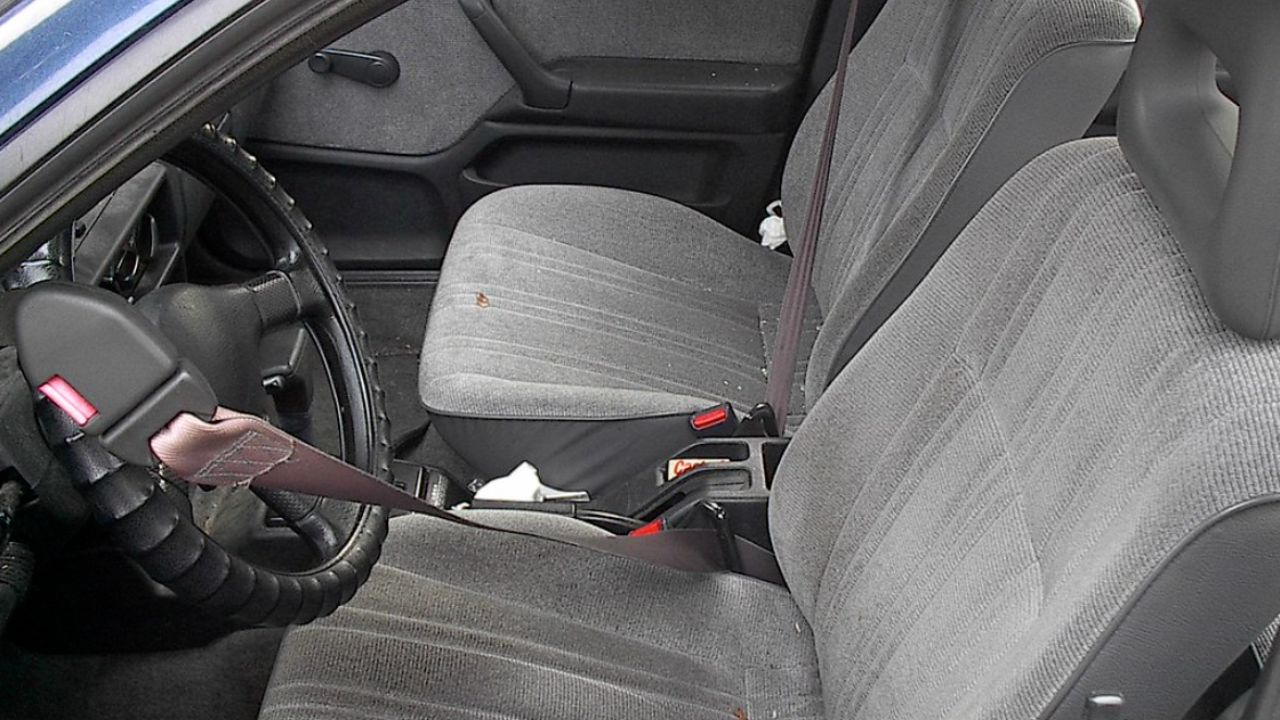
Automatic seatbelts were introduced in the 1980s as a way to improve safety compliance. These seatbelts automatically slid into place when the car door was closed, theoretically ensuring that passengers were always buckled up. However, they often proved to be more of a nuisance than a convenience. Many drivers found them uncomfortable and restrictive, and they sometimes malfunctioned, leading to safety concerns.
Despite their good intentions, automatic seatbelts were eventually phased out in favor of more reliable and user-friendly systems. The introduction of airbags and the increased emphasis on manual seatbelt use made these automatic systems obsolete by the late 1990s.
Pop-Up Headlights
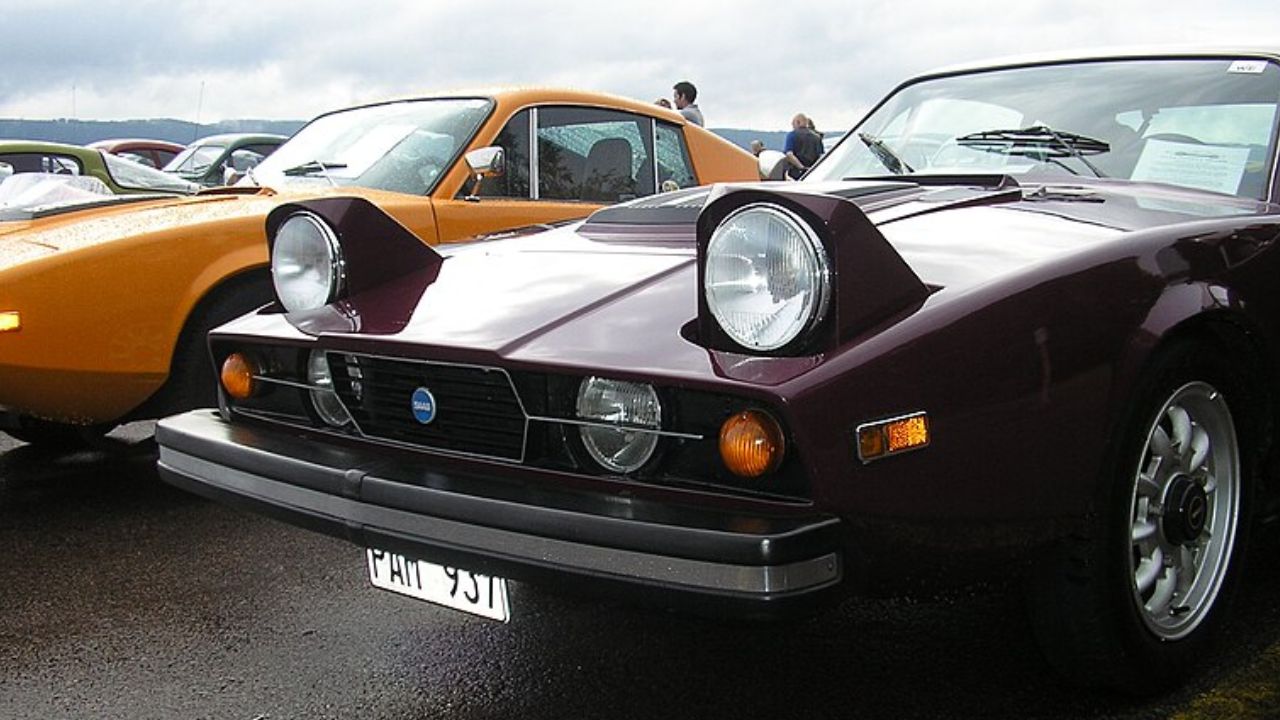
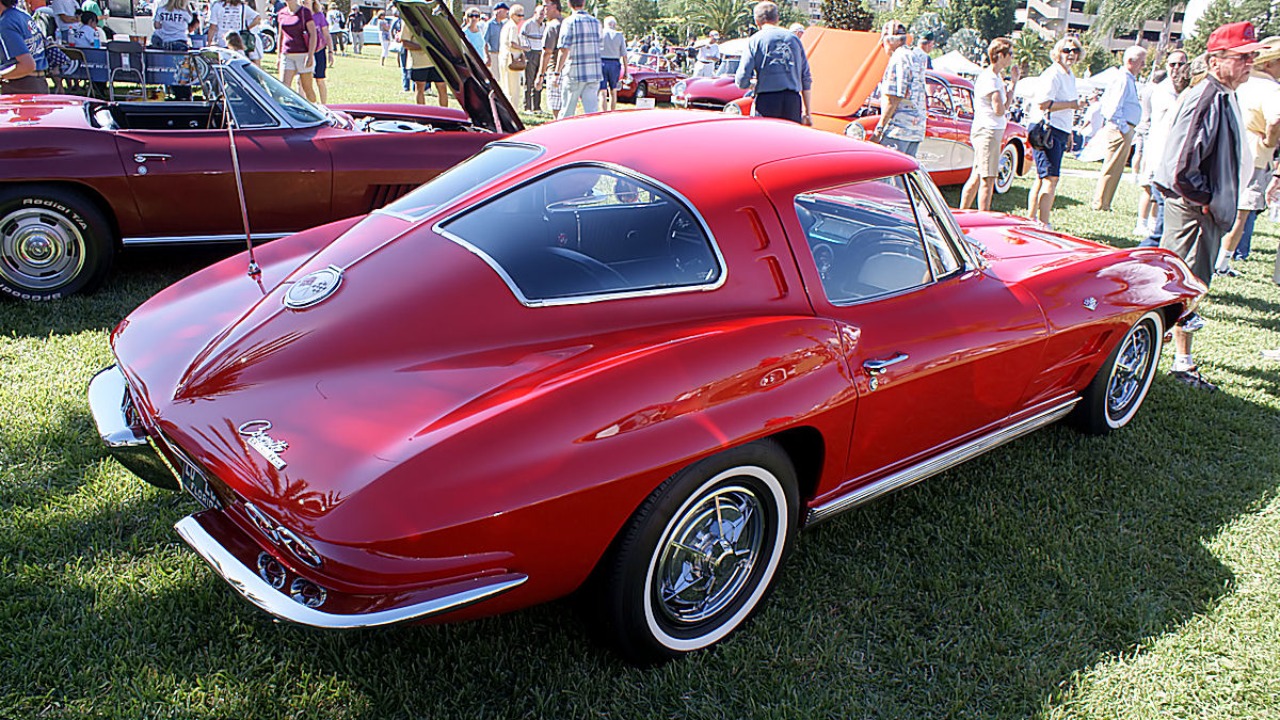
Pop-up headlights were a hallmark of sporty car designs in the 1970s and 1980s, featured in iconic models like the Chevrolet Corvette and the Mazda RX-7. These headlights provided a sleek, aerodynamic look when closed, but could be raised when needed for nighttime driving. However, the mechanical complexity and potential for failure made them less practical over time.
As automotive design shifted towards more streamlined and reliable lighting solutions, pop-up headlights became a relic of the past. Modern LED and HID lighting systems offer better performance and durability, rendering pop-up headlights largely obsolete.
Digital Dashboards
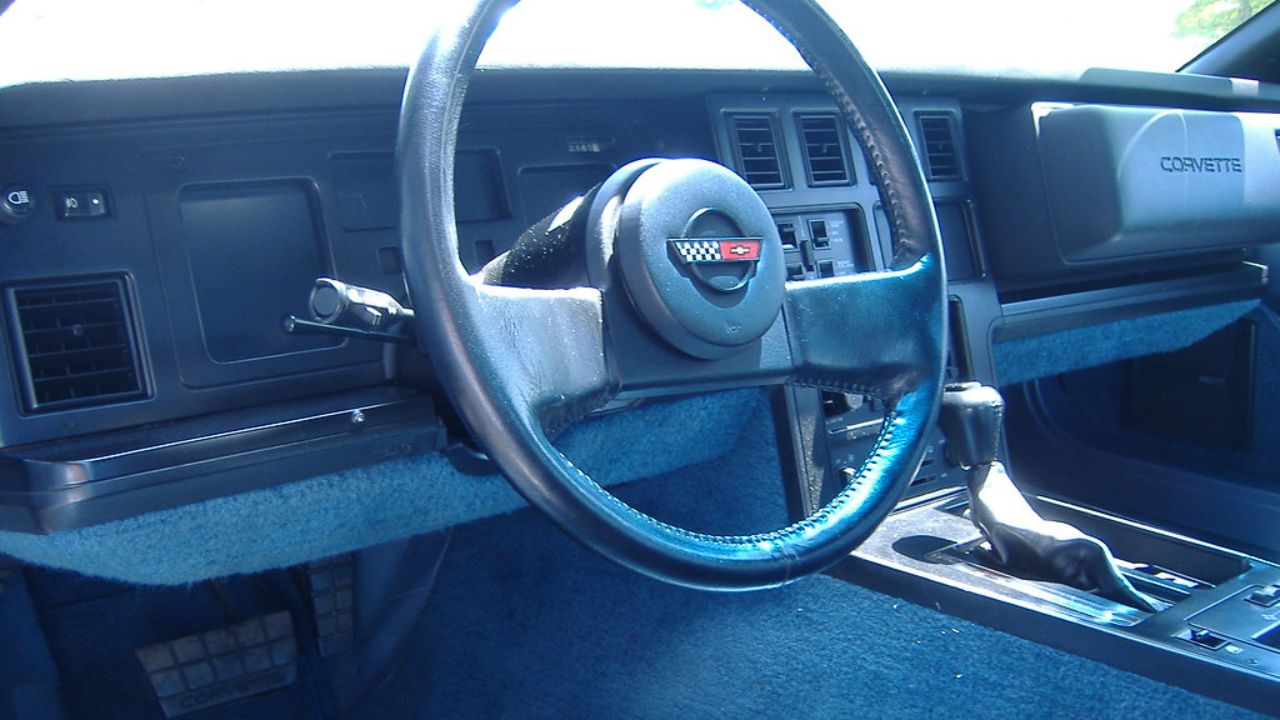
Digital dashboards first appeared in the 1980s, promising a futuristic driving experience with digital readouts and advanced displays. Cars like the 1983 Nissan 300ZX and the 1984 Corvette featured these high-tech dashboards. However, the technology of the time was not always reliable, leading to frequent malfunctions and difficult-to-read displays.
While digital dashboards have made a comeback in recent years with improved technology, the early versions were often criticized for their lack of clarity and dependability. Today’s digital displays are far more advanced, offering customizable and intuitive interfaces that were not possible in the past.
Car Phones
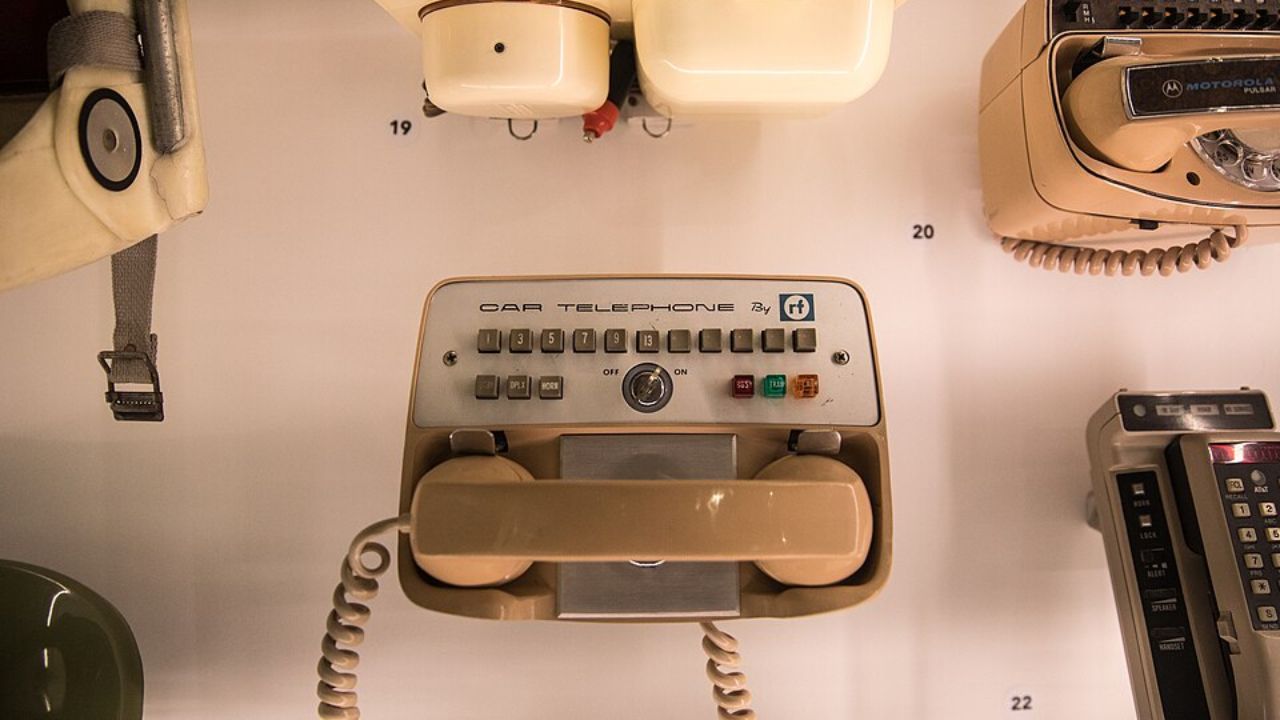
Car phones were once the ultimate status symbol, offering drivers the ability to make calls on the go. In the 1980s and early 1990s, having a car phone was a sign of luxury and modernity. However, the advent of mobile phones quickly rendered car phones obsolete, as they offered greater convenience and portability.
As mobile technology advanced, car phones became an unnecessary accessory. Today, integrated Bluetooth systems and smartphone connectivity have replaced the need for a dedicated car phone, allowing drivers to stay connected without the bulky hardware.
T-Top Roofs
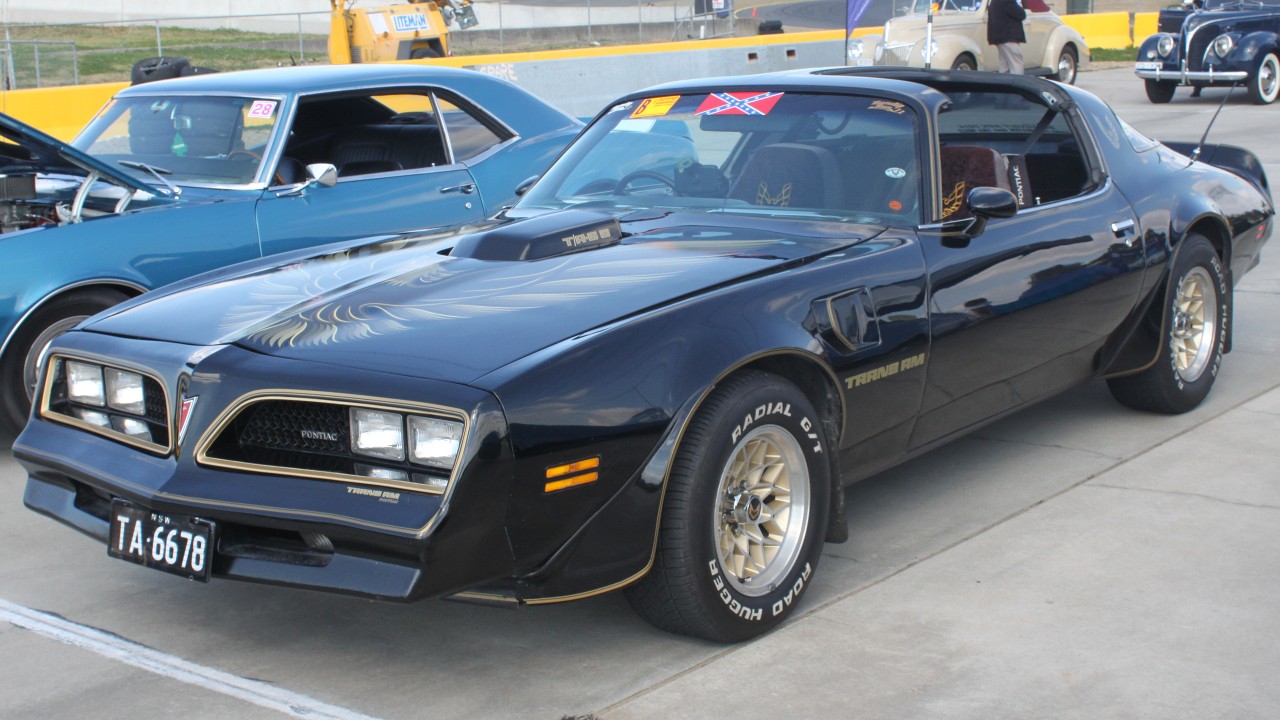
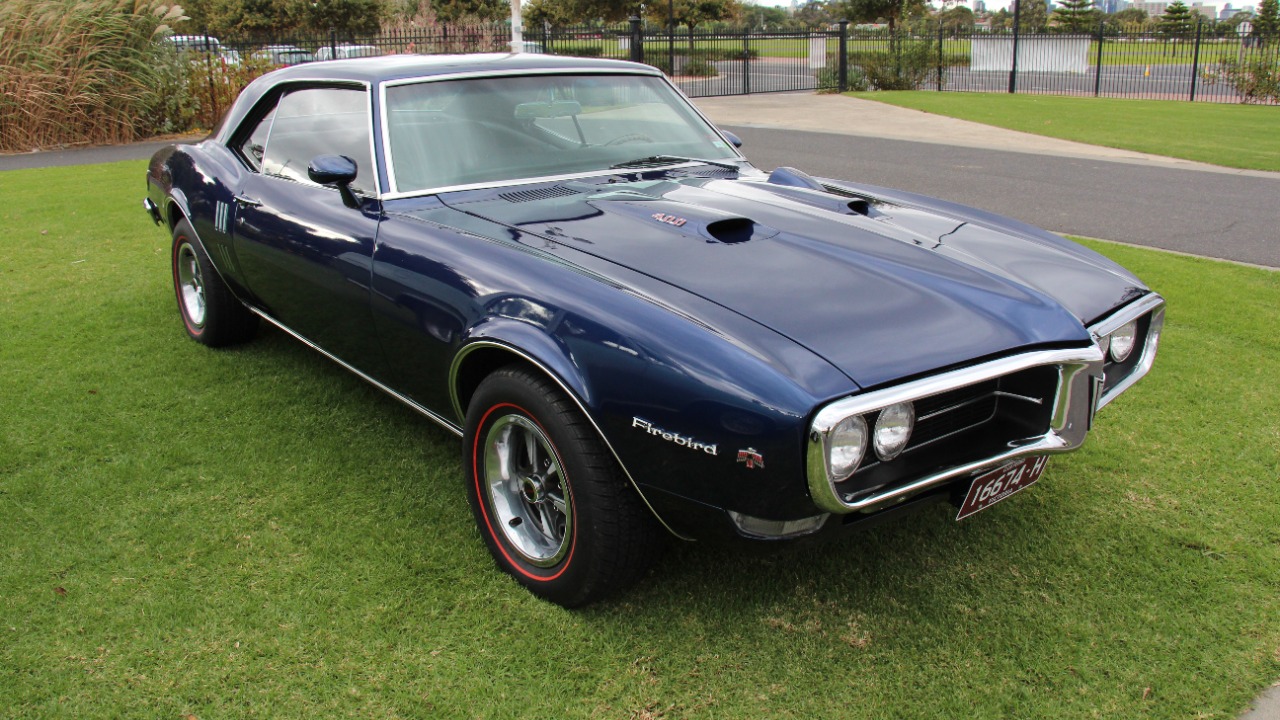
T-Top roofs, popularized in the 1970s and 1980s, offered a compromise between a convertible and a hardtop. Cars like the Pontiac Firebird and Chevrolet Camaro featured removable roof panels that allowed for open-air driving. However, the design often led to issues with leaks and structural integrity.
As automotive engineering improved, T-Top roofs were largely replaced by more reliable sunroof and convertible designs. The drawbacks of T-Tops, including their tendency to leak and the complexity of removing and storing the panels, contributed to their decline in popularity.
Swivel Seats
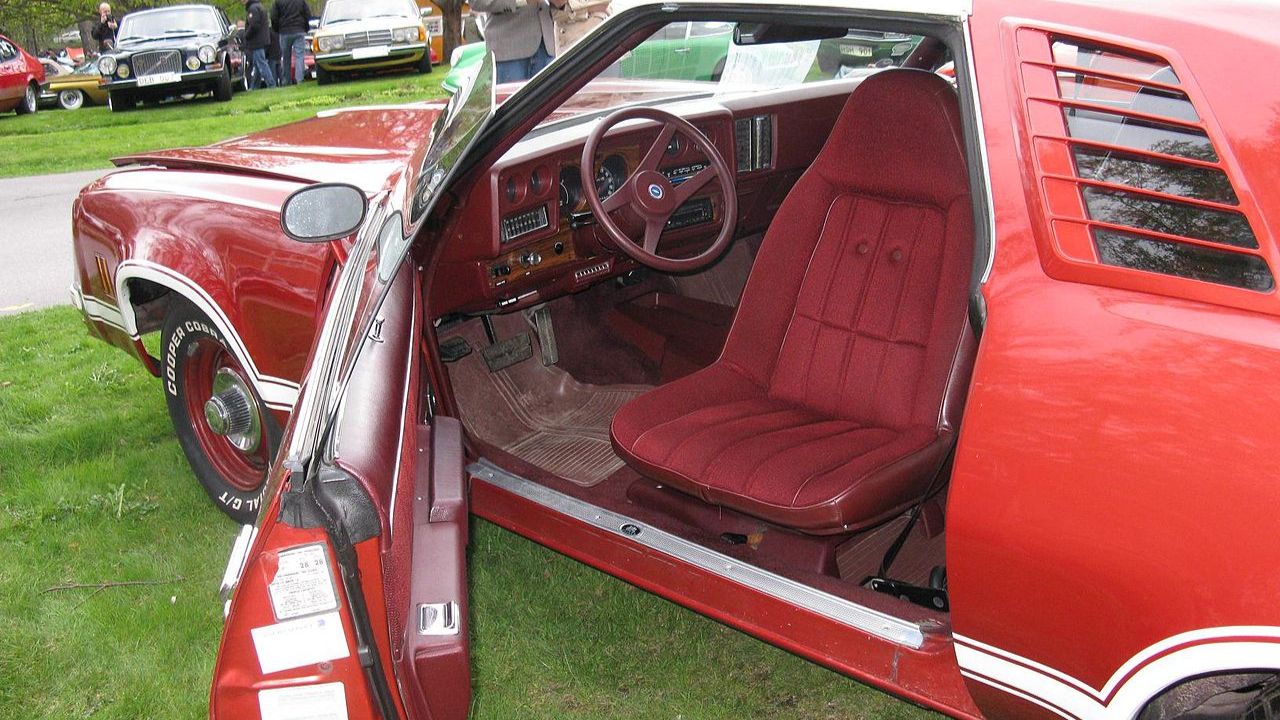
Swivel seats were introduced in the 1970s as a way to make getting in and out of cars easier, especially for those with limited mobility. Models like the 1975 Chevrolet Monte Carlo offered front seats that could rotate to face the door. While the concept was innovative, it never gained widespread adoption.
The complexity and cost of manufacturing swivel seats, along with safety concerns, led to their decline. Modern vehicles now focus on other accessibility features, such as higher seating positions and larger door openings, to enhance ease of entry and exit.
Third Headlight
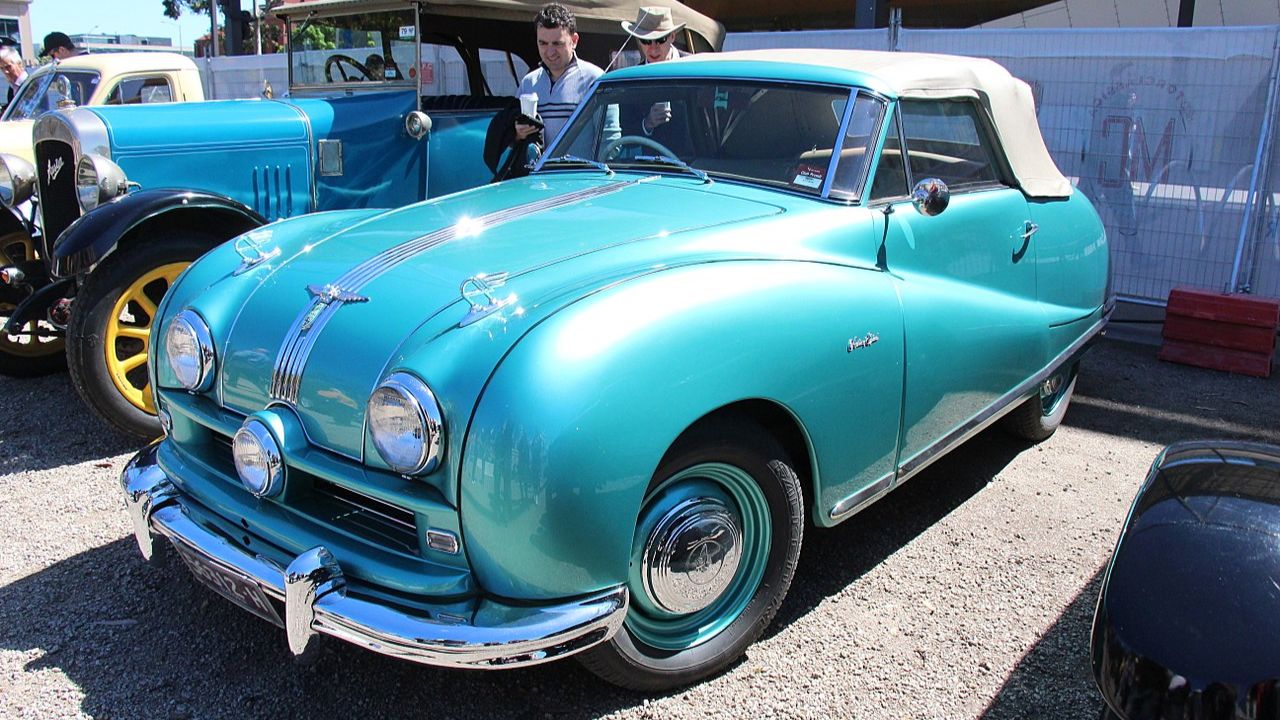
The third headlight, or “Cyclops” headlight, was an idea that appeared in the 1940s and 1950s. Cars like the Tucker 48 featured a central headlight that turned with the steering wheel to illuminate the road ahead. While innovative, the concept never gained traction due to the complexity and cost of implementation.
Today, adaptive headlights have taken the place of the third headlight, offering improved visibility and safety without the need for an additional light. These modern systems adjust the direction and intensity of the light beam based on the car’s speed and steering angle.
Retractable Hardtops
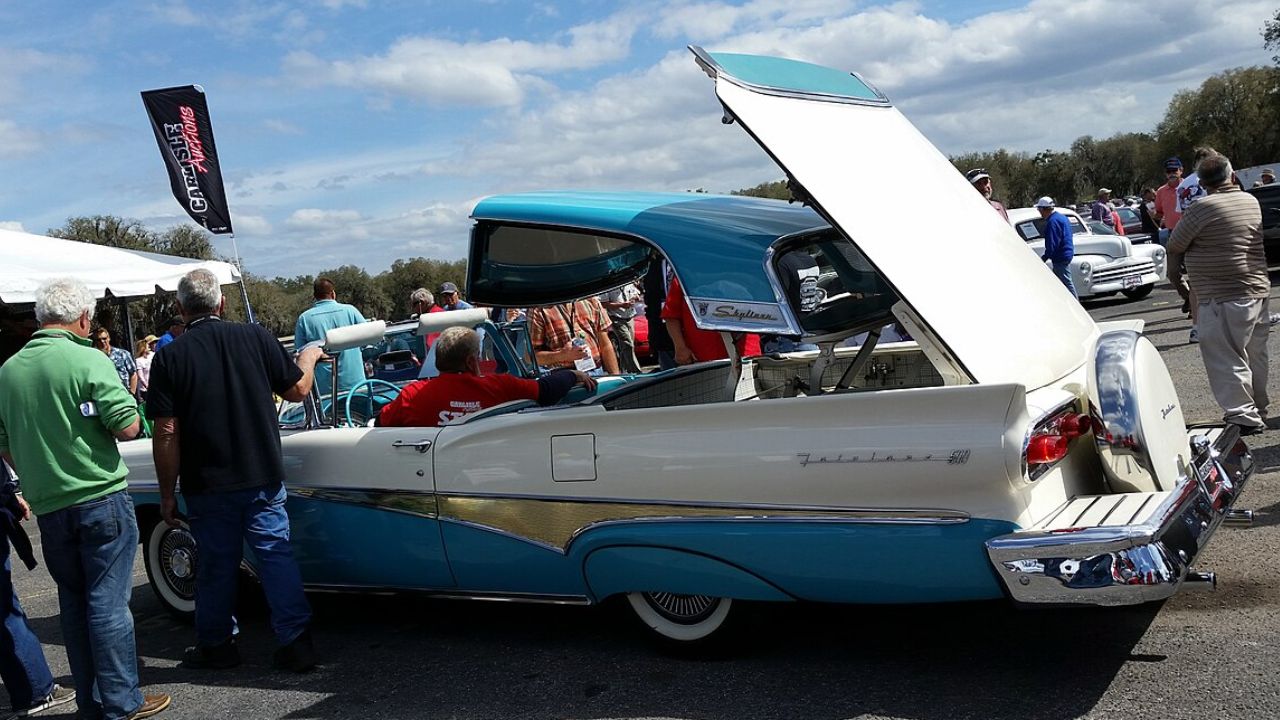
Retractable hardtops offered the best of both worlds: the security of a hardtop with the open-air experience of a convertible. Cars like the Ford Skyliner in the late 1950s featured this innovative design. However, the complex mechanisms required to retract the roof often led to reliability issues and increased vehicle weight.
As convertible technology improved, simpler and more reliable soft-top designs became more popular. While some modern cars still offer retractable hardtops, they remain a niche feature due to their complexity and cost.
Built-In Vacuum Cleaners
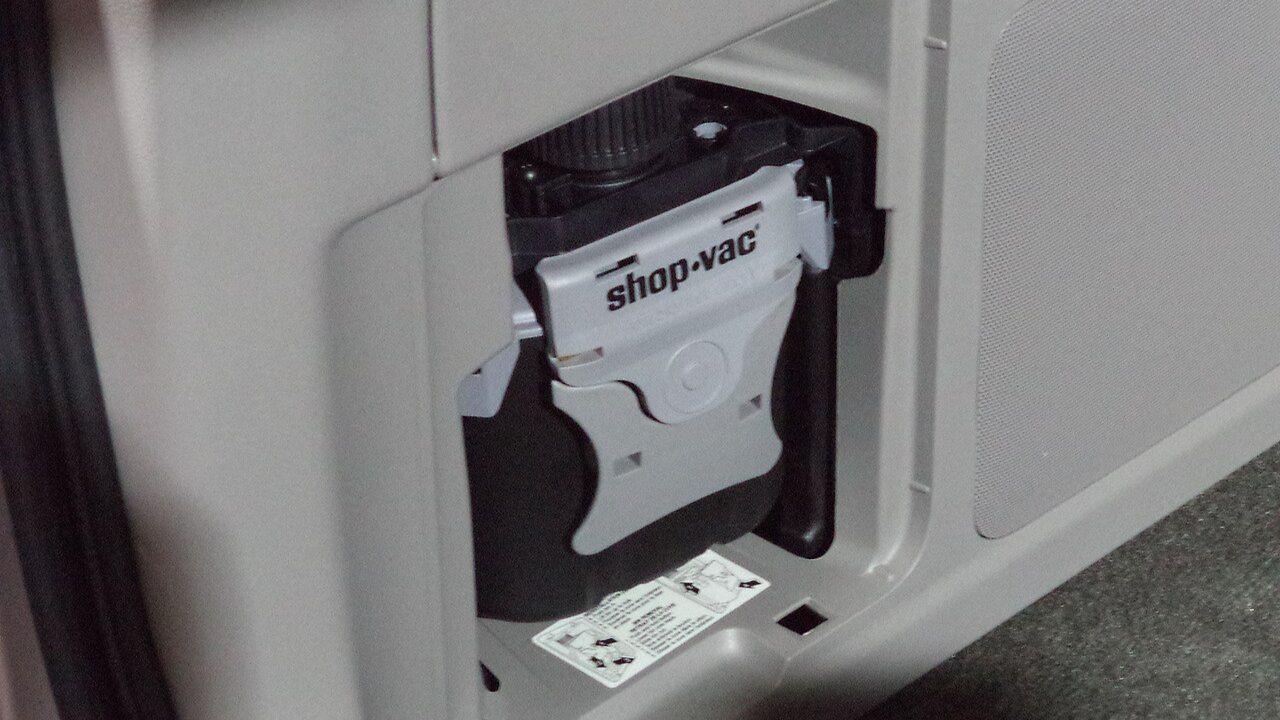
Built-in vacuum cleaners were introduced as a convenience feature in family-oriented vehicles like the Honda Odyssey minivan. The idea was to provide an easy way to clean up messes on the go. Despite the practicality, this feature never became widespread, likely due to the added cost and limited appeal.
Most drivers prefer portable vacuum solutions that can be used in multiple vehicles or around the home. As a result, built-in vacuum cleaners remain a rare feature, found only in select models and trims.
Hydropneumatic Suspension
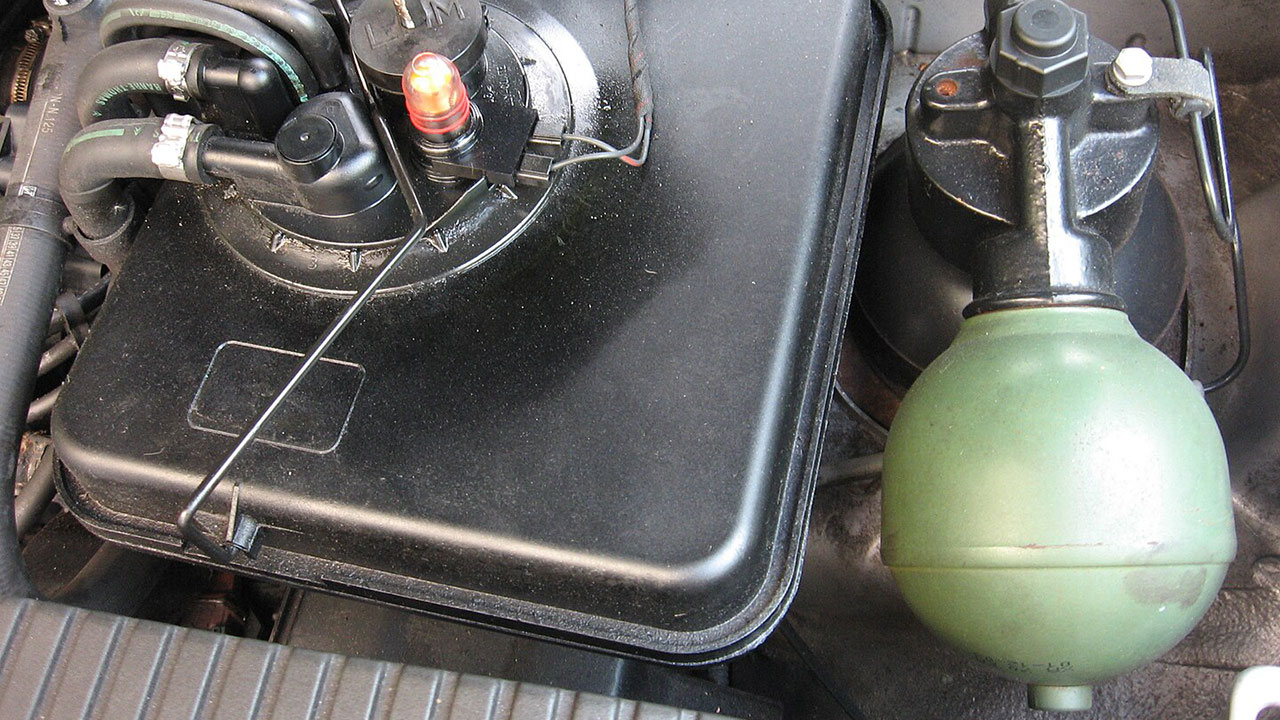
Hydropneumatic suspension systems, pioneered by Citroën in the 1950s, offered a smooth and adjustable ride by using a combination of hydraulic fluid and compressed gas. While the system provided unparalleled comfort, it was also complex and expensive to maintain.
As automotive suspension technology advanced, simpler and more cost-effective solutions became the norm. The high maintenance costs and complexity of hydropneumatic systems led to their decline, with most manufacturers opting for more conventional suspension designs.