As hybrid vehicles become increasingly popular for their eco-friendly features and fuel efficiency, understanding the long-term maintenance costs associated with them is crucial for potential buyers. Potential hybrid owners should be well-informed about the financial implications of owning these vehicles over time, focusing on key areas where expenses may differ from traditional vehicles. Knowing what to expect in terms of upkeep can help buyers make informed decisions and budget accordingly.
Understanding Hybrid Technology
Hybrid vehicles operate by combining an internal combustion engine (ICE) with an electric motor, which allows them to switch between or simultaneously use both power sources. This dual system is designed to enhance fuel efficiency and reduce emissions, making hybrids an attractive option for eco-conscious consumers. The electric motor assists the engine during acceleration and can power the car for short distances, leading to significant fuel savings.
Key components unique to hybrid models include the electric motor, a high-voltage battery pack, and a power control unit. These elements work in harmony to ensure that the vehicle operates efficiently. For instance, the regenerative braking system captures energy usually lost during braking and stores it back in the battery. This technology distinguishes hybrids from traditional ICE vehicles, which rely solely on gasoline or diesel fuel for power.
The differences between hybrid and traditional ICE vehicles extend beyond their powertrains. While ICE vehicles have fewer complex electrical components, hybrids require a more intricate design to accommodate both fuel sources. This complexity can lead to different maintenance requirements and potential costs, which potential buyers need to consider.
Battery Life and Replacement Costs
One of the most significant considerations for hybrid owners is the lifespan of the vehicle’s battery pack. On average, hybrid batteries are designed to last between 8 to 10 years or approximately 100,000 to 150,000 miles, although many last longer under optimal conditions. Factors such as driving habits, climate, and maintenance can affect the longevity of the battery.
The costs associated with battery replacement can be substantial, often ranging from $2,000 to $8,000 depending on the make and model. For example, replacing the battery of a 2025 Toyota Prius could cost around $3,000 to $5,000. However, many manufacturers offer warranties that cover battery replacement for eight years or 100,000 miles, providing some financial protection to owners.
Advancements in battery technology are expected to lower replacement costs in the future. As the industry shifts towards more efficient and sustainable solutions, innovations such as solid-state batteries could dramatically enhance battery longevity and reduce expenses. This evolution in technology is likely to impact the overall cost of hybrid vehicle ownership positively.
Routine Maintenance and Repairs
Hybrid vehicles, like any other, require regular maintenance to ensure optimal performance. Routine tasks such as oil changes, tire rotations, and brake inspections are still necessary, but the frequency may differ from traditional vehicles. For instance, hybrids often require fewer oil changes due to the reduced workload on the engine.
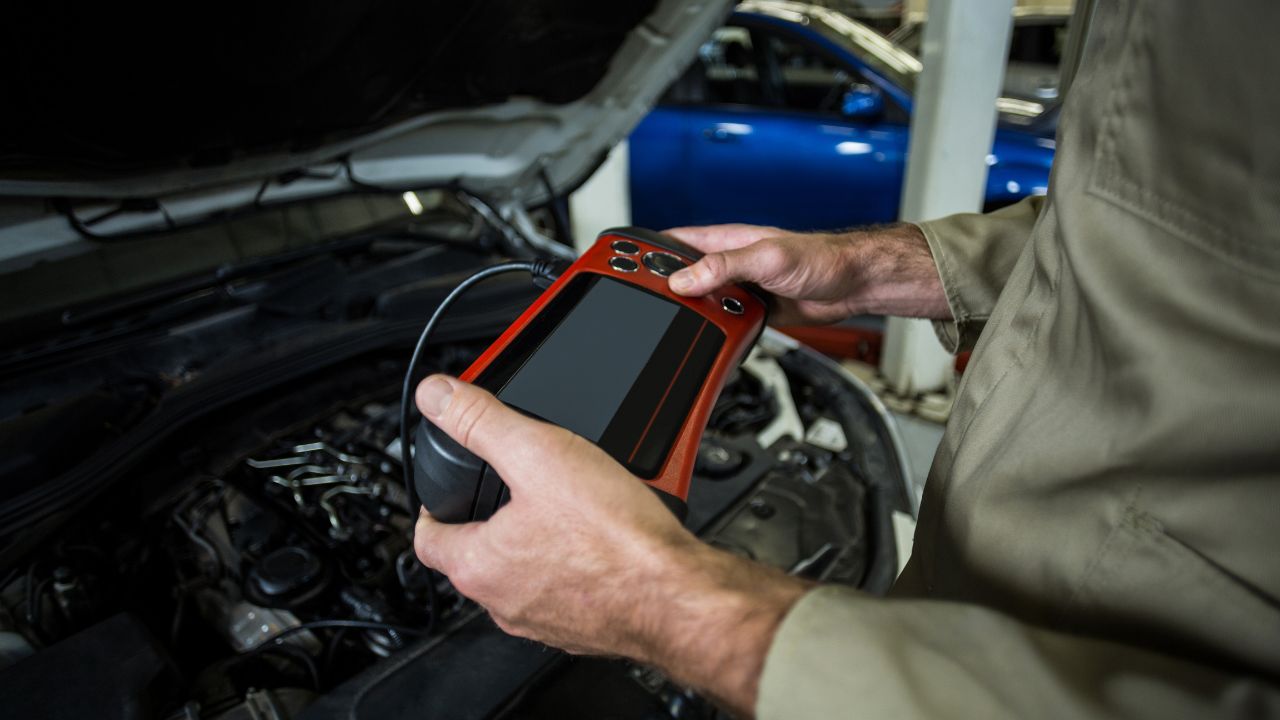
Common repairs for hybrids can include issues with the electrical system, such as the inverter or electric motor, which are generally more complex and costly to fix compared to non-hybrid cars. A typical inverter replacement could cost between $1,000 and $2,000. The availability of specialized mechanics and repair shops can also impact service costs, as not all technicians are equipped to handle hybrid-specific components.
It’s crucial for hybrid owners to find qualified technicians who understand the intricacies of hybrid systems. This might mean visiting a dealership or a specialized service center, which can sometimes be more expensive than a general mechanic. However, the peace of mind knowing that a skilled professional is handling the vehicle’s complex systems can outweigh the additional cost.
Fuel Efficiency Savings vs. Maintenance Costs
One of the primary advantages of owning a hybrid vehicle is the potential fuel savings. Hybrids like the Honda Insight offer impressive fuel efficiency, often exceeding 50 miles per gallon. Over the vehicle’s lifetime, this can lead to significant savings compared to traditional vehicles, especially with fluctuating fuel prices.
While hybrids may have higher initial purchase prices and potentially more expensive repairs, the overall maintenance expenses can be offset by fuel efficiency benefits. For example, a hybrid owner may save several thousand dollars in fuel costs over 100,000 miles, which can help balance out any additional maintenance expenses.
Real-world examples show that many hybrid owners experience net savings when considering both fuel efficiency and maintenance costs. The key is to evaluate individual driving habits and needs to determine whether a hybrid vehicle offers the best financial outcome.
Resale Value and Depreciation
Hybrid vehicles generally hold their value well over time, thanks to their growing popularity and eco-friendly appeal. Factors influencing resale value include technology advancements, market trends, and the overall condition of the vehicle. Hybrids like the 2025 Hyundai Ioniq 5 are likely to retain their value due to improvements in battery technology and increased consumer demand.
To maximize the resale value of a hybrid car, owners should maintain detailed service records, keep the vehicle in good condition, and stay informed about the latest technological advancements. Regular maintenance and timely repairs can help preserve the vehicle’s performance and appeal to potential buyers.
Market demand for hybrids continues to rise as more consumers prioritize sustainability and fuel efficiency. This trend suggests that hybrids will likely remain a valuable asset in the used car market, providing a potential financial advantage for owners looking to sell or trade in their vehicles.