As electrification, downsizing, and automation accelerate, a particular breed of car is quietly slipping away. The models below, centered on manual gearboxes and traditional performance hardware, illustrate how quickly that landscape is changing. Each one shows how limited the future now looks for drivers who still want to shift for themselves or savor classic engine layouts.
Toyota GR86
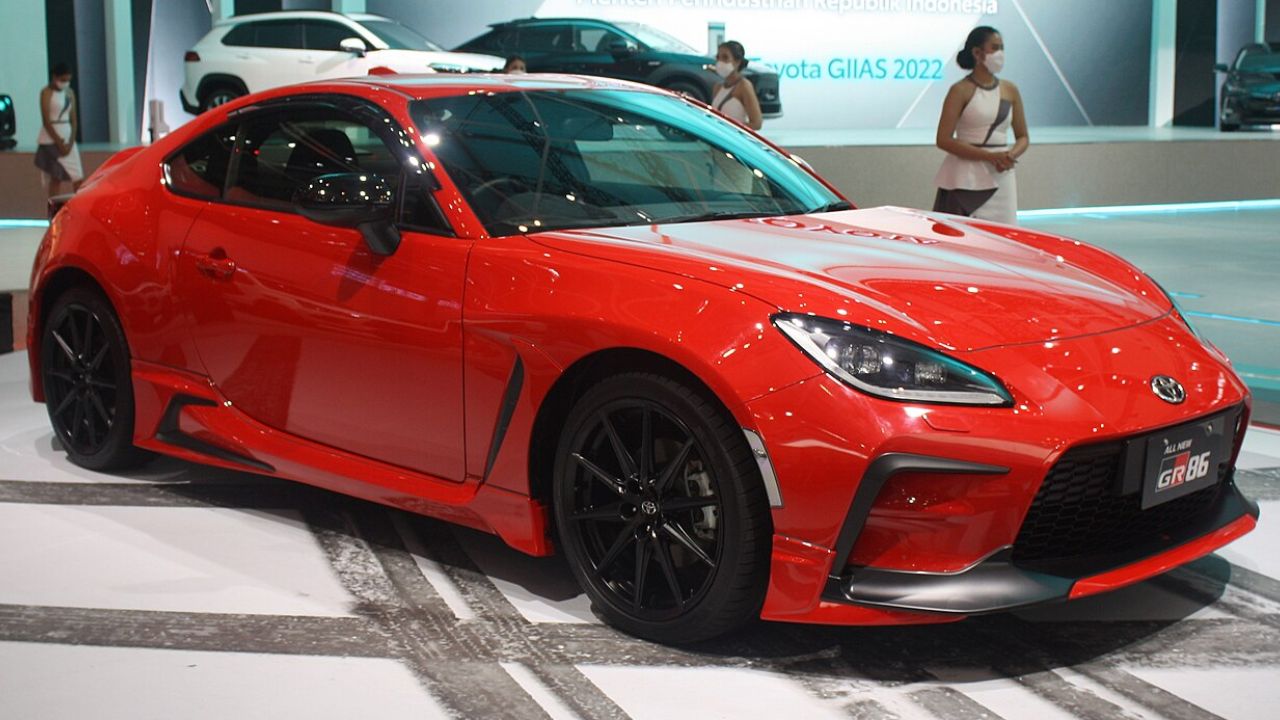
The Toyota GR86 stands as one of the clearest examples of a vanishing breed, a light rear wheel drive coupe that still offers a manual gearbox. In lists of Manual Transmission Cars Still Available, the GR86 appears as a rare affordable sports car that has not abandoned the third pedal. Its naturally aspirated four cylinder, modest footprint, and relatively low weight recall an era when driver involvement mattered more than outright numbers.
For enthusiasts, the stakes are obvious. As automatic transmissions and electric powertrains dominate, the GR86 shows how few mainstream brands still invest in analog driving experiences. Once Toyota decides that emissions rules, safety regulations, or simple economics no longer justify this layout, the template of a simple, manual, rear drive coupe may disappear from new car showrooms altogether.
Nissan Z
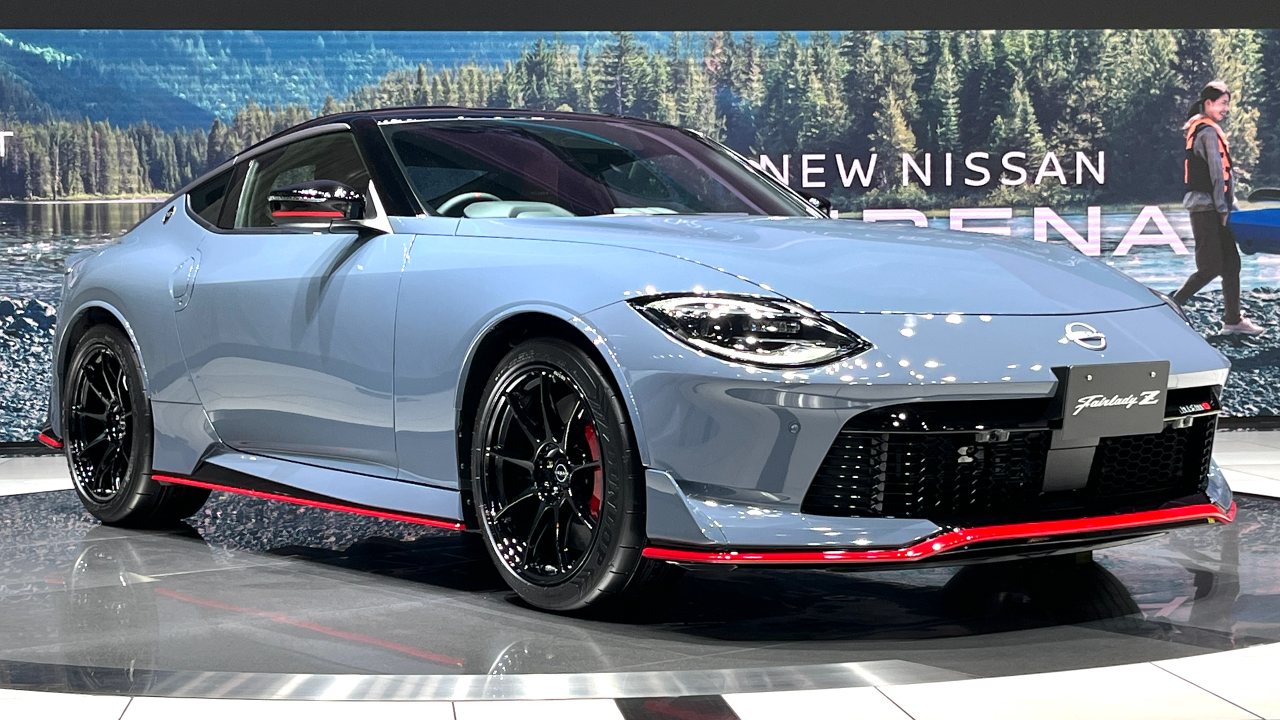
The Nissan Z continues a lineage that stretches back more than half a century, yet its current form is already framed as an endangered species. Coverage of 2026 manual transmission offerings highlights the Z, including the hotter Nissan Z NISMO, as one of the few modern performance cars still pairing a powerful turbocharged engine with a manual option. That combination, once common, is now increasingly rare as dual clutch and automatic units become the default.
This matters because the Z is not a niche track special but a relatively attainable sports car that still prioritizes driver engagement. If Nissan eventually follows rivals in dropping the manual, the market for front engine, rear drive coupes with a stick will shrink further. For younger drivers seeking a first serious performance car, the Z’s potential disappearance as a manual could mark a decisive break with the past.
Acura Integra
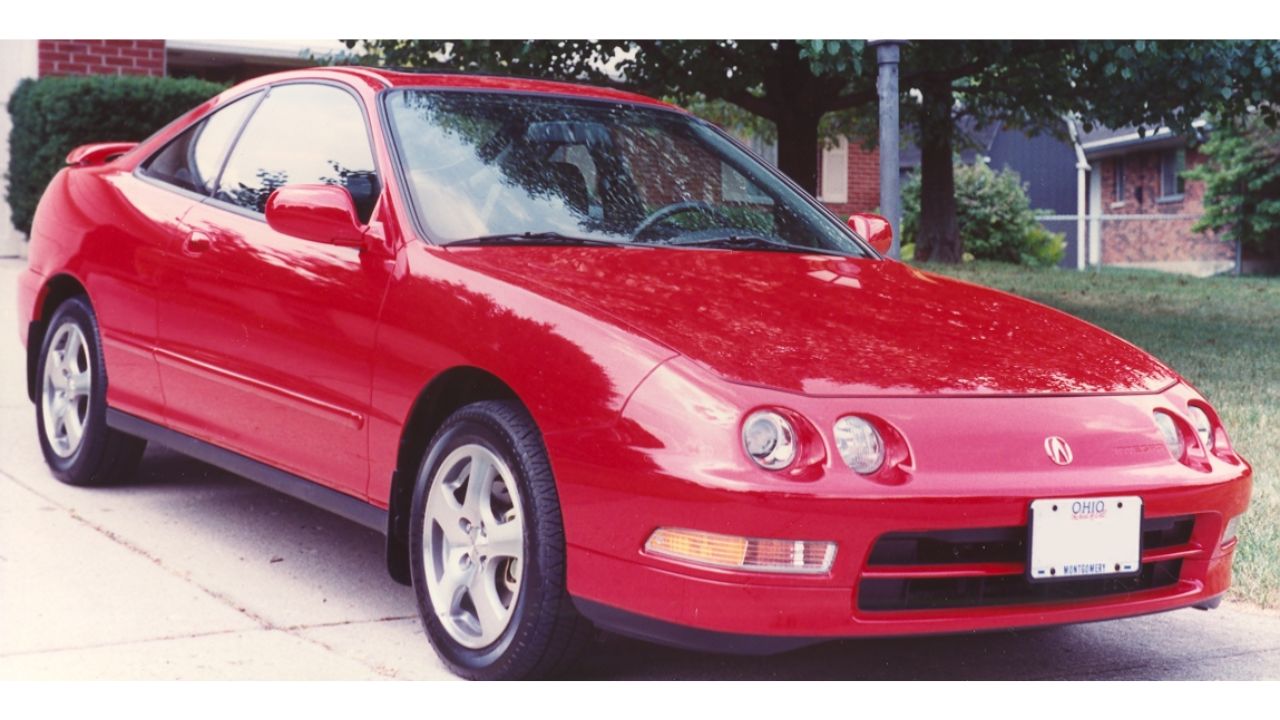
The Acura Integra, revived after a long absence, represents another shrinking corner of the market, the premium compact hatchback with a manual gearbox. Lists of vehicles where the manual gearbox to survive still include the Acura Integra, underscoring how unusual it has become for an upscale brand to offer a stick shift at all. The car’s layout, with a turbocharged four cylinder and front wheel drive, is familiar, but the choice to let drivers row their own gears is not.
For stakeholders, the Integra’s existence tests whether there is enough demand among enthusiasts to keep such configurations alive. If sales tilt overwhelmingly toward automatic versions, executives will have a clear rationale to end manual production. That would further narrow options for buyers who want a practical, refined daily driver that still offers the tactile connection of a clutch pedal and gear lever.
BMW M2

The BMW M2 illustrates how manual transmissions are retreating even from traditional performance strongholds. In listings highlighting cars and trucks that still offer a manual transmission, the BMW M2 is often included among a steadily diminishing selection of high-performance vehicles that continue to provide a six-speed option. This compact coupe, with rear wheel drive and a powerful turbocharged six cylinder, channels a formula that once defined the brand’s identity.
The implications extend beyond a single model. If BMW eventually decides that emissions targets, development costs, and customer preferences no longer justify engineering manual gearboxes for its M cars, the M2 could be remembered as one of the last pure driver focused coupes from a major German manufacturer. That shift would signal a broader move toward automated performance, where speed increases but driver involvement fades.
Cadillac CT4-V Blackwing

The Cadillac CT4-V Blackwing shows how rare manual, rear drive sport sedans have become, particularly in the luxury segment. Coverage of Blackwing and CT5-V Blackwing models emphasizes that the Cadillac CT4-V and CT5-V Blackwing are described as the final rear wheel drive, manual performance sedans from the brand. The CT4-V Blackwing, in particular, pairs a potent engine with a six speed manual, a configuration that once defined American sports sedans but is now nearly extinct.
For performance oriented buyers, the CT4-V Blackwing’s likely status as a last of its line raises the stakes for current production years. Once Cadillac transitions fully to electric platforms and automatic transmissions, the opportunity to buy a new, manual, rear drive sedan from a major American luxury marque may vanish. Collectors are already watching these cars closely, anticipating that scarcity will enhance their long term significance.
BMW 8 Series

The BMW 8 Series, a large grand tourer, is being retired, highlighting how big combustion coupes are losing their place in lineups. Detailed listings of cars that are dying in 2026 show the BMW 8 Series among models that manufacturers are discontinuing as they refocus on crossovers, electric vehicles, and more profitable segments. Even without a manual transmission, the 8 Series represents a breed of long distance, two door luxury cars that once served as brand flagships.
The decision to end the 8 Series underscores a broader trend away from low volume coupes toward versatile, high riding vehicles. For enthusiasts who value the aesthetics and driving feel of a large two door, the disappearance of such models narrows choices to a handful of ultra expensive exotics. The 8 Series’ exit therefore marks another step in the decline of traditional grand touring coupes from mainstream premium brands.
Jeep Wrangler 4xe (current generation)

The Jeep Wrangler 4xe, in its current plug in hybrid form, is also facing discontinuation, illustrating how even off road icons are being reshaped. Roundups tracking vehicles expected to fade out by 2026 indicate that the Jeep Wrangler 4xe is approaching the end of its current form, as Jeep shifts toward updated electrification plans and future strategy adjustments. The model blended traditional body on frame construction with plug in hybrid technology, serving as a bridge between heritage and future regulations.
For off road enthusiasts, the shift raises questions about how future Wranglers will balance capability, character, and emissions compliance. If subsequent versions move further toward full electrification and away from the current formula, the existing 4xe generation could be remembered as the last Wrangler that combined a recognizable mechanical layout with early stage electrified assistance, rather than a fully reimagined powertrain.
Toyota Corolla (manual)

The Toyota Corolla, in manual form, represents another fading option, the compact sedan with a stick shift. Lists of every new vehicle available with a stick shift in Canada highlight the Toyota Corolla with a rating of 3.25 and an MSRP range from $25,020 to $33,340, figures that underline its role as an attainable entry point to manual driving. Yet the manual take rate in this segment is typically low, making its long term survival uncertain.
As automatic transmissions become more efficient and widely accepted, manufacturers have little incentive to keep engineering manual variants of high volume compacts. If Toyota eventually removes the manual option from the Corolla, everyday drivers who want to learn or continue using a stick will lose one of the few affordable, practical choices left, pushing manual ownership further into niche territory.
Toyota Corolla Hatchback (manual)
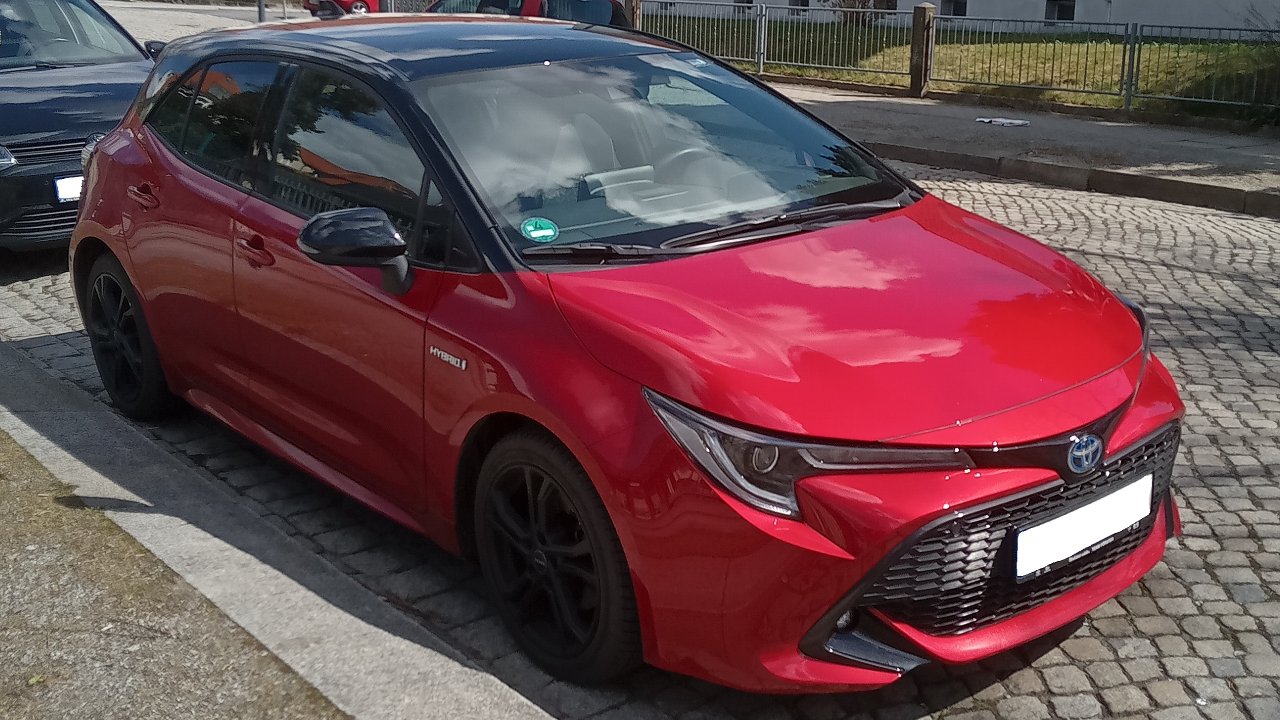
The Toyota Corolla Hatchback, also available with a manual, offers a slightly sportier take on the same endangered formula. In the same Canadian stick shift listings, the Toyota Corolla Hatchback is shown with a rating of 3.80, reinforcing that it appeals to drivers seeking more engagement than the average compact. Its manual option, however, faces the same commercial pressures as the sedan, with limited demand and higher development complexity compared with automatics.
For younger buyers and enthusiasts who need practicality but still want a manual, the Corolla Hatchback is one of the last mainstream choices. If it eventually loses its stick shift, the market for affordable, manual, five door compacts will contract sharply. That would leave only a small group of performance oriented models, often at higher prices, to carry the manual torch.
Cadillac CT5-V Blackwing

The Cadillac CT5-V Blackwing stands alongside its smaller sibling as a final expression of the manual, rear drive super sedan. Coverage of Manual Transmission performance cars notes that Cadillac offers the CT5-V Blackwing with a six speed manual, pairing it with a powerful engine and track capable chassis. This configuration, once a hallmark of German and American sports sedans alike, is now almost unique.
The broader trend toward electrification and automatic gearboxes suggests that Cadillac will not repeat this formula indefinitely. As the brand moves toward new platforms and powertrains, the CT5-V Blackwing is poised to become a reference point for what large, combustion powered, manual sedans once were. For collectors and drivers alike, its eventual disappearance will symbolize the end of an era when four door family cars could still deliver uncompromised, manual controlled performance.
More from Fast Lane Only