

Some cars were so odd, underpowered, or just plain ugly when they came out that people didn’t take them seriously. But time has a way of flipping the script. These 10 vehicles went from punchlines to collector’s items, and today, they’re commanding attention—and big money.
BMW Isetta
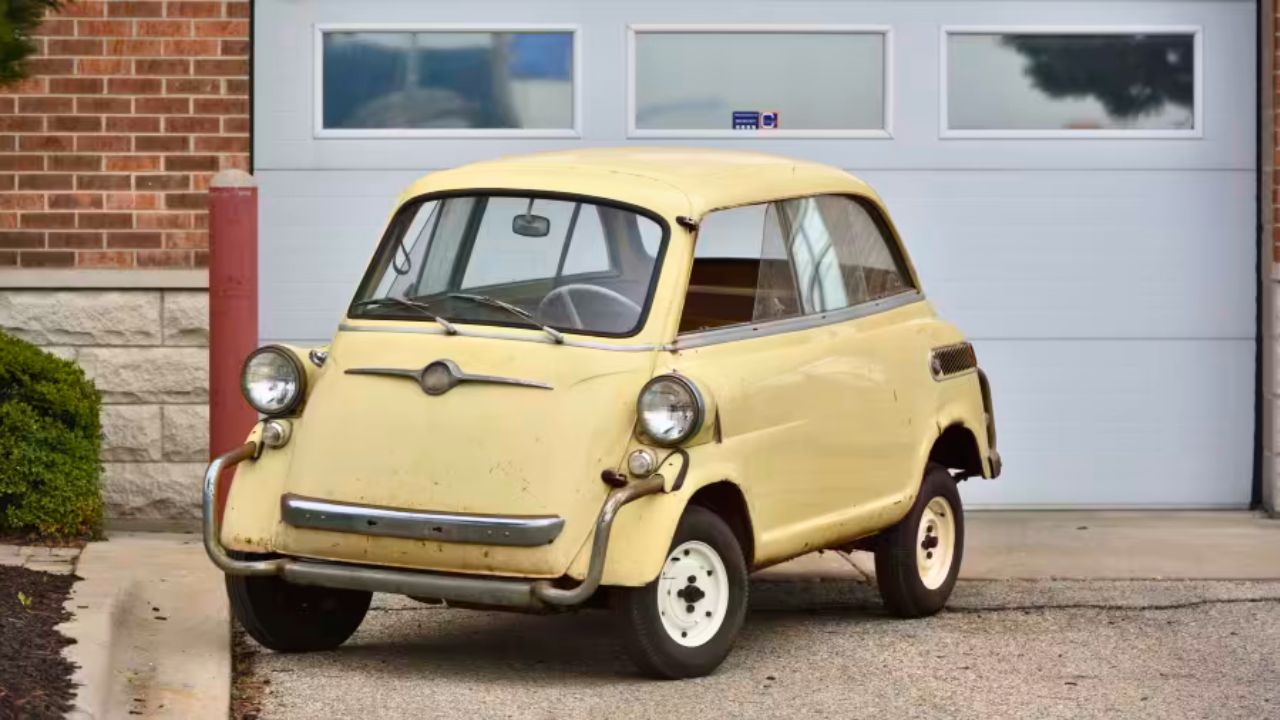
Back in the 1950s, the BMW Isetta looked more like a refrigerator on wheels than something you’d want to drive. It had one door—on the front—and a single-cylinder 250cc engine making just 12 horsepower.
But what once drew laughs now draws collectors. The Isetta played a big role in helping BMW stay afloat after World War II. Its quirky shape and historic importance have driven prices up, with clean examples easily pushing past $40,000.
AMC Pacer
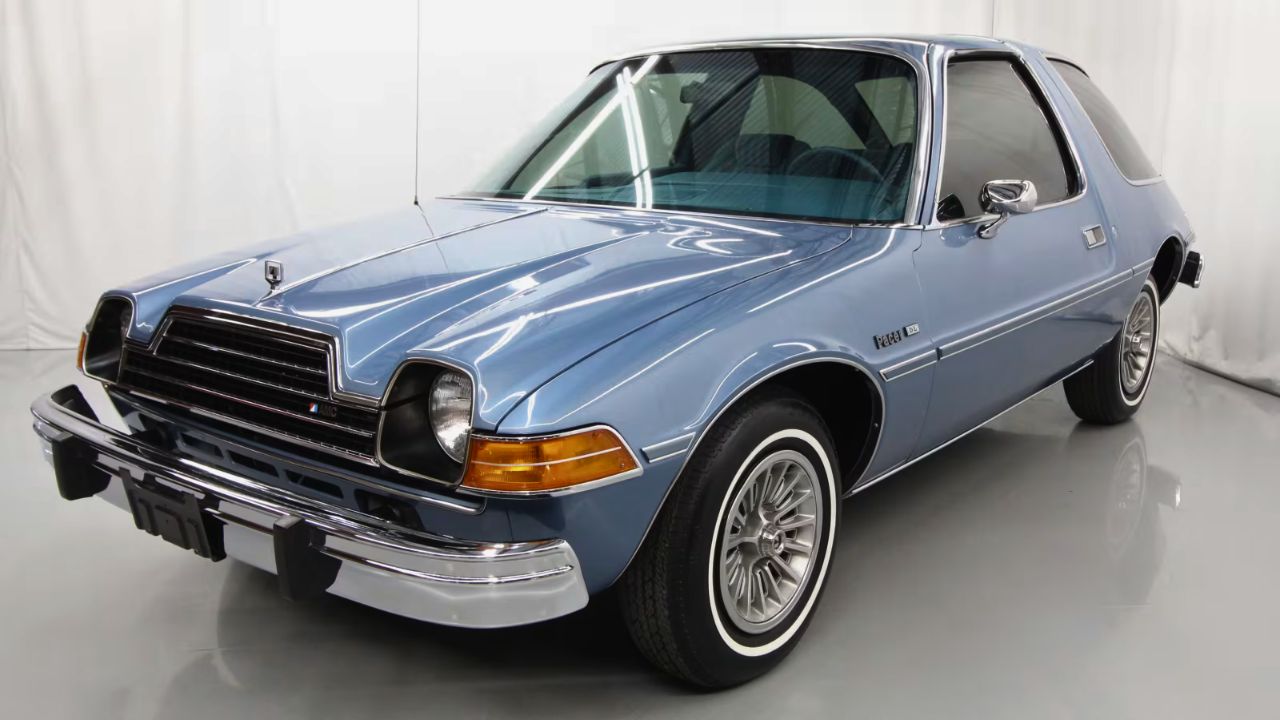
The AMC Pacer was the butt of a thousand jokes in the ’70s. It was wide, awkwardly styled, and often labeled “the fishbowl” because of all the glass. It didn’t help that it only made around 90–120 horsepower depending on the engine.
Today, the Pacer has gained a cult following, helped along by appearances in movies like Wayne’s World. Well-preserved Pacers now fetch serious cash, especially if they have the wood paneling and original hubcaps still intact.
DeLorean DMC-12
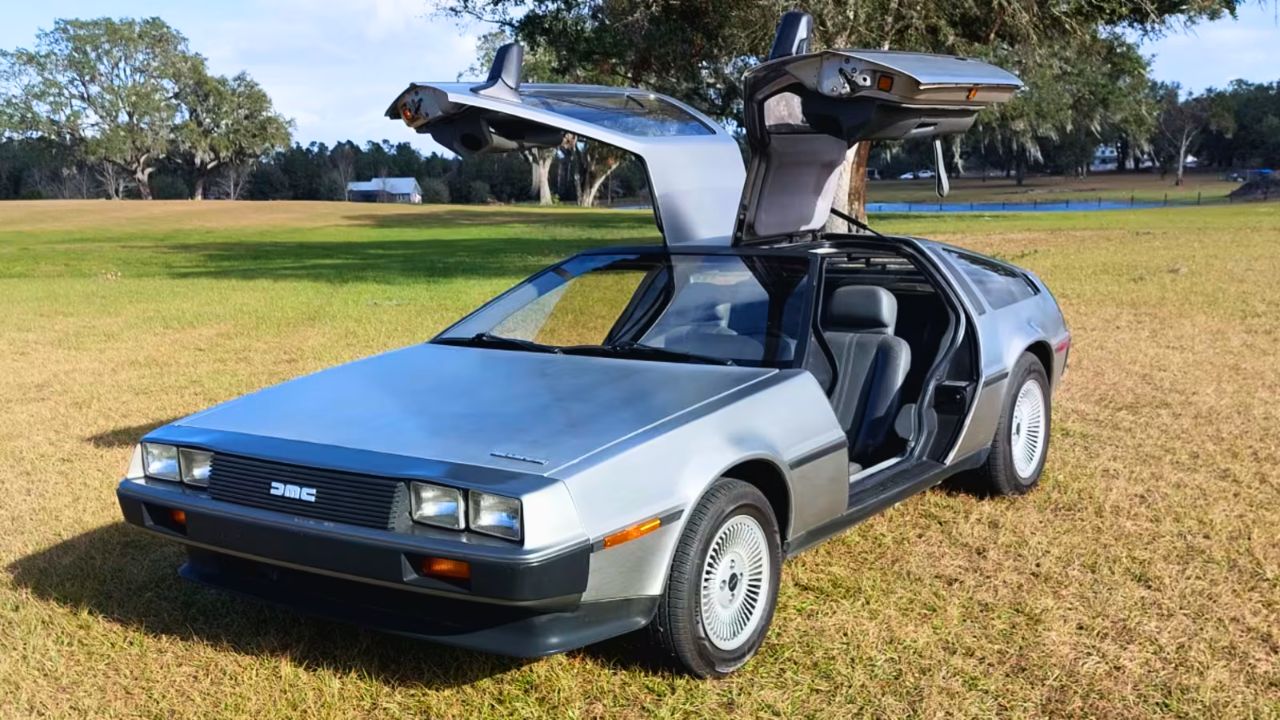
The DeLorean was panned when it launched. It was underpowered with a 130-hp V6, its build quality was questionable, and its price was steep. But one thing it had going for it: those gullwing doors and stainless-steel body.
Fast forward to today, and the DMC-12 is a certified pop culture icon. Thanks to Back to the Future, collector demand has skyrocketed. Running models regularly sell for $60,000 or more—and that’s before any time machine replicas are involved.
Volkswagen Thing
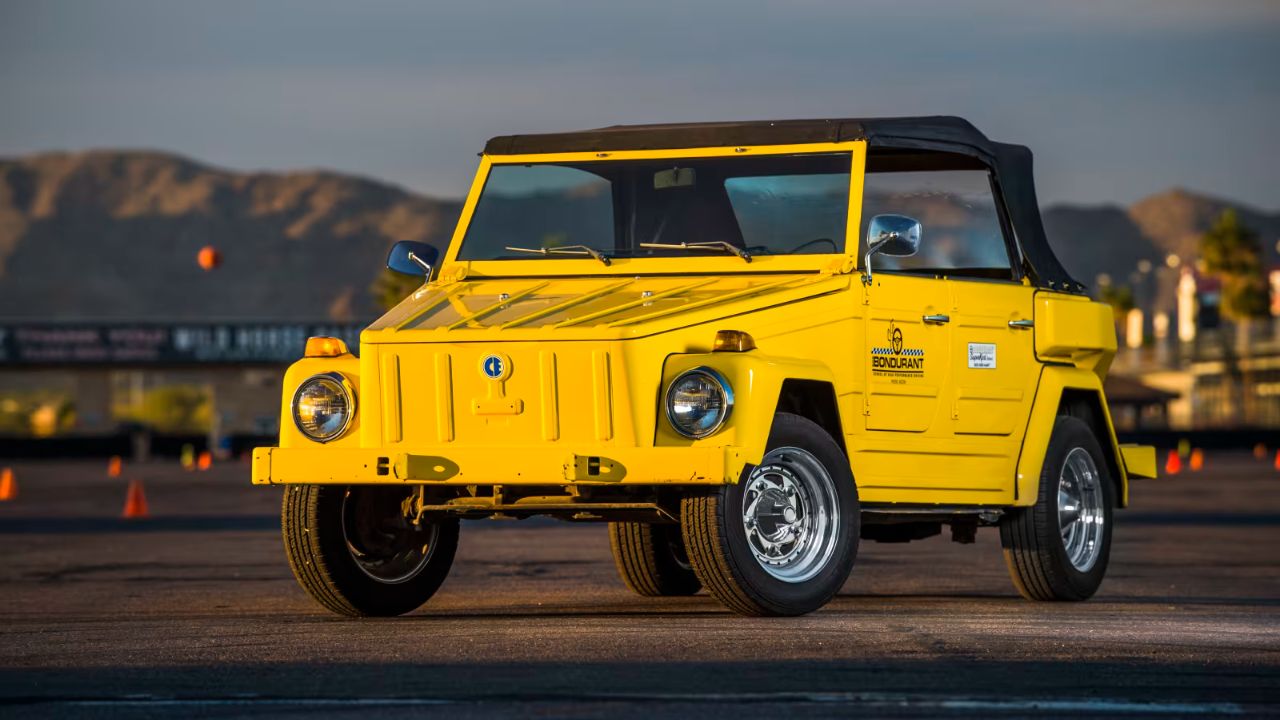
When it debuted in the U.S. in 1973, the VW Thing was dismissed as weird and pointless. It looked like a military surplus truck and had the same 46-hp flat-four engine as the Beetle.
But it’s that unapologetic simplicity that makes it valuable today. Originally intended as a utilitarian vehicle for all conditions, the Thing has found new life as a rugged, open-top collectible. Prices now often top $30,000 for well-maintained examples.
Subaru BRAT
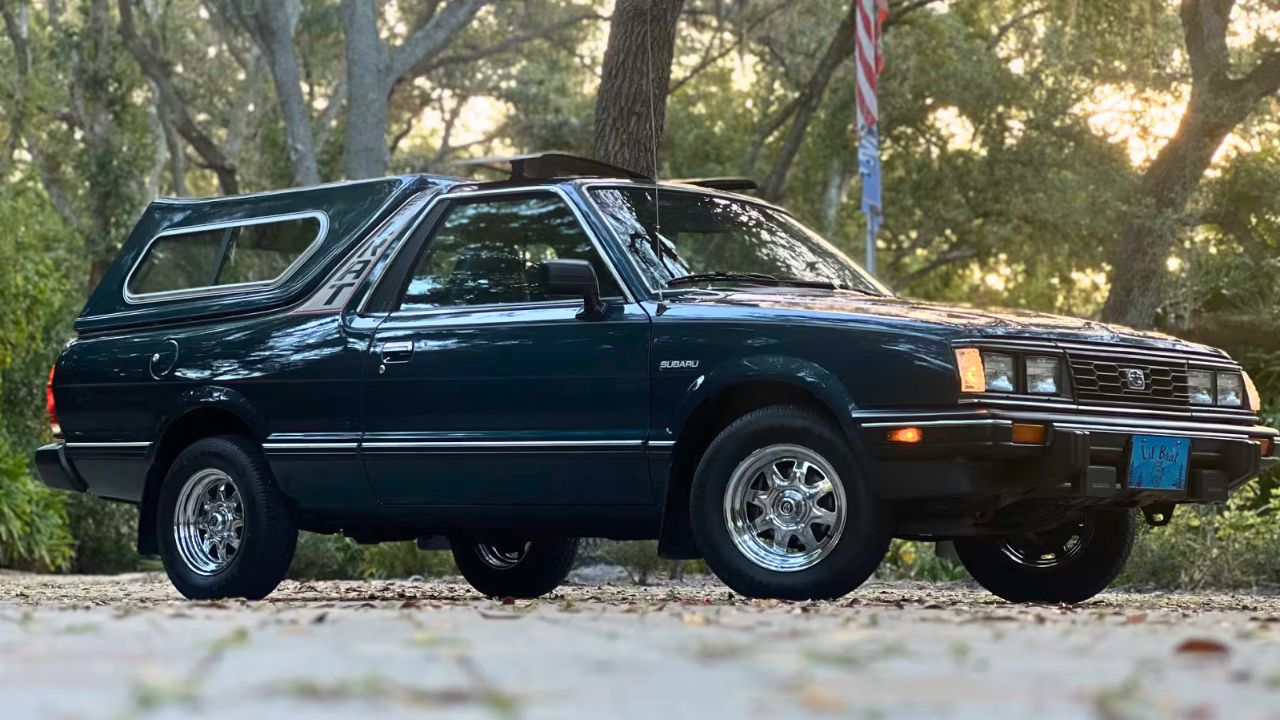
The Subaru BRAT (Bi-Drive Recreational All-terrain Transporter) was part pickup, part economy car, and all strange. With jump seats in the bed and a compact footprint, it looked like a toy. Most people didn’t take it seriously.
Now, those jump seats—added to avoid U.S. import taxes—are part of its appeal. The BRAT’s rarity and oddball factor have turned it into a collector’s item. Clean examples with the seats intact can fetch over $20,000.
Pontiac Aztek
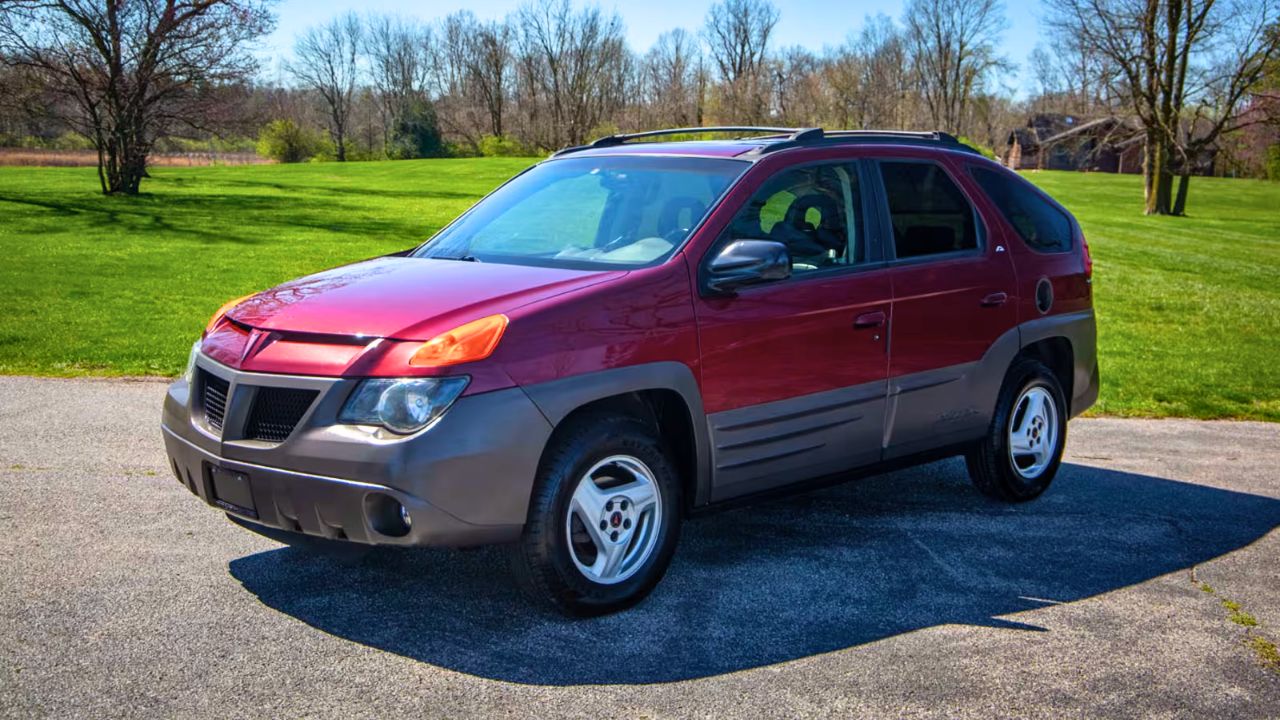
The Aztek was roasted from the moment it hit the road. Critics hated its styling, and buyers weren’t exactly lining up either. It was loaded with plastic cladding and weird proportions, and sales were underwhelming.
But it got a second chance. After its role as Walter White’s car in Breaking Bad, the Aztek became a cult icon. People now hunt for good-condition models, and prices have risen sharply—some selling for double what they were a few years ago.
Yugo GV

The Yugo was once considered the worst car you could buy in the U.S. It was built cheaply, broke down often, and had a 55-hp engine that made merging onto highways feel like a gamble.
Today, its infamy makes it interesting. Collectors love the oddities of automotive history, and a clean Yugo is a rare find. While it won’t break six figures, they’ve become surprisingly collectible, especially for people who want a conversation piece at car shows.
Ford Pinto
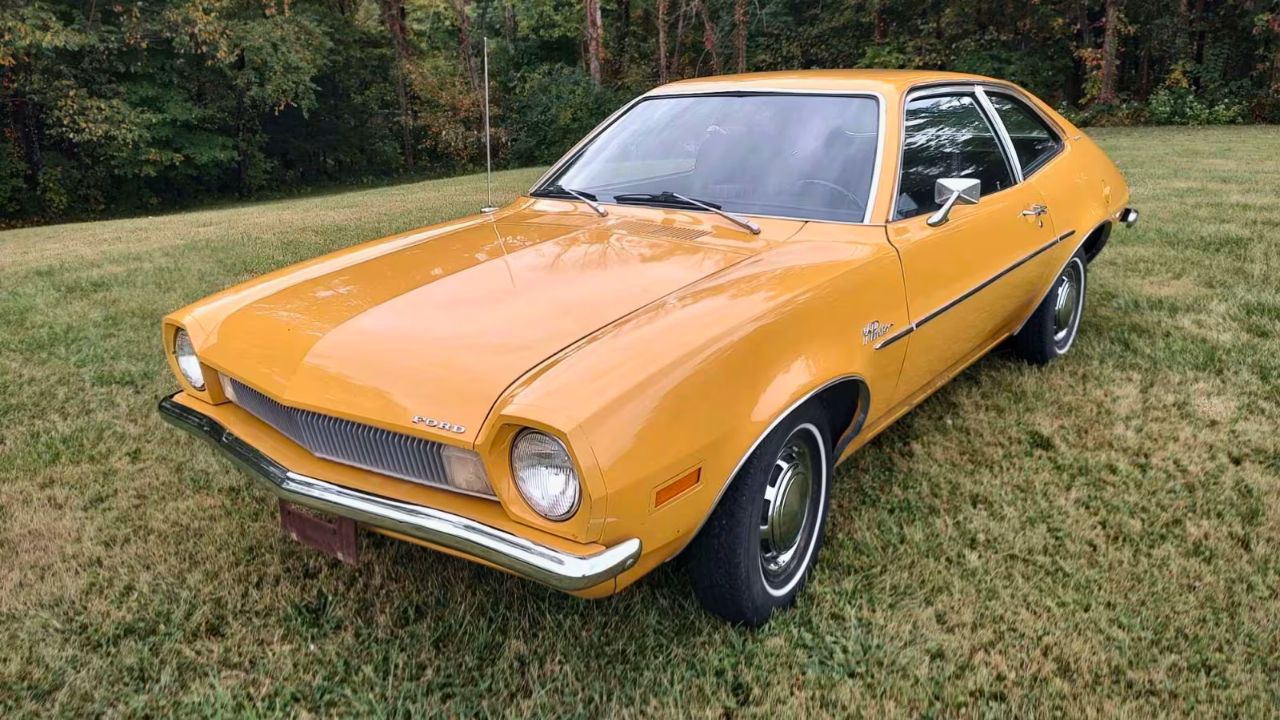
The Pinto was the poster child for bad press in the ’70s. It wasn’t just the odd styling or underwhelming power—it was the fire-prone fuel tank placement that sparked public outrage.
Despite its rocky reputation, the Pinto is now getting a bit of love. Survivors are rare, and nostalgia has played a big role in reviving interest. Enthusiasts have started restoring them, and values have steadily climbed over the past few years.
Chevrolet Corvair
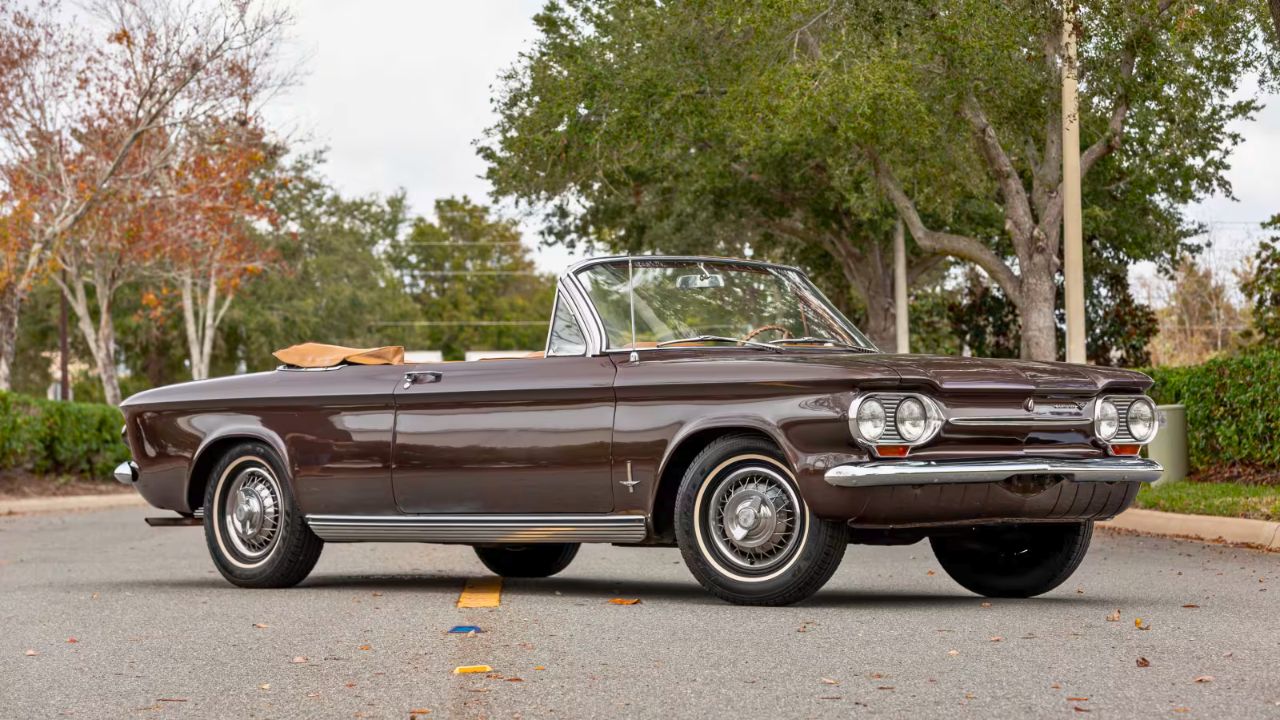
Ralph Nader basically buried the Corvair’s reputation with Unsafe at Any Speed. It was accused of handling dangerously due to its rear-engine design, and sales took a hit even before the book came out.
But time—and better suspension knowledge—has been kind to the Corvair. Its design was ahead of its time, and it had real engineering merit. Now it’s a cult classic, especially the turbocharged Monza models, which can fetch over $25,000.
Toyota Previa
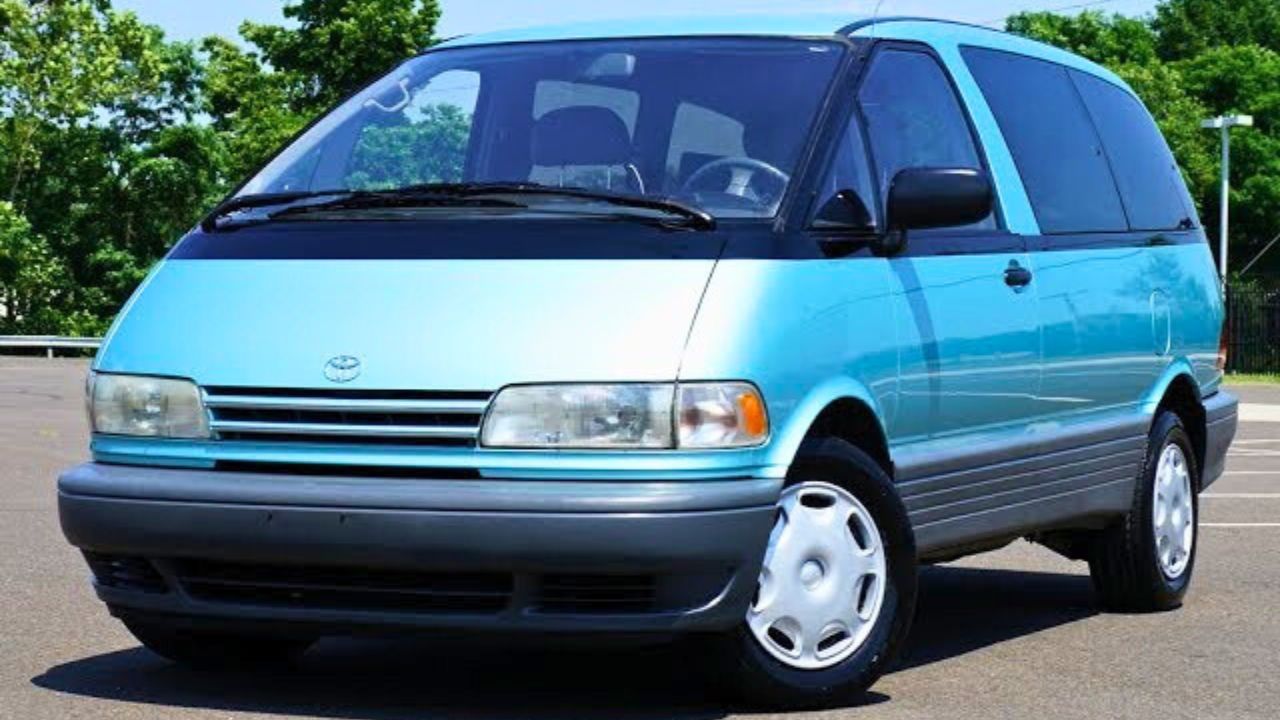
The Toyota Previa looked like it belonged in a science fiction movie. Its egg shape and mid-engine layout raised eyebrows, and it struggled to compete with more traditional minivans in the U.S. market.
Now? People are realizing how advanced it was. The Previa’s supercharged models, quirky design, and surprising reliability have made them desirable among collectors and JDM fans alike. Prices for clean, low-mileage models have gone way up, especially if they have AWD or manual transmissions.
*This article was hand crafted with AI-powered tools and has been car-fully, I mean carefully, reviewed by our editors.




Leave a Reply