Classic American cars did more than move people from place to place; they helped define technology, style, and even national identity. From brass-era runabouts to electric sedans, these machines reshaped expectations of performance, freedom, and everyday mobility. The following ten models show how American engineering and design repeatedly changed automotive culture for drivers, enthusiasts, and the wider industry.
Ford Model T (1908–1927)
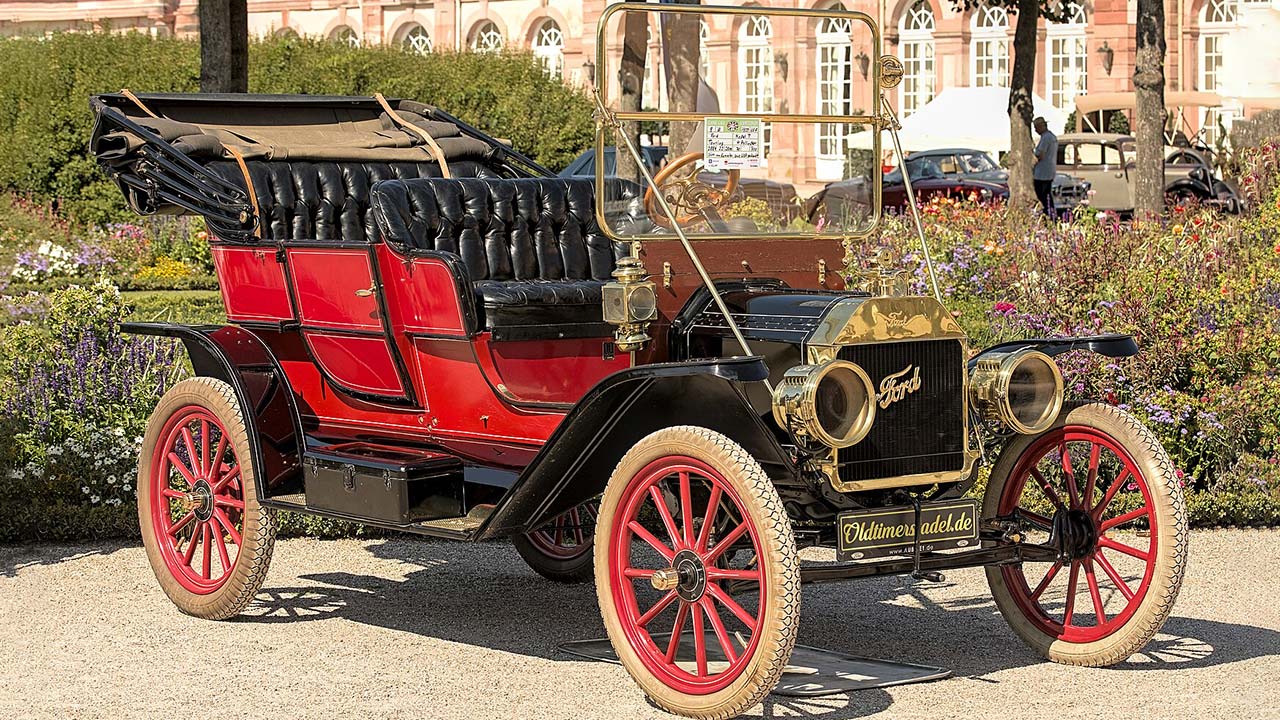
The Ford Model T turned the automobile from a luxury object into basic transportation for ordinary families. Reports on classic models explain that the Ford Model arrived in 1908 and quickly became a “game-changer” for American manufacturing and culture. Affordable pricing, standardized parts, and assembly line production let workers who built the car actually buy one, which reshaped expectations about mobility and work.
Analysts of Classic Cars note that the Ford Model T appears at the top of global lists because it normalized car ownership itself. Rural drivers could reach markets and schools, while city residents gained new access to suburbs and recreation. That broad social reach is why the Model T still anchors discussions of how American engineering influenced everyday life worldwide.
Oldsmobile Curved Dash Model R (1901–1903)

The Oldsmobile Curved Dash Model R showed early buyers that a car could be a practical product rather than a fragile experiment. Coverage of game-changing vehicles highlights the Oldsmobile Model R as the First Mass Production Car and describes a Front quarter view that became iconic in period advertising. Built from 1901 to 1903, it used simple controls and a modest single-cylinder engine to keep costs and complexity down.
That formula let Oldsmobile push volume production years before the Ford Model T refined the concept. By proving that standardized parts and repeatable assembly could support real sales, the Curved Dash Model R gave manufacturers a template for scaling up. For early motorists, it also made ownership less intimidating, which helped create a customer base that later American brands would compete fiercely to serve.
Willys-Overland Jeep CJ-2A (1945–1949)

The Willys-Overland Jeep CJ-2A translated wartime utility into civilian life and turned the Jeep name into a cultural reference. Built from 1945 to 1949, the CJ-2A adapted the familiar military Jeep layout with a tailgate, side-mounted spare, and practical gear ratios for farms and small businesses. Its rugged four-wheel drive and simple flat-fender bodywork signaled that this was a working tool as much as a recreational vehicle.
Analysts who track how Classic cars influence American culture emphasize that models like the CJ-2A helped embed off-road capability in national identity. Veterans recognized the shape and trusted its durability, while rural buyers used it for towing, plowing, and hauling. That blend of nostalgia and function laid the basis for the modern SUV boom, where buyers still expect trucks to mix daily driving with weekend adventure.
Ford F-Series (1948–Present)
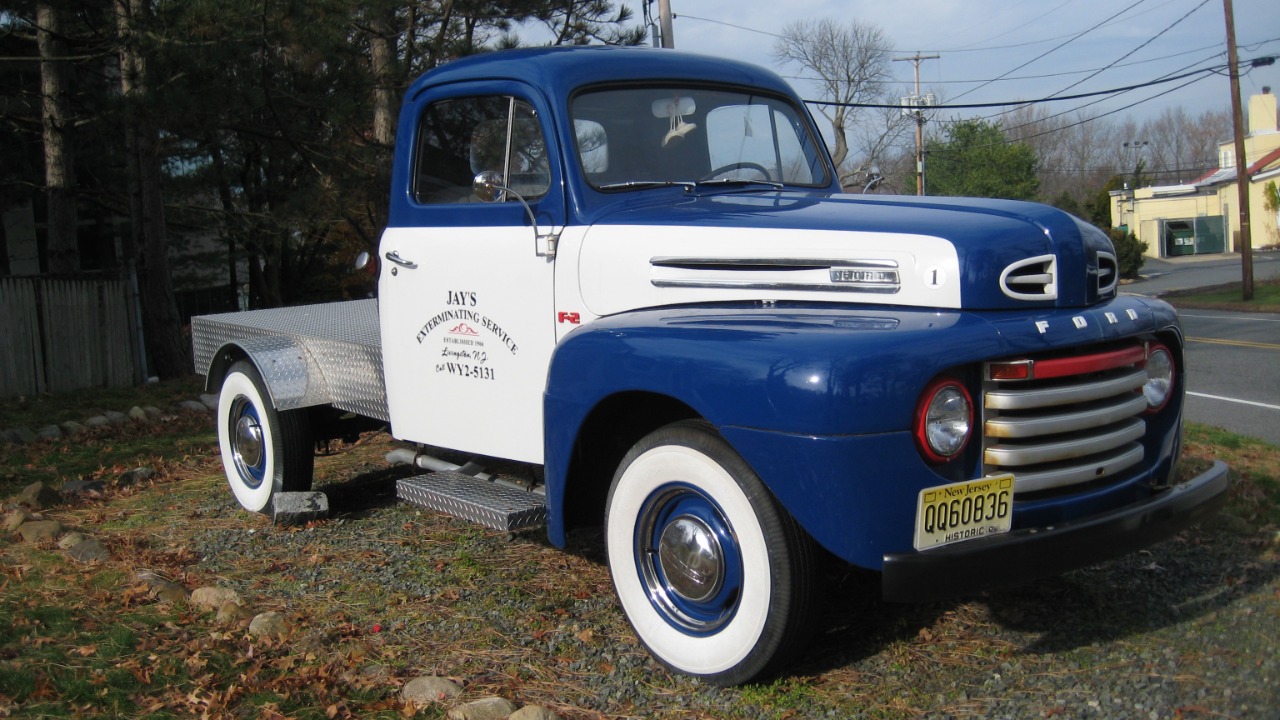
The Ford F-Series, introduced in 1948, turned the pickup from a farm implement into a central figure in American life. Early postwar versions focused on payload and durability, but later generations added comfort, styling, and technology that attracted suburban and commercial buyers alike. By the time the line expanded into F-150, F-250, and heavier variants, the F-Series had become a default choice for contractors, fleets, and families.
Histories of iconic American vehicles often point to the F-Series as proof that utility vehicles can also be cultural symbols. Its presence in country music, television, and regional advertising helped connect truck ownership with ideas of independence and hard work. That influence still shapes the market, where rival brands design their own full-size pickups around the expectations the F-Series created.
1955 Chevrolet “Tri-Five” (1955–1957)

The 1955 Chevrolet “Tri-Five” family, covering the 1955, 1956, and 1957 model years, captured the optimism of midcentury America. Clean two-tone paint, generous chrome, and the availability of a modern small-block V8 made these Chevrolets aspirational yet attainable. They appeared in drive-in parking lots, early drag strips, and family photo albums, which helped fix their image as the car of the postwar booWriters who examine American cars point to the Tri-Five’s combination of style and performance as a turning point. It showed that mass-market sedans could deliver real speed without sacrificing comfort or reliability. That balance influenced later muscle cars and family vehicles, and it still fuels a strong collector scene built around Bel Airs, 210s, and 150s.
Cadillac Eldorado (1959 “Tailfin”)

The 1959 Cadillac Eldorado, often identified by its dramatic tailfins, became a rolling symbol of American excess and ambition. Its towering rear fins, dual bullet taillights, and lavish chrome trim pushed styling to extremes that designers elsewhere rarely attempted. Commentators on iconic luxury convertibles describe such open Eldorados as vehicles that reshaped how people experienced driving under the sun.
Beyond spectacle, the Eldorado showcased power accessories, advanced automatic transmissions, and smooth V8 performance that set expectations for American luxury. Its presence in films and music videos later turned the 1959 model into shorthand for classic cool. That cultural weight still influences how designers reference fins and chrome when they want to evoke retro glamour or critique midcentury extravagance.
Ford Mustang (1964.5–1966)
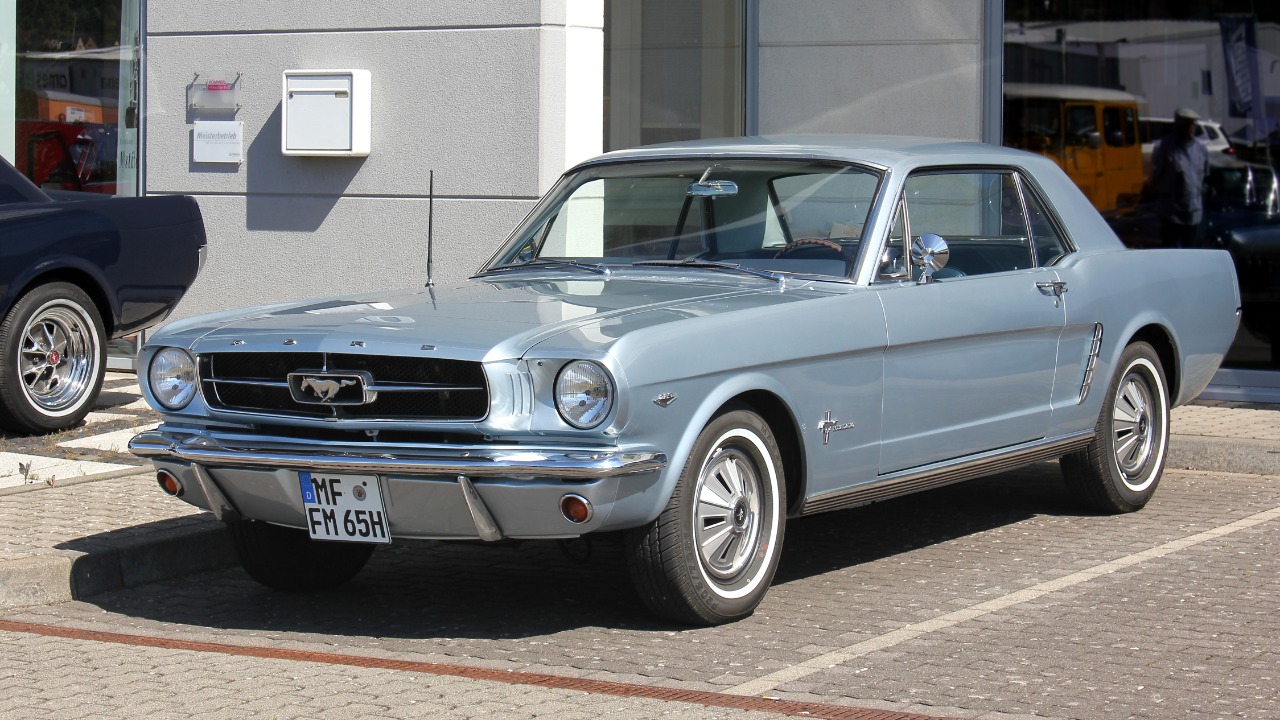
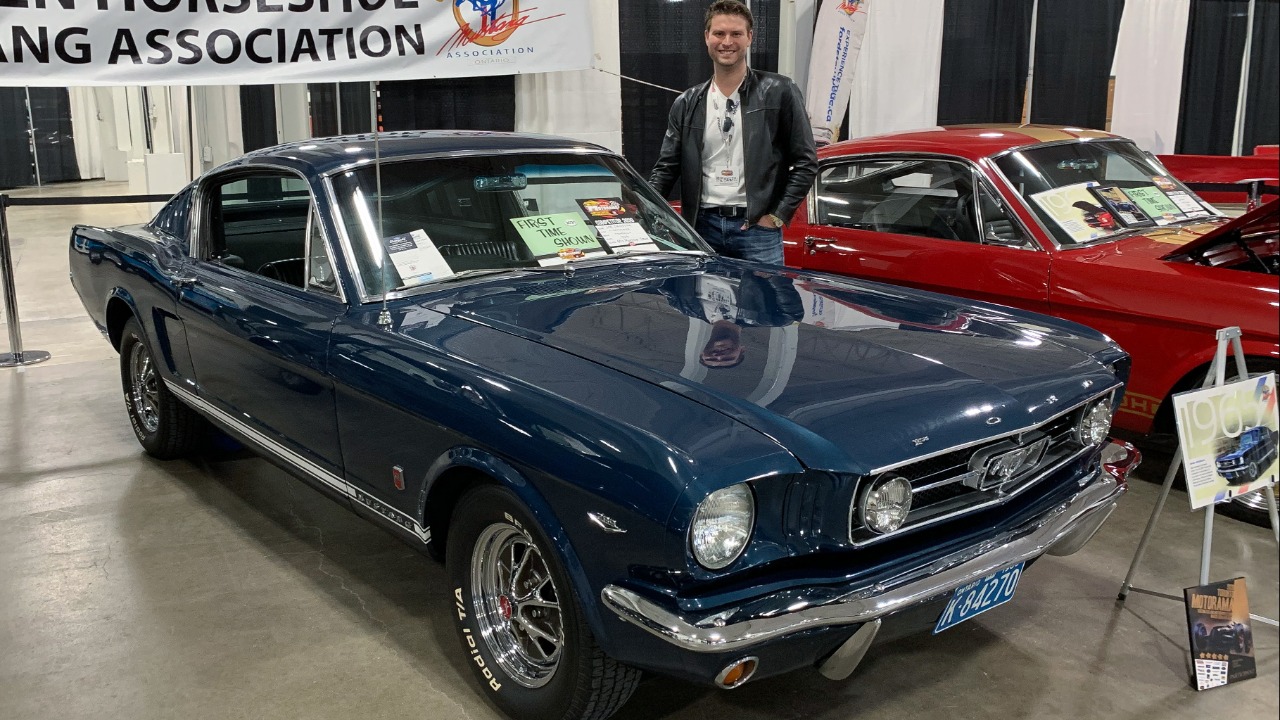
The early Ford Mustang, especially the 1964.5 to 1966 models, created the template for the pony car segment. Compact dimensions, a long hood, and a short rear deck gave it a sporty look, while a wide range of engines and options kept pricing accessible. Analyses of the original Ford Mustang highlight its tough stance and short tail as key visual cues that attracted younger buyers.
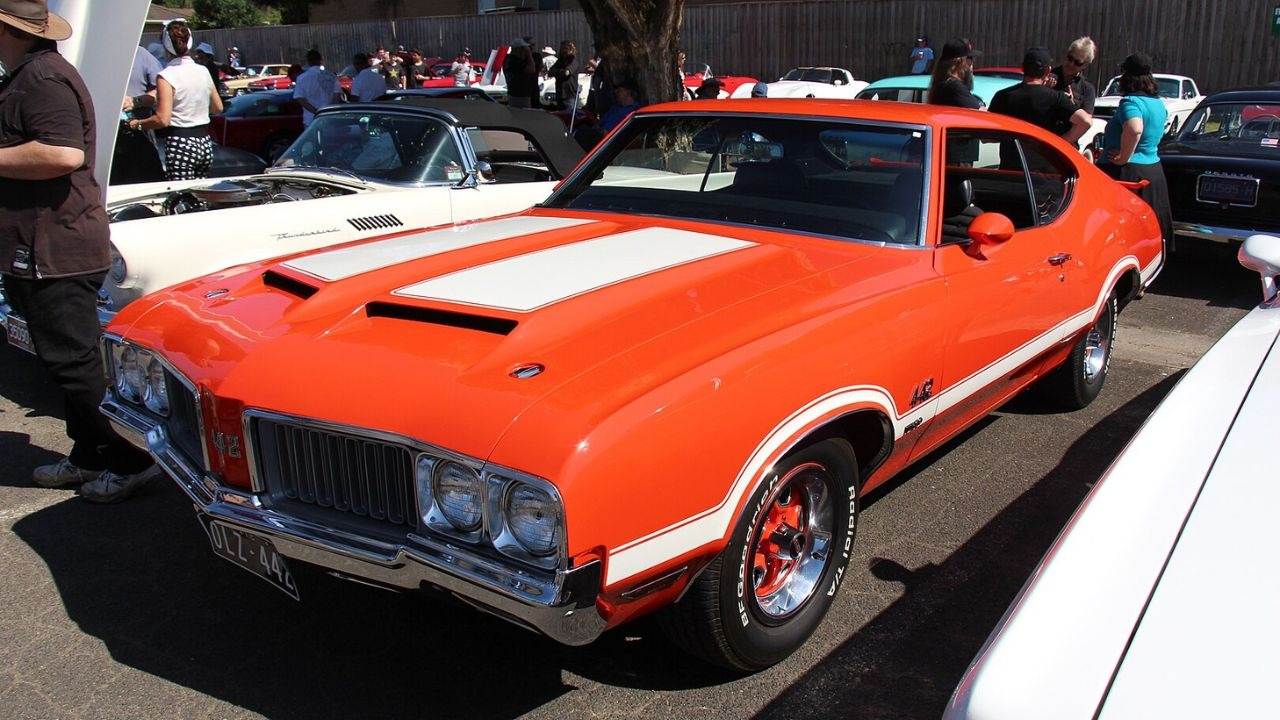
Later performance versions, including the Ford Mustang Boss variants, reinforced that image by adding scoops, vents, and higher output engines. A separate review of classic muscle cars singles out the Ford Mustang Boss with its aggressive styling and references to the number 42 in performance discussions. Together, these early Mustangs linked sporty design with mass-market pricing, which pushed rivals to create their own youth-focused coupes.
Pontiac GTO (1964)

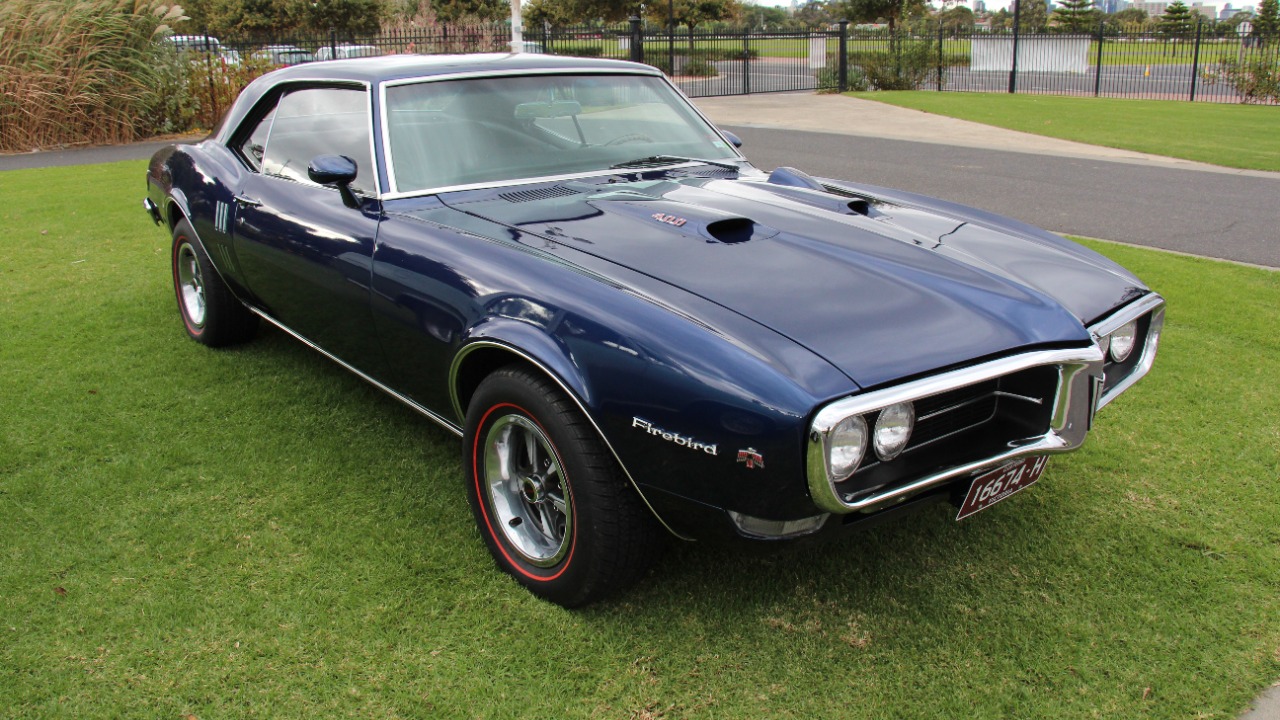
The 1964 Pontiac GTO is widely credited with kicking off the classic muscle car era. By fitting a large V8 into a midsize body, Pontiac created a package that prioritized straight-line speed at a relatively attainable price. Coverage of Evolution Of The explains that between 1964 and 1970, over a million muscle cars were sold, with the Pontiac GTO Judge later becoming an icon.
That surge reflected a new performance arms race among American brands, each trying to outdo the others in horsepower and image. The GTO’s success also influenced insurance rules, safety debates, and eventually emissions regulations, as regulators reacted to the rising speeds on public roads. Even so, the original 1964 model remains a touchstone for enthusiasts who define a Muscle Car by rear-wheel drive, a big engine, and a focus on acceleration.
Chevrolet Corvette Sting Ray (1963–1967)
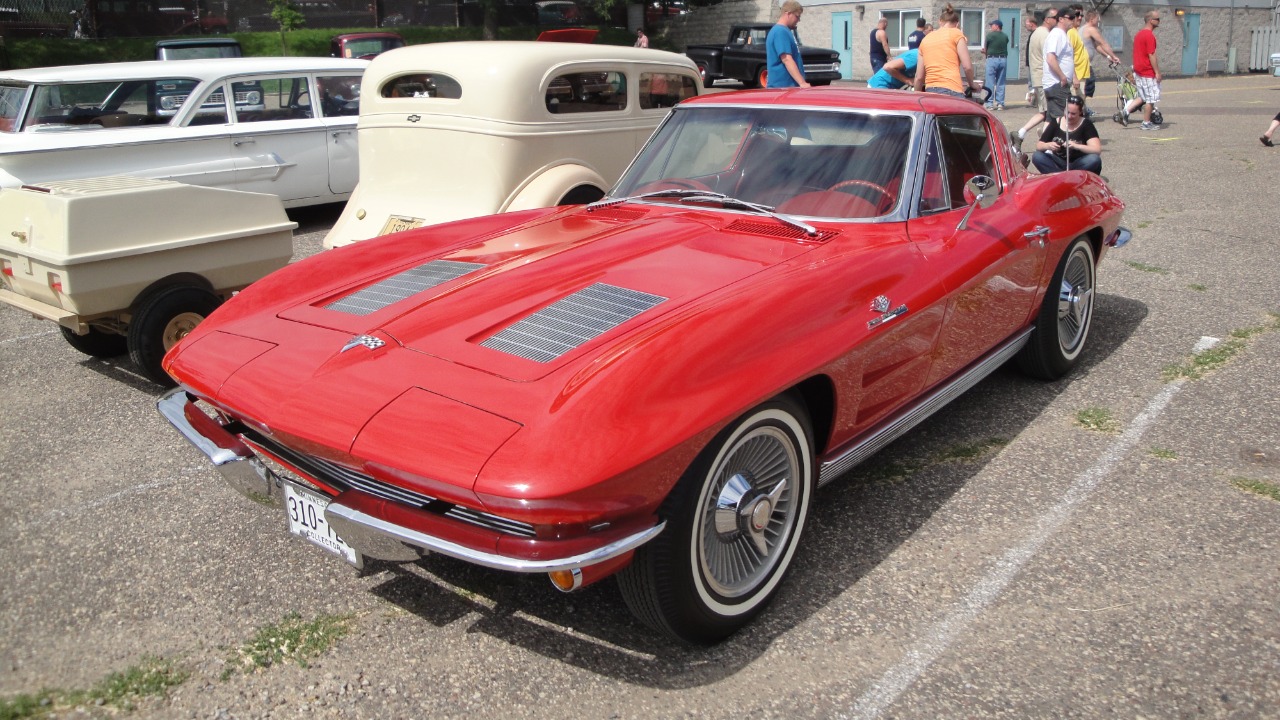
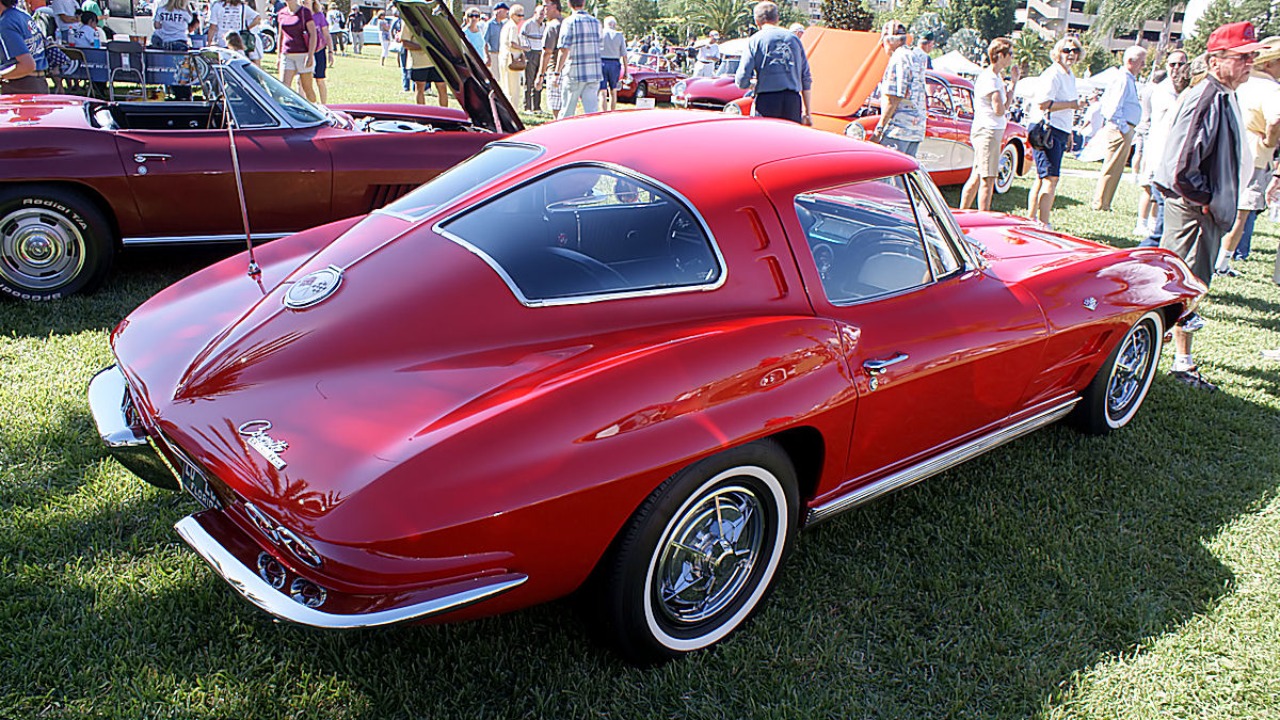
The 1963 to 1967 Chevrolet Corvette Sting Ray brought racing technology and futuristic styling into American showrooms. Its independent rear suspension, powerful small-block and big-block V8 options, and lightweight fiberglass body gave it serious performance credentials. The split-window 1963 coupe in particular became one of the most recognizable shapes in automotive history.
Analysts who rank Greatest American Cars consistently place the Corvette near the top, alongside later innovations like the Tesla Model. The Sting Ray showed that an American sports car could challenge European rivals on both road and track, influencing everything from domestic suspension design to the growth of SCCA racing. Its legacy still shapes how Chevrolet tunes and markets every new Corvette generation.
Tesla Model S (2012–Present)

The Tesla Model S, in production since 2012, redefined what an electric sedan could be for performance and range. Commentators on Tesla Model achievements argue that the mere fact that the Tesla Model S exists at all is proof that a startup could challenge long-established automakers. With rapid acceleration, large battery packs, and over-the-air software updates, it changed expectations for both luxury and technology.
Its success pushed traditional brands to accelerate their own EV programs and invest heavily in charging networks. For drivers, the Model S made electric power feel aspirational rather than experimental, which helped shift conversations about emissions and energy use. In the context of American automotive history, it stands alongside early classics as a car that did not just follow trends but forced the industry to rethink the future of propulsion.
More from Fast Lane Only