The golden era of American muscle cars sits squarely in the 1960s, when American manufacturers chased ever more power and style on the street. Collectors still look back to that decade as the moment when Legendary V8 performance and aggressive design came together in a way that has never quite been repeated. These eight muscle cars keep that spirit alive today, both in the market and in the imagination of anyone who cares about raw, old-school speed.
1964 Pontiac GTO

The 1964 Pontiac GTO is widely credited as the spark that lit the golden era, turning a midsize coupe into a performance benchmark with a big V8 and a simple formula of power and attitude. Enthusiasts still describe the GTO as a kind of template for what followed, a view echoed in lists that trace the golden era back to the 1960s. That timing matches the GTO’s arrival almost perfectly.
Later coverage of the Unforgettable Muscle Cars era calls the Pontiac GTO “America’s First Muscle Car Set The Stage for All That” came after, underlining how its mix of affordability and performance changed expectations. For collectors, that legacy translates into strong demand and a steady flow of tribute builds, which keeps the model visible at auctions and local cruise nights alike.
1968 Dodge Charger R/T
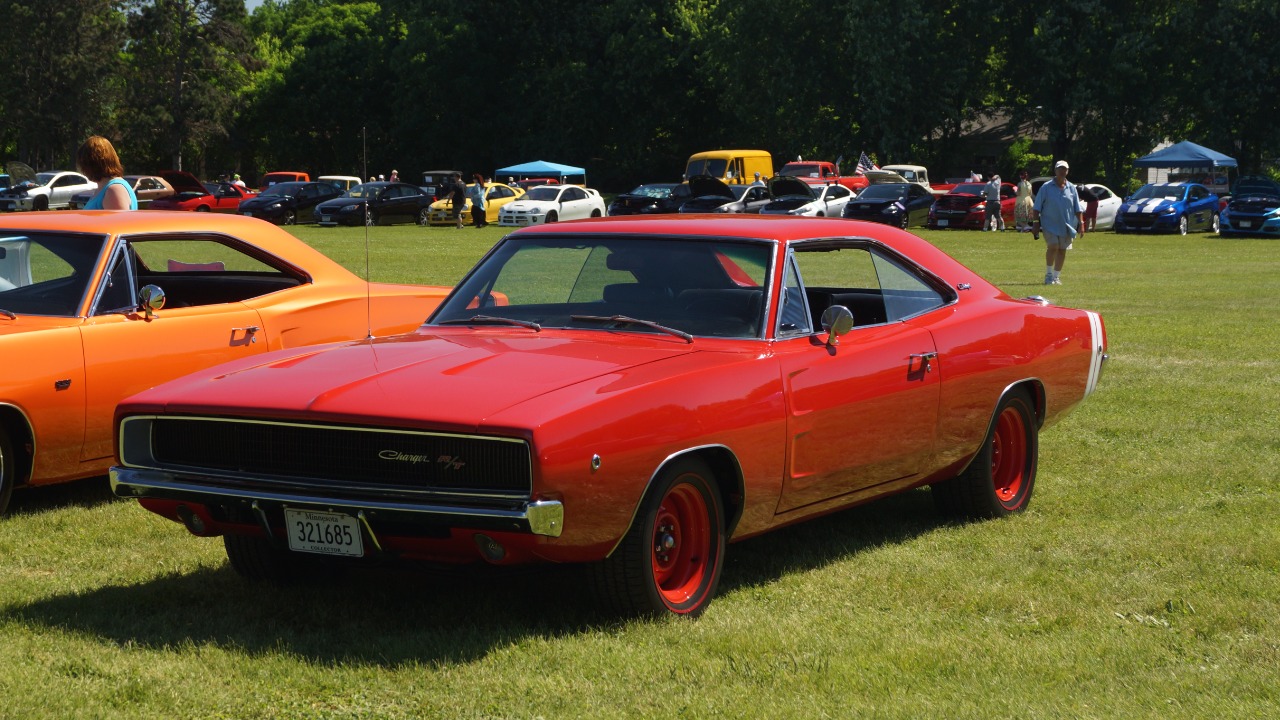
The 1968 Dodge Charger R/T embodies Gen Mopar Magic, with a fastback profile and muscular haunches that still define what a serious American performance car should look like. Coverage of Dodge Charger history points to the second generation as a highlight of the Golden Age of American Power, pairing big-block engines with rear-wheel-drive drama. That combination made the R/T trim especially desirable.
Modern lists of Badass Golden Era still single out the 1969 Dodge Charger 500 as a related bargain, proof that the broader Charger family continues to attract enthusiasts who want that look and feel. For stakeholders in restoration and parts, the car’s lasting popularity supports a healthy aftermarket, which in turn keeps more original R/Ts on the road and visible to new fans.
1969 Ford Mustang Boss 429
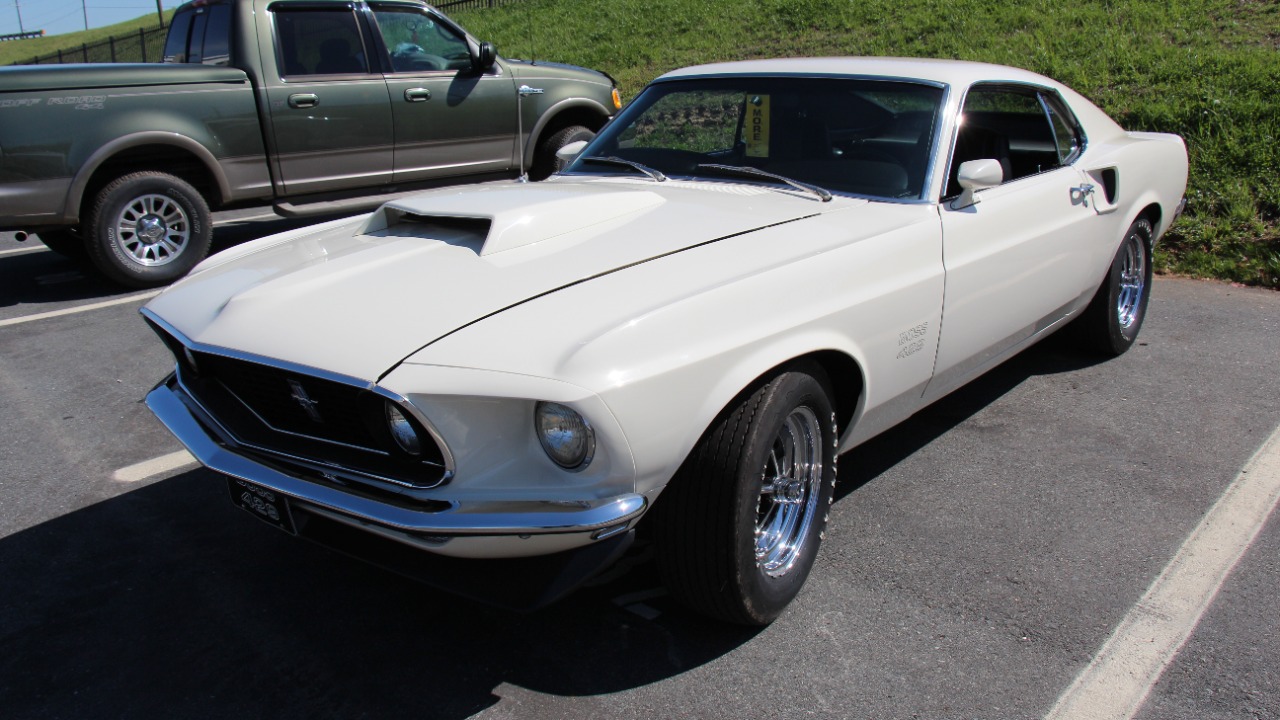
The 1969 Ford Mustang Boss 429 took the already popular Ford Mustang and turned it into a homologation special with a massive engine shoehorned into a compact engine bay. While the sources highlight a 1971 Ford Mustang among Plymouth and Ford bargains, the Boss 429 sits at the opposite end of the spectrum as a rare, big-dollar prize. Its racing-derived V8 and low production numbers make it one of the most sought-after Mustangs ever built.
Lists that track the Rise and Fall often highlight how manufacturers like Ford pushed engineering limits with cars such as the Boss 429, only to face insurance and emissions pressures soon after. That context makes surviving examples rolling reminders of a brief window when engineering priorities tilted almost entirely toward horsepower.
1969 Chevrolet Camaro Z/28
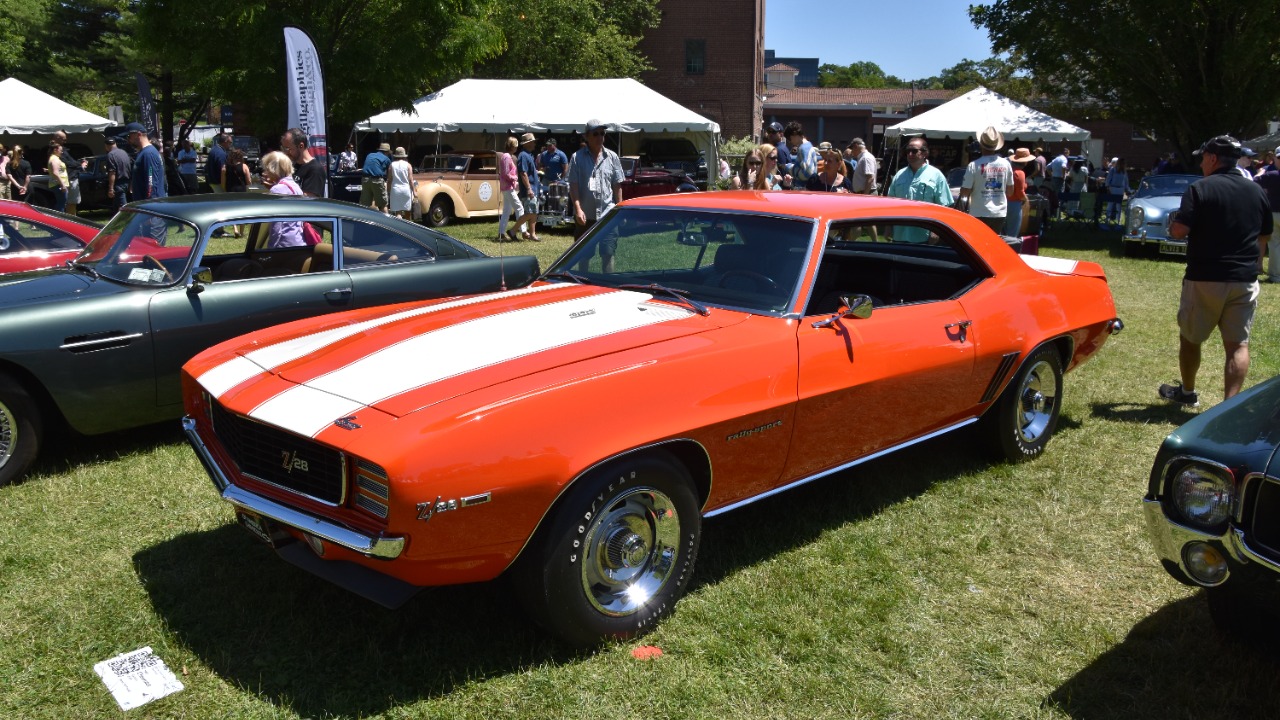
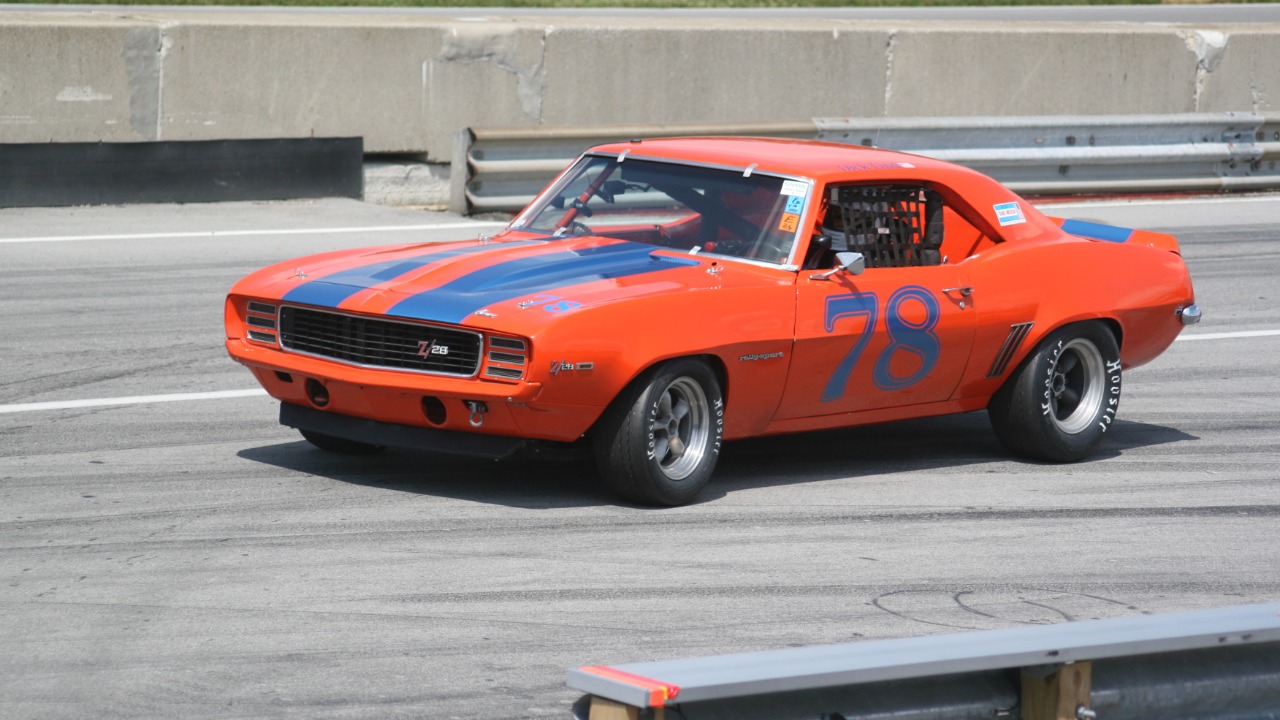
The 1969 Chevrolet Camaro Z/28 represents Chevrolet Camaro performance at its most focused, with a high-revving small-block V8 and chassis tuning aimed squarely at road racing. Enthusiast lists of the Top Muscle Cars 1960s and 1970s regularly include the Z/28 alongside icons like the Pontiac GTO, underscoring its status as a track-bred counterpart to more drag-strip-oriented rivals. The car’s balance of power and handling still appeals to drivers who want more than straight-line speed.
Broader rundowns of contents, such as highlighting how the model family has become one of the most collectible muscle platforms, with the 1969 Z/28 often at the top of buyer wish lists. That demand supports strong values and encourages high-quality restorations, which helps preserve the car’s Trans Am racing heritage for future generations.
1969 Plymouth Road Runner

The 1969 Plymouth Road Runner distilled muscle car priorities into a simple package: big power, low frills, and a price aimed at younger buyers. Coverage of the Plymouth Road Runner notes that its mix of affordability and performance has made it one of the most wanted classic muscle cars, especially in high-output trims. That formula captured the attitude of the late 1960s better than many more expensive competitors.
Later lists of Plymouth bargains also mention the 1969 Plymouth among golden era cars that remain relatively accessible, which keeps interest high among younger collectors. For the broader market, the Road Runner shows how value-focused models from the period can now bridge the gap between high-end auction stars and entry-level enthusiasts.
1970 Chevrolet Chevelle SS 454
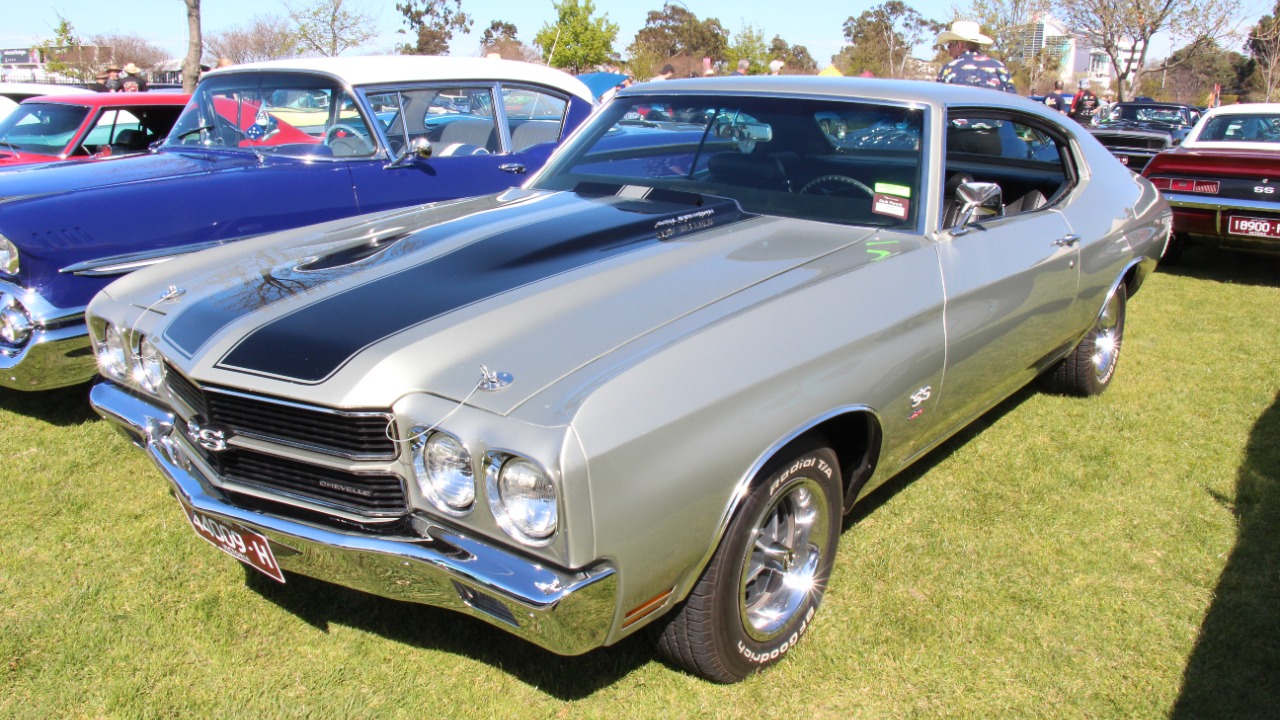
The 1970 Chevrolet Chevelle SS 454 is often treated as the peak of big-block American muscle, with its 454 cubic inch V8 and brutal straight-line performance. Enthusiast discussions of the Chevrolet Chevelle SS frequently pair it with the Pontiac GTO and praise its LS6Power as a ClassicIcons benchmark for V8Performance and CarCulture. That reputation has only grown as surviving examples become rarer.
Broader rankings of the 1970 Chevrolet Chevelle place it among the greatest American muscle cars of all time, citing its combination of straight-line speed and everyday usability. For investors and restorers, that mix of legend and practicality keeps the car near the top of shopping lists, even as prices climb.
1970 Plymouth Hemi ‘Cuda

The 1970 Plymouth Hemi ‘Cuda turned the already aggressive Barracuda into a street-legal drag car with the legendary Hemi V8. Coverage of Step back into horsepower battles highlights how limited-run Hemi cars were built to dominate the street and strip, and the ‘Cuda fits that description perfectly. Its bold colors and shaker hood only reinforced the message.
Modern lists of rare muscle cars consistently rank the Hemi ‘Cuda among the most valuable, with top-condition examples commanding enormous sums. That financial reality has turned the car into both a cultural symbol and a serious asset, influencing insurance, storage, and restoration decisions for current owners.
1970 Oldsmobile 442 W-30
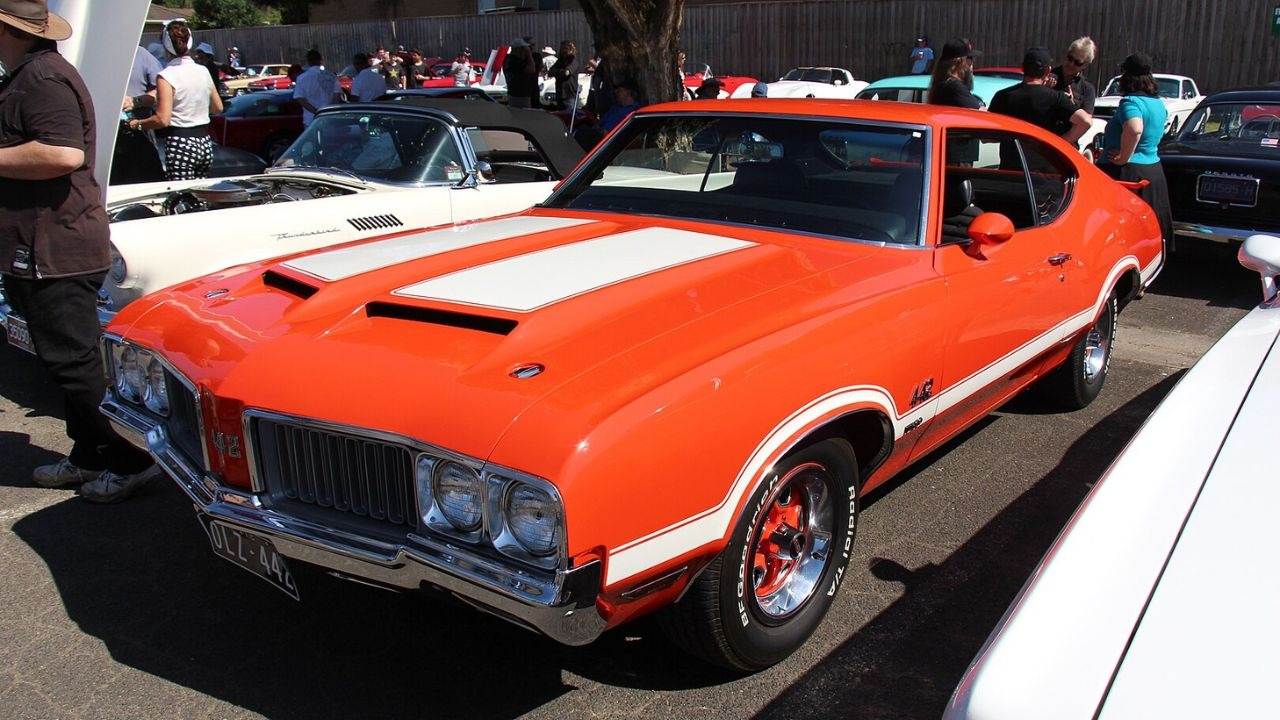
The 1970 Oldsmobile 442 W-30 brought a more refined twist to the muscle formula, pairing strong acceleration with upscale trim and engineering detail. Lists of Oldsmobile 442 models highlight how the combination of rarity and performance has made these cars especially desirable among collectors who want something less common than a Chevelle or GTO. The W-30 package in particular added serious hardware.
Broader rundowns of iconic muscle cars from the April lists show how brands like AMC and Oldsmobile contributed to the golden era alongside more obvious names. For today’s market, history supports growing interest in the 442 W-30, especially among buyers who want standout performance without choosing the same car as everyone else at the show.
More from Fast Lane Only