Ferrari’s iconic designs and audacious engineering have long captured the hearts of car enthusiasts, but they are not alone in pushing the boundaries of automotive performance. From the 1960s to the 1970s, several manufacturers produced cars with engines that were ahead of their time, marrying groundbreaking power with compelling design. Here’s a look at ten classic cars that boasted engines too wild for their era.
Ferrari 250 GTO

The Ferrari 250 GTO, produced between 1962 and 1964, is a masterpiece of automotive engineering. Its 3.0-liter V12 engine was capable of producing 300 horsepower, a remarkable feat for its time. Designed to dominate the race track, it featured advanced aerodynamics and a lightweight chassis, which contributed to its unparalleled performance.
The car’s rarity and historical significance make it one of the most sought-after collector’s items today. With only 36 units ever produced, the 250 GTO remains a symbol of Ferrari’s commitment to pushing technological boundaries in the pursuit of speed.
Shelby Cobra 427

The Shelby Cobra 427, introduced in 1965, was the brainchild of American automotive designer Carroll Shelby. By fitting a massive 7.0-liter V8 engine into the lightweight British AC Cobra body, Shelby created a car with an astonishing power-to-weight ratio. The resulting performance was nothing short of explosive, with the ability to go from 0 to 60 mph in just 4.2 seconds.
Its raw power and aggressive styling made it a standout on both the road and the track. Even today, the Shelby Cobra 427 is revered as a quintessential American muscle car, representing a perfect blend of British design and American power.
Lamborghini Miura

The Lamborghini Miura, launched in 1966, is often credited with initiating the supercar trend. Its transversely mounted 3.9-liter V12 engine was revolutionary, generating up to 350 horsepower. The Miura’s innovative design, with its engine placed behind the driver, set a new standard for high-performance sports cars.
The Miura’s combination of groundbreaking engineering and stunning aesthetics made it an instant classic. It remains one of Lamborghini’s most celebrated models, embodying the brand’s commitment to innovation and luxury.
Dodge Charger Daytona

The Dodge Charger Daytona, introduced in 1969, was engineered to dominate NASCAR racing. Its 7.0-liter Hemi V8 engine produced over 425 horsepower, allowing it to reach speeds previously unattainable by stock cars of its era. The Daytona’s distinctive aerodynamic design, including its iconic nose cone and rear wing, was specifically crafted to improve high-speed stability.
Despite its short production run, the Daytona left a lasting impact on the racing world. It was the first car to break the 200 mph barrier on a closed course, forever cementing its legacy in the annals of automotive history.
Chevrolet Corvette Sting Ray (C2)

The Chevrolet Corvette Sting Ray, produced from 1963 to 1967, marked a significant departure from its predecessors. With its aggressive styling and a range of powerful engine options, including the small-block and big-block V8s, the Sting Ray was a force to be reckoned with on the road.
The C2’s combination of performance and design innovation made it a standout during its era. Its independent rear suspension and advanced aerodynamics contributed to its superior handling and performance, making it a favorite among sports car enthusiasts.
Ford GT40

The Ford GT40 was conceived with a singular goal: to dethrone Ferrari at the 24 Hours of Le Mans. The GT40’s 7.0-liter V8 engine delivered impressive power, propelling the car to four consecutive Le Mans victories from 1966 to 1969. Its low-slung design and aerodynamic bodywork were critical to its success on the track.
Beyond its racing achievements, the GT40 remains a symbol of American engineering prowess and determination. Its legacy continues to inspire modern iterations of the GT, keeping the spirit of innovation and competition alive.
Plymouth Hemi ‘Cuda

The Plymouth Hemi ‘Cuda, particularly the 1970 and 1971 models, is revered for its raw power and distinctive styling. Equipped with a 7.0-liter Hemi V8 engine, the ‘Cuda delivered up to 425 horsepower, making it one of the most potent muscle cars of its time.
The Hemi ‘Cuda’s combination of brute force and unique design elements, such as the shaker hood scoop and bold graphics, contributed to its iconic status. Today, it remains a highly coveted collector’s item, embodying the spirit of the American muscle car era.
Jaguar E-Type

The Jaguar E-Type, launched in 1961, is often hailed as one of the most beautiful cars ever made. Its 3.8-liter inline-six engine, later expanded to 4.2 liters, provided a top speed of 150 mph, which was extraordinary at the time. The E-Type’s sleek design and advanced engineering made it a favorite among sports car enthusiasts.
Its combination of style, performance, and affordability set new standards in the automotive industry. The E-Type’s influence can still be seen in modern car designs, and it continues to be celebrated as a timeless classic.
Pontiac GTO

The Pontiac GTO, introduced in 1964, is often credited with starting the muscle car craze. Its 6.4-liter V8 engine offered up to 348 horsepower, providing exhilarating performance that appealed to a new generation of car enthusiasts. The GTO’s blend of power and affordability made it an instant success.
The GTO’s impact on American car culture was profound, leading to a proliferation of high-performance vehicles from other manufacturers. Its legacy lives on as a symbol of the muscle car era, representing the bold spirit of 1960s American automotive engineering.
Mercedes-Benz 300SL Gullwing

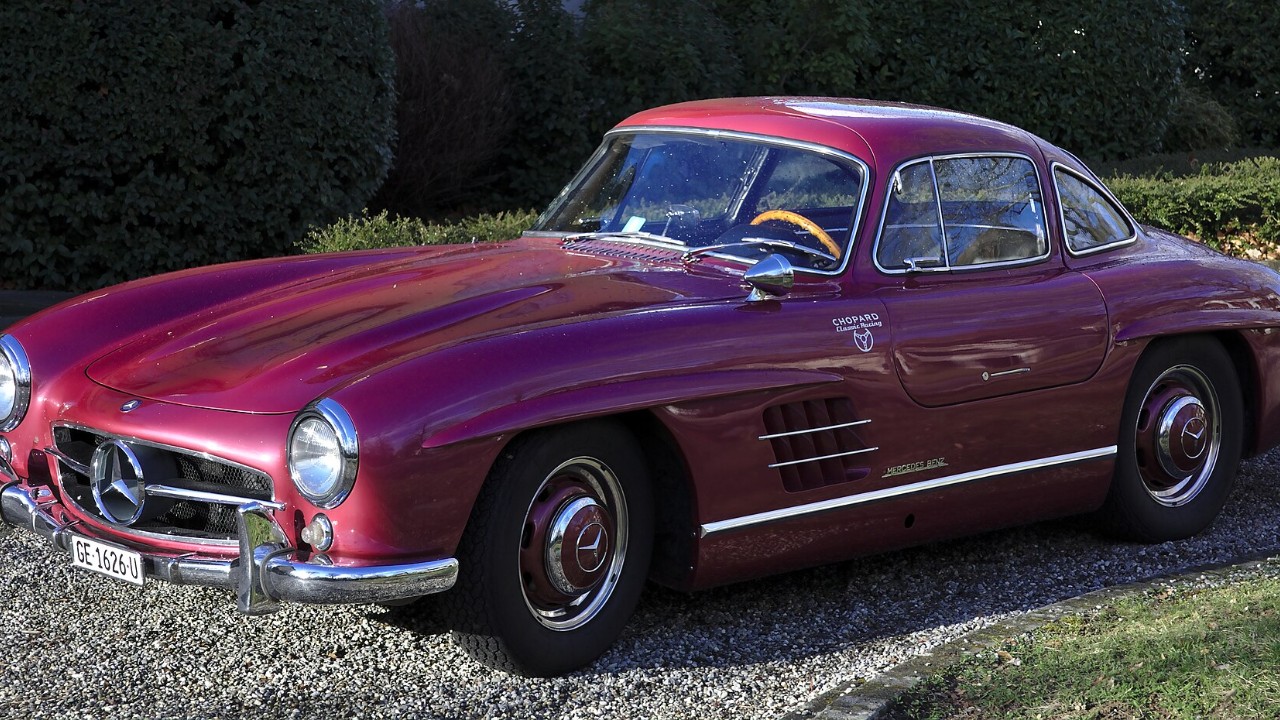
The Mercedes-Benz 300SL Gullwing, produced from 1954 to 1957, was a marvel of engineering and design. Its 3.0-liter inline-six engine featured mechanical fuel injection, a revolutionary technology that significantly enhanced performance. The Gullwing’s distinctive doors and sleek lines made it an icon of automotive design.
The 300SL’s combination of innovative technology and breathtaking design set it apart from its contemporaries. It remains a highly sought-after collector’s item, representing the pinnacle of 1950s automotive engineering and luxury.
More from Fast Lane Only: