There’s no denying Bugatti’s been the benchmark for years. Between the Veyron and the Chiron, they’ve redefined what “fast” and “ridiculous” look like on paper—and in motion. But the hypercar world doesn’t stand still. In fact, it’s been heating up quietly, with engineers, independents, and a few electric disruptors working behind the scenes to outgun the old king.
This list isn’t about concepts or vaporware. These are real machines—some on the road, others tearing up private test tracks—that are pushing performance into strange, exciting territory. Whether it’s raw combustion, bleeding-edge electric torque, or some wild hybrid in between, these are the cars that should have Bugatti’s attention—and maybe even its respect.
Koenigsegg Jesko Absolut

The Jesko Absolut isn’t trying to break track records—it’s trying to vanish into the horizon. Koenigsegg dropped the rear wing, shaved off drag, and claims it’s their fastest car ever. We’re talking a twin-turbo V8 pushing 1,600 hp on E85 and a theoretical top speed north of 330 mph. The 9-speed Light Speed Transmission is a wild bit of engineering too, built in-house to shift instantly without a dual-clutch setup.
Inside, it’s surprisingly civil. You’ve got a central screen that rotates with the steering wheel and just enough carbon and Alcantara to remind you this thing’s serious. It’s Koenigsegg’s way of saying, “We’ll let Bugatti do the marketing—we’re doing the math.”
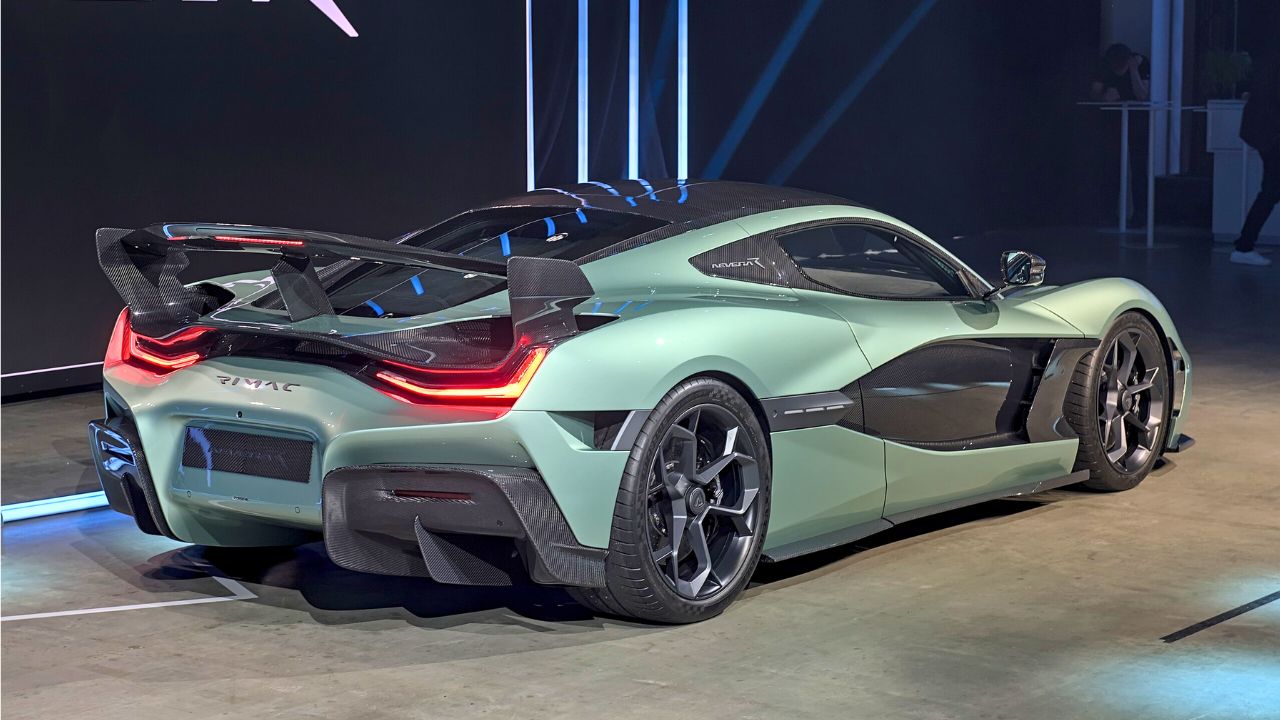
Rimac Nevera
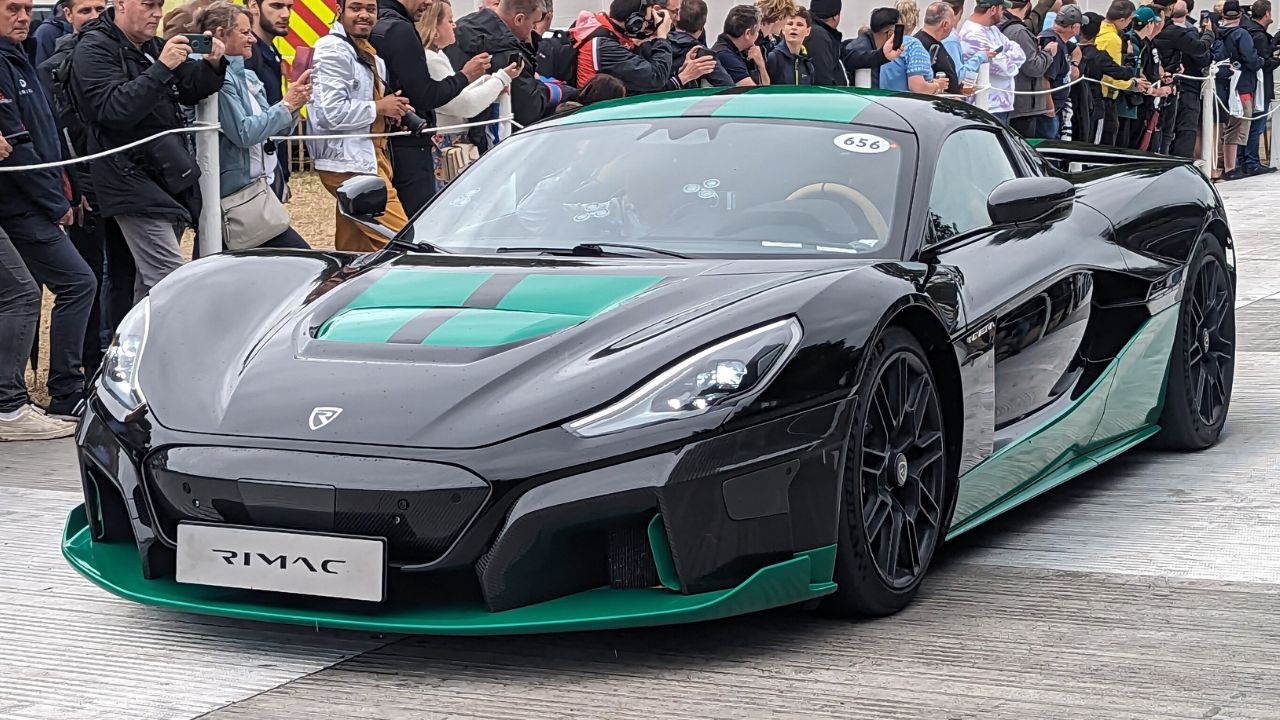
If Bugatti’s worried about the future, it’s probably staring directly at the Rimac Nevera. This Croatian-built EV makes 1,914 hp from four electric motors and has torque vectoring so sharp it feels like the car’s reading your mind. Zero to 60? 1.85 seconds. That’s quicker than anything Bugatti’s put out, including the Chiron.
The cabin is slick—more tech-forward than most hypercars, with multiple screens, drive modes tailored for track or cruising, and a minimalist but not cold vibe. It’s not trying to be analog, but that’s the point. Rimac isn’t looking back at combustion—it’s gunning straight ahead.
Hennessey Venom F5
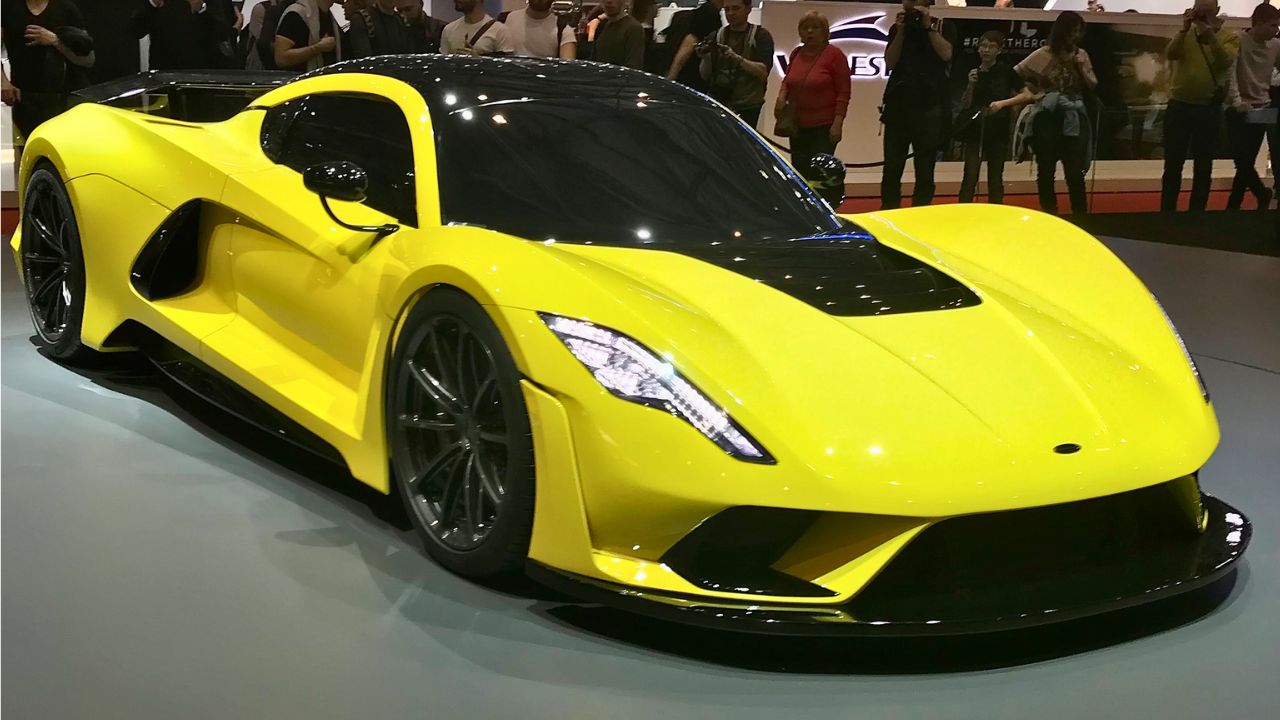
Texas-based Hennessey doesn’t do subtle, and the Venom F5 proves it. With 1,817 hp from a 6.6L twin-turbo V8 and a target top speed north of 300 mph, it’s aiming to be the fastest car on the planet. Built on a carbon fiber monocoque that weighs just 190 lbs, the whole car clocks in at under 3,000 lbs.
The suspension is double wishbone with adjustable coilovers—track-tuned, but adaptable. Inside, it’s all about function. No bloated infotainment, just what you need to keep things under control when you’re pushing 250+ mph on an airstrip.
Pininfarina Battista
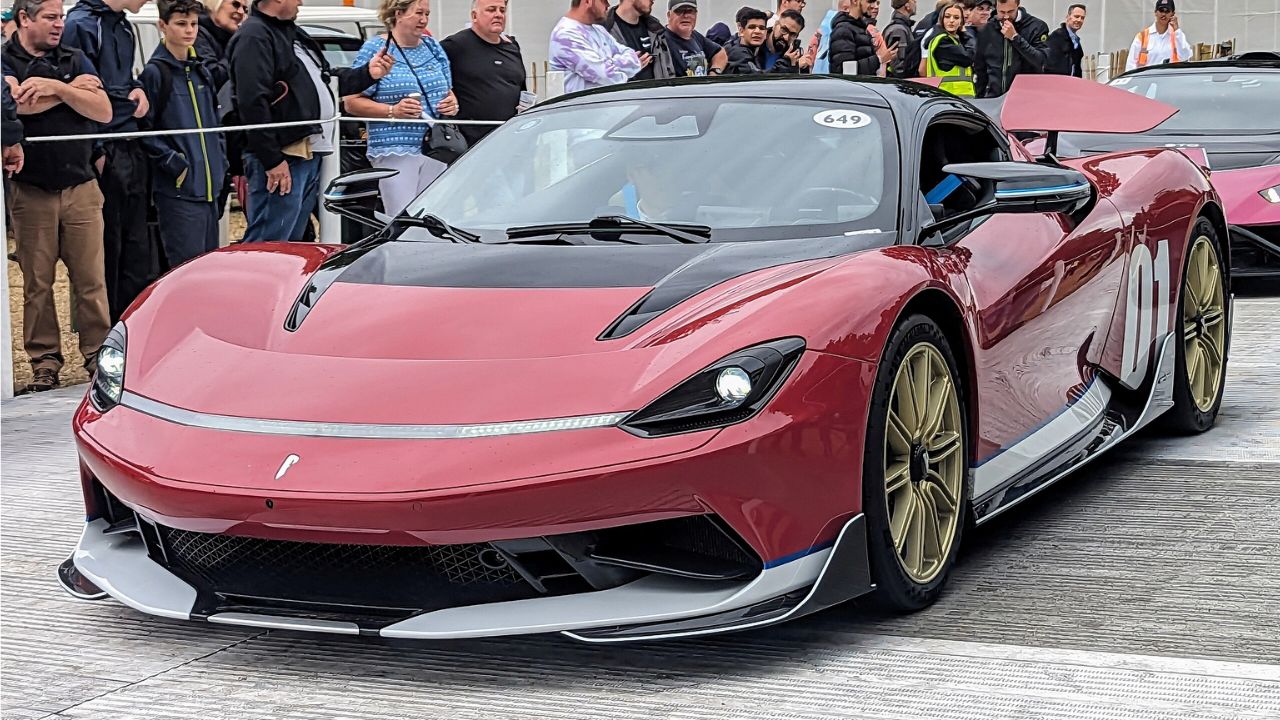
Built on the same platform as the Nevera, the Battista takes Rimac’s powertrain and injects Italian flavor. It makes 1,900+ hp and does 0–60 in under 2 seconds. But Pininfarina isn’t chasing stats alone—they’ve tuned the Battista for long-distance comfort at high speeds, with air suspension that softens up for road use.
The interior leans elegant more than extreme. There’s leather, aluminum, and well-thought-out ergonomics rather than a wall of screens. Think of it like a hyper-fast GT car from a company that used to only design Ferraris. Now they’re building machines of their own—and not quietly, either.
SSC Tuatara
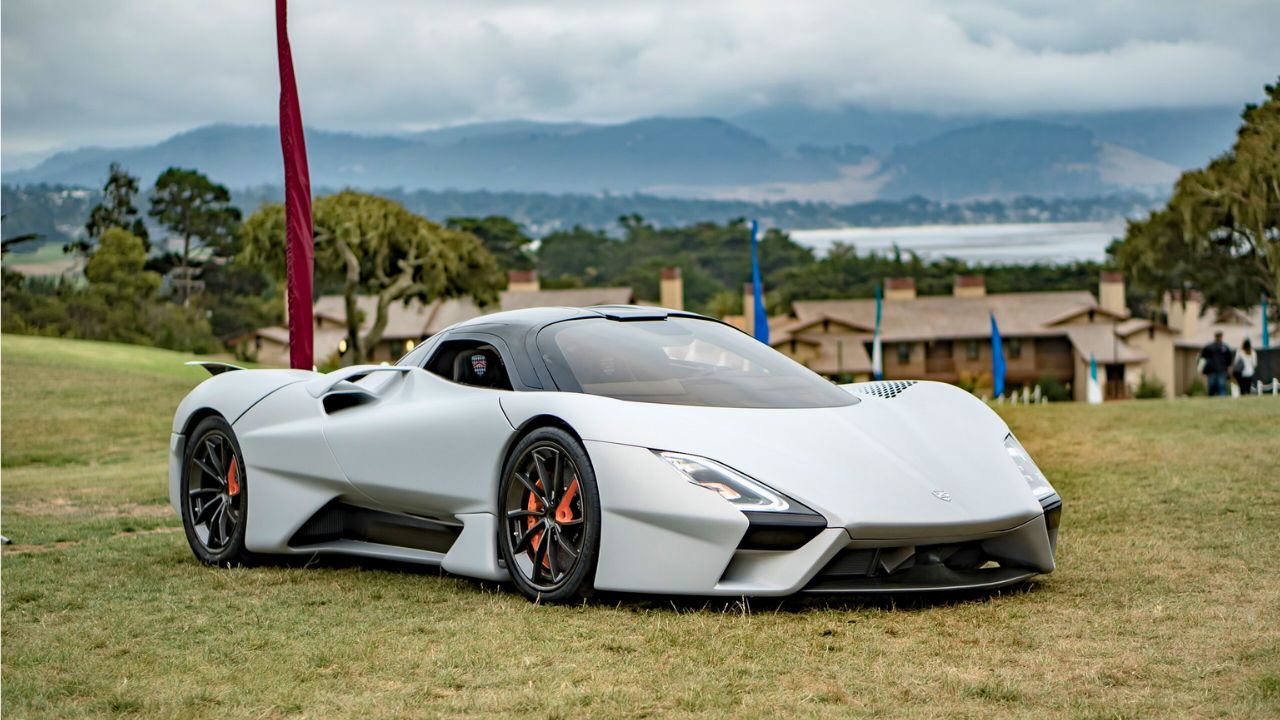
SSC claims the Tuatara can hit 300+ mph, though its record attempts have been… complicated. Still, the engineering is nothing to laugh at: a 5.9L flat-plane-crank V8 making 1,750 hp on E85, all in a car that weighs just 2,750 lbs. The carbon fiber body is designed for ultra-low drag, and it shows.
The cockpit is stripped but refined. A central touchscreen runs everything, and the rest of the layout keeps distractions to a minimum. SSC isn’t trying to make a lounge on wheels—it’s more like a high-speed tool with just enough comfort to keep you in the zone.
Czinger 21C
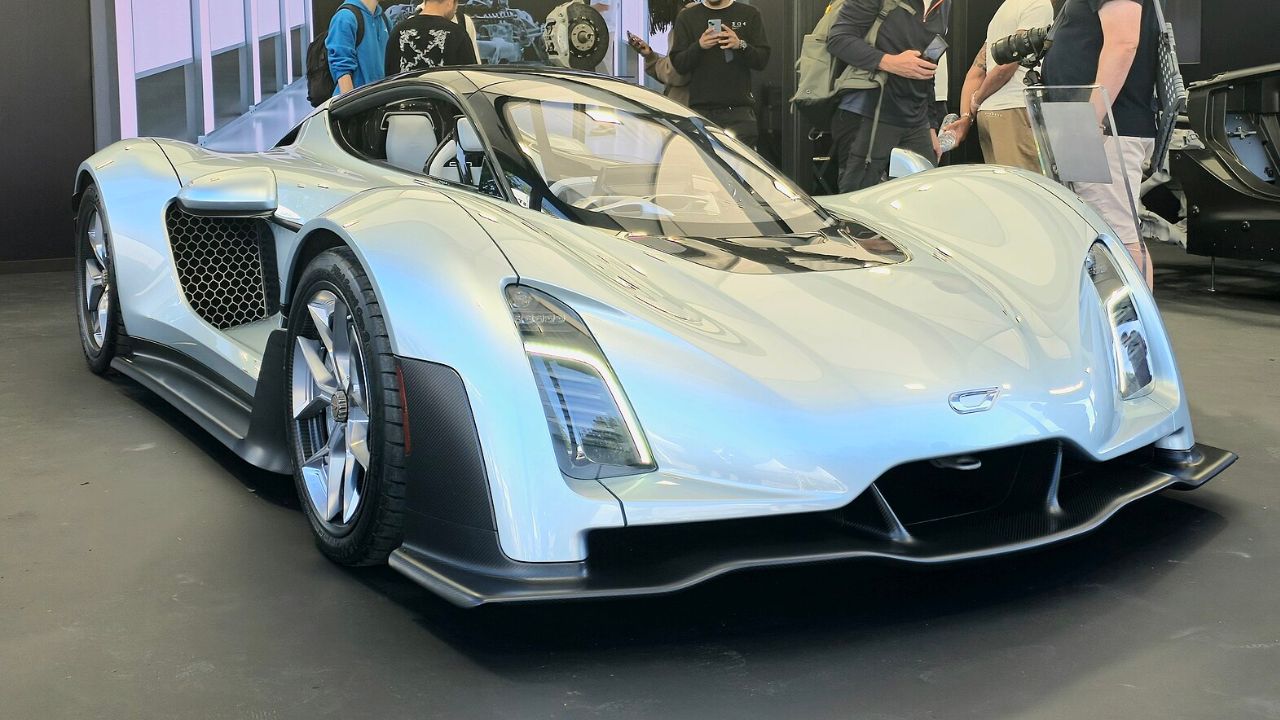
Built in L.A. with parts made by AI and 3D printing, the Czinger 21C is doing its own thing. It’s got a 2.88L twin-turbo V8 paired with two electric motors, putting out a combined 1,250 hp. The layout is tandem—driver in front, passenger behind—like a fighter jet. Weird? Maybe. Effective? Absolutely.
The car is light, sub-2,900 lbs, and the chassis and suspension are designed with track work in mind. It’s not trying to be plush inside—just efficient. The steering wheel is squared off, and most controls are clustered around you like a cockpit. It’s more prototype than plush, in a good way.
Apollo Intensa Emozione
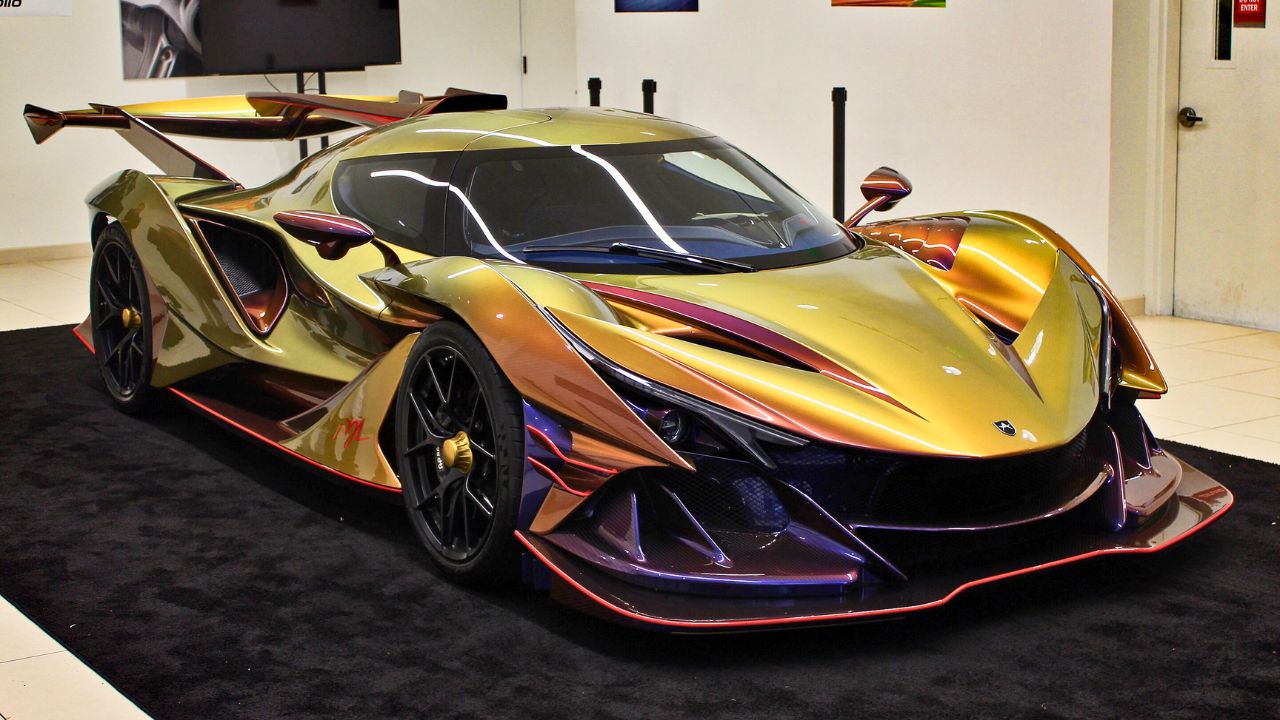
Built for drama, the Apollo IE looks like it escaped from a Gran Turismo fever dream. There’s no turbo here—just a naturally aspirated 6.3L V12 screaming to 9,000 rpm with 780 hp. It’s paired with a sequential gearbox and a race-focused suspension setup designed by ex-F1 engineers.
Inside, it’s tight and theatrical. The seats are molded into the tub, and the steering wheel is removable with a screen built in. This is not daily-driver territory—it’s more of an experience machine for people who want raw mechanical feedback over computerized polish.
Aston Martin Valkyrie

Developed with Red Bull Racing, the Valkyrie is about as close to an F1 car for the road as you’ll get. It uses a Cosworth-developed 6.5L V12 plus a hybrid system for 1,160 hp total, with a redline at 11,100 rpm. The car’s active aero and suspension are straight from motorsport.
Inside, it’s minimal but not lazy—just enough to get the job done. You sit feet-up like a single-seater, strapped into what feels like a carbon pod. It’s not trying to be comfortable. It’s trying to warp space and time while staying road-legal.
Lotus Evija
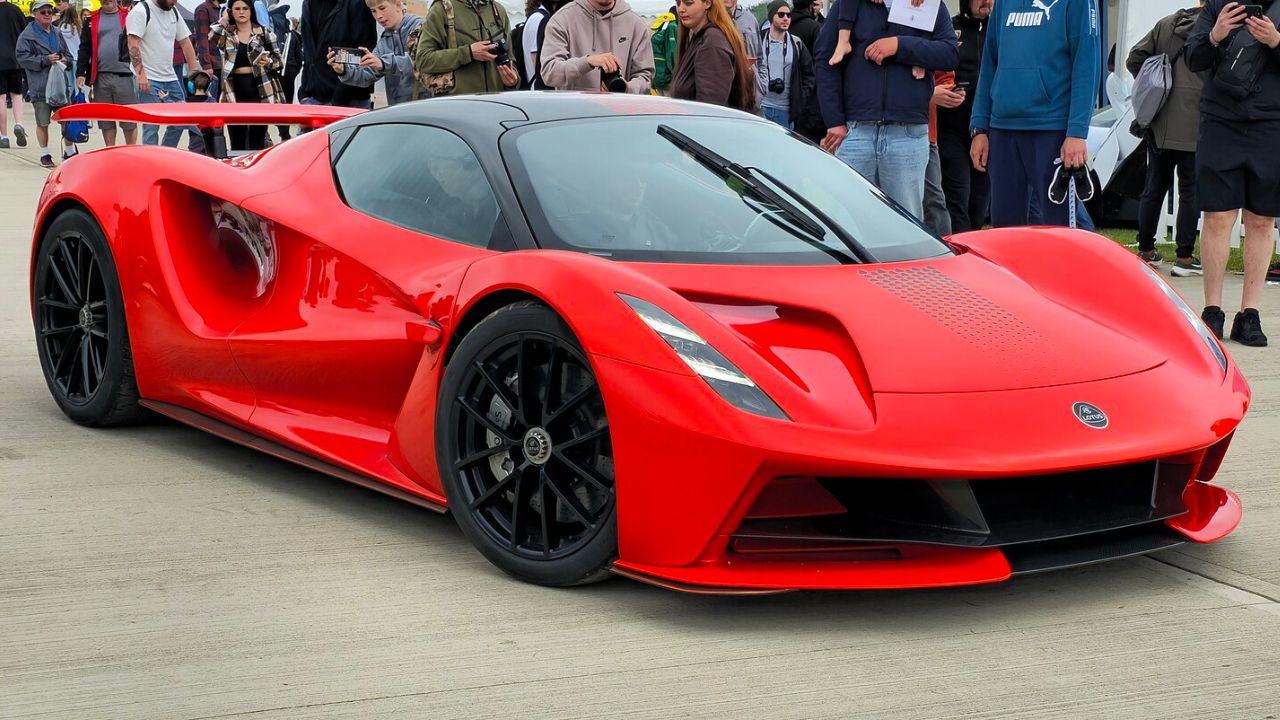
Lotus has always been about lightness, and even though the Evija is electric, that philosophy sticks. With 1,972 hp and a curb weight around 3,700 lbs (light for an EV of this size), it’s incredibly fast. The torque vectoring system uses four motors to give pinpoint control through corners.
The design is clean inside—almost Scandinavian in feel. You get a digital dash, a squared-off steering wheel, and not much else. Lotus didn’t pad this thing with luxury—it’s more about being sharp, fast, and focused, with just enough comfort to keep it from being brutal.
De Tomaso P900
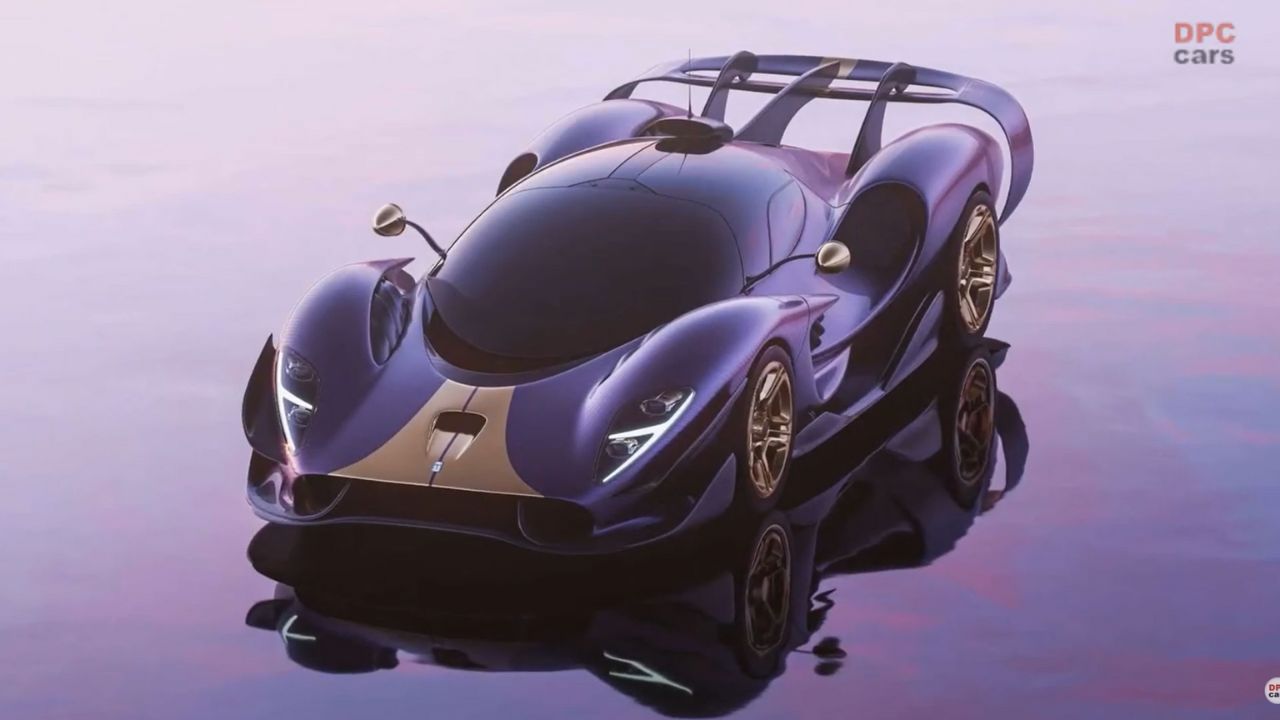
The P900 is still under wraps in some ways, but what we know is enough to raise eyebrows. It’s set to be a track-only car powered by a 6.2L V12 running on synthetic fuel, making 900 hp in a chassis that weighs under 2,000 lbs. That’s motorcycle territory for weight-to-power ratio.
The cabin is stripped and race-oriented. Think carbon tub, no sound insulation, and analog gauges with digital overlays. This is a throwback in the best way—raw V12 power with no hybrid assist, no massive screens, and no plans to slow down for anyone.
*This article was hand crafted with AI-powered tools and has been car-fully, I mean carefully, reviewed by our editors.