Some cars don’t just age well—they become reference points. Not because of nostalgia, but because they did something that still feels relevant, even decades later. These machines didn’t just make headlines when they dropped; they shifted the conversation. Whether it was a design choice, an engineering leap, or a moment in motorsport history, each one earned its place not by hype, but by execution.
This list isn’t about what’s rare for rarity’s sake. These are the cars that stuck in the collective memory of people who pay attention—machines that still echo today, even as the game keeps changing.
Ferrari 250 GTO
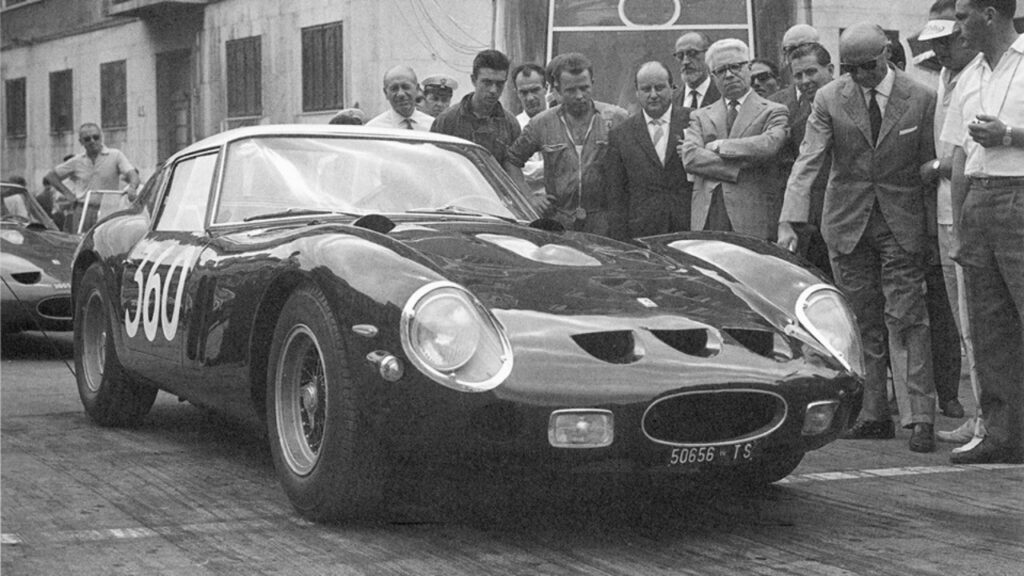
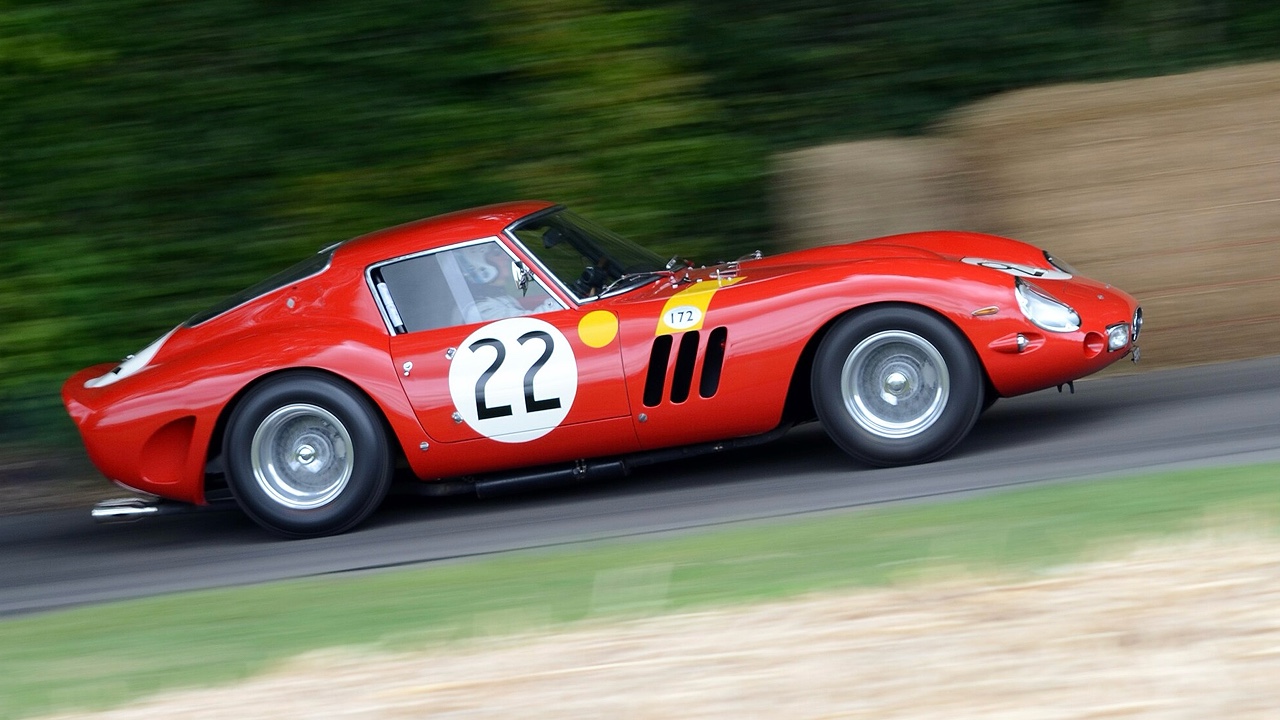
Built between 1962 and 1964, the 250 GTO is probably the most mythologized Ferrari ever made—and for good reason. It packed a 3.0L Colombo V12 making around 300 hp, paired with a five-speed manual and a chassis tuned for endurance racing. Only 36 were built, and each was hand-fitted by Scaglietti, which means no two are exactly the same.
Despite being worth north of $50 million today, it was never just a showroom piece. It won at Sebring, Le Mans, and the Tour de France. The interior? Bare aluminum, leather bucket seats, and gauges that meant business. No nonsense. All purpose.
McLaren F1
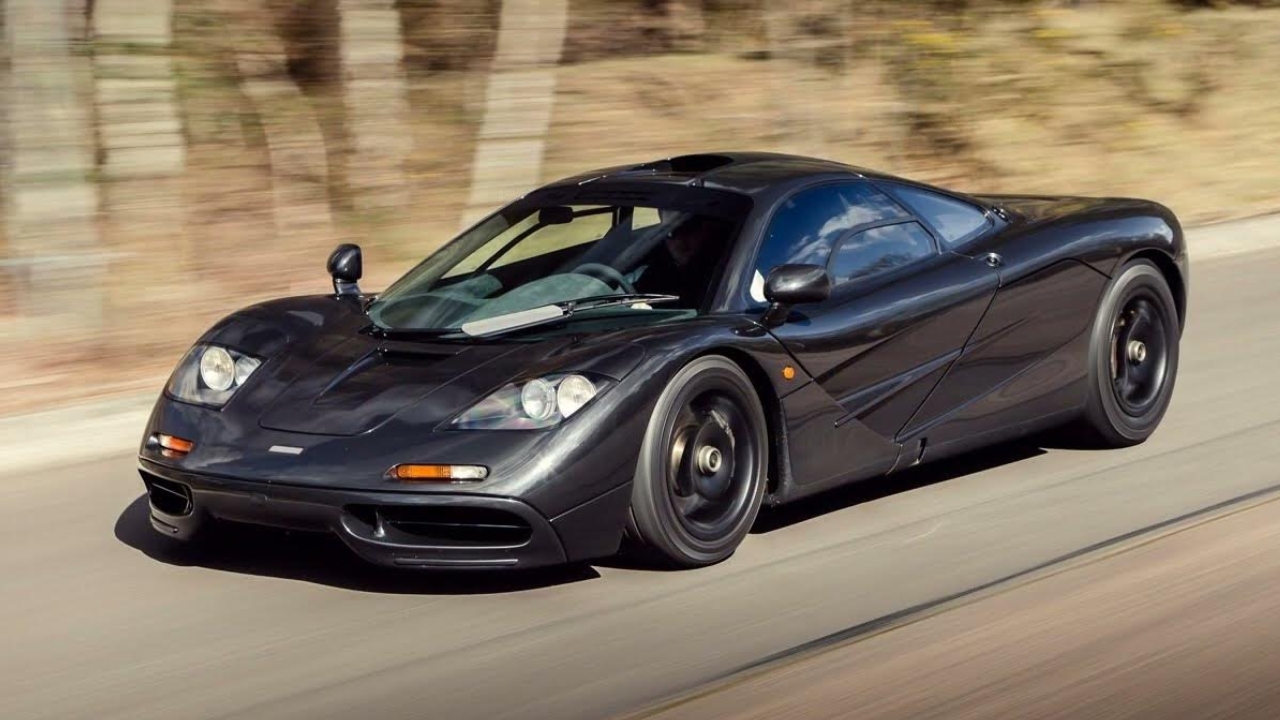
Gordon Murray’s McLaren F1 was a clean-sheet rethink of what a road car could be. It had a naturally aspirated 6.1L BMW V12 making 618 hp and weighed just 2,509 lbs. The center driving position and three-seat layout made it instantly recognizable—and functional. Everything was there for a reason.
There were no turbos, no electronic nannies. Just raw precision and a 6-speed manual. It hit 240.1 mph in 1998, which made it the fastest production car in the world. Inside, it was lined with gold foil for heat insulation and had air-conditioning that actually worked. Every detail was obsessed over.
Porsche 959
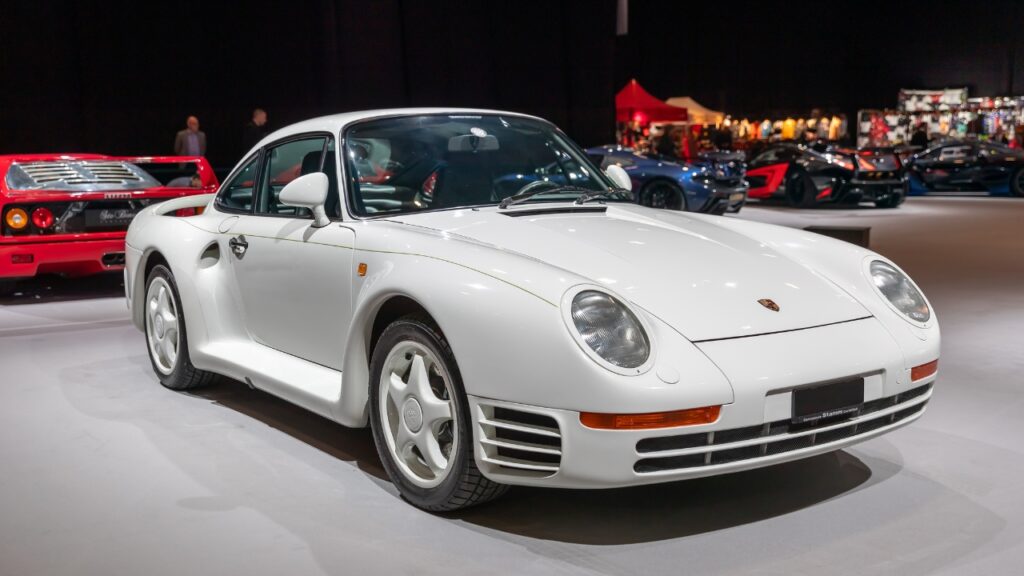
Originally built for Group B rally before being reworked for the street, the 959 was ahead of everything in the mid-’80s. Twin-turbocharged flat-six, 444 hp, all-wheel drive with variable torque split—it basically wrote the rulebook for modern performance cars. Porsche only made 337 of them.
Suspension was computer-controlled, adjustable for height and damping. The body was mostly Kevlar and aluminum. Inside, it looked fairly normal—until you realized you were in one of the most complex cars of its time. It wasn’t flashy. It just did everything faster and smarter than anything else in its class.
Mercedes-Benz 300SL “Gullwing”
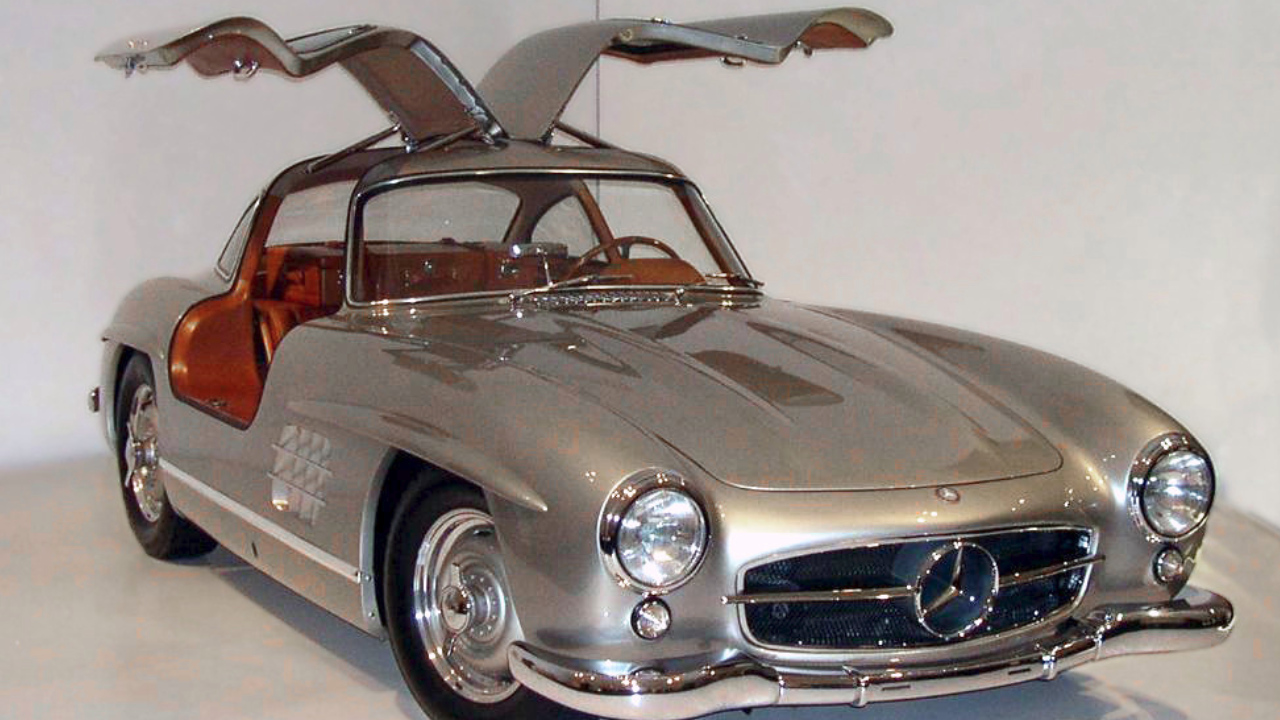
The 300SL came straight out of the 1950s with its fuel-injected straight-six and spaceframe chassis. That spaceframe is actually why it had the gullwing doors—conventional doors wouldn’t clear the high sills. The engine made 215 hp and pushed it to around 160 mph, which was outrageous in 1954.
The interior was minimalist but classy—plaid seats, a huge steering wheel, and just enough instrumentation to keep you informed. Nothing about the car was relaxed; everything had a purpose. It’s the kind of machine that feels mechanical in the best way. No filters. Just direct feedback.
Lamborghini Miura
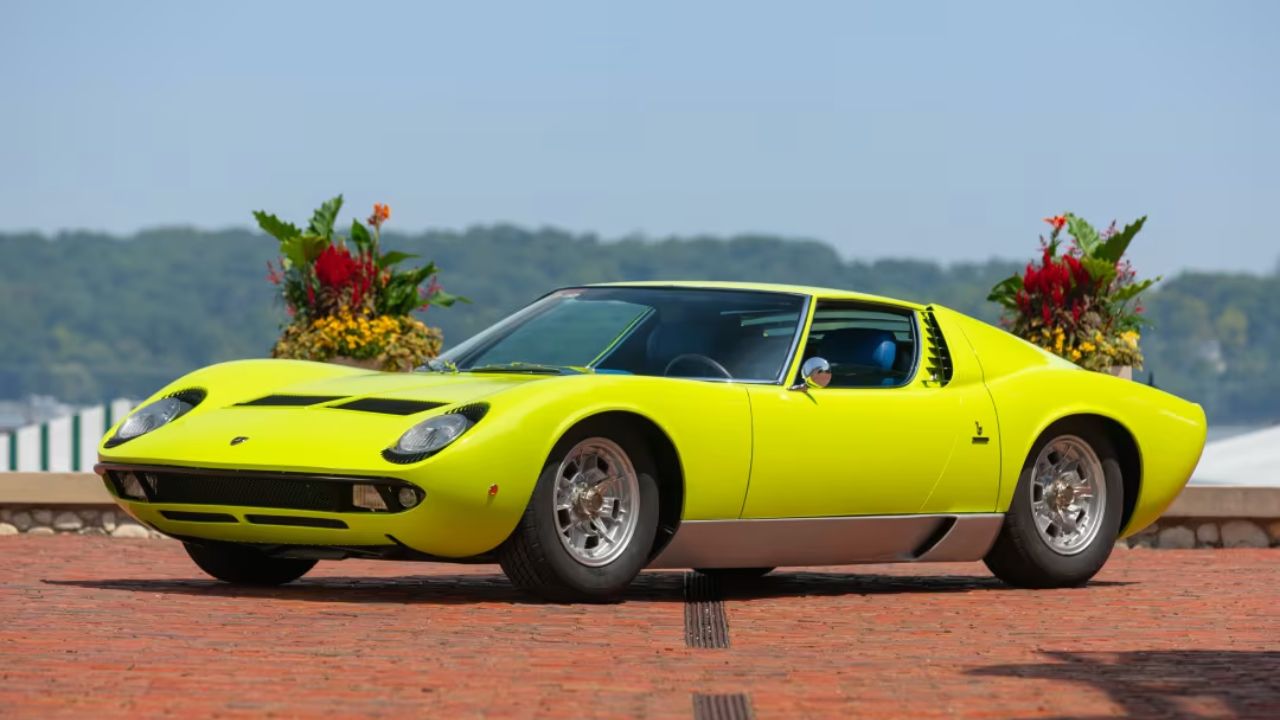
The Miura didn’t just look different—it was different. Mid-engined in a world of front-engine GTs, it stuffed a transverse-mounted 3.9L V12 behind the seats, making around 350 hp in the P400. Later SV versions pushed that higher. The chassis flexed, the cabin got hot, but none of that mattered.
It had pop-up headlights, louvers over the rear glass, and an interior that was more lounge than cockpit—low seats, toggle switches, lots of leather. It was beautiful, but also unruly. Lamborghini wasn’t trying to build the best car on paper. They built something wild and let the rest sort itself out.
Toyota 2000GT
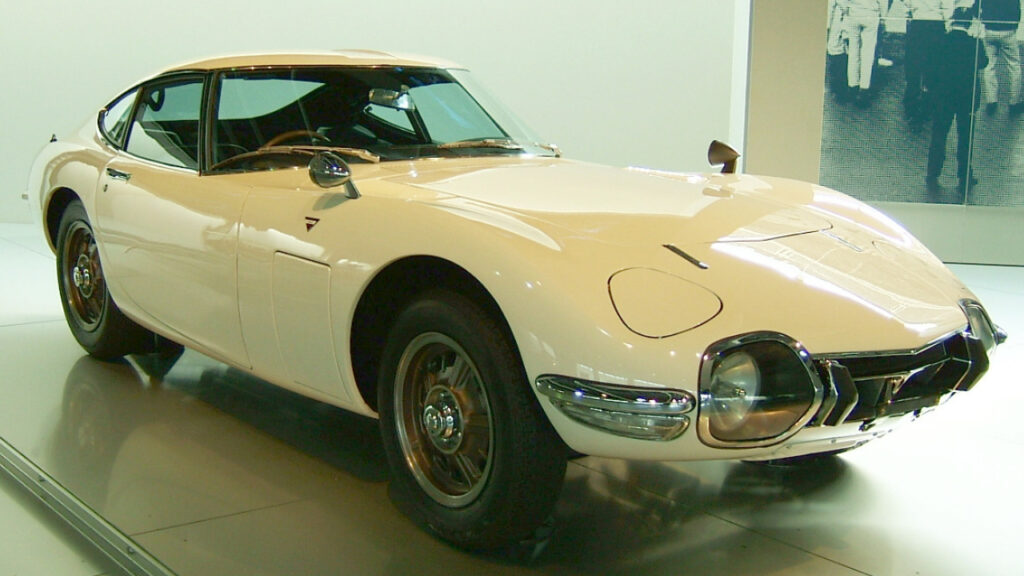
Built in collaboration with Yamaha, the 2000GT was Japan’s first proper shot at competing with European sports cars. It had a 2.0L inline-six with triple Mikuni-Solex carbs, around 150 hp, and a 5-speed manual. Only 351 were ever made. It wasn’t just rare—it was precise.
The car had independent suspension all around and a near 50:50 weight distribution. The wood dashboard was hand-crafted, and the cabin had a tighter, more cockpit-like feel than anything else from Japan at the time. It wasn’t about power. It was about balance, handling, and proving a point to the rest of the world.
BMW M1

The M1 was BMW’s first—and only—mid-engined production car. It was supposed to race in Group 4 and 5, but homologation delays meant it spent more time on the street than the track. Still, it came with a 3.5L straight-six making 273 hp, and it handled like a proper driver’s car.
Giorgetto Giugiaro did the design, and the lines are still sharp decades later. Inside, it’s clean and analog. Gauges, switches, and a steering wheel that feels locked into the chassis. The M1 didn’t scream for attention. It let its rarity, layout, and dynamics speak for it.
*This article was hand crafted with AI-powered tools and has been car-fully, I mean carefully, reviewed by our editors.