Muscle cars have long held a special place in the hearts of automotive enthusiasts, symbolizing power, speed, and American ingenuity. With their roots in the 1960s, these vehicles transformed the expectations of buyers, offering not just performance but also style and affordability. Here are ten iconic muscle cars that significantly influenced consumer preferences in the automotive market.
Ford Mustang (1964)
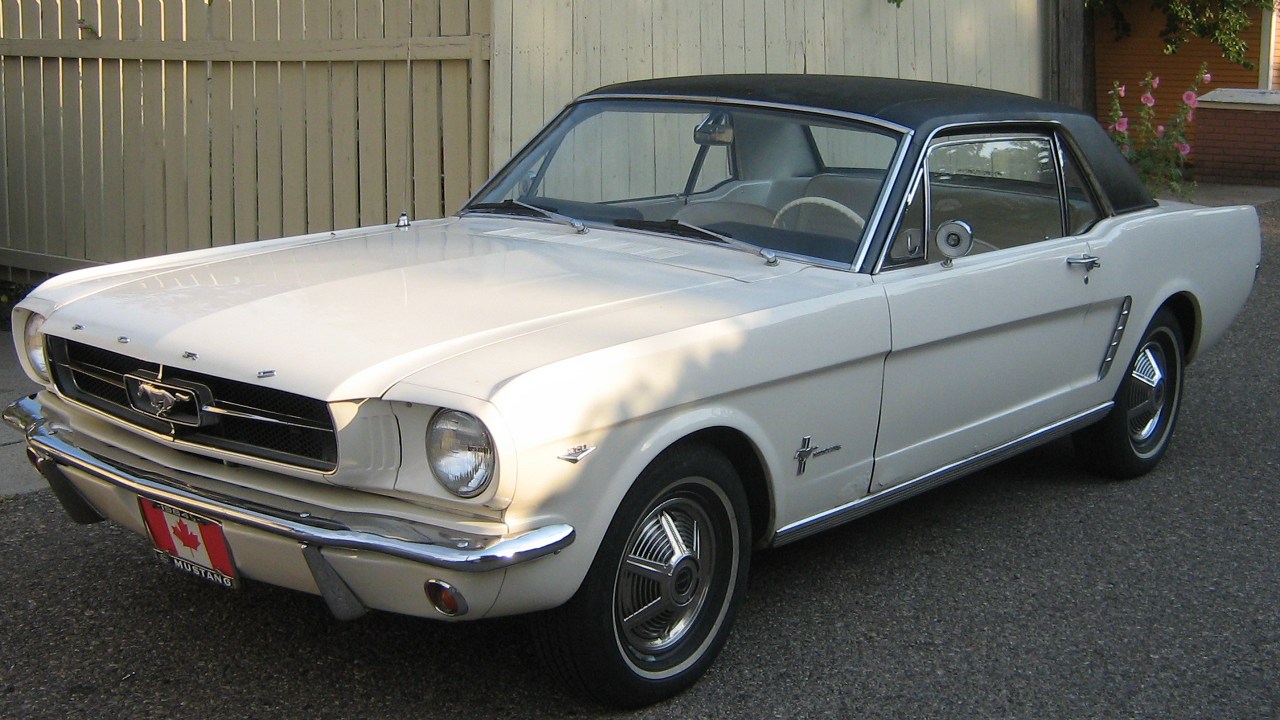
The Ford Mustang, introduced in 1964, is often credited with launching the muscle car era. Its innovative design and powerful engine options captured the imagination of a generation. The Mustang offered a unique blend of performance and style, making it accessible to a wider audience. Buyers were drawn to its sleek lines and customizable features, which allowed them to make the vehicle their own. It set a new standard for what a performance car should be, paving the way for other manufacturers to enter the market. The Mustang remains a symbol of American automotive culture, continually evolving while retaining its classic appeal.
Chevrolet Camaro (1966)
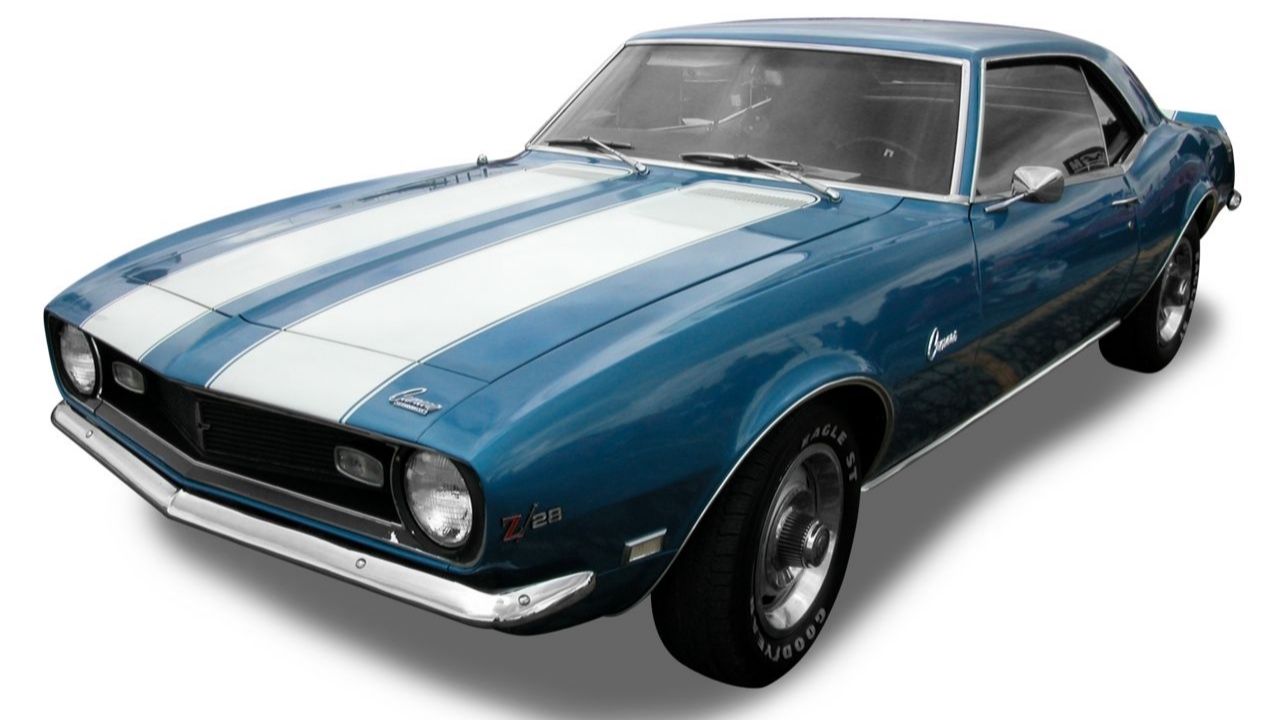
Launched in 1966, the Chevrolet Camaro was Chevrolet’s answer to the Ford Mustang, aiming to capture the same youthful market. With its aggressive styling and variety of powerful engine options, the Camaro quickly became a favorite among enthusiasts. The first-generation Camaro offered a range of trims and packages, allowing buyers to choose between a more performance-oriented vehicle or a comfortable cruiser. Its success prompted other automakers to develop their own models, further expanding the muscle car segment. The Camaro’s legacy continues to thrive, with modern iterations paying homage to its performance roots while incorporating advanced technology.
Dodge Charger (1966)
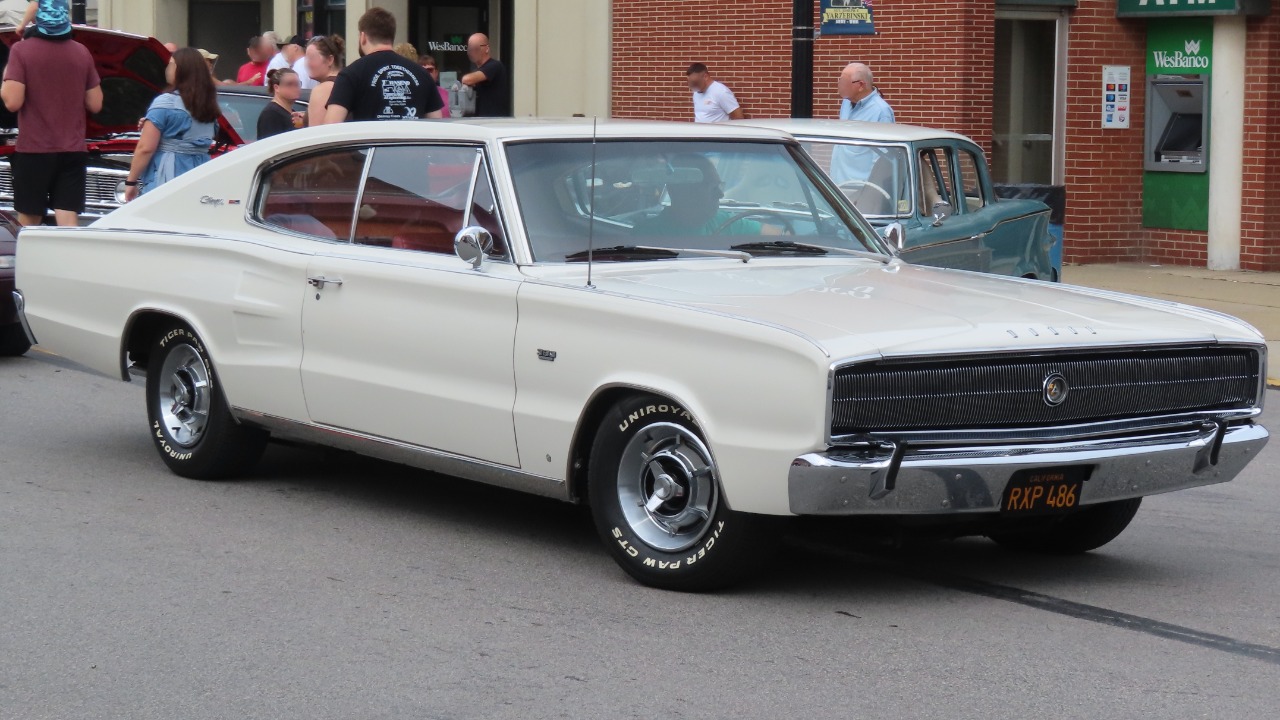
The Dodge Charger made its debut in 1966 and quickly gained popularity for its bold design and powerful engine choices. Known for its distinctive fastback silhouette, the Charger combined muscle with style, attracting buyers looking for performance and aesthetics. The introduction of the Charger R/T model in 1968 further solidified its status as a performance icon, featuring a 440 cubic inch V8 engine that delivered exhilarating speed. Over the years, the Charger has evolved but continues to embody the spirit of American muscle cars. Its formidable presence on the road has influenced consumer expectations regarding power and performance.
Pontiac GTO (1964)
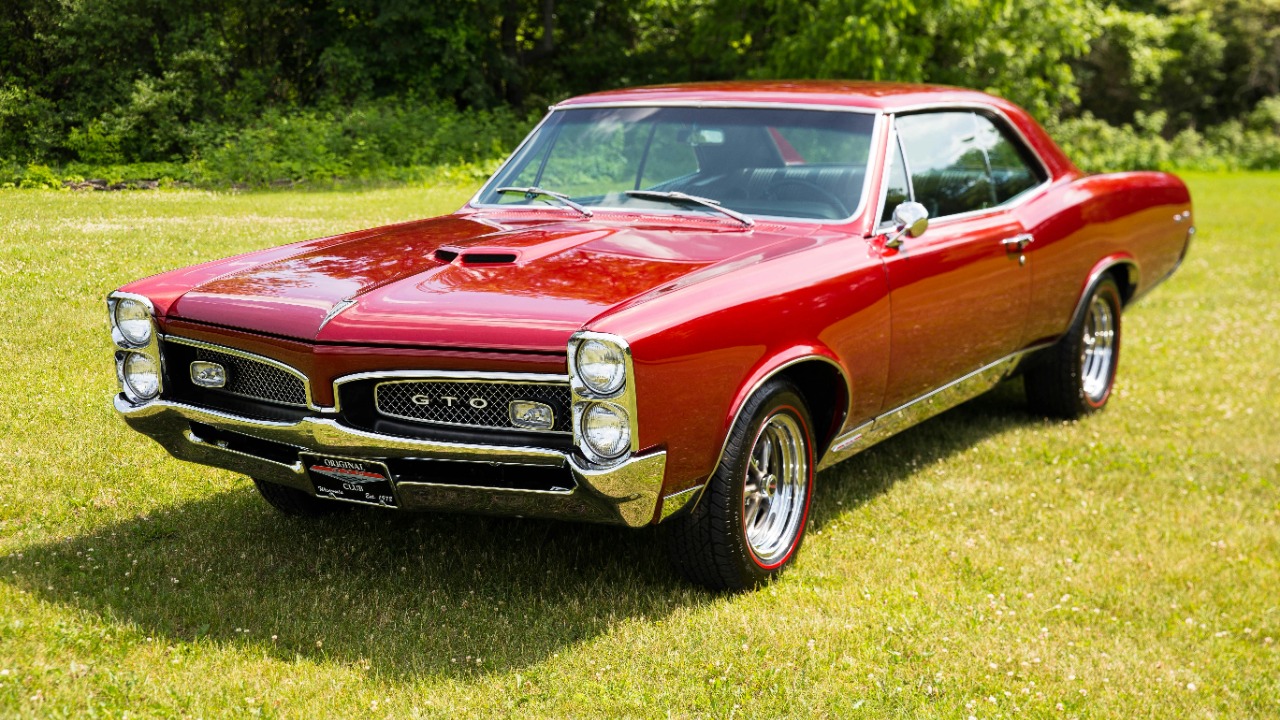
The Pontiac GTO, often referred to as the original muscle car, debuted in 1964 and set the benchmark for performance. It combined a lightweight body with a powerful V8 engine, offering buyers an exhilarating driving experience. The GTO’s success prompted other manufacturers to develop their own high-performance models, shaping the muscle car market. Its iconic status is bolstered by its participation in popular culture, including films and television shows. The GTO’s legacy continues to resonate, as enthusiasts still seek out this classic vehicle for its performance and nostalgic appeal.
Plymouth Barracuda (1964)
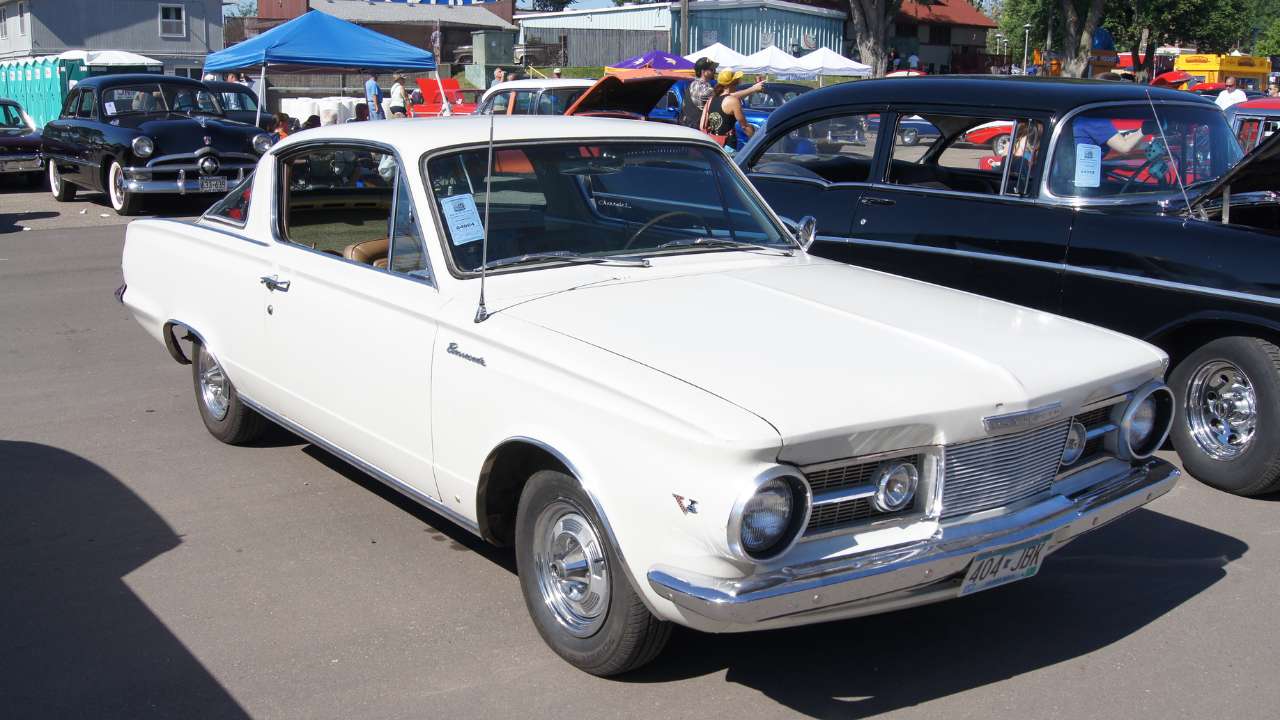
When the Plymouth Barracuda launched in 1964, it featured a design that was both innovative and striking, making it an early contender in the muscle car arena. Initially offered as a fastback, the Barracuda was built on the Valiant platform but was equipped with powerful engines that appealed to performance-oriented buyers. The introduction of the Hemi-powered models in the late 1960s solidified its reputation as a serious contender in the muscle car segment. The Barracuda’s influence can still be felt today, as it laid the groundwork for future muscle cars that prioritize both style and performance.
Chevrolet Chevelle SS (1964)

The Chevrolet Chevelle SS, introduced in 1964, quickly became a favorite among muscle car enthusiasts. This model offered a perfect blend of power and practicality, making it an attractive option for families and performance seekers alike. The Chevelle SS was equipped with a range of potent engine options, including the legendary 396 cubic inch big-block V8, which made it a formidable force on the road. Its combination of style, power, and versatility set new expectations for what a muscle car could offer, influencing the designs of future models. The Chevelle SS remains a celebrated classic in the muscle car community.
Dodge Challenger (1970)
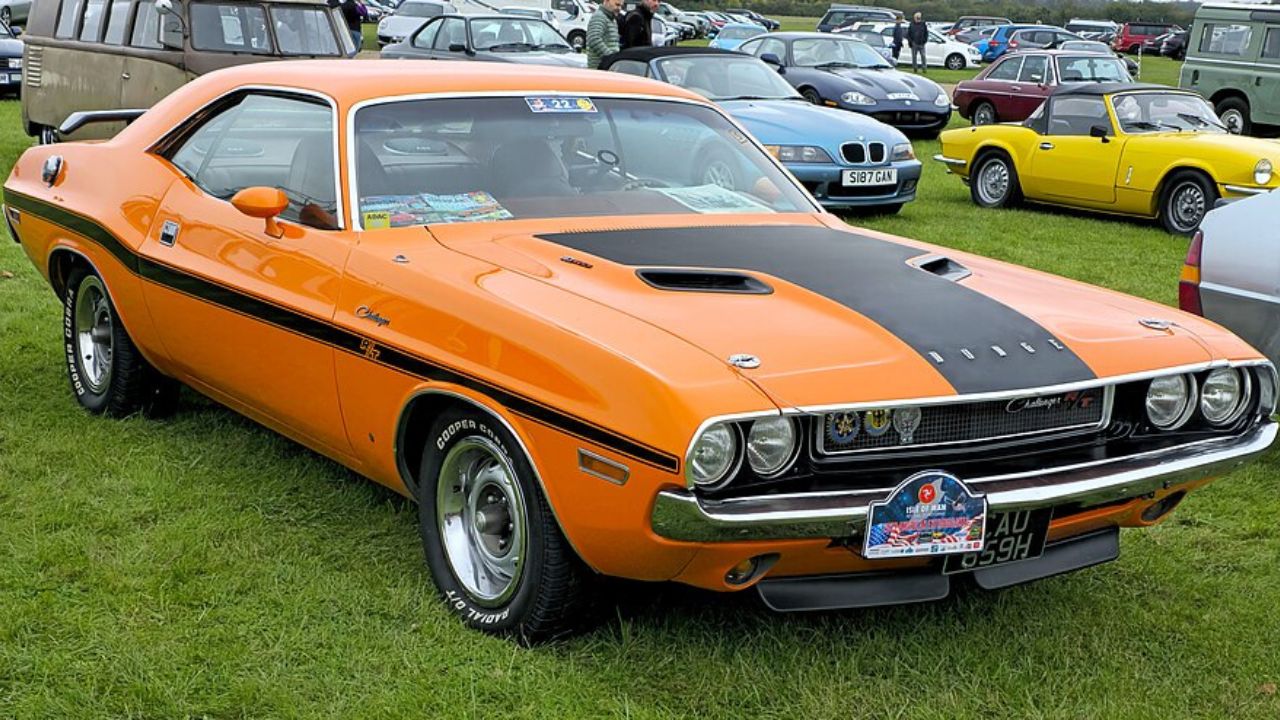
Introduced in 1970, the Dodge Challenger entered a competitive market with a striking design and robust performance capabilities. It featured an aggressive stance and a wide array of engine options, including the high-performance 426 Hemi. Buyers were drawn to its muscular styling and customizable features, which allowed for a personalized driving experience. The Challenger’s bold design and impressive power made it a favorite among enthusiasts, solidifying its place in muscle car history. Its resurgence in recent years has reignited interest in classic muscle cars, showcasing the enduring appeal of this iconic model.
AMC Javelin (1968)
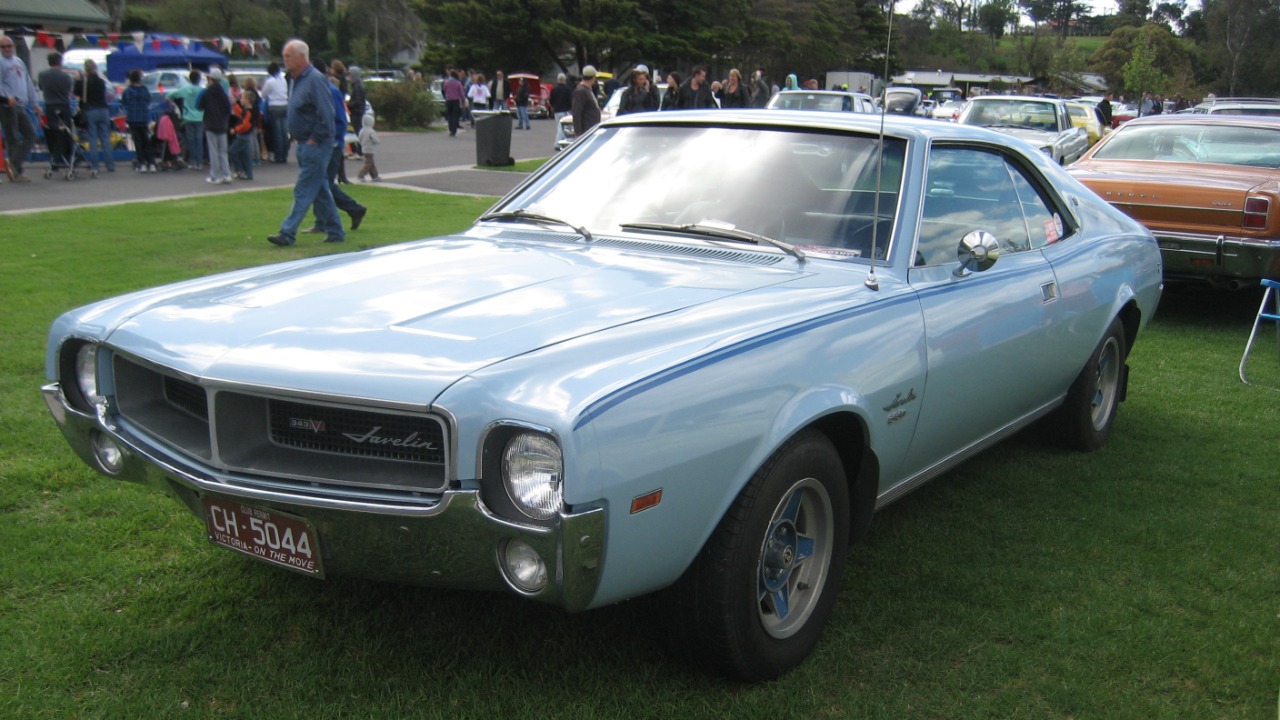
The AMC Javelin emerged in 1968 as a unique entry in the muscle car market. With its distinctive design and performance-oriented features, the Javelin appealed to buyers looking for something different from the mainstream offerings. It was equipped with a range of engines, including a potent 390 cubic inch V8, allowing it to compete with more established rivals. The Javelin’s success in motorsports, particularly in the Trans Am racing series, contributed to its reputation as a serious performer. Despite being a lesser-known contender, the Javelin left a lasting impact on buyer expectations for performance and style in muscle cars.
Buick GSX (1970)
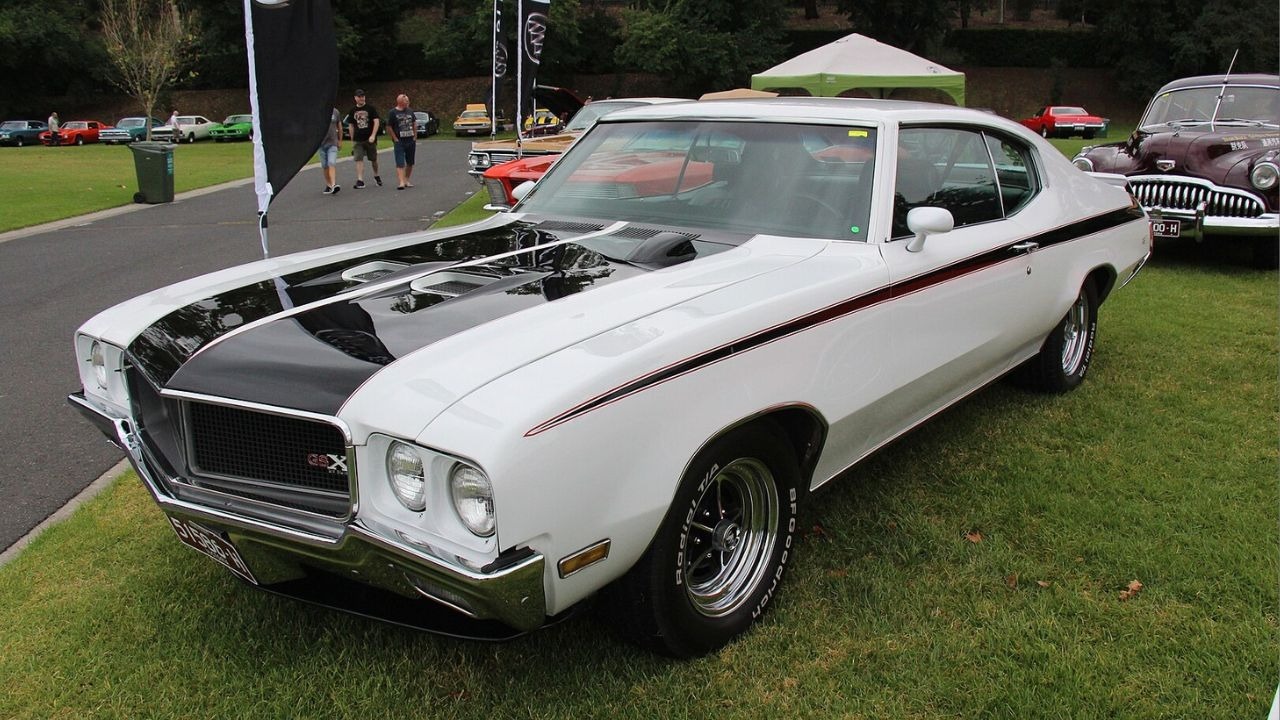
The Buick GSX, introduced in 1970, represented the pinnacle of performance for the Buick brand. With its aggressive styling and a powerful 455 cubic inch V8 engine, the GSX was designed for speed and performance. It showcased Buick’s engineering prowess, offering buyers an exhilarating driving experience. The GSX’s limited production numbers have made it a sought-after classic among collectors, further enhancing its allure. Its introduction set higher expectations for luxury and performance in muscle cars, proving that buyers could enjoy both power and refinement in a single package.
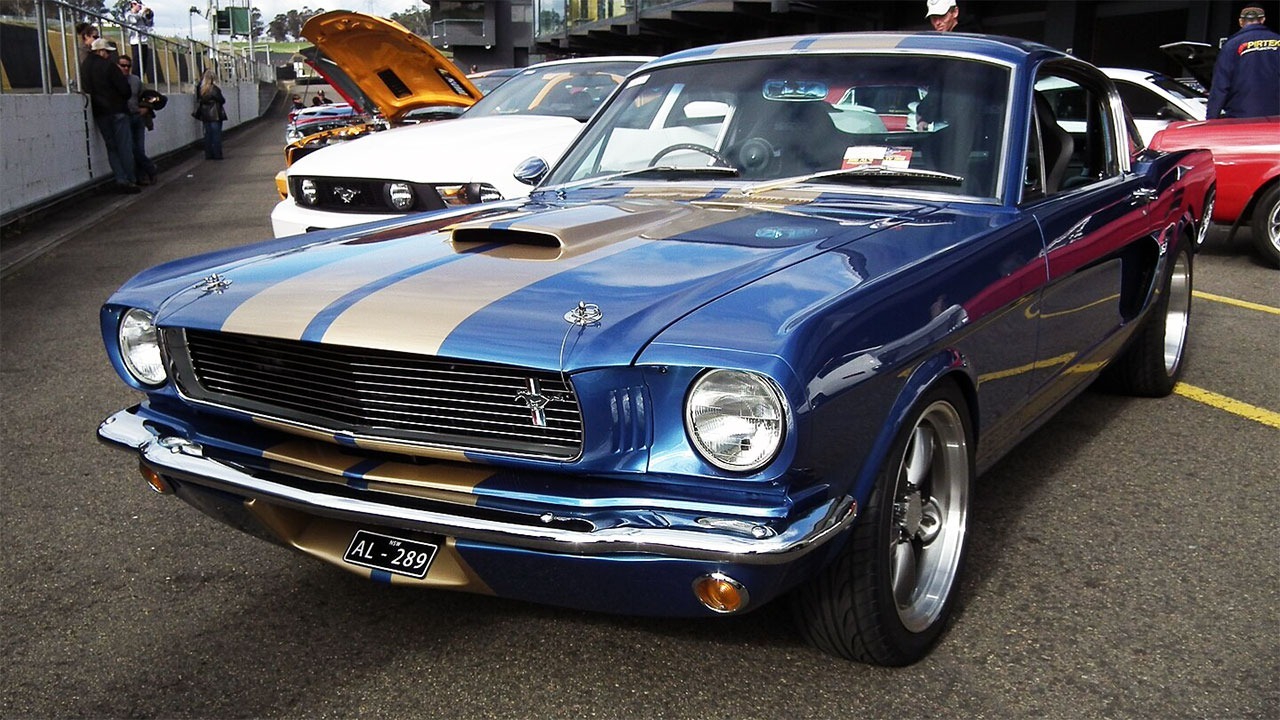
Shelby GT350 (1965)

The Shelby GT350, launched in 1965, was a game-changer for the Ford Mustang. Developed by Carroll Shelby, this model combined the Mustang’s performance with enhanced handling and track-ready features. The GT350 was equipped with a modified 289 cubic inch V8 engine, delivering impressive power and agility. Its success on the racetrack helped solidify the muscle car’s reputation in motorsports, influencing buyer expectations for performance. The GT350 remains a revered model among collectors and enthusiasts, exemplifying the blend of style, power, and racing heritage that defines muscle cars.
More from Fast Lane Only