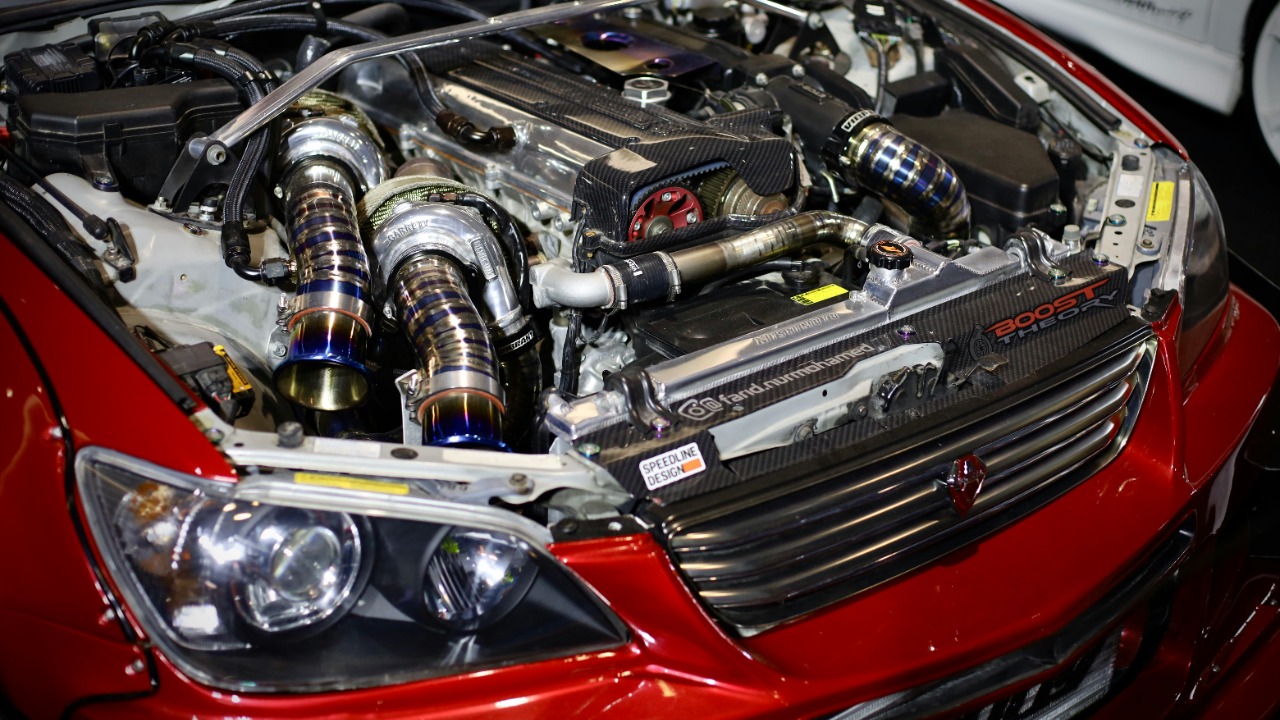
Muscle cars have always been an expression of raw power and engineering prowess, where manufacturers push the envelope to create something truly extraordinary. From high-performance engines to groundbreaking aerodynamics, these vehicles are more than just cars; they’re legends on wheels. Let’s dive into some of the most iconic muscle cars that challenged and redefined factory limits.
Dodge Charger Daytona

The Dodge Charger Daytona, introduced in 1969, was a game-changer on the NASCAR tracks. Its aerodynamic design was ahead of its time, featuring a massive rear wing and an elongated nose. These features helped it achieve record-breaking speeds, making it the first car in NASCAR history to break the 200 mph barrier.
Built with the racetrack in mind, the Charger Daytona was powered by a 7.2-liter Hemi V8 engine, offering impressive horsepower that left competitors in the dust. Even today, its design and performance remain iconic, a testament to Dodge’s engineering boldness.
Chevrolet Camaro ZL1

Chevrolet took the Camaro to new heights with the ZL1, especially the 1969 model year. Only 69 units were produced, each equipped with an all-aluminum 427 V8 engine that was initially developed for Can-Am racing. The result was a lightweight yet powerful beast that could hold its own against any competitor.
The Camaro ZL1 wasn’t just about power; it was also about handling and balance, thanks to its well-tuned suspension. It represented a perfect blend of performance and engineering, cementing its status as one of the most sought-after muscle cars of its era.
Ford Mustang Boss 429

In 1969, Ford introduced the Mustang Boss 429, a limited-production model designed to homologate its new 429 cubic inch V8 engine for NASCAR. Known internally as the “Boss 9,” this Mustang required extensive modifications to fit the massive engine, showcasing Ford’s engineering ingenuity.
With just over 1,300 units produced, the Boss 429 was a rare gem. It was designed to deliver peak performance at high speeds, making it not only a collector’s dream but also a symbol of Ford’s commitment to pushing the boundaries of what a muscle car could achieve.
Pontiac GTO Judge
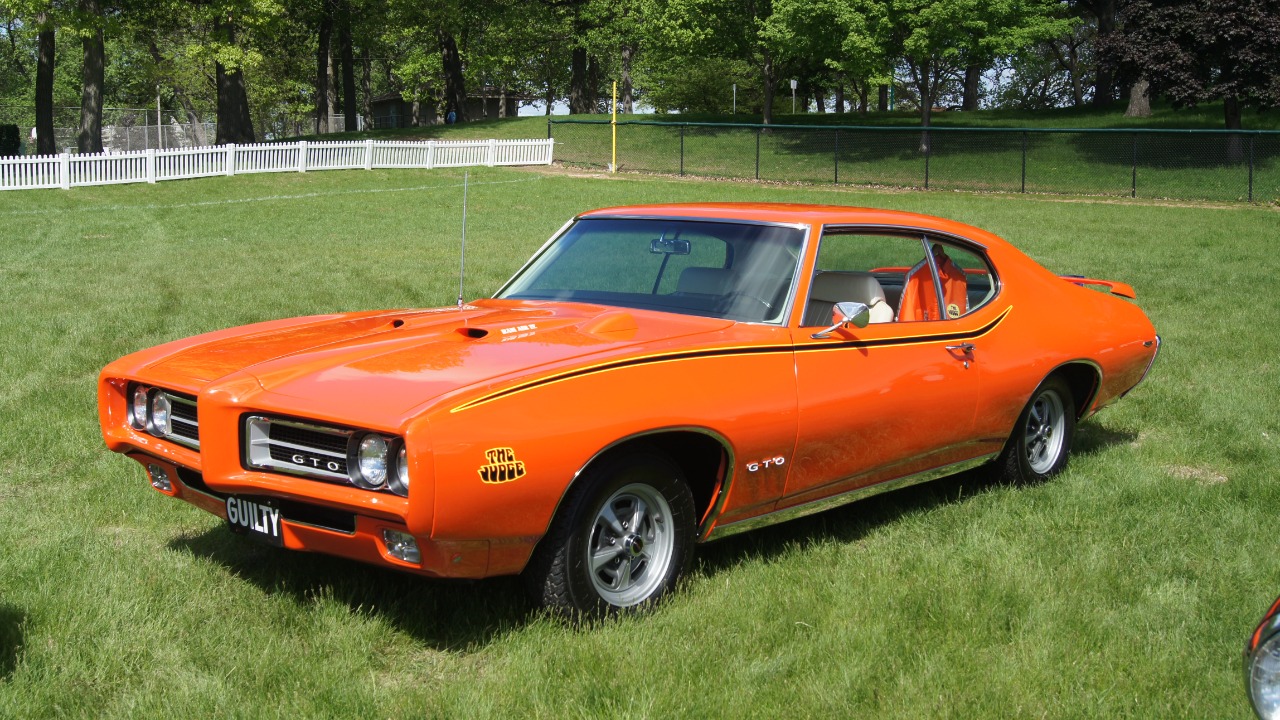
The Pontiac GTO Judge, first unveiled in 1969, was designed to stand out in the crowded muscle car market. With its flamboyant styling and high-performance 400 cubic inch Ram Air III engine, it was built for those who wanted to make a statement.
The GTO Judge wasn’t just about looks; it was a powerhouse on the road. With upgraded suspension and a focus on performance, it captured the essence of what a muscle car should be—fast, loud, and unapologetically bold.
Plymouth Hemi ‘Cuda

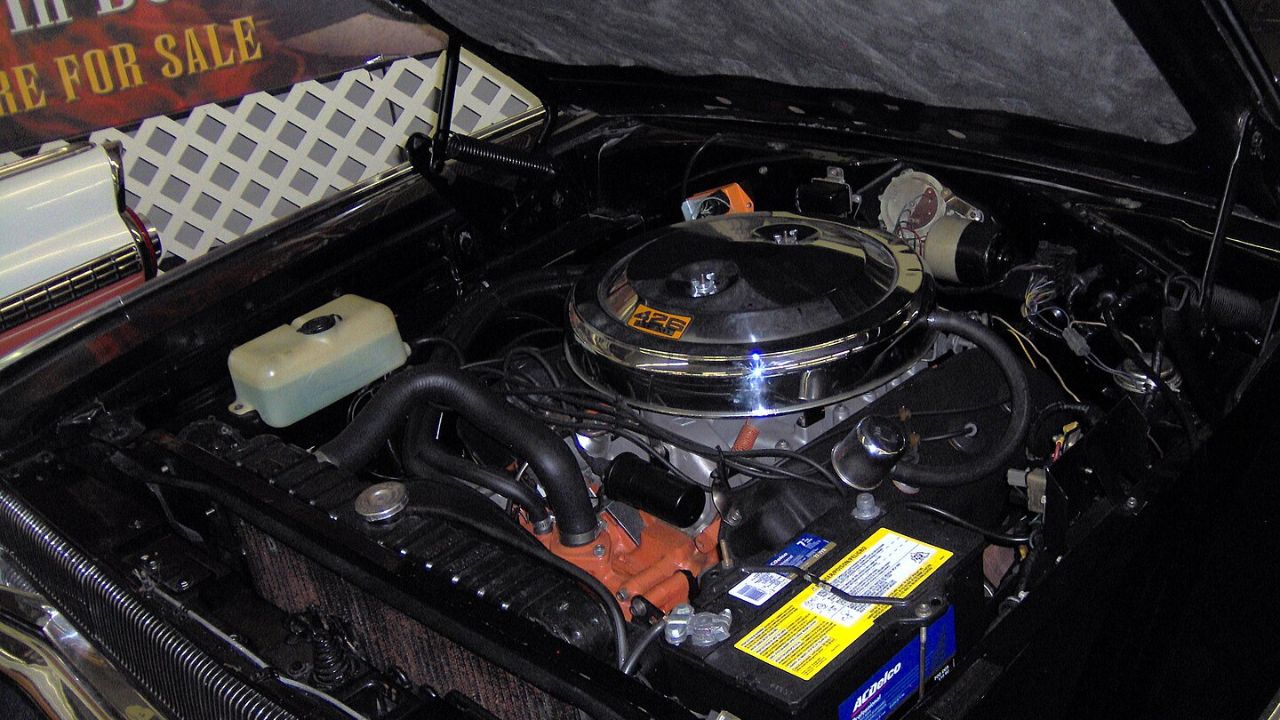
The 1970 Plymouth Hemi ‘Cuda is synonymous with raw power and performance. Under the hood, it featured the legendary 426 Hemi V8 engine, known for its high horsepower and torque. This made the ‘Cuda a force to be reckoned with on both the street and the strip.
Its aggressive styling, combined with unmatched performance, made the Hemi ‘Cuda a standout. The car’s engineering was so advanced that it became a benchmark for other manufacturers, highlighting Plymouth’s commitment to creating a true muscle car icon.
Shelby GT500
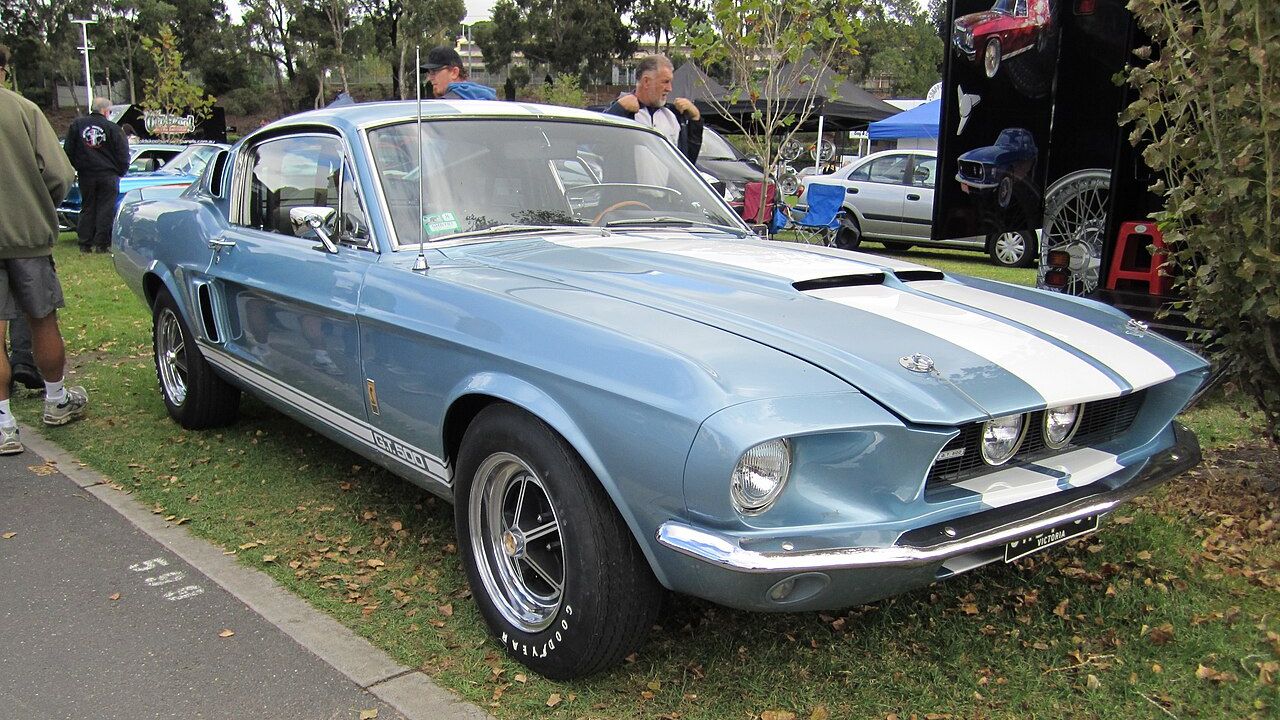
The Shelby GT500, especially the 1967 model, is a perfect example of what happens when a racing legend collaborates with a major automaker. Carroll Shelby took the Ford Mustang and transformed it into a high-performance machine with a 428 cubic inch V8 engine.
With its distinct styling and powerful performance, the GT500 was a hit among enthusiasts. It marked a significant milestone in the muscle car era, proving that with the right engineering and vision, a car could transcend its original design to become something truly extraordinary.
Buick GSX Stage 1
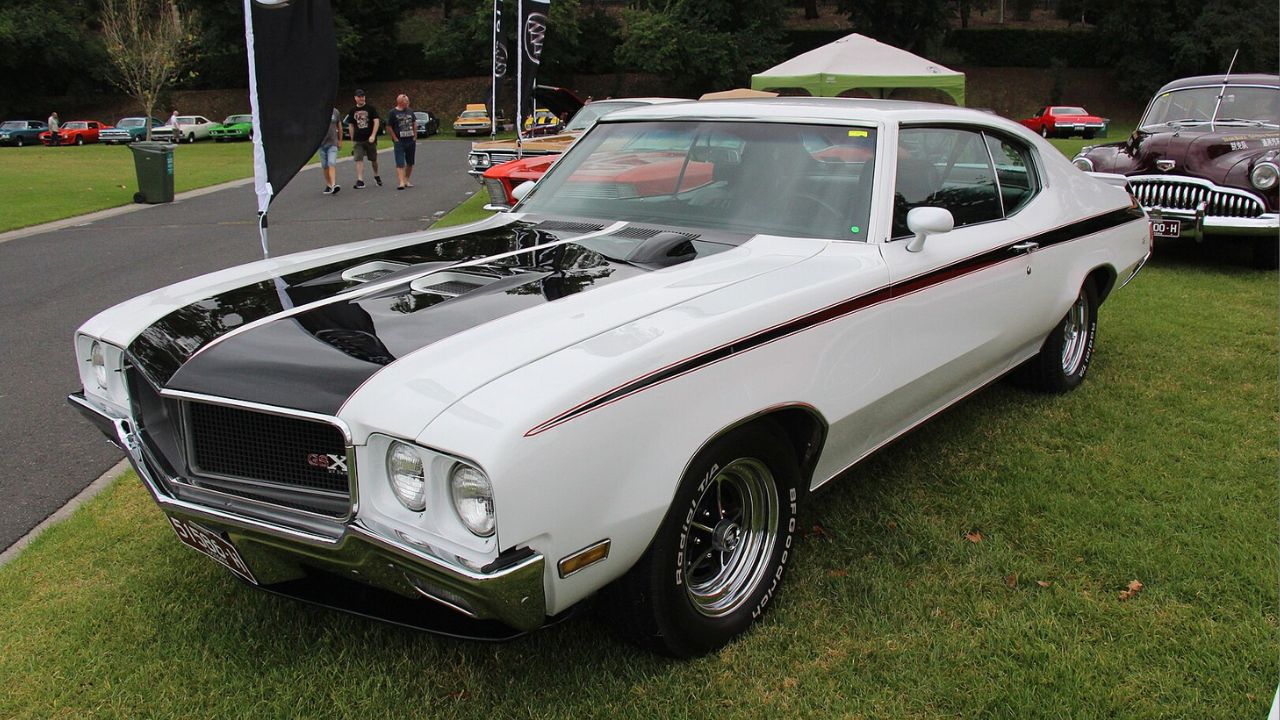
The Buick GSX Stage 1 from 1970 was a wolf in sheep’s clothing. Known for its luxurious image, Buick surprised everyone with this high-performance model that could outrun many of its competitors. The Stage 1 package included a 455 cubic inch V8 engine, producing impressive horsepower and torque.
With its distinctive styling and performance enhancements, the GSX Stage 1 was a sleeper hit. It demonstrated that Buick could compete in the muscle car arena, offering a vehicle that was both powerful and refined.
Oldsmobile 442 W-30

The Oldsmobile 442 W-30, particularly in 1970, was a powerhouse that left a lasting impression in the muscle car world. Equipped with a high-output 455 cubic inch V8 engine, it was designed to deliver maximum performance on the road.
With its performance-tuned suspension and aggressive looks, the 442 W-30 was more than just a car; it was a statement. It showcased Oldsmobile’s ability to blend power, style, and engineering excellence in one package.
AMC Javelin AMX
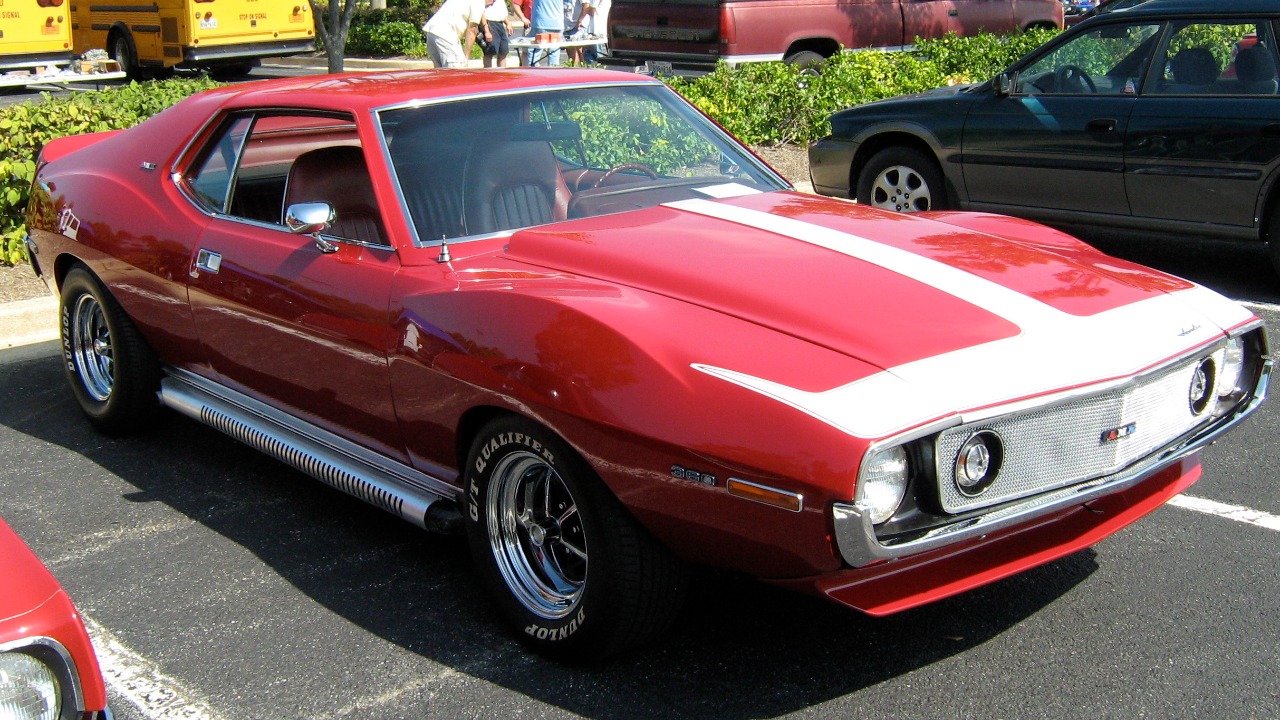
The AMC Javelin AMX, especially in its 1971–1974 versions, was a unique entry in the muscle car market. With a bold design and a powerful 401 cubic inch V8 engine, it stood out among its peers. AMC took risks with the Javelin AMX, aiming to capture the essence of American performance.
Not only did it offer impressive performance, but it also showcased innovative design elements that were ahead of its time. The Javelin AMX proved that AMC could play with the big boys in the muscle car segment.
Chevrolet Corvette ZR1
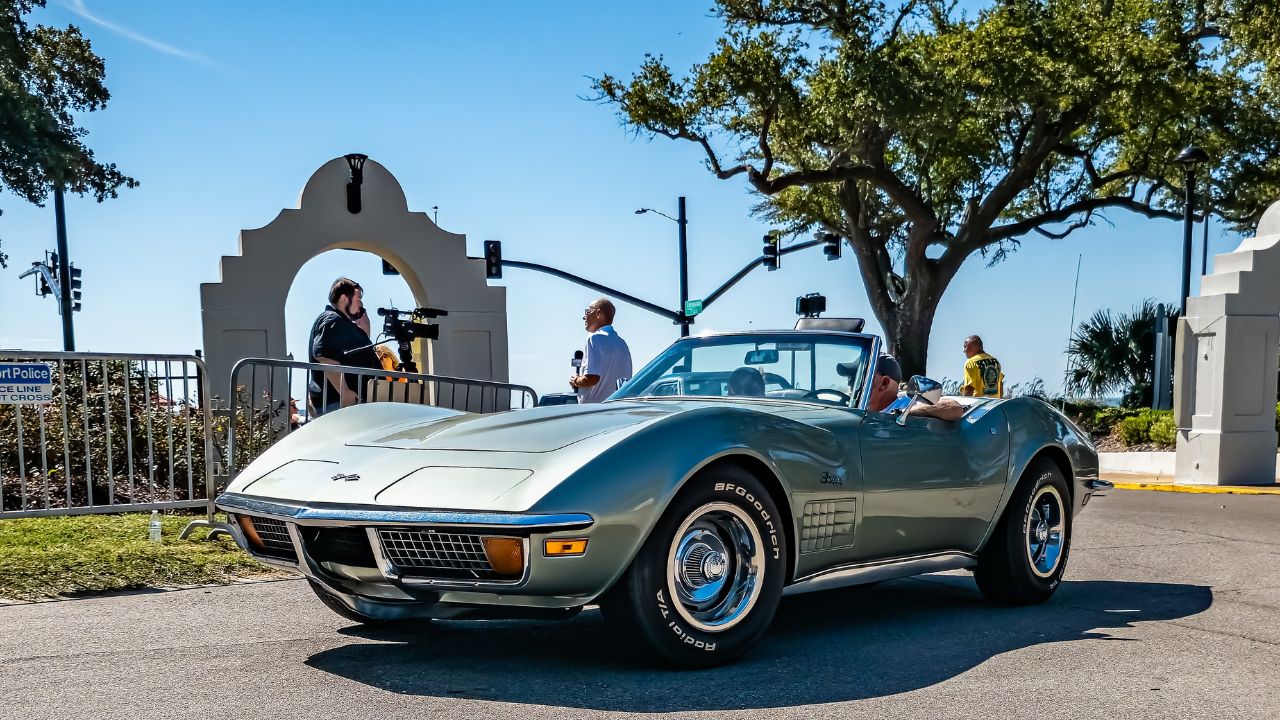
The Chevrolet Corvette ZR1, particularly the 1970–1972 models, was a testament to engineering precision. With a focus on performance, the ZR1 package included the powerful LT1 engine and advanced suspension systems that made it a track-ready machine.
Although it wasn’t produced in large numbers, the ZR1 was a showcase of Chevrolet’s ability to combine speed, handling, and modern technology. It set new standards for what a sports car could achieve, making it a legendary figure in the muscle car world.
More from Fast Lane Only