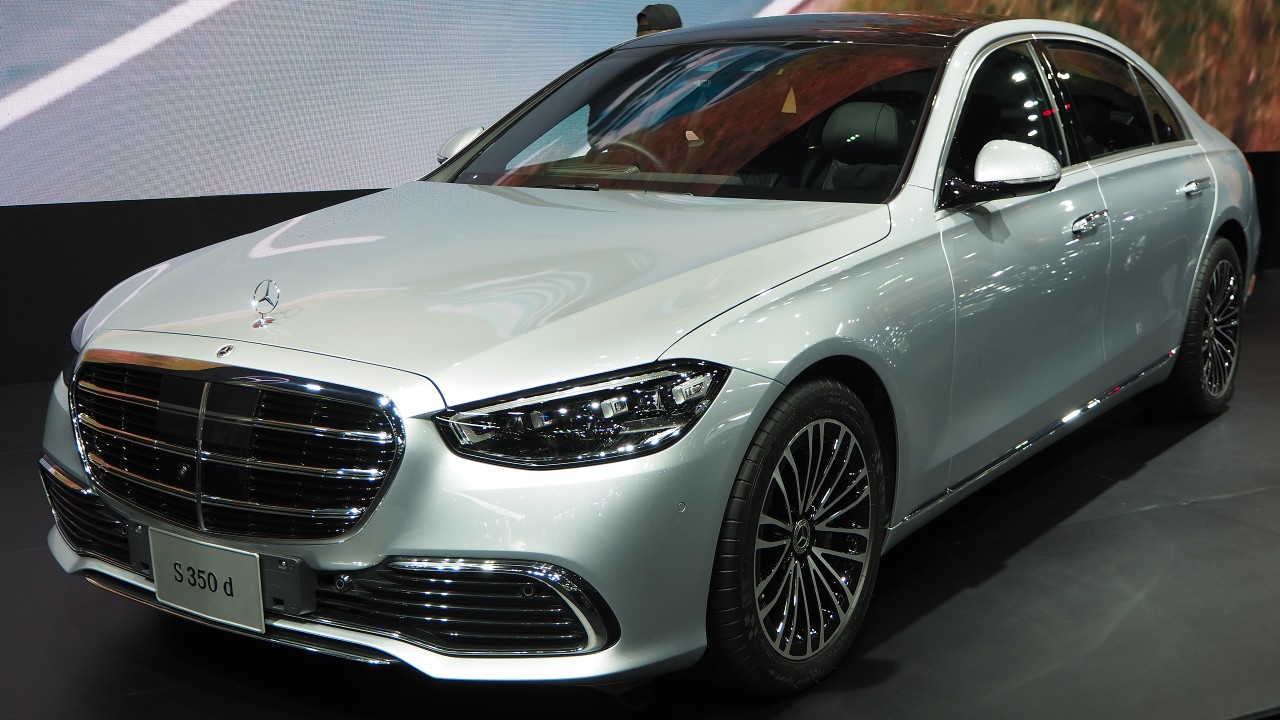
If you feel like your premiums are spiraling, the vehicle in your driveway may be a big part of the problem. Certain models and categories reliably drive insurance companies crazy, either because they are costly to repair, tempting to thieves, or linked to risky driving. Here are ten specific types of vehicles you should think twice about if you want to keep your rates under control.
Exotic Brand Vehicles
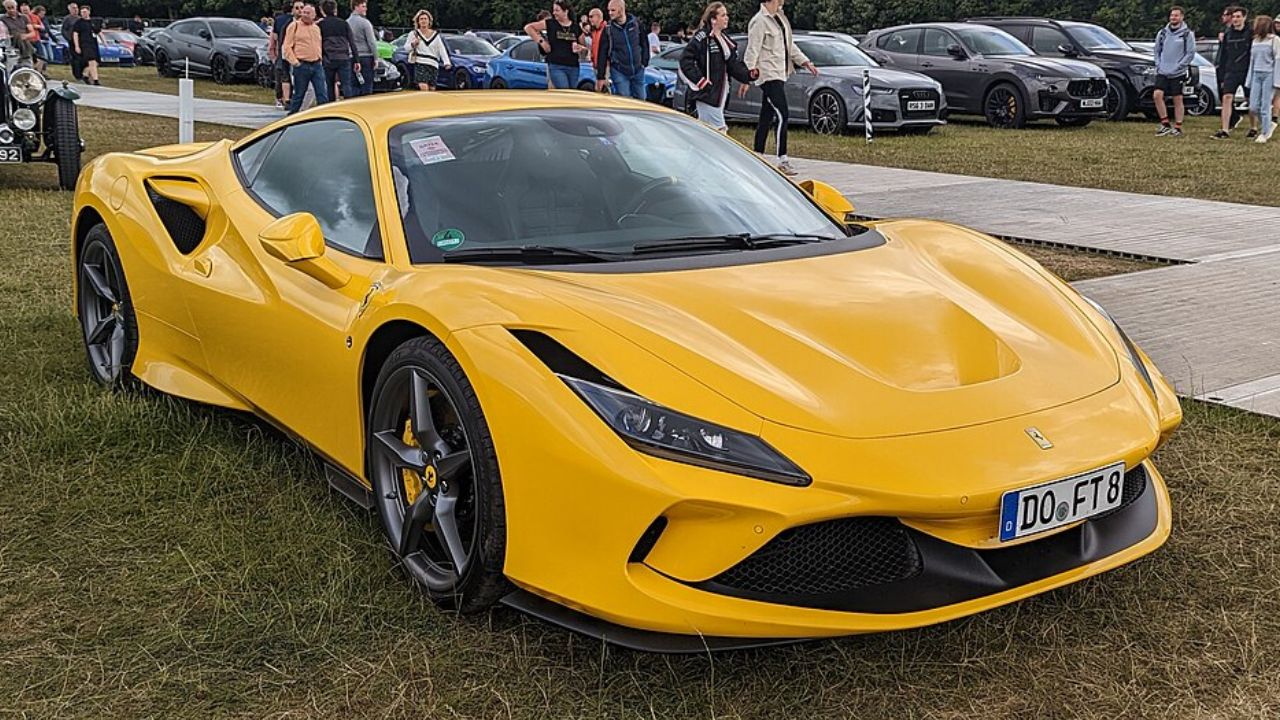
Exotic Brand Vehicles such as Rolls Royce, Bentley, and Bugatti are almost tailor made to give underwriters a headache. When you buy into this tier, you are paying for hand built craftsmanship, rare parts, and complex electronics, all of which make even minor collisions extremely expensive to fix. One legal analysis of Which Vehicles Are to Insure lists Exotic Brand Vehicles, including Rolls Royce and Bentley, as prime examples of cars that insurers struggle to price.
From your perspective, that means higher comprehensive and collision premiums, stricter mileage limits, and more pressure to garage the car. Insurers know that a single claim can wipe out years of profit on a policy, so they respond with steep rates or limited coverage. If you are dreaming of a weekend-only Bentley, it is smart to factor in specialty insurance quotes before you sign anything at the dealership.
BMW 7 Series
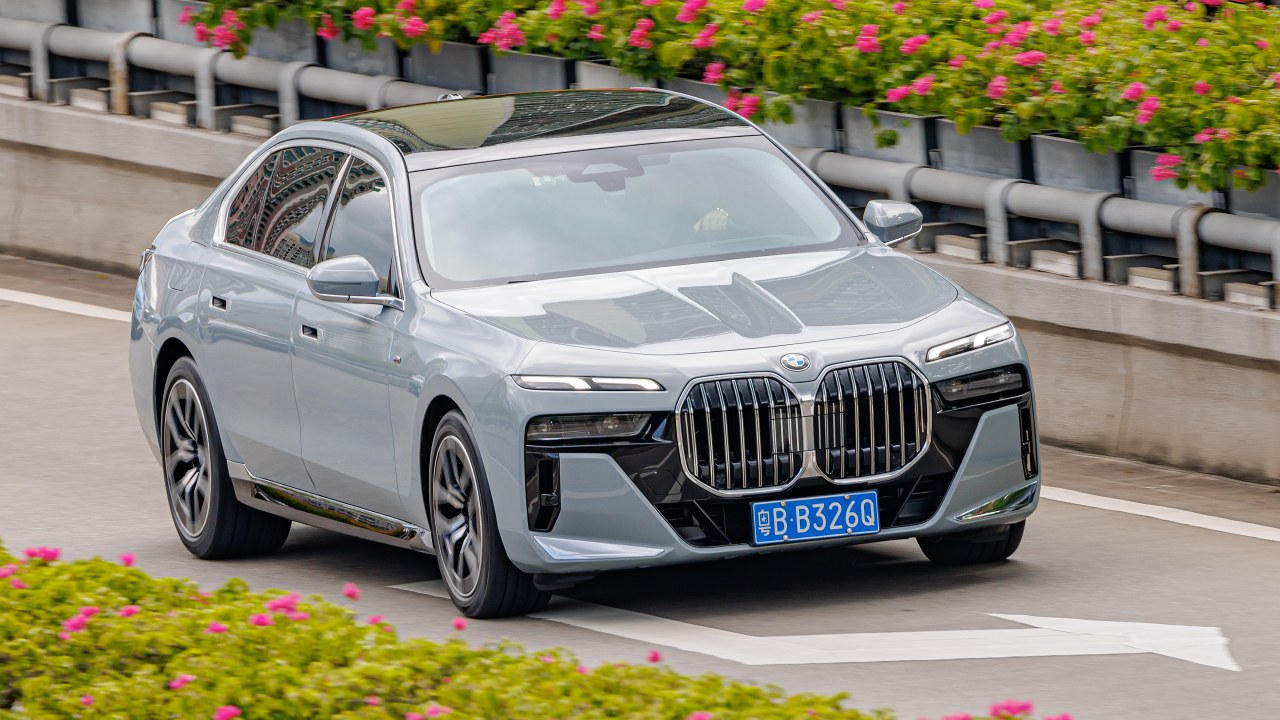
The BMW 7 Series is a textbook example of a luxury sedan that sends actuaries back to their spreadsheets. Research into the most expensive cars to insure notes that the BMW 7-Series can cost around $3,522 a year in premiums, squarely in the “luxury car” bracket, once you account for the underlying pricing methodology. That figure reflects the car’s powerful engines, advanced driver aids, and expensive bodywork.
Insurers also see the 7 Series as a status symbol that can attract thieves or aggressive driving. When you combine high repair bills with the possibility of large liability claims, the risk profile climbs quickly. If you want full-size comfort without full-size premiums, you might look at less opulent sedans that still offer safety tech but without the same repair and replacement costs.
Mercedes-Benz S-Class
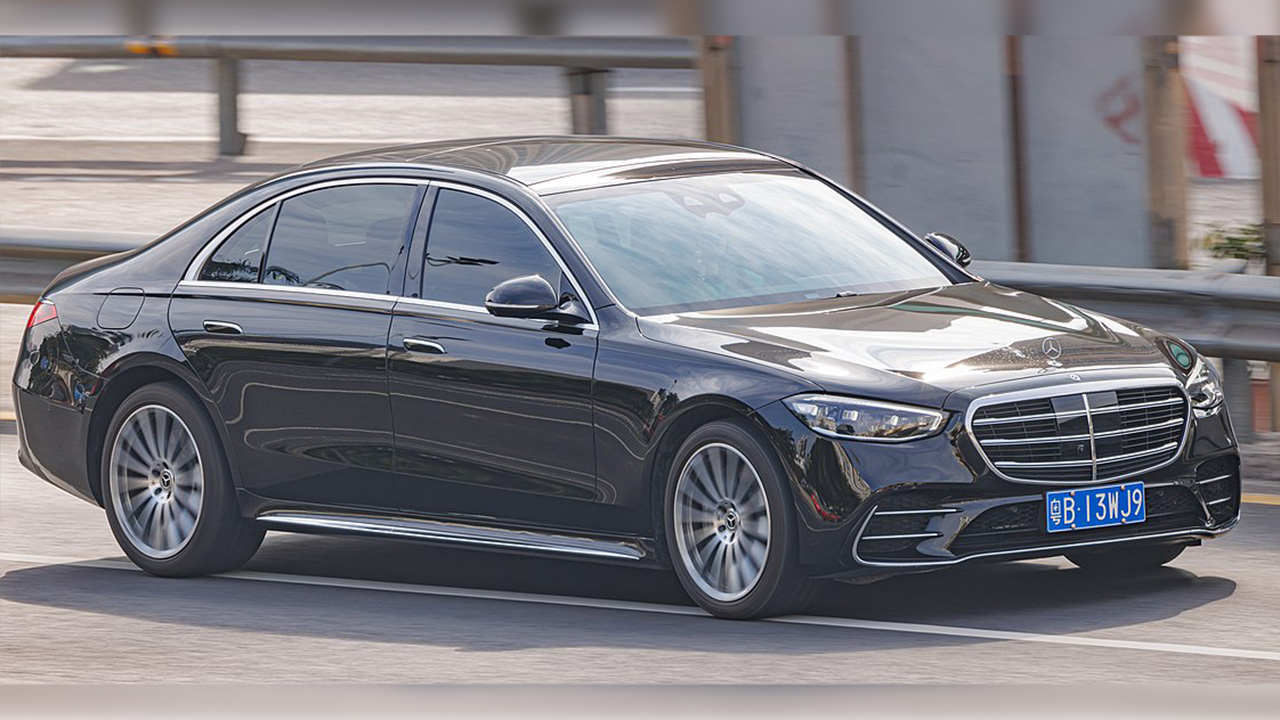
The Mercedes-Benz S-Class sits in the same high risk orbit as the BMW 7 Series. Guides on Luxury Cars that raise your auto insurance specifically call out models like the Mercedes-Benz S-Class, alongside the BMW 7 Series and Audi A8, as examples that push premiums up. The reason is simple, the S-Class is packed with cutting edge technology, from adaptive suspensions to complex infotainment systems, and those systems are not cheap to replace.
On top of that, the S-Class often carries executives and high earners, which can translate into larger bodily injury and property damage claims when something goes wrong. Insurers price in that exposure, so you pay more for liability coverage as well as physical damage protection. If you are considering an S-Class, it is worth comparing quotes with smaller Mercedes models that share safety features but cost less to repair.
Dodge Challenger SRT Hellcat
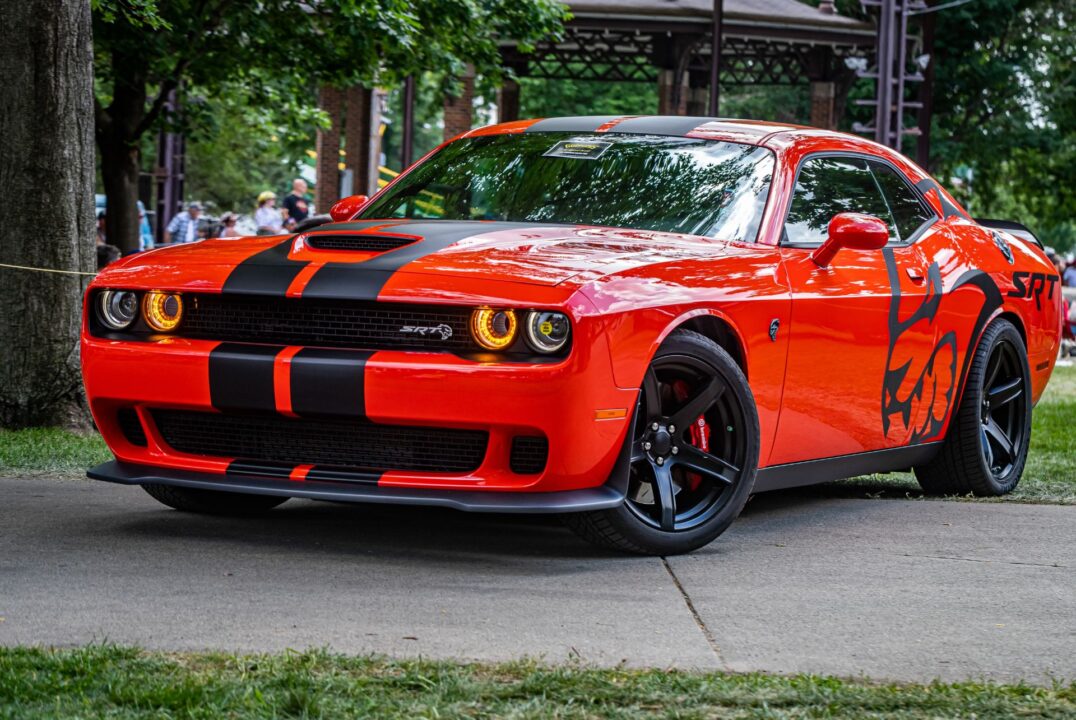
The Dodge Challenger SRT Hellcat is a muscle car that practically screams “high risk” to an underwriter. With supercharged horsepower and aggressive styling, it fits neatly into the category of performance cars that can raise your auto insurance, right alongside icons like the Porsche 911. The same overview of Examples of pricey cars to insure highlights the Dodge Challenger SRT Hellcat as a model that tends to attract speeding violations.
From an insurer’s standpoint, more power often means more temptation to drive fast, which leads to more severe crashes and bigger claims. That risk is magnified when younger drivers get behind the wheel. If you are drawn to the Hellcat’s sound and straight line speed, you should budget for significantly higher premiums and consider usage based telematics programs to prove you are not driving like a drag racer every day.
Porsche 911
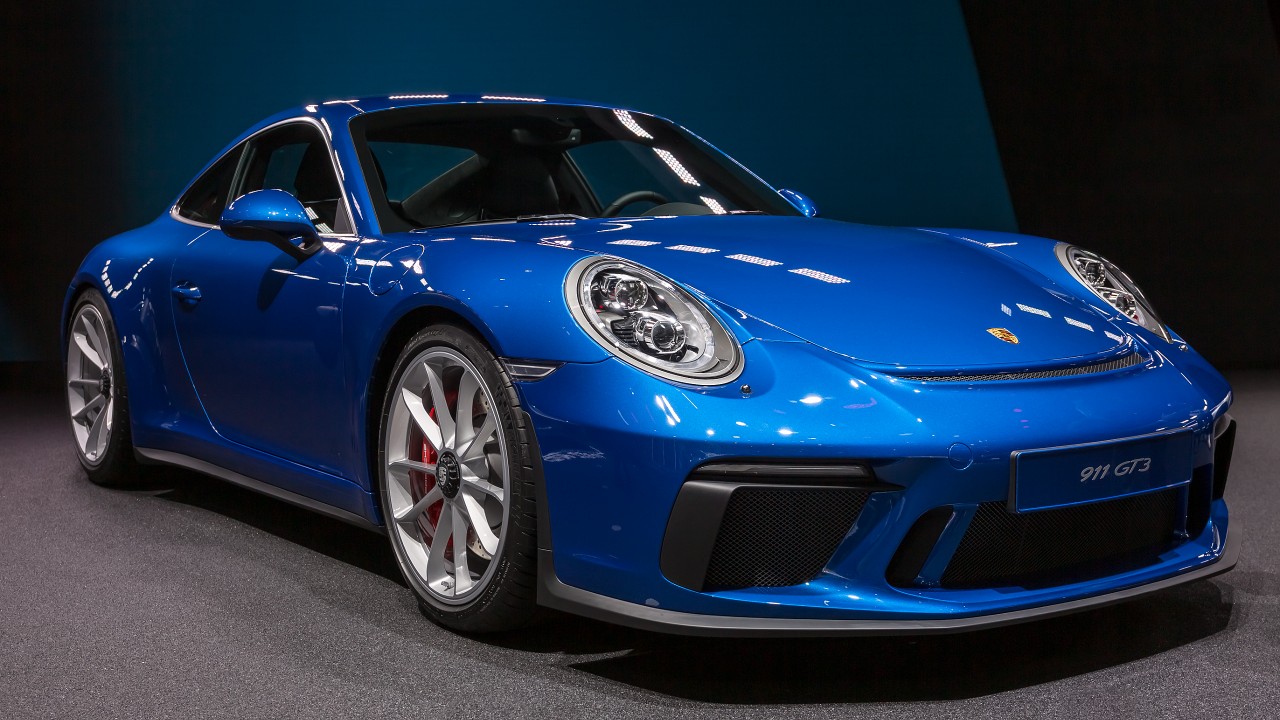
The Porsche 911 is another dream car that can quickly become a nightmare for your insurance budget. Performance oriented lists of cars that raise premiums consistently mention the 911 in the same breath as the Dodge Challenger SRT Hellcat, because both combine high top speeds with expensive parts. When a low slung sports car like this is involved in a crash, even a glancing blow can damage body panels, suspension components, and specialized tires.
Insurers also know that the 911 is often driven spiritedly on back roads or track days, which increases exposure even if you have a clean record. For you, that means higher base rates and sometimes stricter conditions on how and where the car is used. If you want a sporty feel without 911 level premiums, you might look at less powerful coupes that still offer engaging handling but cost less to repair.
Ford Focus
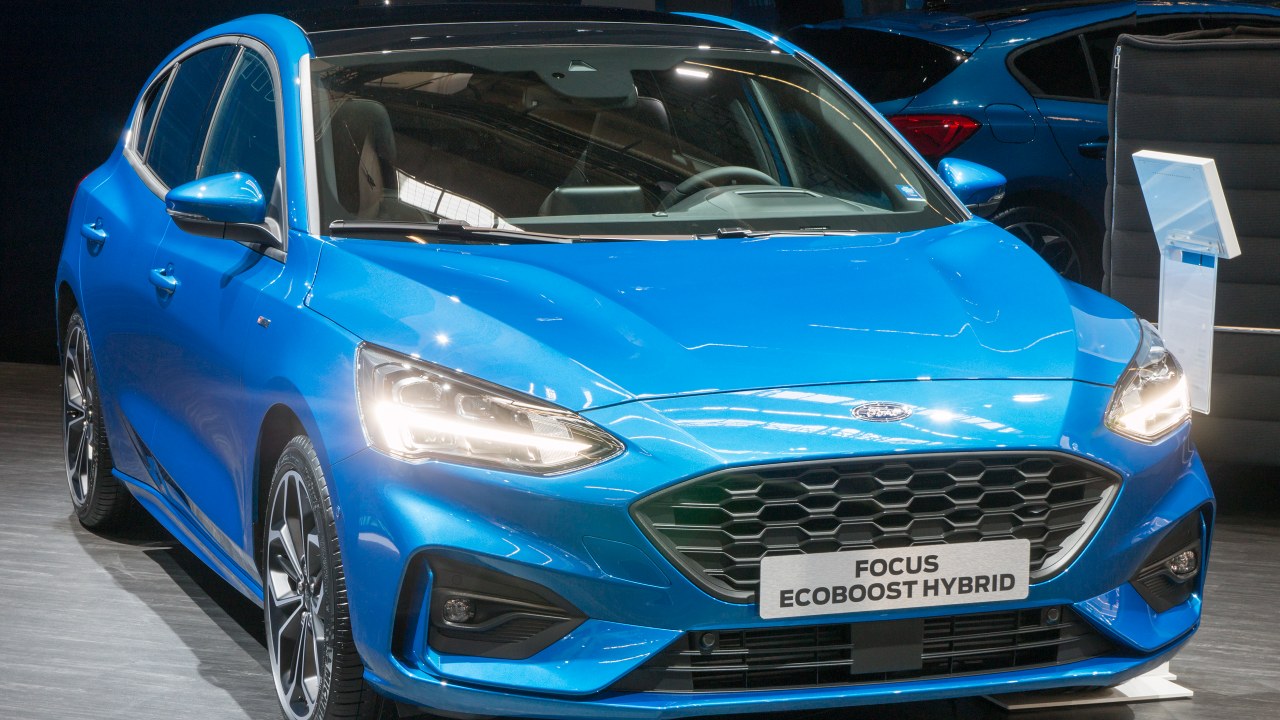
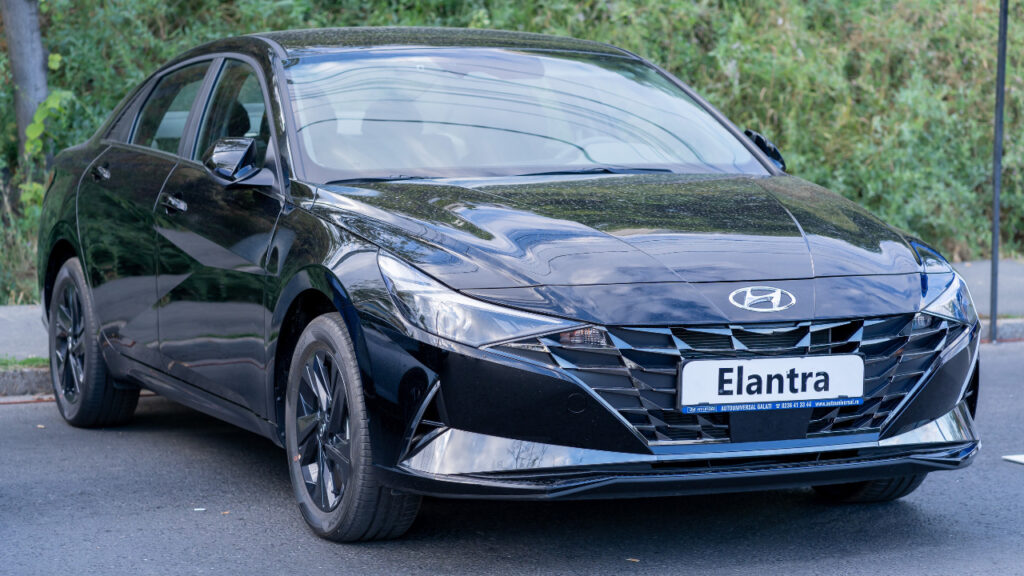
The Ford Focus might not look like a troublemaker, but some analyses of insurance value show it can be a surprisingly poor deal. One comparison of best and worst insurance values lists the Ford Focus among the five worst deals, with an average annual premium of $1,391. That same breakdown notes that the Toyota Corolla sits at $1,400, the Hyundai Elantra at $1,384, and the Honda Civic close behind, illustrating how seemingly modest compacts can still be expensive to cover when claims data is unfavorable, as shown in And the worst deals.
For insurers, higher claim frequency or costly repairs on common models can outweigh their low sticker prices. If you are shopping in the compact segment, it pays to compare not just fuel economy and purchase cost, but also how each model performs in real world insurance statistics.
Dodge Ram
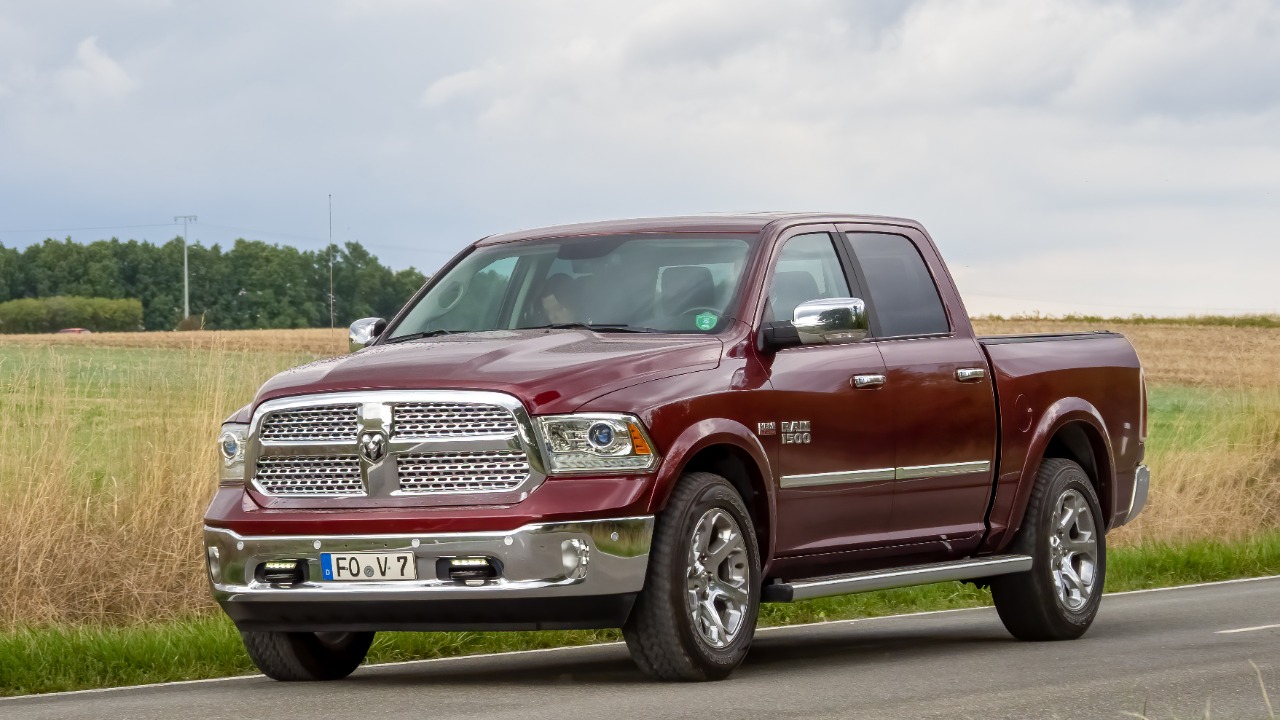
The Dodge Ram, especially in newer, feature packed trims, is another vehicle that can push premiums higher than you might expect. In one discussion of cars that are, owners praise the Dodge Ram for having the “best interior by far” and being “a lot more reliable then they were back in the day.” That combination of comfort and capability often leads drivers to use these trucks for heavy towing, off road trips, and long commutes.
From an insurer’s angle, full size pickups like the Ram can cause serious damage in collisions because of their weight and height, which drives up liability payouts. They are also popular targets for theft and accessory upgrades, adding to comprehensive risk. If you rely on a truck for work, you may need to balance the appeal of a high end Ram with the reality of higher insurance costs.
High-Risk “Certain” Cars
Certain cars are labeled high risk to the point that their drivers may be refused a standard policy altogether. Consumer advocates warn that Certain vehicles, often heavily modified sports cars or older models lacking modern safety features, can trigger outright denials from mainstream insurers. When a car is seen as too likely to be crashed, stolen, or involved in reckless driving, companies sometimes decide the risk is not worth taking at any price.
If you end up in this category, you may be pushed toward nonstandard insurers or state assigned risk pools, where premiums are steep and coverage options limited. The stakes are high, because driving without insurance is illegal in most states and can lead to fines, license suspensions, and even impoundment of the car you worked so hard to build or restore.
Teen-Driven Sports Cars
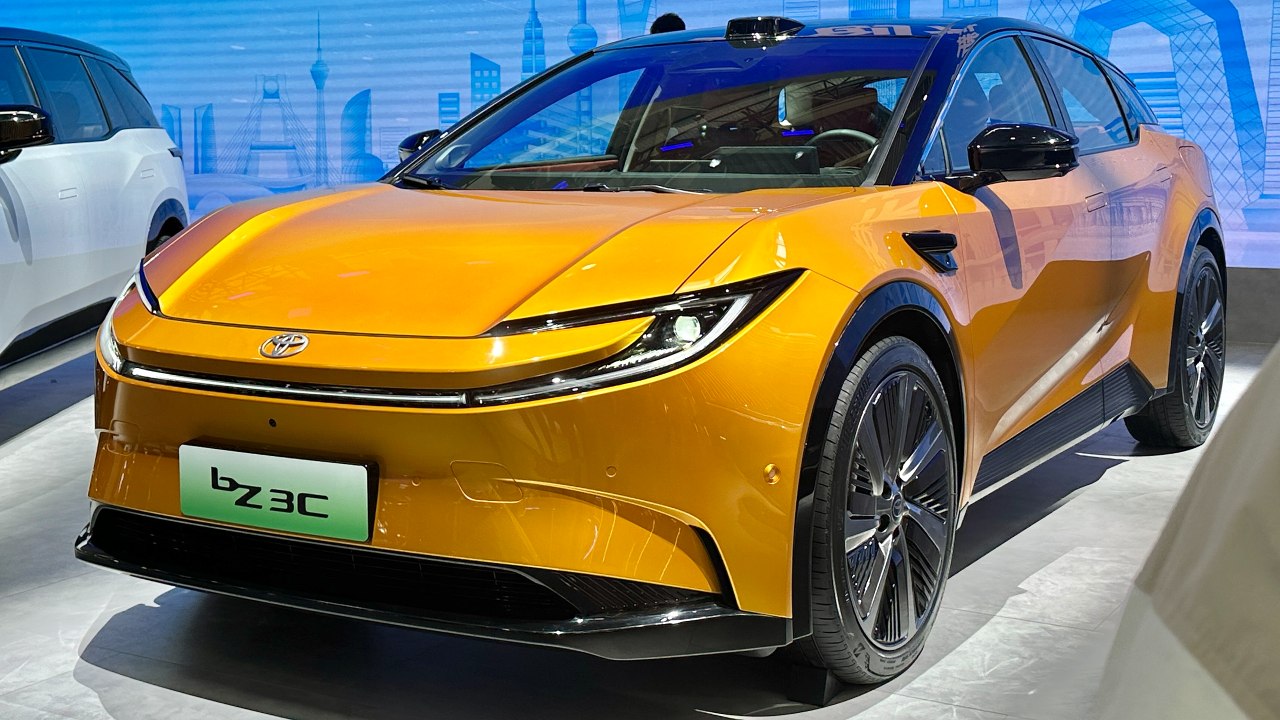
Sports cars in the hands of teen drivers are a combination that makes insurers especially nervous. Guidance for parents notes that Insurance companies consider much more than what the vehicle costs, and that Sports cars and luxury brands almost always come with higher premiums. When you add an inexperienced teen to a high horsepower coupe, the risk of speeding, distracted driving, and serious crashes climbs sharply.
For families, that can mean eye watering rate hikes when a teen is added to the policy, especially if they are listed as the primary driver of a performance oriented car. You can soften the blow by steering your new driver toward safer, slower vehicles, requiring good grades, and enrolling them in defensive driving courses, but insurers will still price in the elevated risk of youth plus speed.
Cars Linked To High-Risk Drivers

Some vehicles become expensive to insure not just because of what they are, but because of who tends to drive them. Financial experts point out that Someone with several traffic tickets, a couple of car accidents or a DUI on their record presents an insurance company with a high risk and is charged higher premiums. Certain sporty sedans, lifted trucks, or tuner cars can be overrepresented in this group, simply because they attract drivers who push limits.
Insurers track this through claims data and adjust rates for specific models accordingly, even if you personally drive conservatively. That means you could pay more just because your car is popular with people who rack up DUIs and speeding tickets. Before you buy, it is worth getting quotes on a few different models to see how much the typical driver profile for each one is already baked into the price you will pay.
More from Fast Lane Only