Some cars are cool because they’re fast. Some are cool because they’re rare. And then there are the cars that are so weird, so downright odd, that you can’t help but love them. These are the misfits—the ones that make you do a double take and think, “Wait… what were they thinking?”
Maybe it’s an awkward design choice, an over-the-top experiment, or just a wild idea that somehow made it onto the road. But despite their quirks, these cars have a charm that makes them unforgettable. Whether they were ahead of their time, hilariously impractical, or just built with a little too much imagination, they’ve earned a special place in the hearts of car lovers everywhere.
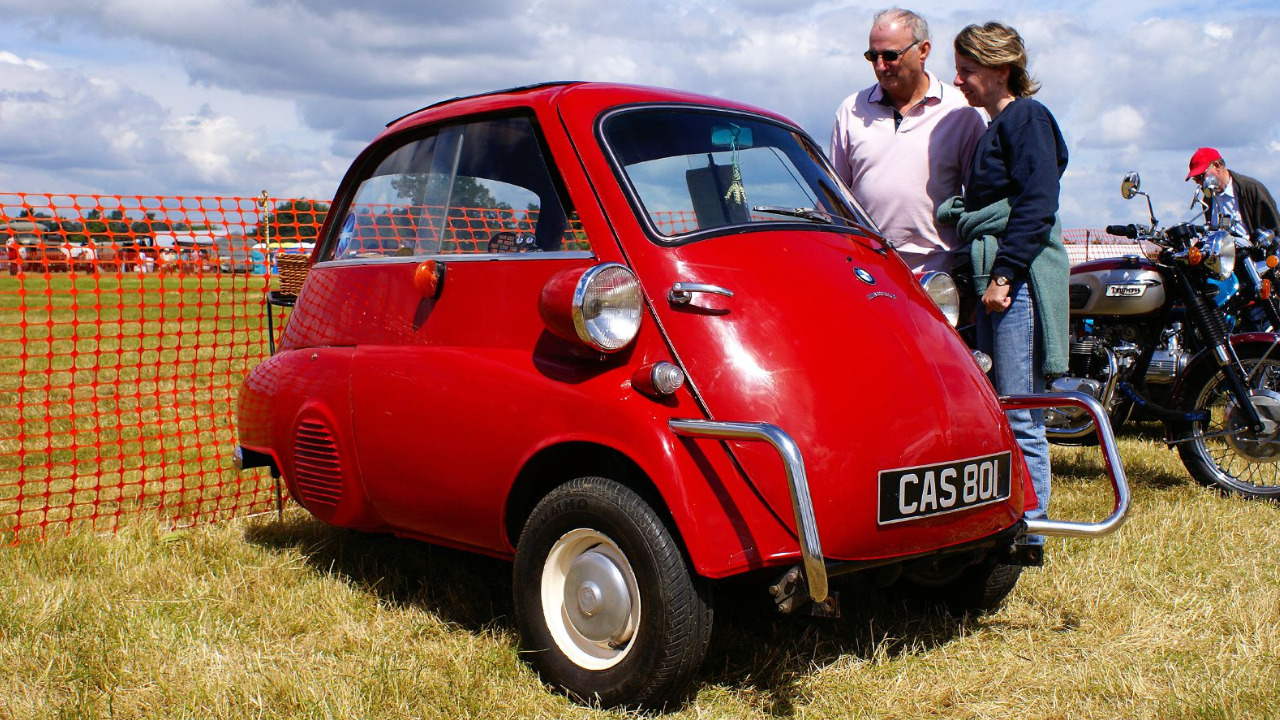
Isetta Bubble Car

If weird had a poster child, it would be the Isetta. Originally designed in Italy, this little bubble on wheels looked like something out of a sci-fi cartoon. With its egg-shaped body, bubble-like windows, and single front-hinged door, the Isetta was as unusual as cars get. It even had a three-wheeled variant that made it look even more unbalanced—literally.
Despite its odd looks, the Isetta became a smash hit when BMW took over production. It was ridiculously fuel-efficient, making it a practical choice for the post-war era. It also holds the title of the best-selling single-cylinder car of the 1950s. Weird? Absolutely. Iconic? No doubt.
Ferrari Modulo
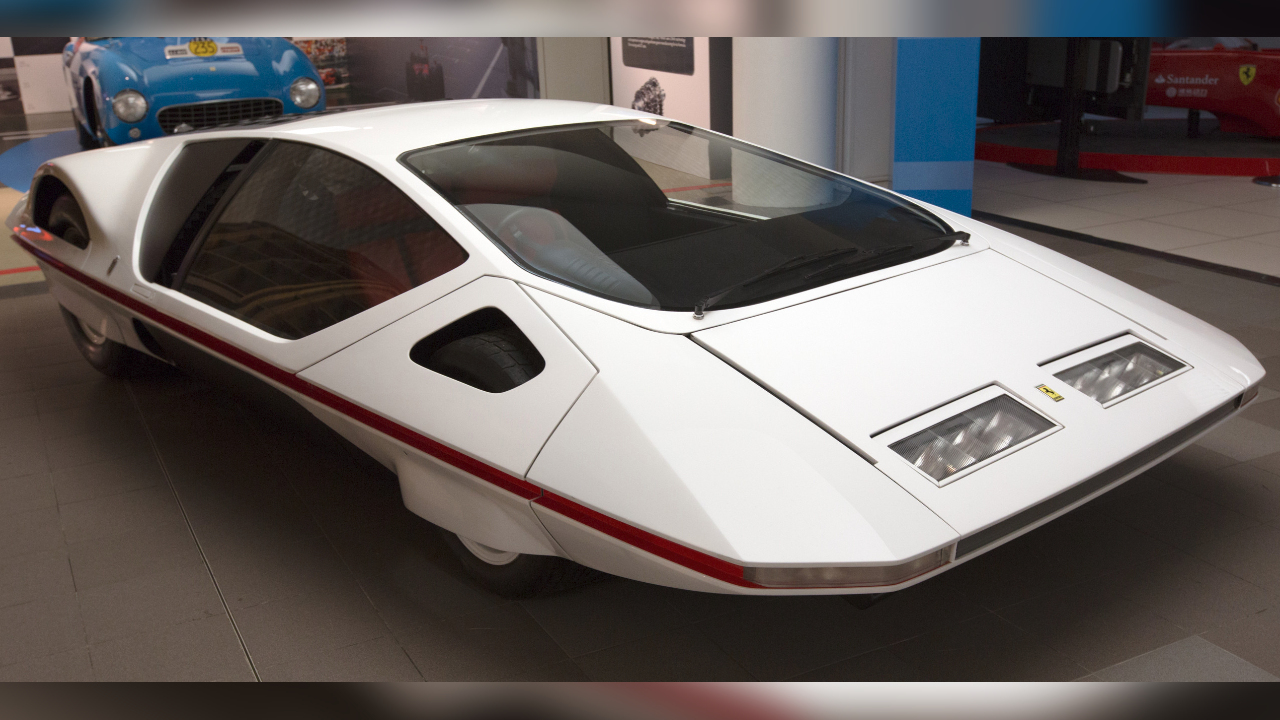
Imagine Ferrari decided to build a spaceship instead of a car. That’s the 512S Modulo. Designed by Pininfarina’s Paolo Martin in the late ‘60s, this thing looked like a rolling sci-fi prop. It was so low to the ground that it looked more like a pancake than a car. Oh, and forget doors—getting in meant sliding the entire glass canopy forward like you were strapping into a fighter jet.
Ferrari originally equipped it with a 5.0-liter V12 pushing 550 horsepower, but for years, the Modulo was just a showpiece. Then collector James Glickenhaus got his hands on it, restored it, and actually put it on the road. Spotting one of these in traffic would probably make you question reality.
Dymaxion
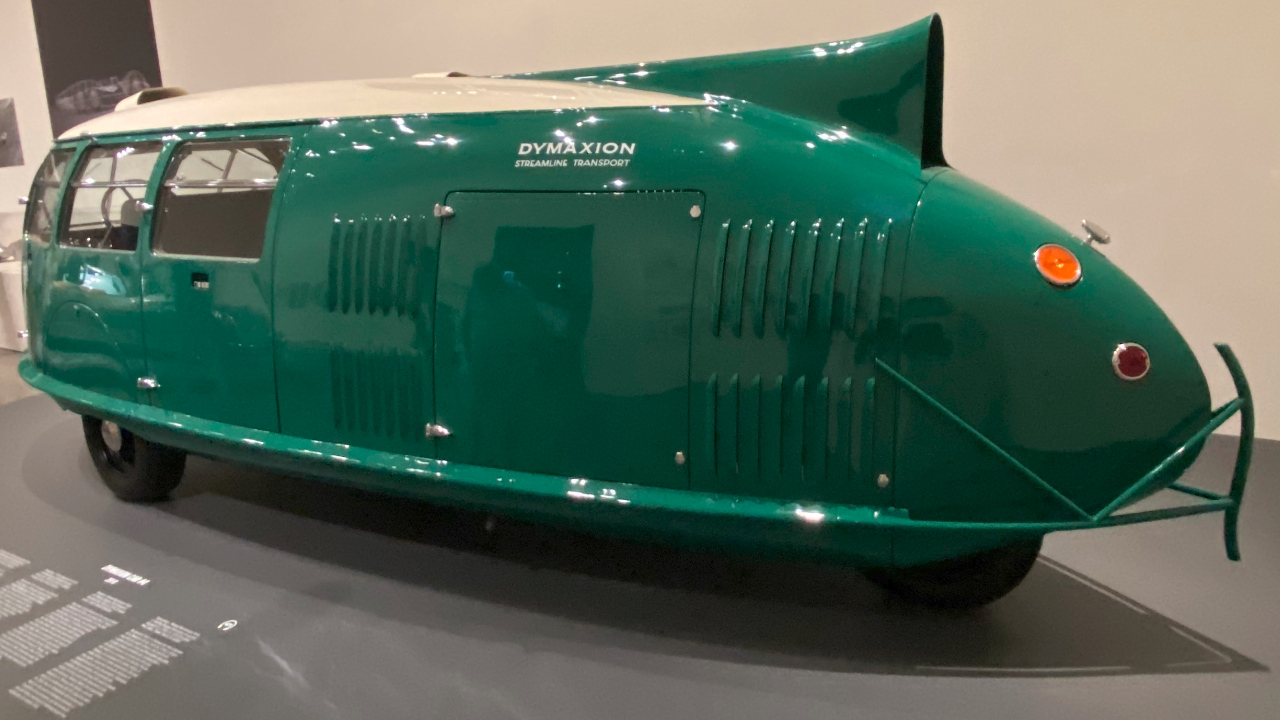
In the 1930s, American inventor Buckminster Fuller looked at regular cars and decided they were all wrong. His answer? The Dymaxion—a vehicle that looked like a stretched-out teardrop on wheels. It was meant to be ultra-efficient, aerodynamic, and futuristic. And, for some reason, it steered from the rear, making it nearly impossible to drive.
Powered by a Ford flathead V8, the Dymaxion could hit 120 mph, which was terrifying given its boat-like handling. Only three were built, and after a high-profile crash at the 1933 World’s Fair, investors ran for the hills. Today, only one original exists, with a couple of replicas keeping its bizarre legacy alive.
General Motors Firebird

No, not that Firebird. This one was a jet-powered fever dream from the 1950s. GM built four experimental Firebird concepts for their Motorama auto shows, and they didn’t just look like fighter jets—they were powered by turbine engines.
The Firebirds were never meant for mass production. Instead, they were GM’s way of flexing their engineering muscles, showing off futuristic designs that would (thankfully) never make it to the dealership lot. The cars still exist today at the GM Heritage Center in Michigan, where they serve as proof that sometimes, automakers get way too carried away.
Toyota Sera

The Toyota Sera is proof that Toyota occasionally throws practicality out the window just to have some fun. At first glance, it looks like a regular little coupe. But then you see the massive glass canopy and the butterfly doors, and suddenly, you realize this car is anything but normal.
Sold exclusively in Japan from 1990 to 1995, the Sera was powered by a modest 1.5-liter inline-four making 104 horsepower. Not exactly a rocket, but nobody bought this car for speed. It was all about the looks—because let’s be honest, when your doors open like something out of Back to the Future, who cares how fast you’re going?
Aston Martin Lagonda

Aston Martin doesn’t usually do weird, but when they do, they go all in. Case in point: the Aston Martin Lagonda. Unlike their sleek sports cars, this was a full-sized luxury sedan, and it looked like something from a sci-fi movie. With razor-sharp lines and an ultra-low stance, it made everything else on the road look dated.
The real madness was inside. The Lagonda’s dashboard featured a digital LCD display with touch-sensitive controls—a bold move for the late ‘70s. But let’s be honest, the tech was a disaster. Constant failures forced Aston Martin to abandon the system by 1980. At least under the hood, the 5.3-liter V8 delivered 280 horsepower, making sure this rolling experiment wasn’t just for show.
Austin-Healey Sprite
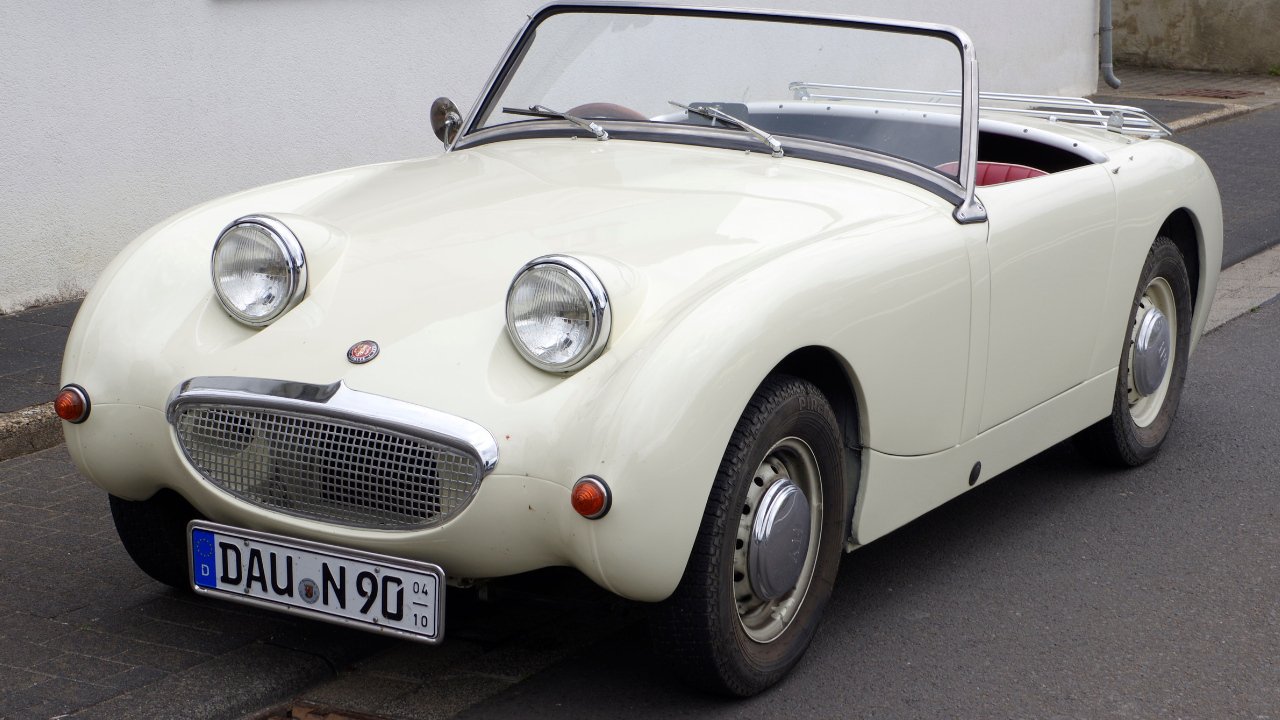
Ever seen a car that looks like it’s permanently surprised? That’s the Austin-Healey Sprite for you. The little British roadster earned the nickname “Frogeye” (or “Bugeye” in the U.S.) because of its round, protruding headlights that sat right on top of the hood instead of being flush with the body. It was weird, but in the best way possible.
Despite its oddball looks, the Sprite was a serious driver’s car. It had a lightweight unibody construction, sharp handling, and a punchy little inline-four engine. This wasn’t just a fun-to-look-at car—it was a proper British sports car that could take corners with confidence. Strange? Sure. But that’s what makes it great.
Toyota Previa

A minivan doesn’t belong on a list of cool cars—unless it’s the Toyota Previa. On the surface, it looks like your typical ‘90s family hauler, but under the skin, Toyota did something absolutely ridiculous: they gave it a mid-mounted engine. That’s right—this soccer mom van had the same weight balance philosophy as a Ferrari.
The engine sat under the floor, tilted at an angle, which made access a bit of a nightmare for mechanics. But it meant better handling than any minivan had a right to have. If that wasn’t crazy enough, Toyota even offered a supercharged version, because why not? A manual transmission option just added to its weird brilliance.
Fiat 600 Multipla

The late ‘90s Fiat Multipla is infamous for its bizarre looks, but the original 1950s Fiat 600 Multipla was strange in an entirely different way. This tiny, bubble-shaped microvan somehow fit six people in a space barely bigger than a modern Smart car.
The design was a bit of a safety nightmare. With no hood, the front windshield was basically the crumple zone, meaning if you got into an accident, you’d better hope the other driver was in a Fiat 500. But for what it was—a practical, efficient people-mover—the Multipla was ahead of its time. You just had to be brave enough to drive one.
Matra Rancho

At first glance, the Matra Rancho looks like an off-roader built to tackle rugged trails. But looks can be deceiving—this thing was actually front-wheel drive. That’s right, no four-wheel drive, no locking differentials, just the appearance of an SUV without any of the capability.
Despite its lack of off-road credentials, the Rancho is important because it was one of the first “soft-roaders,” a direct ancestor to the modern crossover SUV. It also had seating for seven, which gave Renault the idea for the Espace, the first real MPV. So yeah, the Rancho may have been a poser off-road, but it accidentally helped shape the future of family cars.
More from Fast Lane Only