The roar of a V8 engine is music to the ears of car enthusiasts worldwide. Known for their power, performance, and legacy, V8 engines have been at the heart of some of the most iconic automobiles ever made. Let’s dive into the legacy of 11 legendary V8 engines and the cars that made them famous.
Chevrolet Small-Block V8

The Chevrolet Small-Block V8 is a cornerstone of American automotive engineering. Introduced in 1955, it became famous for its compact design and reliable performance. The 1955 Chevrolet Corvette and the 1967 Chevrolet Camaro are just a couple of the cars that helped cement its legendary status. With various iterations over the decades, the Small-Block V8 continues to power vehicles today, proving its lasting impact.
Its adaptability has allowed it to thrive across different automotive eras, making it one of the most produced engines in history. The Small-Block V8’s balance of power and efficiency remains a benchmark in the industry, showcasing Chevrolet’s innovative spirit.
Ford Flathead V8
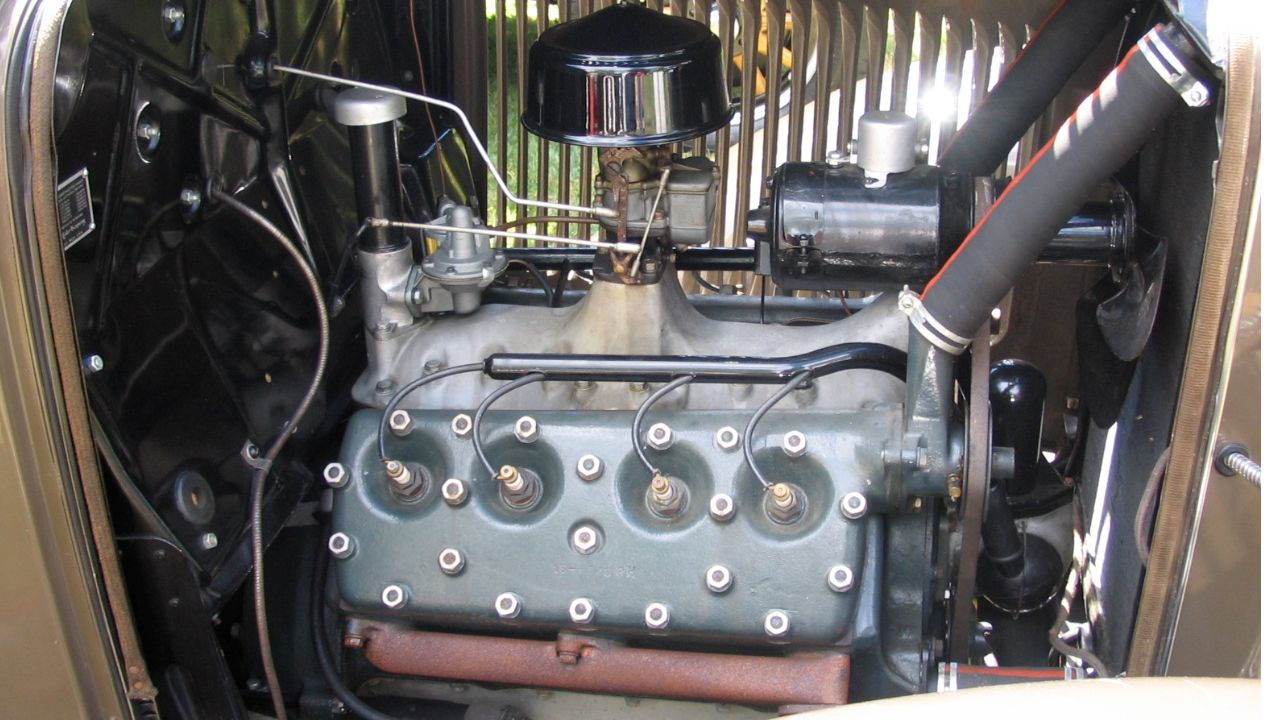
The Ford Flathead V8 revolutionized the automotive world as the first mass-produced V8 engine. Launched in 1932, it was an affordable powerhouse for the everyday driver. Cars like the 1932 Ford Model 18 became legends thanks to this engine, which offered unprecedented power at the time.
The Flathead V8’s straightforward design made it a favorite among hot-rodders and tinkerers, sparking a culture of customization. Its impact on the industry and car culture is still felt today, as it laid the foundation for the powerful V8 engines that followed.
Ferrari Colombo V12

While technically a V12, the Ferrari Colombo engine deserves mention for its influence on high-performance V8 design. Developed by Gioachino Colombo in the late 1940s, it powered iconic models like the Ferrari 166 MM and the Ferrari 250 GTO, becoming synonymous with the brand’s racing dominance.
The Colombo V12’s engineering excellence set a high standard for performance engines, underscoring Ferrari’s commitment to speed and style. Its legacy is a testament to Ferrari’s relentless pursuit of perfection in engine design.
Chrysler Hemi V8

Chrysler’s Hemi V8 is a powerhouse that changed the muscle car game. Known for its hemispherical combustion chambers, the engine first appeared in the 1951 Chrysler New Yorker. It gained fame with the 1966 Dodge Charger, where its immense power and performance were on full display.
The Hemi V8 became a symbol of American muscle, dominating drag strips and racetracks alike. Its legacy continues in modern iterations, where it remains a favorite among enthusiasts seeking raw, unbridled power.
Lamborghini V12

Like Ferrari, Lamborghini’s V12 engines have influenced V8 design with their superior performance and engineering. The Lamborghini Miura, introduced in 1966, featured a V12 that set new standards for supercar performance and design.
This engine’s success established Lamborghini as a major player in the high-performance market. Its legacy continues in models like the Aventador, proving that the spirit of innovation and power is alive and well at Lamborghini.
Ford 427 V8

The Ford 427 V8 is a legend among racing engines. Known for its performance on the track, it powered the iconic Ford GT40, which famously won the 24 Hours of Le Mans in the 1960s. The 427 was also a staple in the Ford Galaxie, where its power was equally appreciated.
With its racing pedigree and raw power, the 427 V8 solidified Ford’s place in motorsport history. Its influence can still be seen in modern performance engines, serving as a benchmark for power and speed.
Ferrari F136 V8

The Ferrari F136 V8 is a modern marvel, co-developed with Maserati. Used in models like the Ferrari California and the Maserati GranTurismo, this engine exemplifies Ferrari’s commitment to blending performance with luxury.
With a high-revving nature and an unmistakable exhaust note, the F136 V8 continues to capture the hearts of enthusiasts. It represents a new era of Ferrari engineering, where technology and tradition merge seamlessly.
Porsche 928 V8

The Porsche 928’s V8 engine marked a departure from the brand’s traditional flat-four and flat-six engines. Introduced in the late 1970s, the 928 was designed to be a luxury grand tourer, and its V8 provided the performance to match.
Known for its smooth power delivery and balance, the 928’s V8 helped the car earn the 1978 European Car of the Year award. This engine played a crucial role in expanding Porsche’s lineup, proving that the brand could successfully diversify its engine offerings.
Jaguar XK V8

The Jaguar XK V8 engine was introduced in the 1990s, bringing a new level of performance to the brand’s luxury sedans and sports cars. Found in models like the Jaguar XK8 and XJ8, this engine combined power with refinement, staying true to Jaguar’s ethos.
The XK V8’s innovative design, including its lightweight construction and advanced technology, helped Jaguar stay competitive in a rapidly evolving market. Its contribution to the brand’s modern identity cannot be overstated.
Aston Martin V8

Aston Martin’s V8 engines have become synonymous with British luxury and performance. The V8 Vantage, introduced in 1977, showcased the engine’s ability to deliver both power and elegance. This model set the stage for future Aston Martins, blending speed with sophistication.
Known for their distinctive sound and robust performance, Aston Martin’s V8 engines continue to power some of the most desirable cars in the world. They remain a key part of the brand’s identity and allure.
Mercedes-Benz M113 V8

Mercedes-Benz’s M113 V8 engine is renowned for its reliability and smooth performance. Debuting in the late 1990s, it powered a range of models, including the E-Class, S-Class, and SL-Class. Known for its balance of power and refinement, the M113 stood out in a competitive market.
This engine’s versatility and reliability have cemented its status as a classic among Mercedes enthusiasts. Its legacy lives on in the brand’s continued pursuit of engineering excellence and luxury.
More from Fast Lane Only