
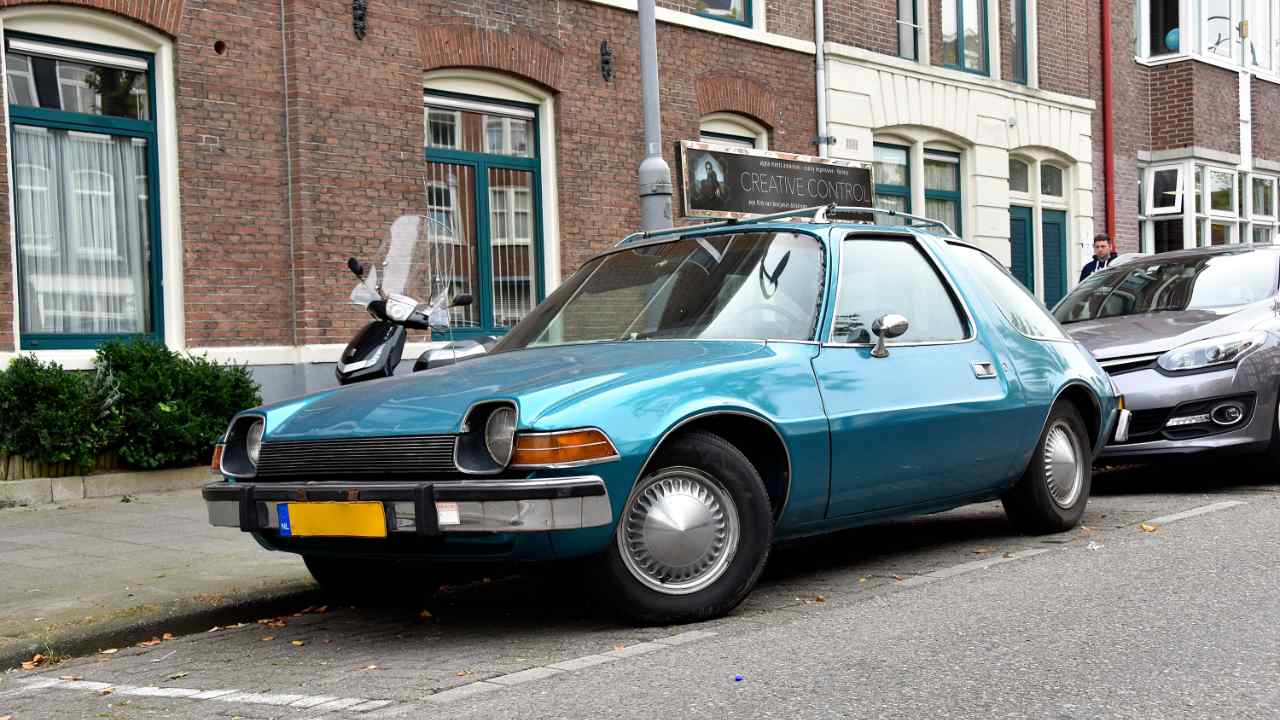
Classic cars often carry an aura of nostalgia and timeless design, but some models surprise enthusiasts with their unconventional engine choices. These powertrains weren’t always about sheer performance; sometimes it was about innovation, compliance, or simply trying something different. Let’s dive into a dozen classic cars that came with engines you might not expect.
Porsche 914
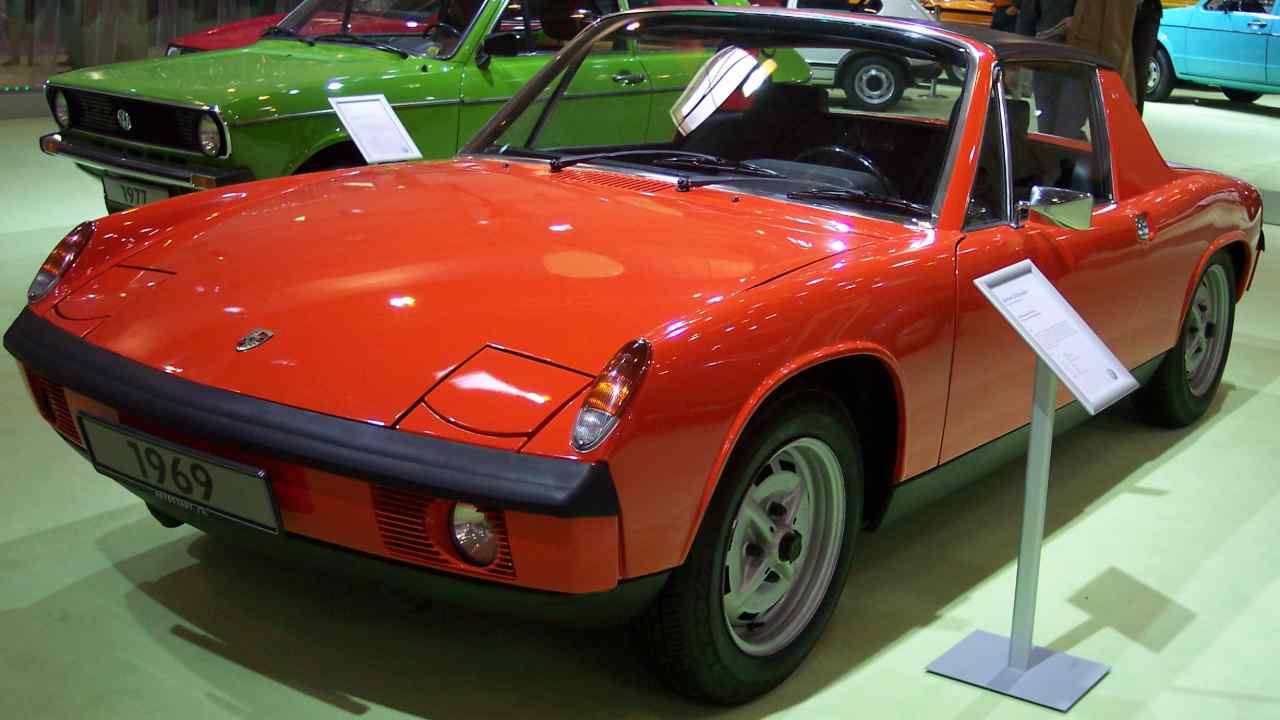
The Porsche 914 is a unique mid-engine sports car that emerged from a collaboration between Porsche and Volkswagen. Launched in the late 1960s, it was originally equipped with a flat-four engine borrowed from Volkswagen. This wasn’t the powerful flat-six many associate with Porsche, but the 914’s lightweight design allowed it to make the most of its modest power plant. The 914’s handling and affordability made it a popular choice despite its unconventional engine origins.
The 914/6 variant did eventually receive a more potent flat-six engine, but it’s the VW-derived engine that truly made the 914 stand out in the Porsche lineup. This collaboration aimed to offer a more accessible sports car, and it succeeded by delivering an engaging driving experience that was different from anything else Porsche had on offer at the time.
DeLorean DMC-12
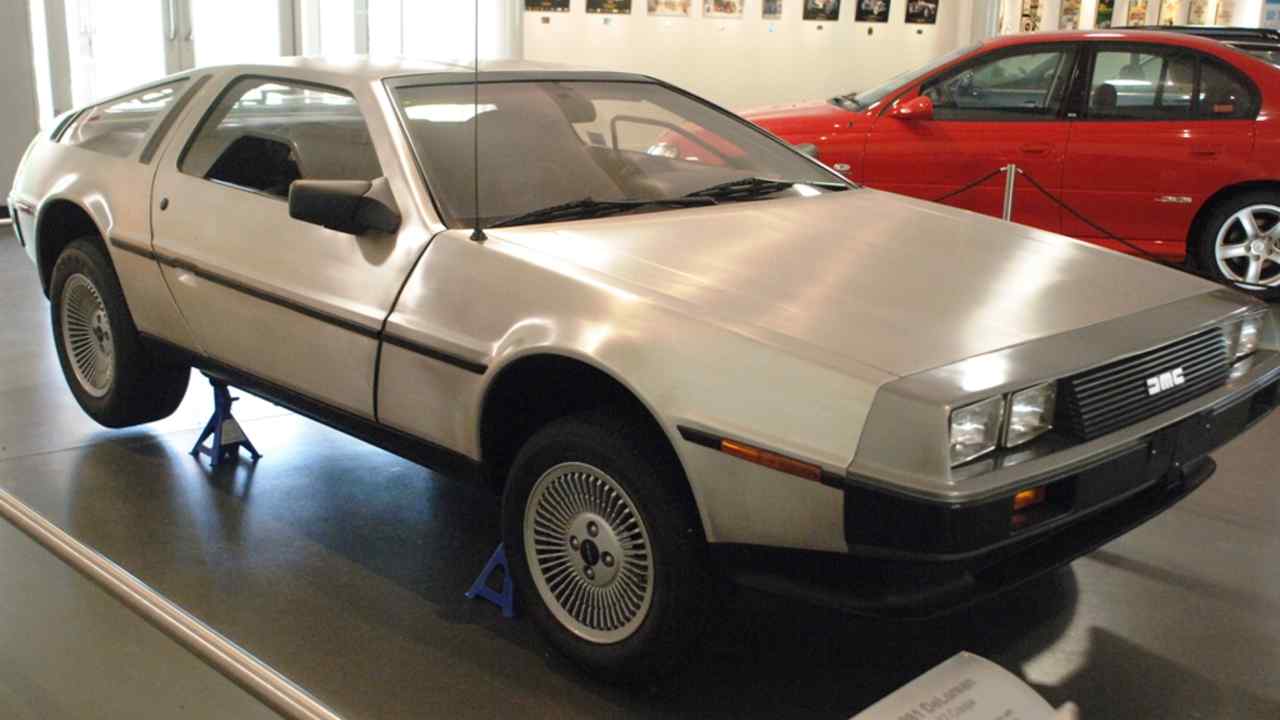
Famed for its stainless-steel body and gull-wing doors, the DeLorean DMC-12 is a car many recognize from the “Back to the Future” films. What many don’t know is that it was powered by a PRV (Peugeot-Renault-Volvo) V6 engine. This engine choice was less about power and more about availability and cost, producing around 130 horsepower, which was relatively modest for a sports car of its era.
While the engine’s performance was often criticized, the DeLorean’s distinct design and pop culture status overshadowed its mechanical shortcomings. Despite its lackluster engine, the DMC-12 continues to be a beloved icon in automotive history.
AMC Pacer
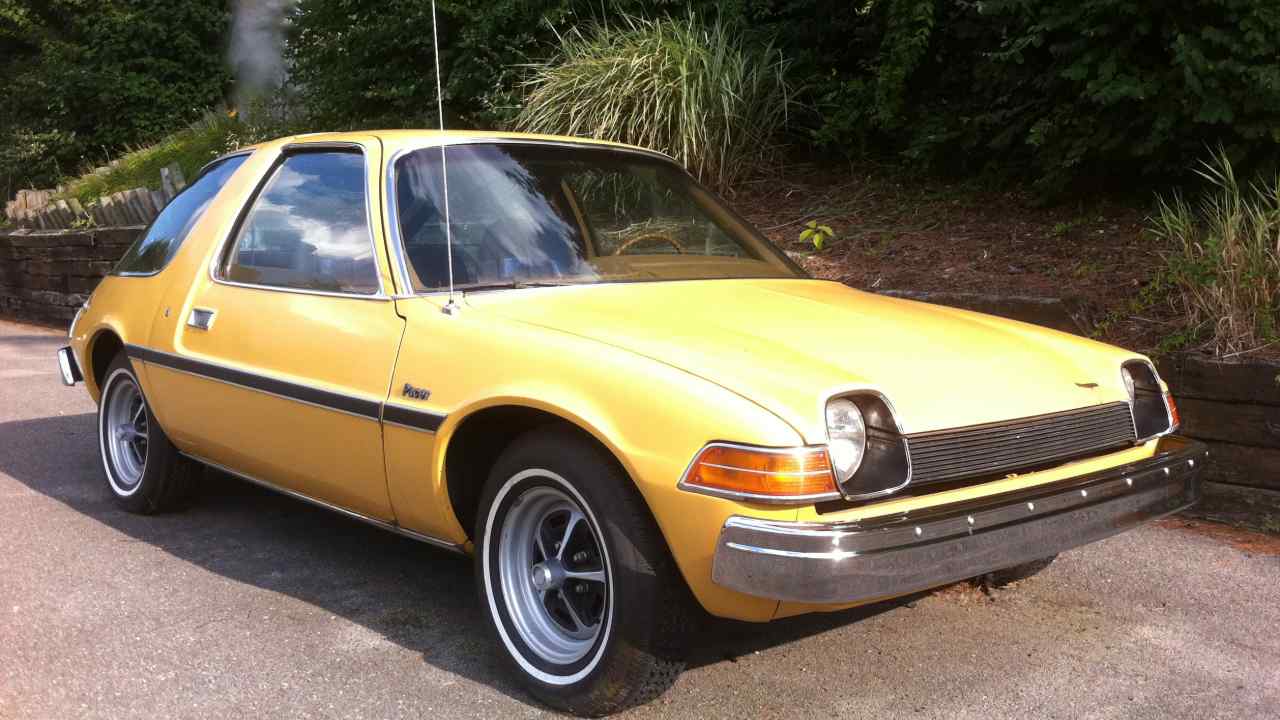
The AMC Pacer was a groundbreaking compact car introduced in the mid-1970s, renowned for its wide-bodied design and expansive glass area. Surprisingly, it was initially powered by a modest inline-six engine. AMC had intended to use a rotary engine sourced from General Motors, but these plans fell through due to oil crisis concerns and GM’s decision to cancel their rotary project.
To accommodate the larger-than-expected inline-six engine, AMC engineers made several design adjustments, resulting in the Pacer’s distinctive look. Despite the engine switch, the Pacer’s unique styling and innovative design features earned it a place in automotive history.
Citroën SM
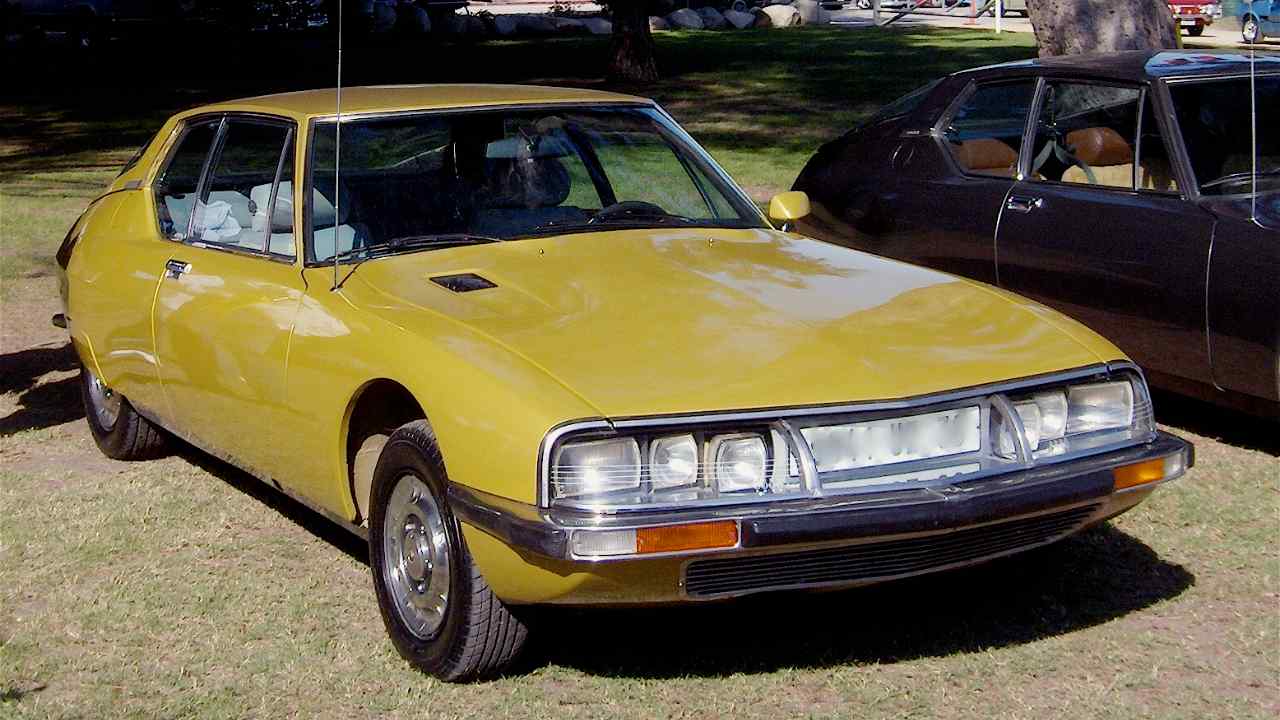
The Citroën SM, launched in 1970, combined French styling with Italian power. Its surprising engine choice was a Maserati V6, developed specifically for the SM after Citroën acquired the Italian marque. The engine was known for its smoothness and allowed the SM to deliver a refined yet sporty driving experience.
The Citroën SM’s amalgamation of advanced Citroën technology and Maserati’s engine expertise resulted in a grand tourer that was both luxurious and ahead of its time. The SM’s unique hydraulic suspension system further distinguished it, making it a standout in automotive design and engineering.
Tucker 48
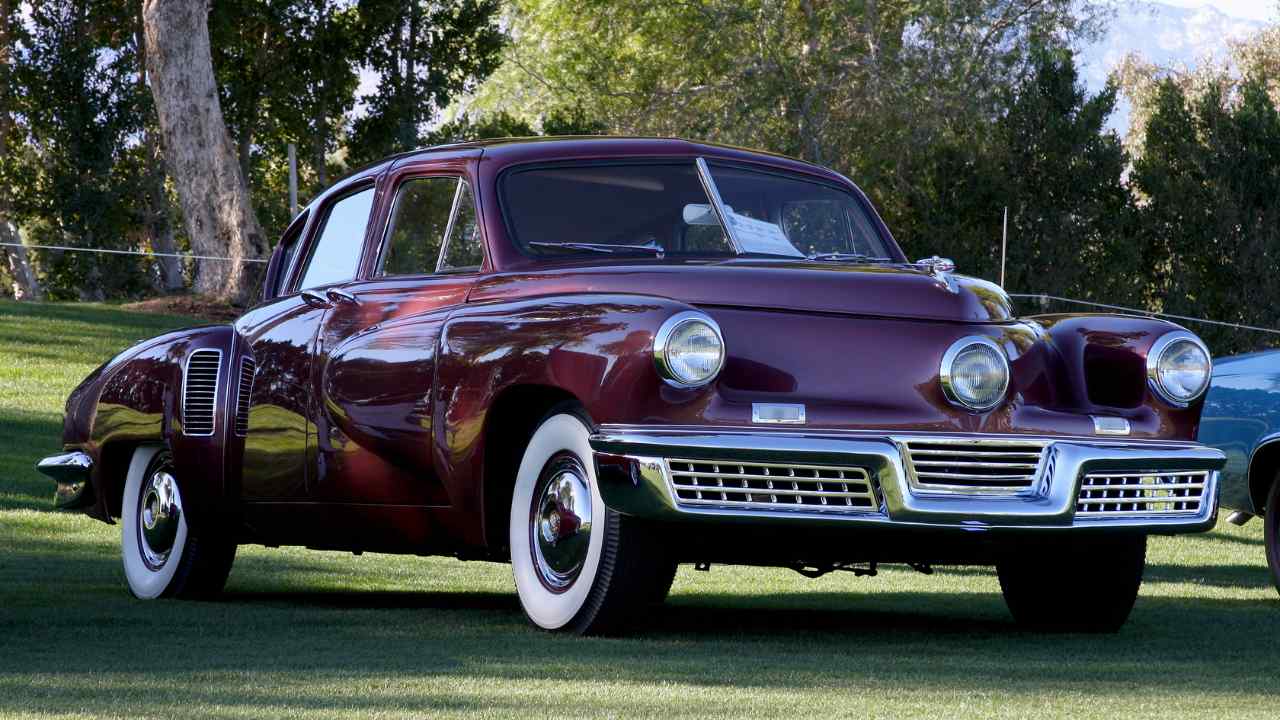
The Tucker 48, also known as the “Tucker Torpedo,” was an innovative car produced by Preston Tucker in the late 1940s. Its engine choice was surprising for its time—a rear-mounted, horizontally opposed six-cylinder engine derived from a helicopter. This engine was chosen for its durability and compact size, allowing for a spacious cabin layout.
Despite its advanced features, including a directional third headlight and safety-focused design, the Tucker 48 faced production challenges and legal battles that limited its production. Only 51 units were made, but the Tucker 48 remains a symbol of innovation and ambition in the automotive industry.
Ford Mustang SVO
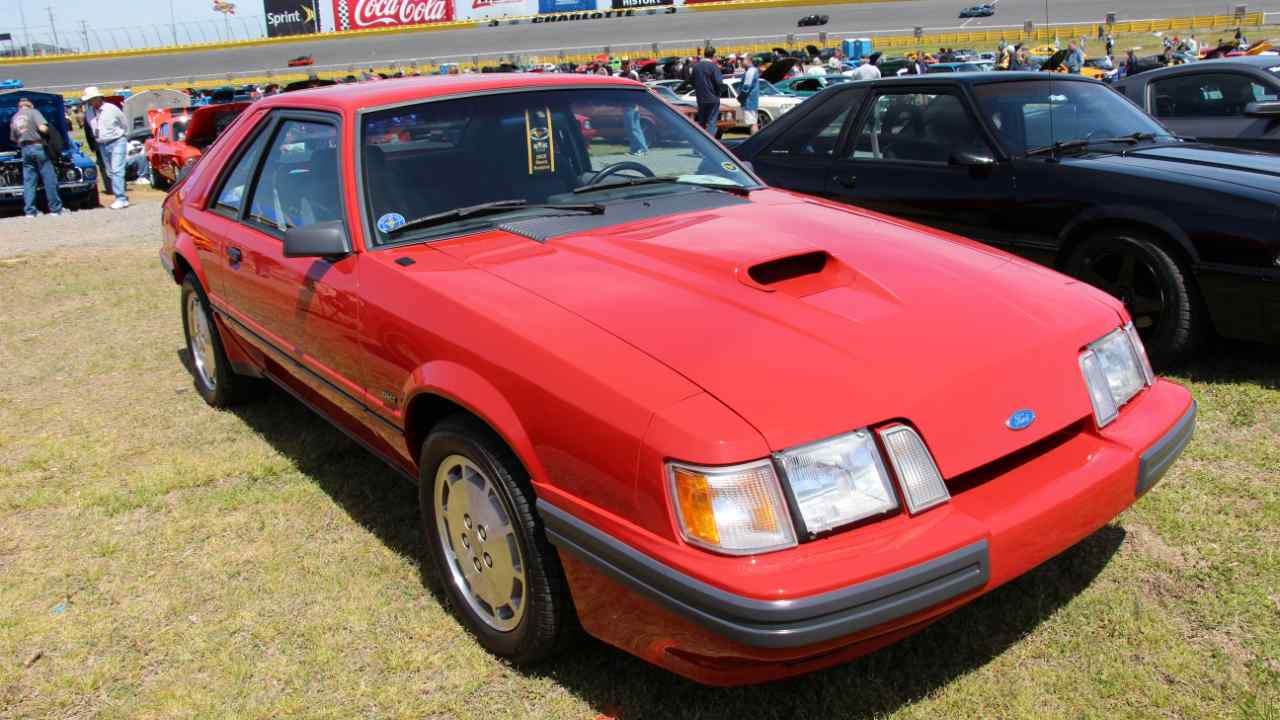
The Ford Mustang SVO, produced from 1984 to 1986, was a departure from the traditional V8 muscle car formula. Instead, it featured a turbocharged 2.3-liter inline-four engine, delivering performance through efficiency and technology. This engine choice was a response to fuel economy concerns and aimed to attract a new type of performance-oriented customer.
With its unique suspension setup, aerodynamic enhancements, and distinctive styling cues, the Mustang SVO offered a different kind of driving experience. The SVO’s legacy lives on as a testament to Ford’s willingness to innovate within the iconic Mustang lineup.
Chevrolet Corvair
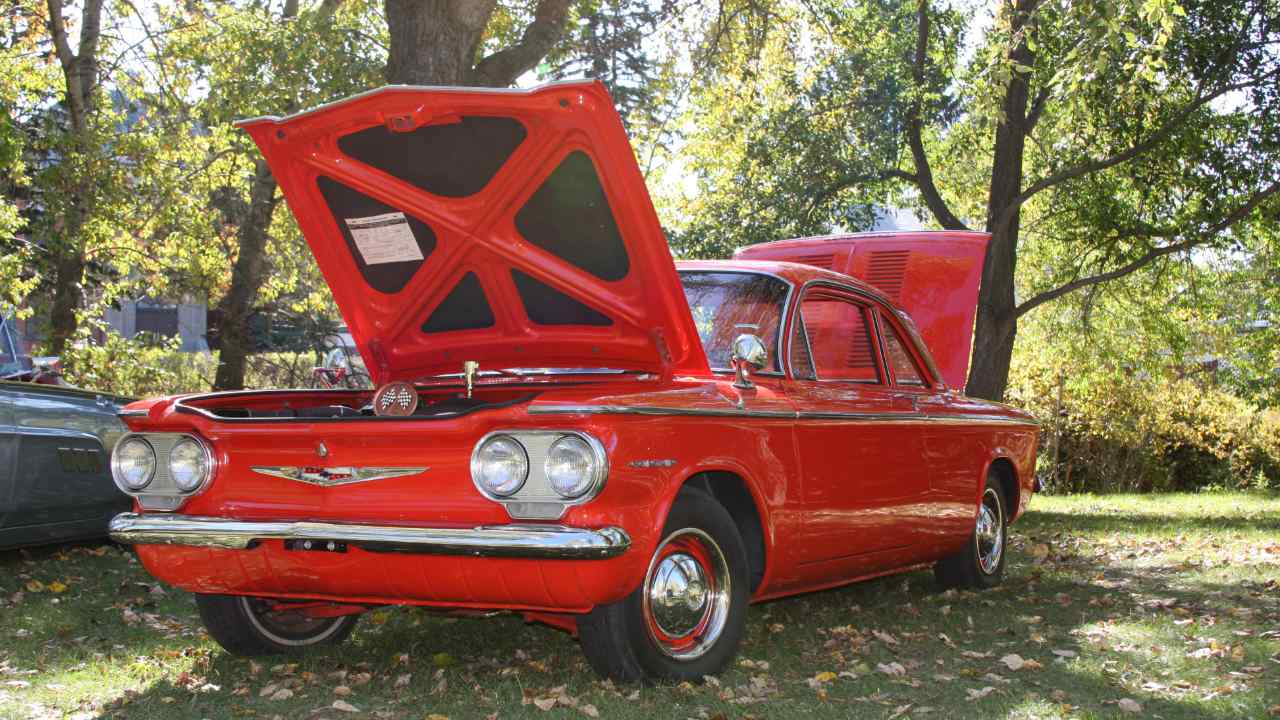
The Chevrolet Corvair, produced in the 1960s, stood out with its air-cooled, rear-mounted engine—a rarity for American cars of the era. This flat-six engine gave the Corvair a unique balance and handling characteristic that differentiated it from its contemporaries.
Despite controversy related to safety concerns highlighted by Ralph Nader’s “Unsafe at Any Speed,” the Corvair’s design was innovative. It offered a European-inspired driving experience in an American package, making it a significant, if controversial, chapter in Chevrolet’s history.
Saab 99 Turbo

The Saab 99 Turbo, introduced in 1978, was one of the first mass-produced cars to feature a turbocharged engine. This 2.0-liter turbo engine was a breakthrough for Saab, offering a significant boost in performance without sacrificing fuel efficiency.
Saab’s dedication to turbocharging technology set a precedent for future models and influenced the industry at large. The 99 Turbo combined innovative engineering with Swedish practicality, making it a beloved classic among Saab enthusiasts and automotive historians alike.
BMW 2002 Turbo
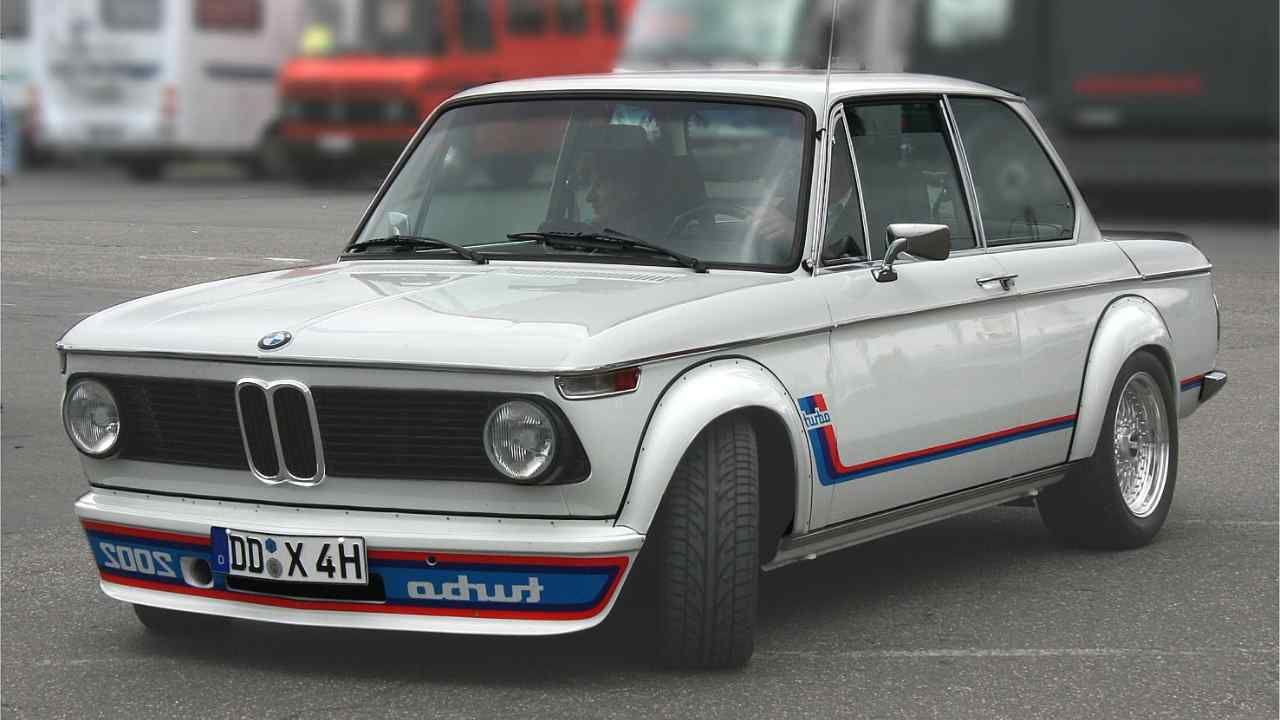
Released in 1973, the BMW 2002 Turbo was one of the first turbocharged production cars, paving the way for high-performance vehicles. Its 2.0-liter turbocharged engine delivered impressive power for its size, marking BMW’s commitment to performance engineering.
With its aggressive styling and distinctive “Turbo” decals, the 2002 Turbo made a bold statement both visually and on the road. It remains a highly sought-after model for collectors and an early example of BMW’s prowess in combining performance and innovation.
Lotus Esprit
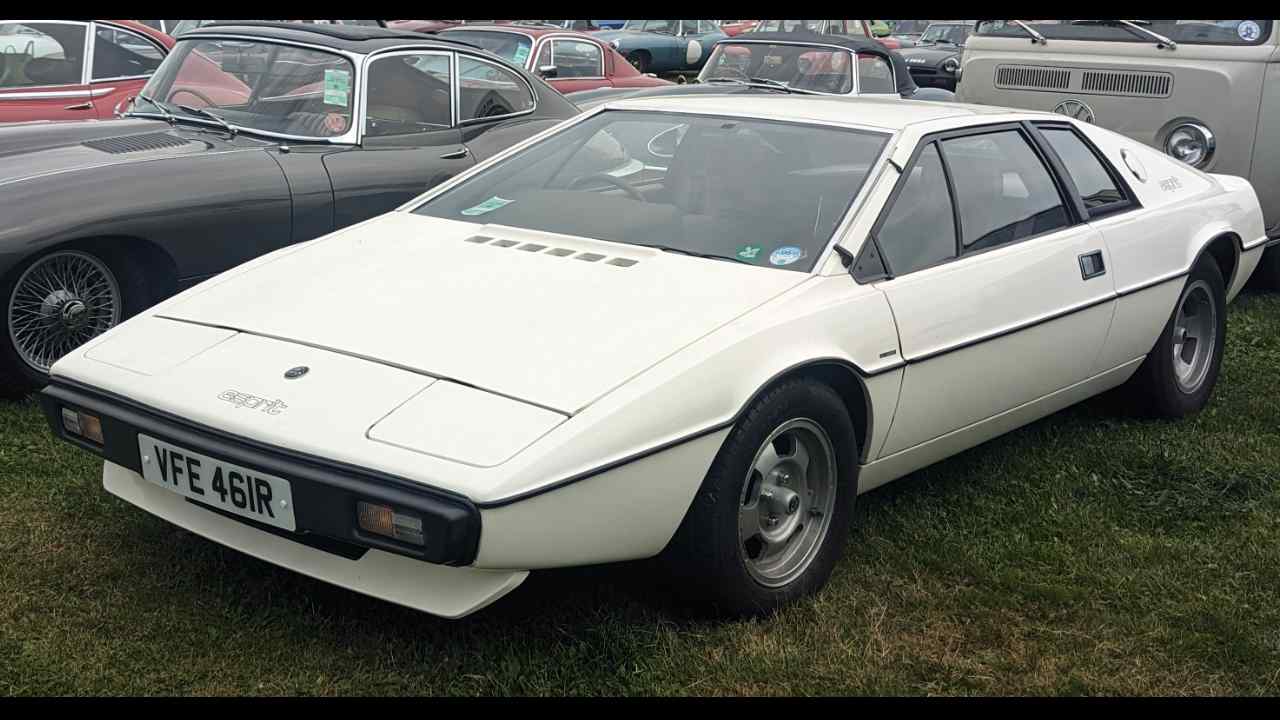
The Lotus Esprit, first launched in 1976, is known for its sleek design and mid-engine layout. Initially powered by a naturally aspirated 2.0-liter inline-four engine, the Esprit later received a turbocharged variant that elevated its performance credentials.
The Esprit’s evolution from a modestly powered sports car to a turbocharged icon reflects Lotus’s commitment to lightweight engineering and driving dynamics. Its role in popular culture, including appearances in James Bond films, has cemented its status as a classic.
Cadillac V8-6-4
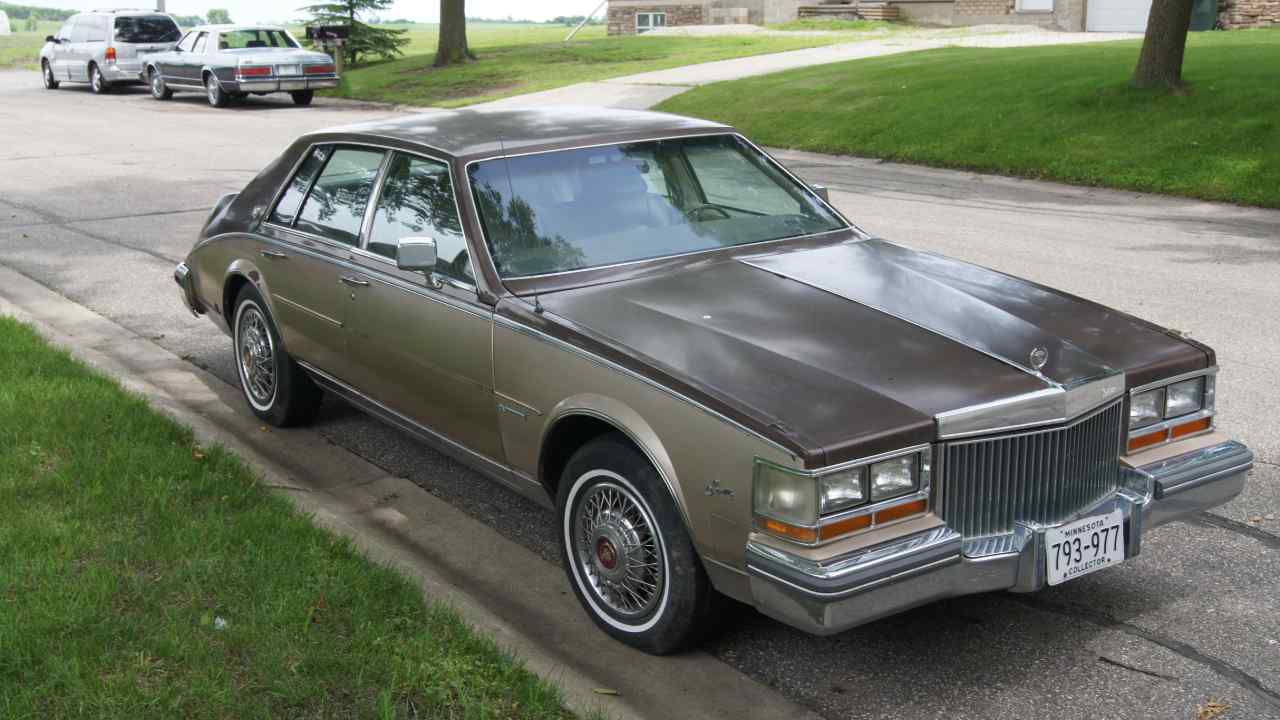
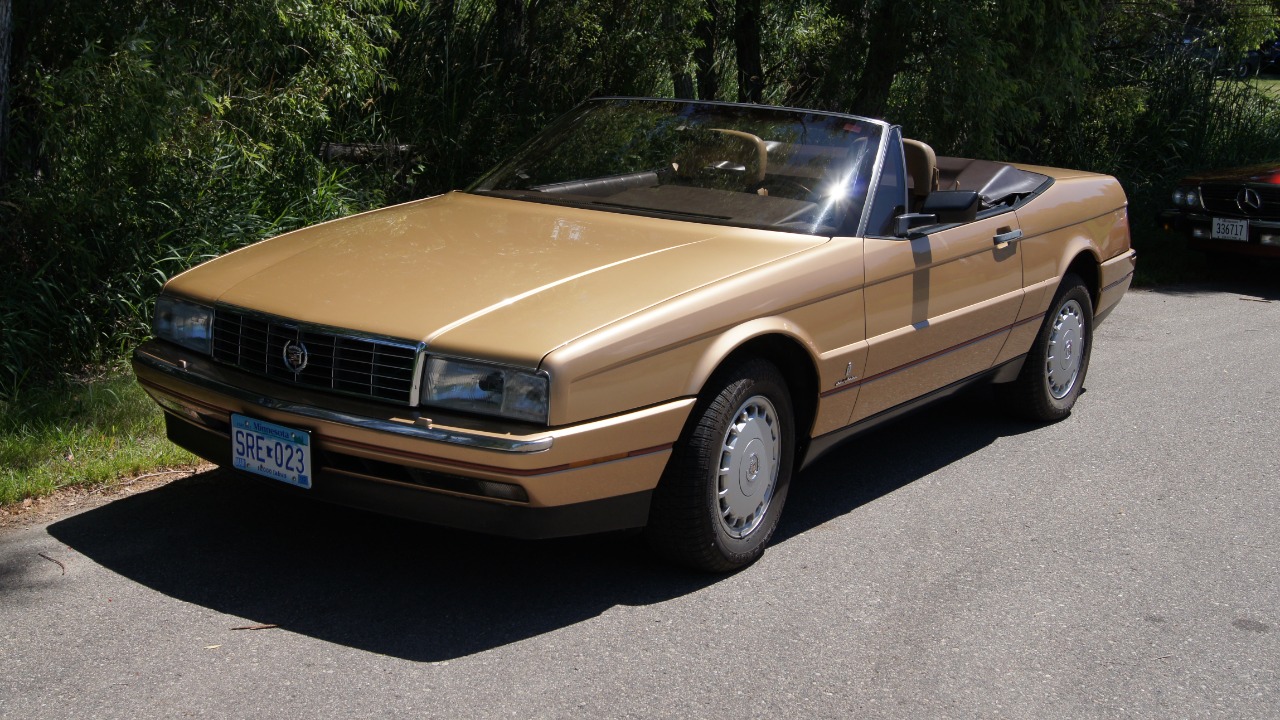
The Cadillac V8-6-4, introduced in 1981, featured a variable displacement engine that could deactivate cylinders to improve fuel economy. This technology was ahead of its time, allowing the engine to operate as a V8, V6, or even a V4 depending on power demand.
While the V8-6-4 system faced reliability issues due to the complexity of its electronics, it laid the groundwork for future advancements in fuel-saving technologies. Cadillac’s ambitious attempt marked an early exploration into cylinder deactivation, a feature now common in modern engines.
Mazda RX-7
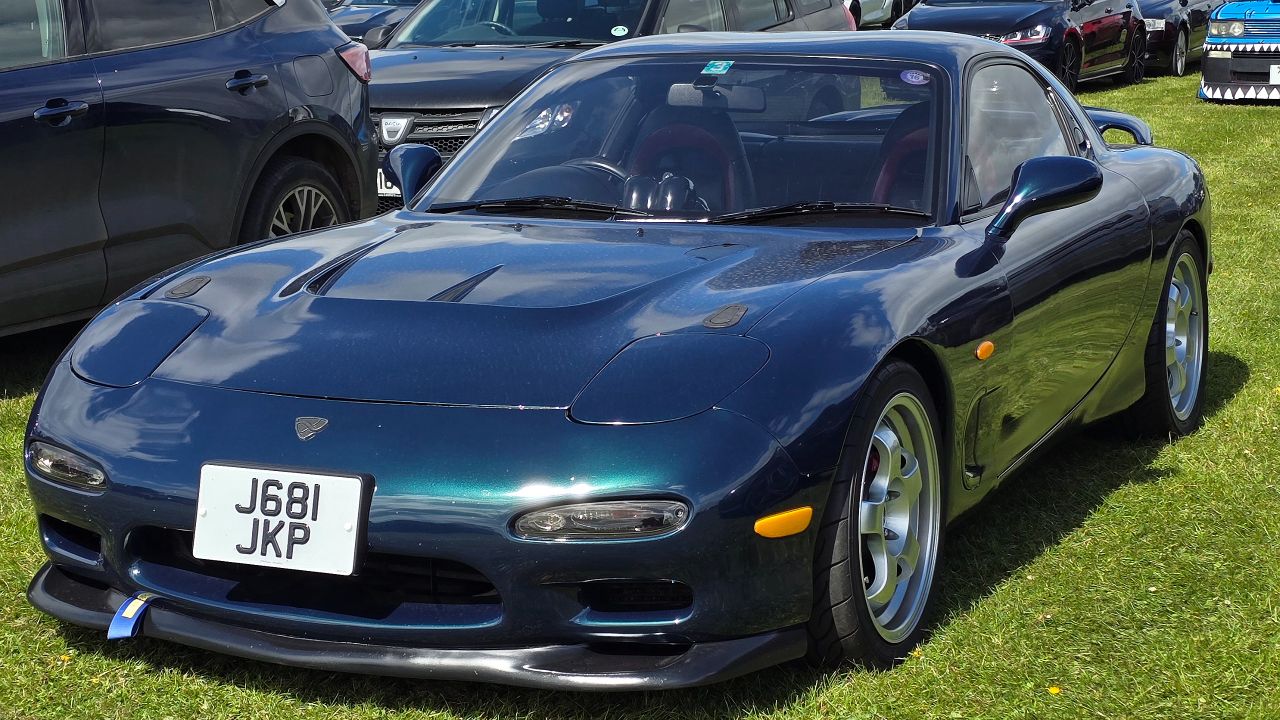
The Mazda RX-7, first introduced in 1978, is renowned for its use of the rotary engine, a departure from conventional piston engines. The Wankel rotary engine offered a unique power delivery and compact size, contributing to the RX-7’s lightweight and agile characteristics.
The RX-7’s rotary power plant became synonymous with Mazda’s engineering philosophy, offering a distinct driving experience that appealed to enthusiasts. Its success and popularity spawned several generations, each refining the rotary concept and solidifying the RX-7’s place in sports car history.
Like Fast Lane Only’s content? Be sure to follow us.
Here’s more from us:
*Created with AI assistance and editor review.

Leave a Reply