Enthusiasts who assumed classic metal had slipped beyond reach are finding a different reality in the classifieds. Recent sales of a Toyota Celica for $13,000 and a Pontiac Trans Am for $6,500 show that classic cars can still sell for less than many modern hatchbacks. From usable daily drivers to quirky weekend toys, these 12 classics demonstrate how careful shoppers can secure genuine heritage without a supercar budget.
1978 Toyota Celica

The 1978 Toyota Celica has become a touchstone for buyers who want a vintage coupe that still feels approachable. Recent coverage highlighted a Celica with an “awesome look” changing hands for exactly $13,000, a figure that places it firmly in reach of many first time classic owners. That same reporting mentioned the car alongside other sub fifteen thousand dollar icons, which reinforces how the Celica now sits in a sweet spot between nostalgia and affordability.
The Celica demonstrates how Japanese coupes can attract younger buyers who may be priced out of European classics. Its four cylinder reliability and simple mechanical layout keep running costs predictable, which matters when enthusiasts are choosing between an old car and a newer daily driver. As long as examples of the 1978 Toyota Celica remain available at this price level, the model will continue to serve as a gateway into classic ownership.
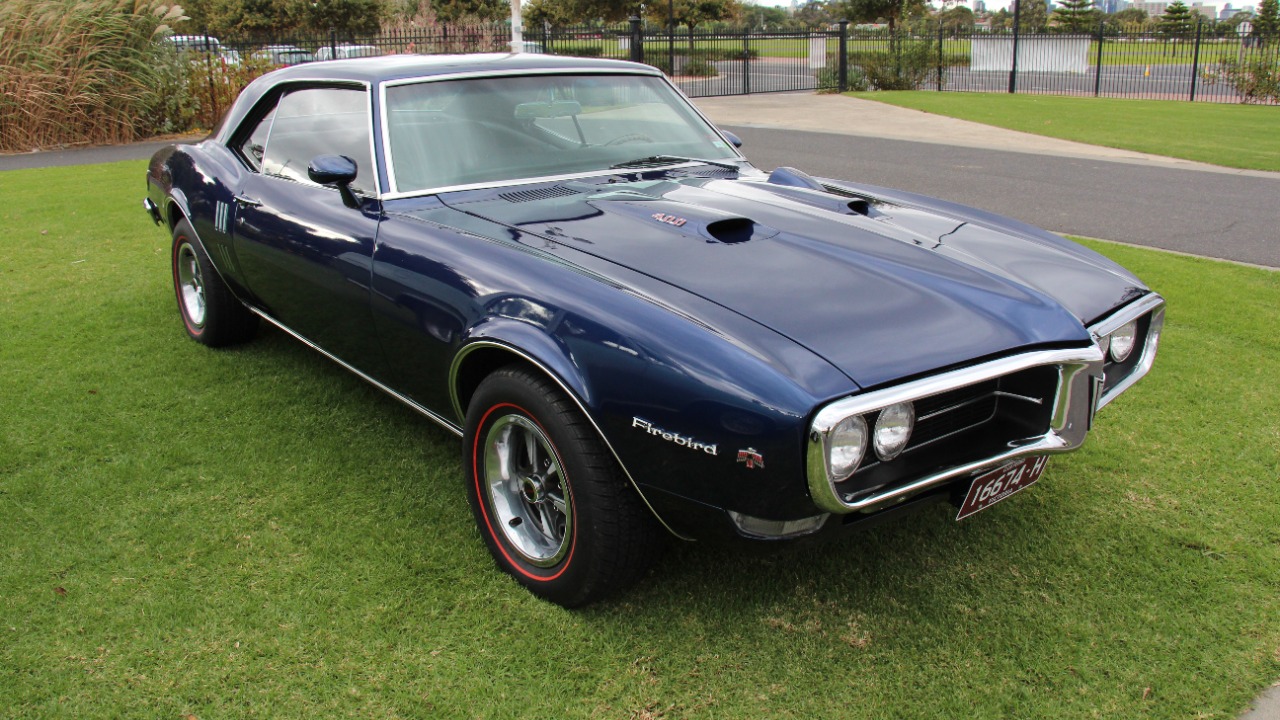
Trans Am

The Trans Am still carries the swagger of its muscle era roots, yet recent auction data shows it can be unexpectedly attainable. One example was reported sold for only $6,500, a number that would barely cover the options list on many new compact cars. That sale highlights how certain trims and years of the Trans Am remain undervalued relative to their cultural impact, especially when compared with the soaring figures attached to rarer high performance variants.
For budget minded enthusiasts, this pricing opens the door to V8 soundtracks and period styling without a premium collector tax. The Trans Am’s presence on affordable classic car lists signals that the broader muscle car segment still offers entry points for new enthusiasts. As more buyers discover that a well kept driver grade Trans Am can cost less than a used crossover, demand may gradually correct those values upward, rewarding early adopters.
1969 Ford truck
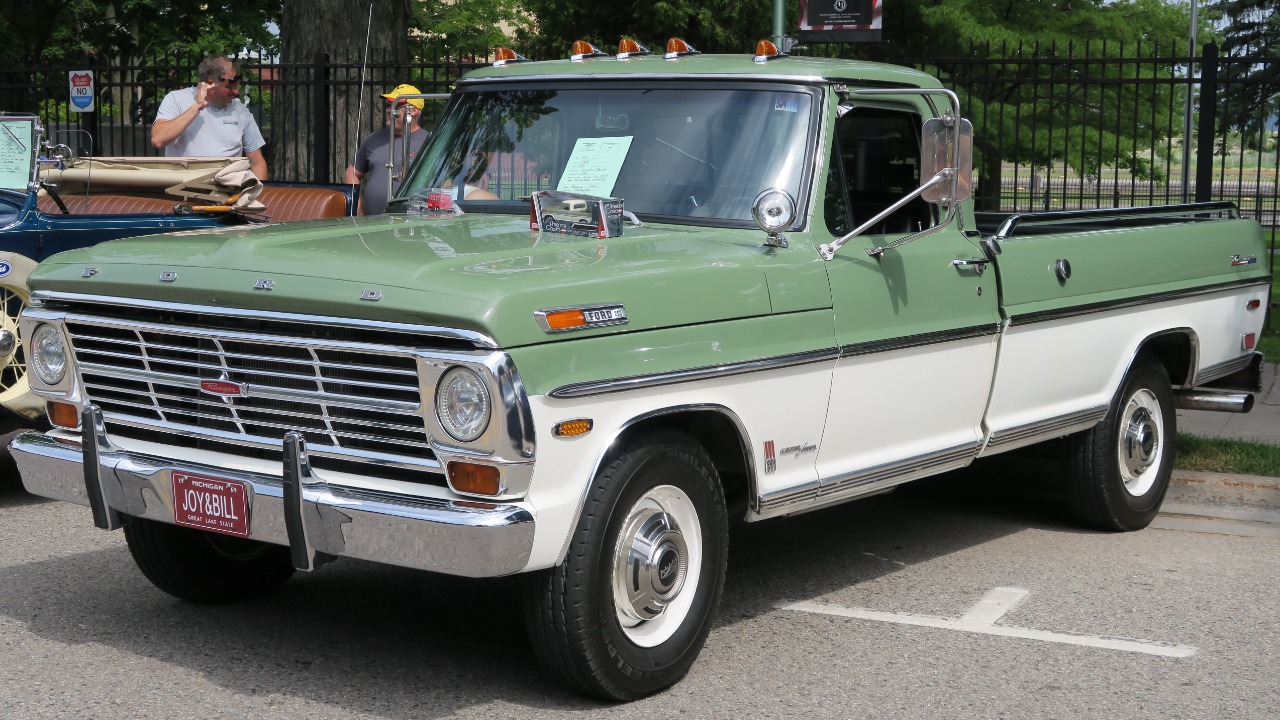
The 1969 Ford truck represents the workhorse side of classic ownership, where practicality and nostalgia intersect. Reports grouping this 1969 Ford with other sub-$15,000 vehicles show that vintage pickups have not yet reached the high prices seen with some later off-road icons. For many shoppers, the appeal lies in the combination of simple body on frame construction and a bed that can still haul weekend projects.
From a market perspective, trucks like this 1969 Ford offer a hedge against purely speculative buying. Owners can justify the purchase as both a hobby and a tool, which fits the growing preference for vehicles that can be used regularly rather than stored. As interest in classic utility vehicles grows, the relatively modest values attached to this generation of Ford truck suggest room for appreciation while remaining accessible for now.
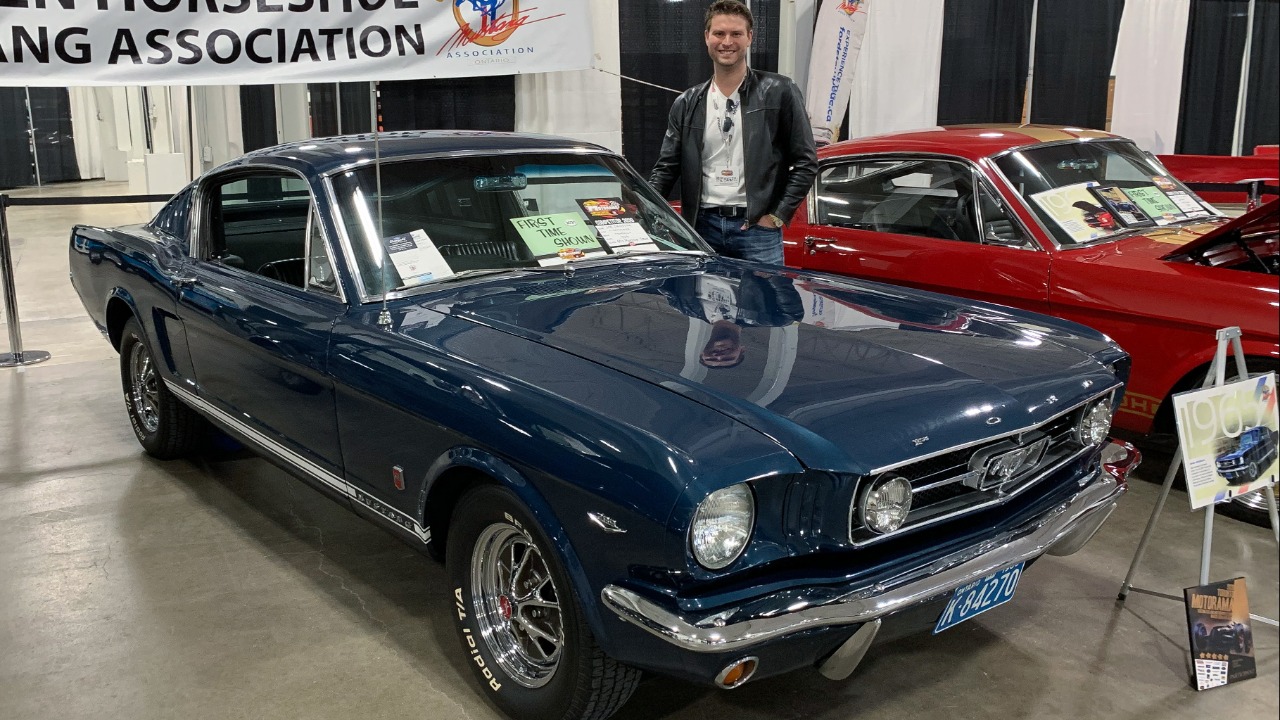
Ford Mustang Fox Body
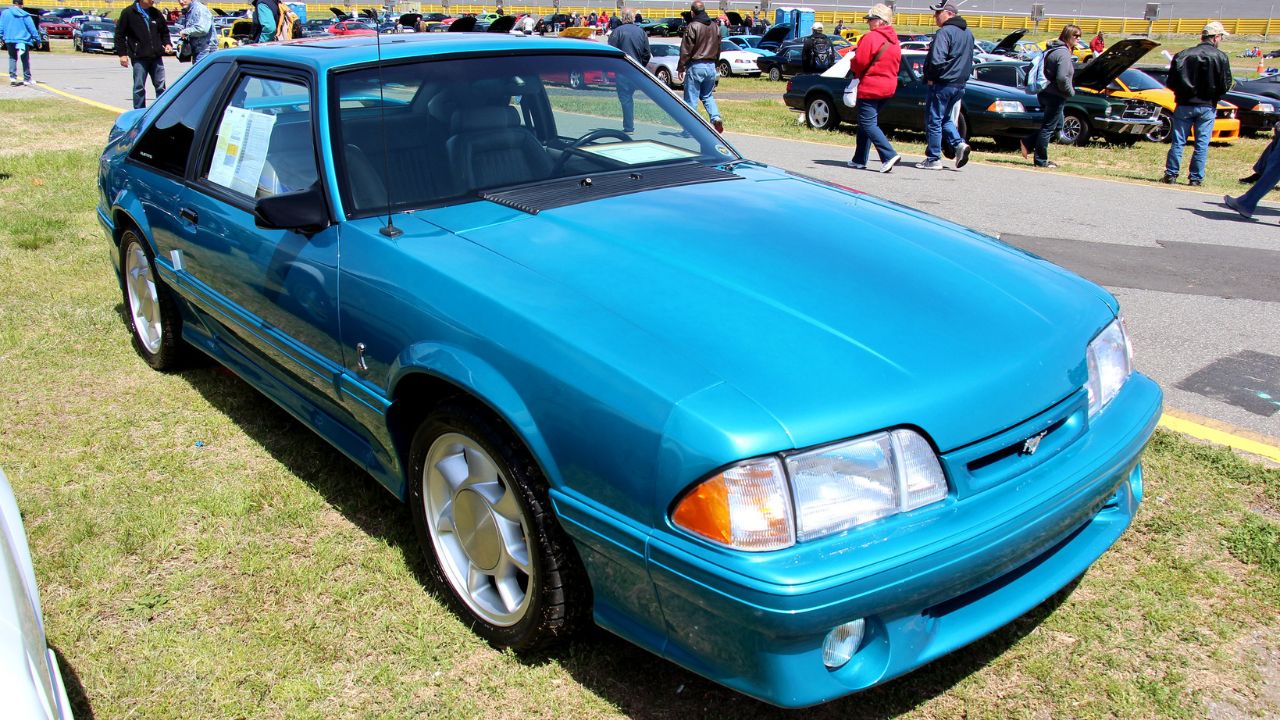
The Ford Mustang Fox Body has shifted from unloved used car to sought after modern classic, yet its pricing can still be surprisingly rational. Research on affordable classics lists the Ford Mustang Fox Body, produced from 1979 to 1993, with average prices between $7,000 and $20,000 depending on condition. With Horsepower figures ranging from 140 to 205 and engines such as the 2.3-li four cylinder, the Fox Body offers a broad spectrum of performance and economy.
That spread allows buyers to choose between thrifty cruisers and more focused V8 variants without leaving the core affordability bracket. For insurers and lenders, the clear data on Average Price also simplifies valuation, which can encourage more mainstream financing of older cars. As long as the Fox Body remains framed as a value choice in guides to cheap classic cars, it will continue to attract enthusiasts who want a recognizable badge with manageable running costs.
Pontiac Fiero
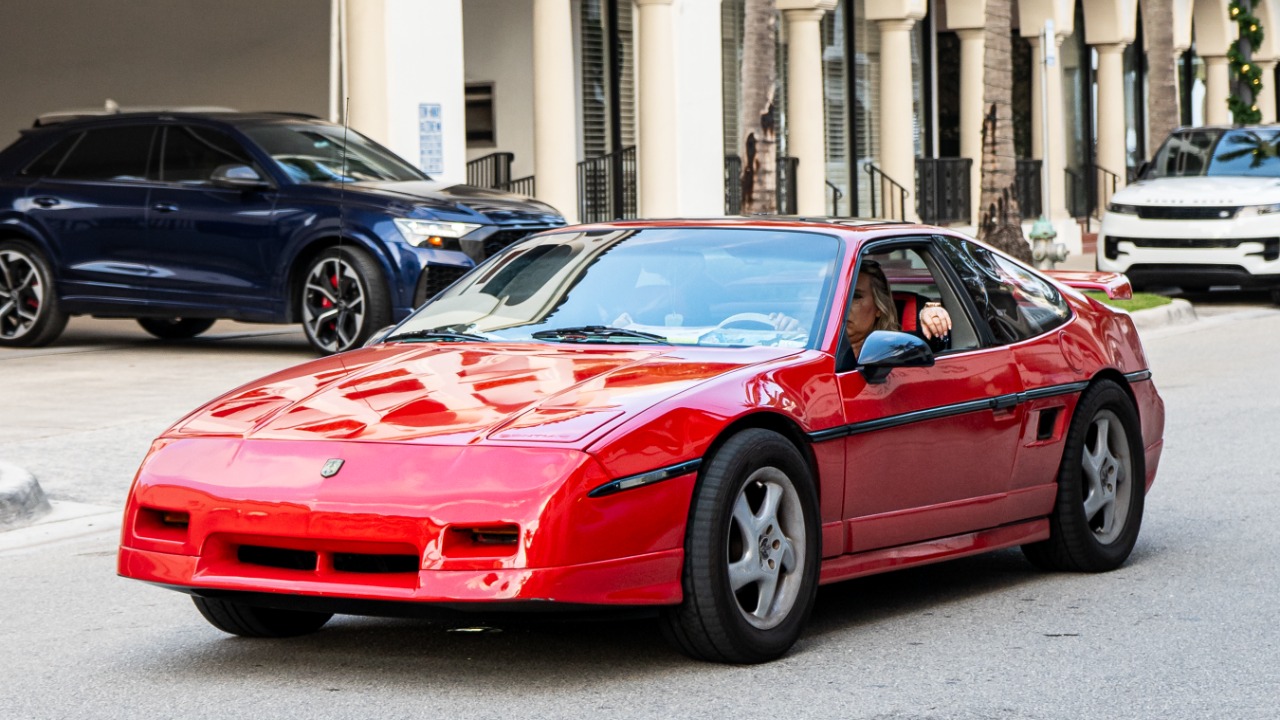
The Pontiac Fiero illustrates how innovative engineering does not always translate into high prices on the collector market. Coverage of rad era bargains lists the 1984 to 88 Pontiac Fiero with an average value of $11,800, positioning it neatly below the psychological fifteen thousand dollar ceiling. Built on Pontiac’s P-Platform and originally marketed as a fuel-efficient commuter, the Fiero’s mid-engine layout hinted at sports car ambitions that enthusiasts now appreciate.
For buyers who want something visually distinct from the usual coupes and sedans, the Fiero’s wedge profile and rear engine configuration offer genuine novelty. Yet the modest $11,800 valuation keeps entry costs under control, which can offset concerns about parts availability or specialist labor. As more collectors seek out eighties icons, the pontiac fiero stands as a reminder that not every distinctive design has already been priced into the stratosphere.
Mazda MX-5 Miata (1999–2005)
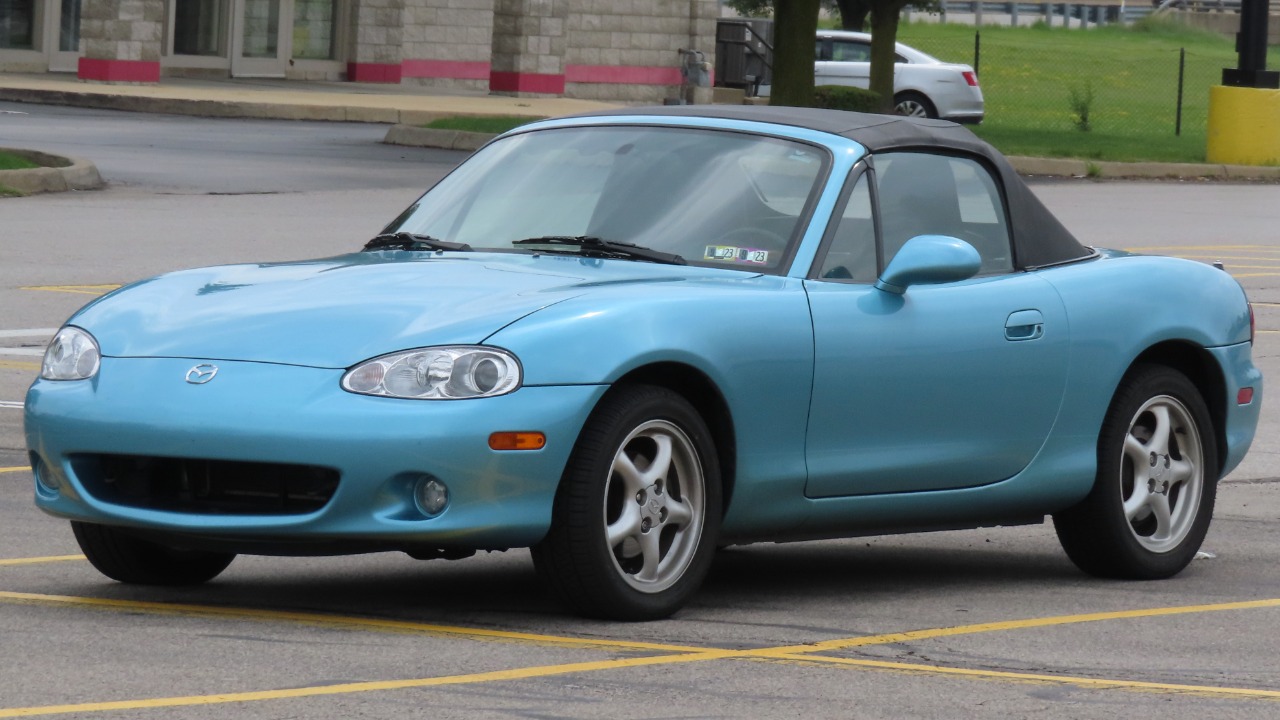
The 1999 to 2005 Mazda MX-5 Miata shows how a car can sit on appreciation lists while remaining within reach of committed enthusiasts. Analysts estimate this generation at around $16,600, noting that Mazda preserved the original model’s character while adding larger brakes and a more powerful engine. That figure edges above some of the other cars here but still undercuts many new sports models, especially when equipment and driving enjoyment are considered.
For stakeholders watching future values, the Miata’s presence on lists of cars expected to rise suggests that current buyers may benefit from both use and potential capital gains. The combination of reliability, parts support and a thriving club scene also reduces ownership risk. With the Mazda MX Miata already recognized as a future classic, its present affordability looks increasingly like an opportunity window.
1972 Volkswagen Beetle
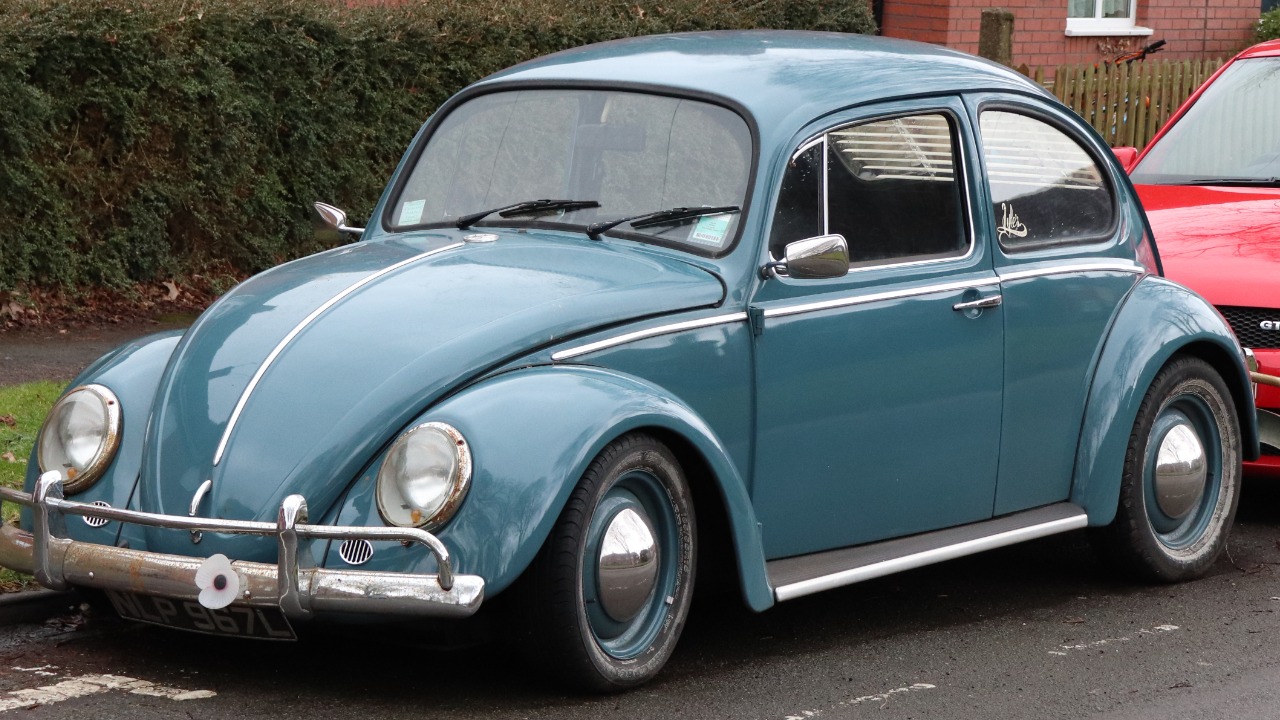
The 1972 Volkswagen Beetle remains one of the most approachable entry points into classic ownership, both mechanically and financially. Market surveys list the Volkswagen Beetle with an average price of about $14,549, placing it among other affordable classic vehicles. Those numbers confirm that a tidy Beetle can be acquired for less than many new economy cars, despite its iconic status and global recognition.
For urban buyers, the Beetle’s compact footprint and simple air cooled engine make it a practical weekend companion that can still handle short commutes. Its broad parts supply and specialist network also limit the risk of unexpected repair bills. As guides to cheap classic cars continue to feature the 1972 Volkswagen Beetle, the model is likely to remain a default recommendation for those seeking charm on a budget.
Volkswagen Super Beetle Convertible

The Volkswagen Super Beetle Convertible adds open-air appeal to the Beetle formula without straying far from sensible pricing. Listings of classic vehicles under fifteen thousand dollars highlight a 1971 example showing 85,079 Miles, with Mileage explicitly recorded as 85079 and an asking price of $14,999. An estimated monthly payment of $259 and a prompt to Contact Dealer for further details underline how this classic can be financed much like a newer used car.
For stakeholders in the retail sector, this structure demonstrates how dealers can package classics as lifestyle purchases rather than speculative investments. Buyers gain a convertible with period style that remains usable in everyday traffic, while lenders see transparent data on Miles and price. As long as cars like the volkswagen super beetle keep appearing in mainstream classifieds, the perception of classics as exclusively high end toys will continue to soften.
Buick Electra 225 (1971–76)
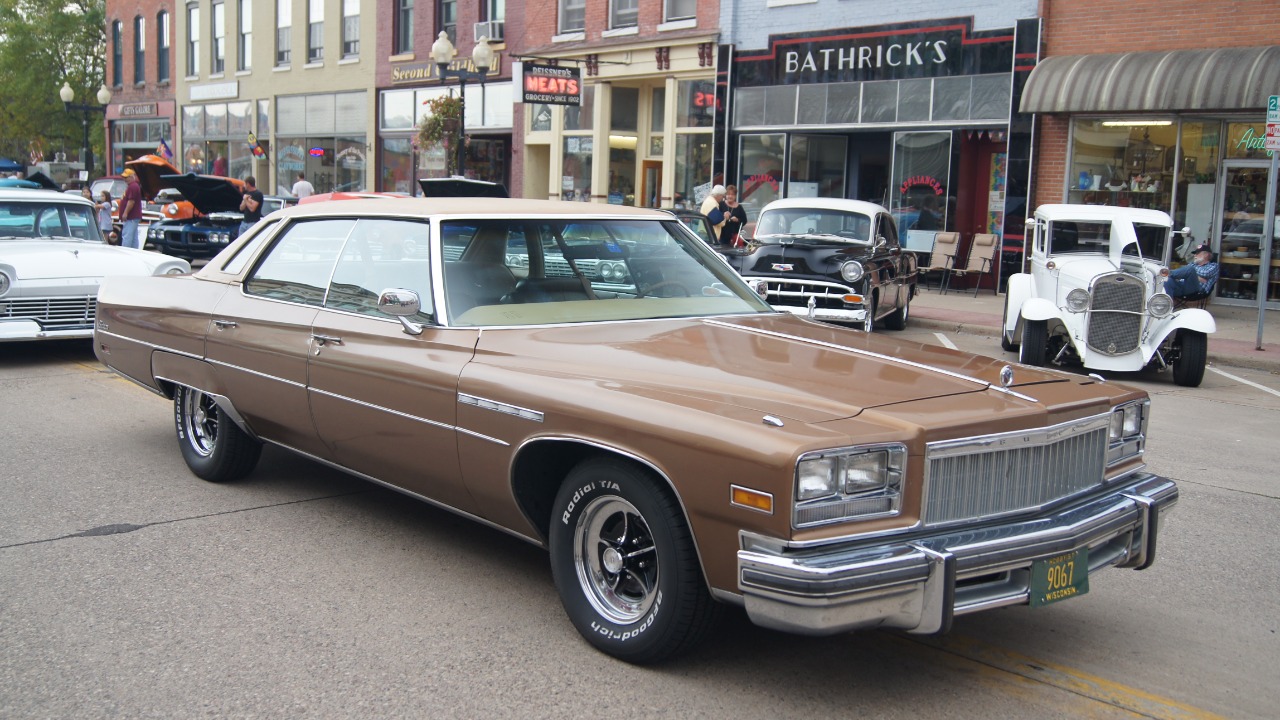
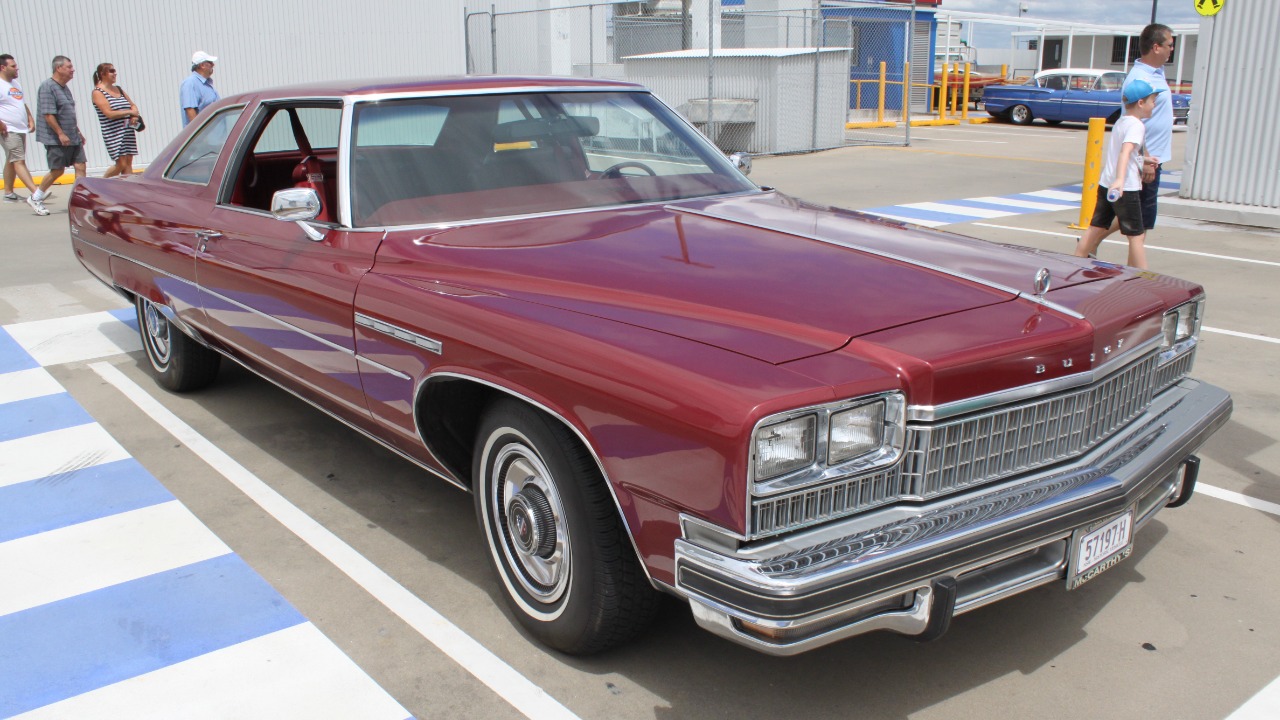
The Buick Electra 225 from 1971 to 76 offers full size American luxury for a fraction of the cost of many contemporary premium cars. Guides to affordable classic cars that will not break the bank often highlight the 1971–76 Buick Electra as a strong value option. The “225” badge, long associated with Buick’s flagship sedans, now signals an opportunity for buyers who want presence without a punishing budget.
From an ownership perspective, the Electra’s body on frame construction and shared components with other General Motors products help keep maintenance manageable. Insurance valuations also tend to reflect its status as a cruiser rather than a high performance collectible. As long as the Buick Electra 225 continues to appear in lists of Affordable Classic Cars Break the Bank, it will remain an attractive option for enthusiasts who prioritize comfort and nostalgia.
Ford F-Series (1973–79)
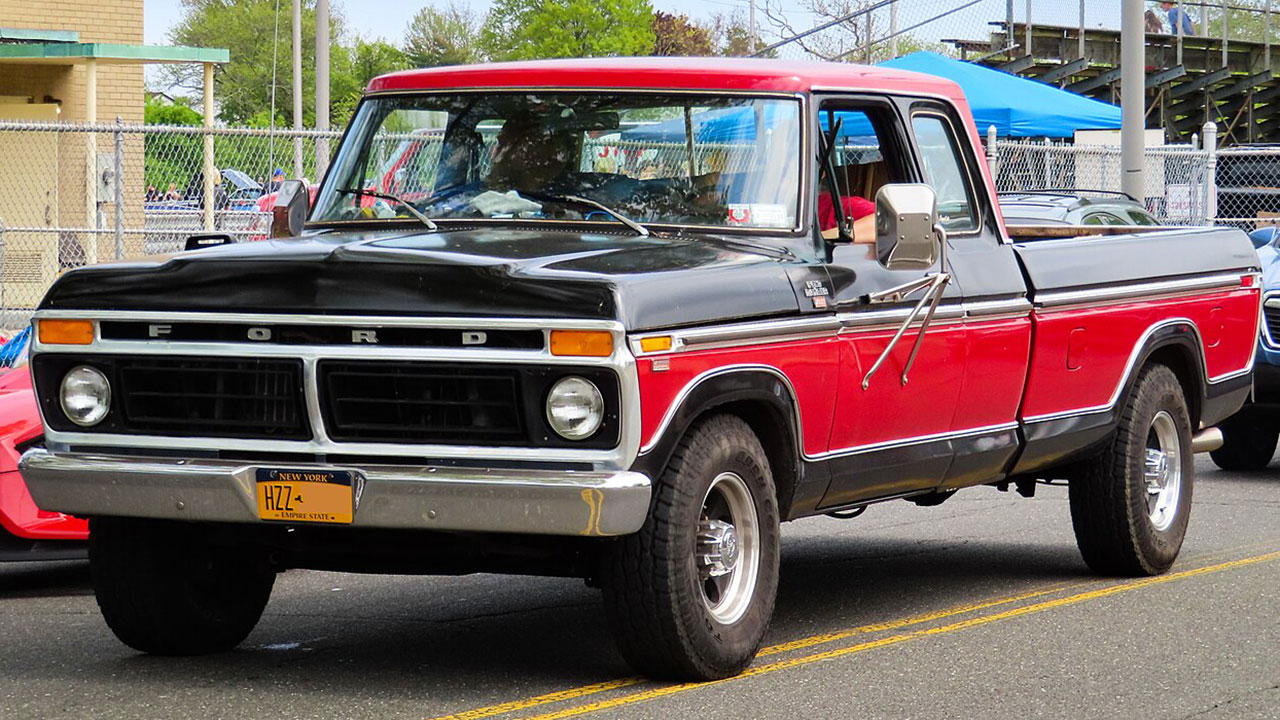
The 1973 to 79 Ford F-Series demonstrates how classic trucks can offer both utility and affordability. Analysts who compile lists of approachable classics frequently mention the 1973 to 79 Ford F-Series alongside sedans and coupes, which indicates that values for work ready pickups have not yet fully aligned with their cultural status. For many buyers, the appeal lies in owning a vintage Ford that can still tow, haul and serve as a practical daily driver.
From a market standpoint, the F-Series benefits from extensive parts availability and a deep aftermarket, which helps control long term costs. Its broad recognition also supports stable resale values, reducing financial risk for first time classic owners. As demand for rugged vehicles grows, the 1973 to 79 Ford F-Series stands out as a way to participate in that trend without paying modern truck prices, particularly for those who appreciate the earlier Ford Series design language.
Cadillac Coupe DeVille (1989–93)

The 1989 to 93 Cadillac Coupe DeVille offers a different flavor of American classic, focusing on plush comfort rather than outright performance. It appears in the same affordability guides as the Buick Electra and Ford F-Series, which signals that late eighties and early nineties luxury has not yet experienced the price inflation seen in some earlier eras. Buyers can secure a Cadillac Coupe with traditional styling and generous equipment for the cost of a mid range modern compact.
For stakeholders, the Coupe DeVille highlights how depreciation can work in favor of enthusiasts who value comfort and heritage. The car’s front wheel drive layout and shared components with other Cadillac Coupe models simplify servicing, which can reassure those new to older vehicles. As more people look for relaxed cruisers that still carry a prestigious badge, the 1989 to 93 Cadillac Coupe DeVille is well placed to attract attention without abandoning its reputation as a value choice.
Usable classics trend

The broader trend that ties these cars together is a shift toward “usable” classics that integrate more easily into modern life. Market observers note that buyers increasingly prioritize vehicles that deliver classic character while remaining suitable for regular use. One analysis of why usable classic cars are leading the 2026 market emphasises that many enthusiasts now want to use the car regularly, not simply store it as an investment.
This trend explains why models such as the Beetle, Fox Body Mustang, and Ford F-Series, which can handle commuting or everyday errands, remain in demand while still relatively affordable. For insurers, lenders and dealers, the rise of usable classic cars creates opportunities to package older vehicles as practical lifestyle choices. For enthusiasts, it means that a carefully chosen classic can serve both as transport and as a long term passion project without requiring a collector level budget.
More from Fast Lane Only