Collector cars have increasingly become an appealing alternative investment, outpacing traditional stocks and bonds in recent years. Certain models not only attract automotive enthusiasts but also yield impressive returns. Here, I delve into twelve standout vehicles that have proven their worth on both the road and in the investment realm.
1. Ferrari 250 GTO
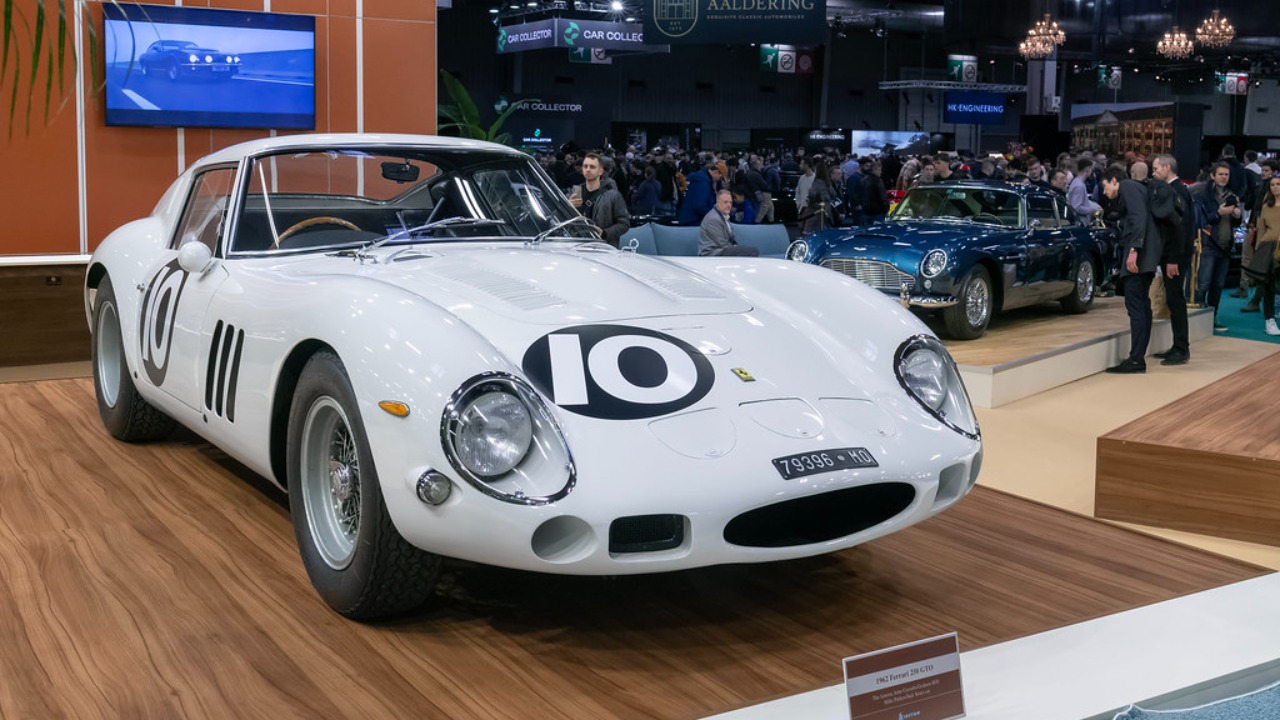
The Ferrari 250 GTO is often hailed as the pinnacle of automotive collectability. Produced between 1962 and 1964, only 39 units were made, making it one of the rarest cars in the world. Its historical significance stems from its racing pedigree, having dominated competitions like the 1962-1965 FIA World Sports Car Championship. The exclusivity of the GTO has led to astronomical auction prices, with one selling for $48.4 million in a 2018 RM Sotheby’s auction.
Over the past decade, the appreciation of the 250 GTO has been nothing short of astounding. In 2010, a GTO fetched around $20 million, highlighting a remarkable increase in value. Factors contributing to its investment appeal include its racing history, limited production, and the status it commands among collectors. For anyone looking to invest in classic cars, the GTO represents a high-water mark in the collector car market.
2. Porsche 911 (Air-Cooled Models)
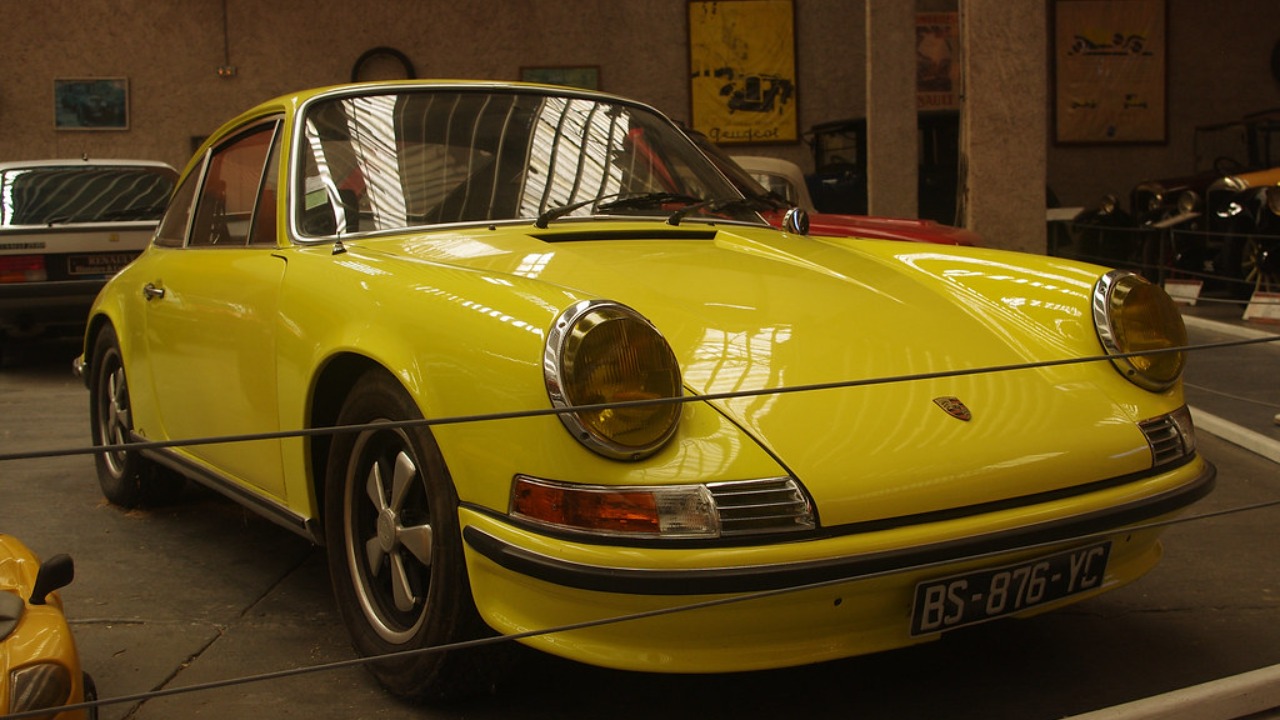
The Porsche 911, particularly its air-cooled models produced between 1964 and 1998, has earned a cult status that transcends mere automotive interest. This vehicle has seen consistent appreciation over the last decade, largely due to its iconic design and engineering excellence. A 1973 Porsche 911 Carrera RS, for instance, can fetch upwards of $400,000 at auction, a significant increase from its original price of around $10,000.
Key models to watch for investment potential include the 964 and 993 variants, which have become increasingly sought after due to their combination of classic style and modern performance capabilities. The evolution of the 911 has created a diverse range of options for investors, ensuring that there’s a model for various budgets and preferences. As the air-cooled models continue to age, their investment value is likely to rise, making them a smart choice for collectors.
3. Mercedes-Benz 300SL Gullwing
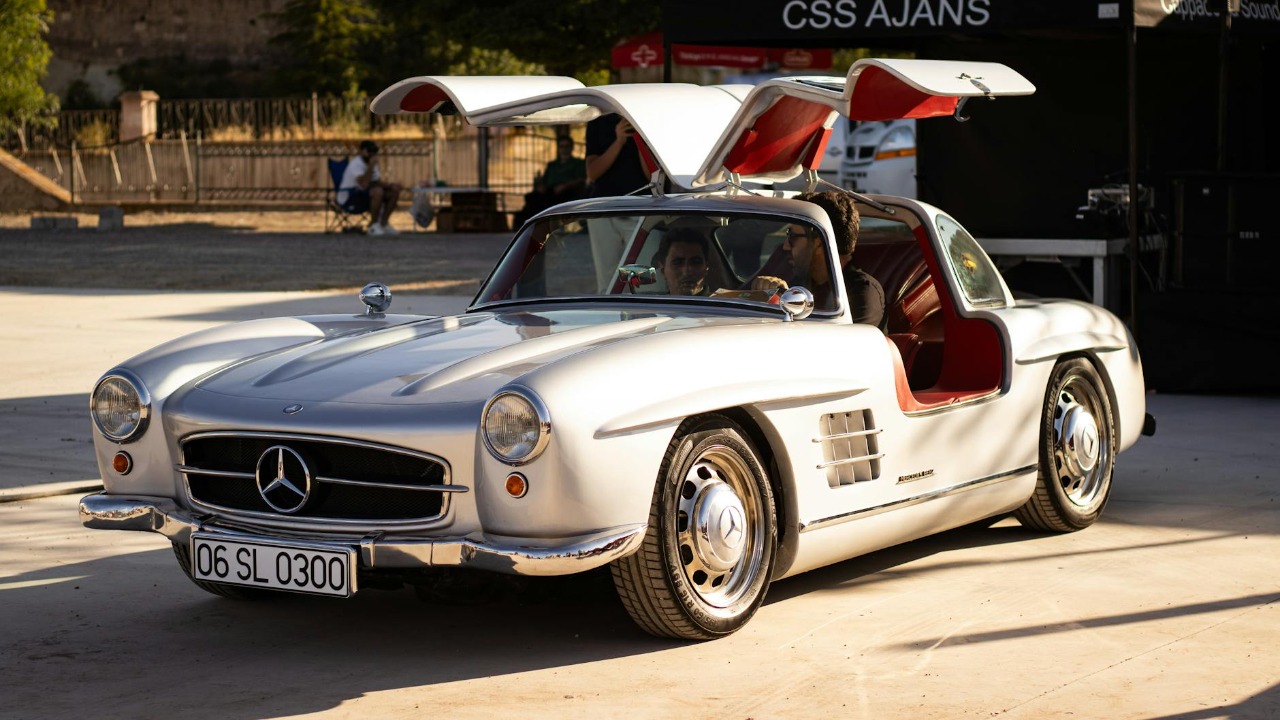
The Mercedes-Benz 300SL Gullwing, produced from 1952 to 1963, stands as a testament to post-war innovation and design. Its distinctive gullwing doors and advanced engineering made it a groundbreaking vehicle during its time. The car not only has a storied racing history but also features design elements that have influenced many subsequent models. The 300SL has seen a steady increase in value, with some examples selling for over $1 million at auction.
Collector demand for the Gullwing has remained high due to its rarity and historical significance. As an investor, it’s essential to consider the condition and provenance of the vehicle, as well-documented history can significantly enhance value. Potential buyers should also be aware of the high maintenance costs associated with classic Mercedes-Benz models, making thorough research and due diligence crucial before making a purchase.
4. Ford Mustang (First Generation)
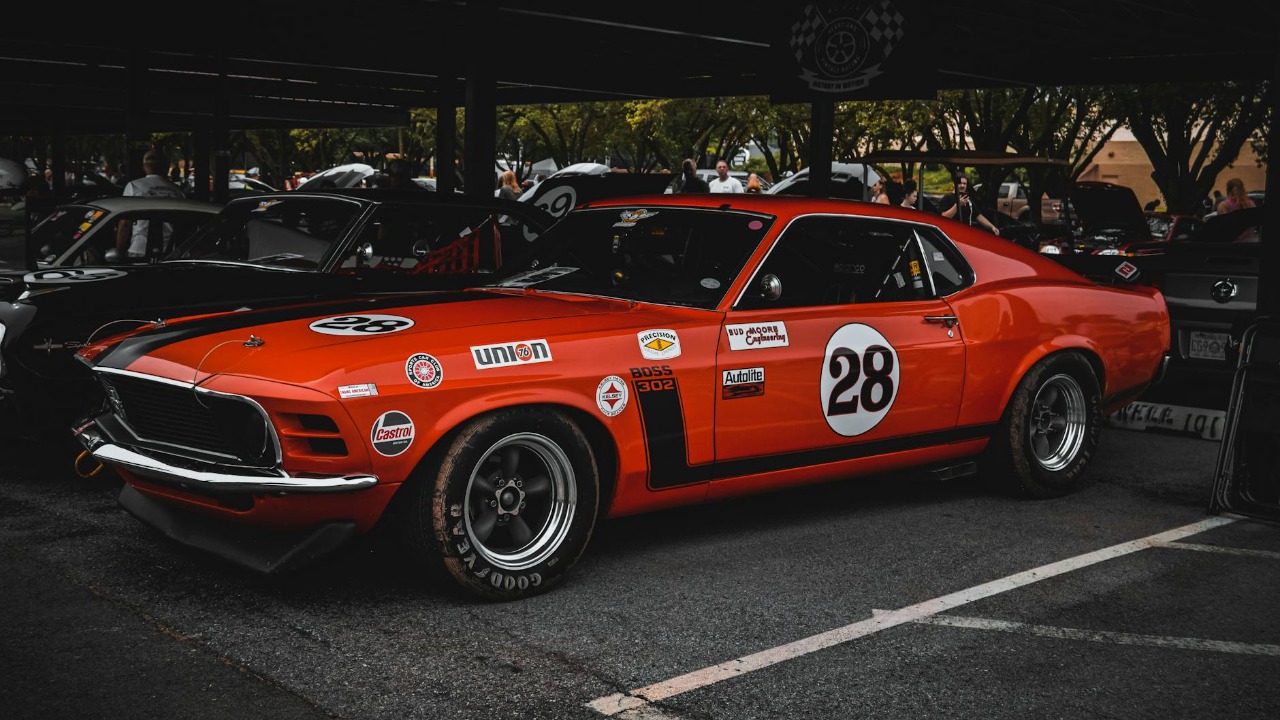
The Ford Mustang, introduced in 1964, is synonymous with American automotive culture. Its cultural impact and nostalgia associated with the muscle car era have made it a favorite among collectors. First-generation Mustangs, particularly the fastback models from 1965 to 1967, have seen a notable increase in market value, with prices ranging from $30,000 to $100,000 depending on condition and rarity.
Variations in price often depend on factors such as engine size, model year, and special editions like the GT350. This versatility ensures that there’s a Mustang for nearly every budget, making it an accessible entry point for new collectors. The Mustang’s enduring popularity in movies, music, and pop culture further solidifies its status as a collectible car that continues to appreciate over time.
5. Lamborghini Miura
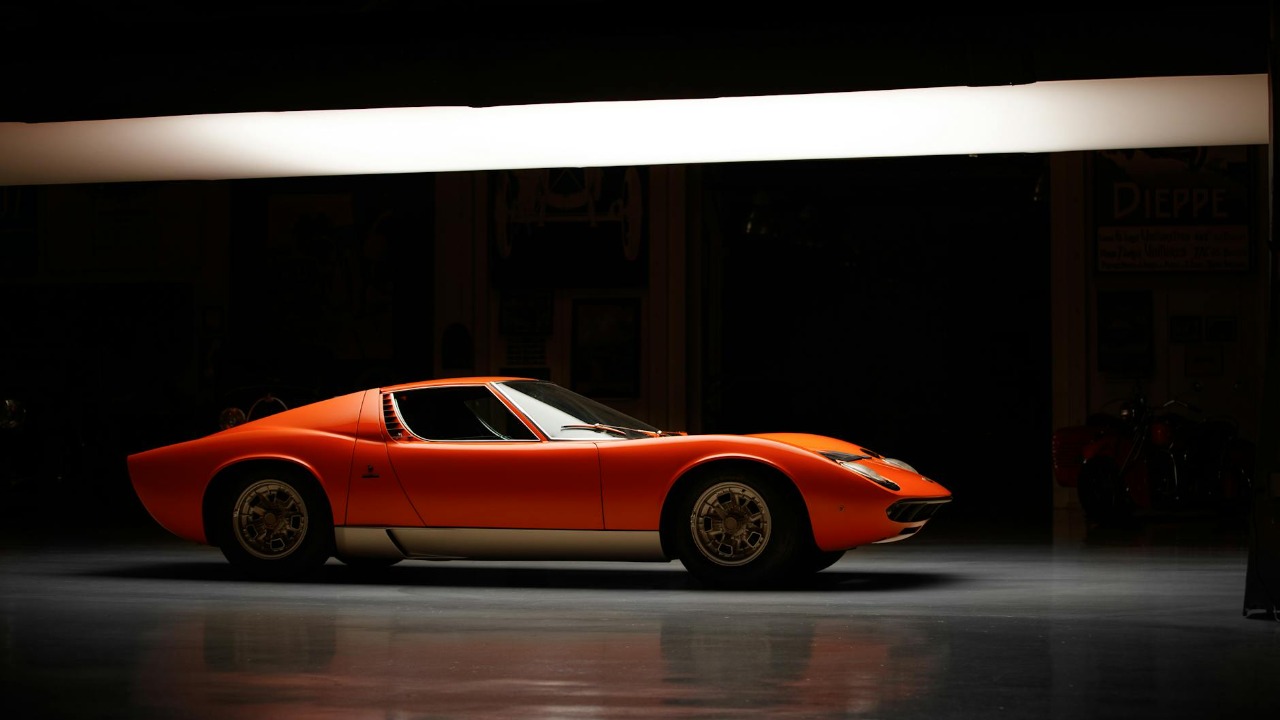
The Lamborghini Miura, produced between 1966 and 1973, is often credited with establishing the supercar segment. Its innovative mid-engine layout and stunning design made it an instant classic and a must-have for collectors. Market performance for the Miura has been impressive, with auction prices for well-preserved models exceeding $2 million, reflecting its status as a highly sought-after vehicle.
Notable sales records include a 1971 Miura P400 SV that sold for $2.3 million in 2016. For prospective buyers, the Miura represents both an investment opportunity and a piece of automotive history. However, potential investors should be cautious about the costs associated with restoration and maintenance, as parts can be challenging to source and repairs require specialized knowledge.
6. Aston Martin DB5
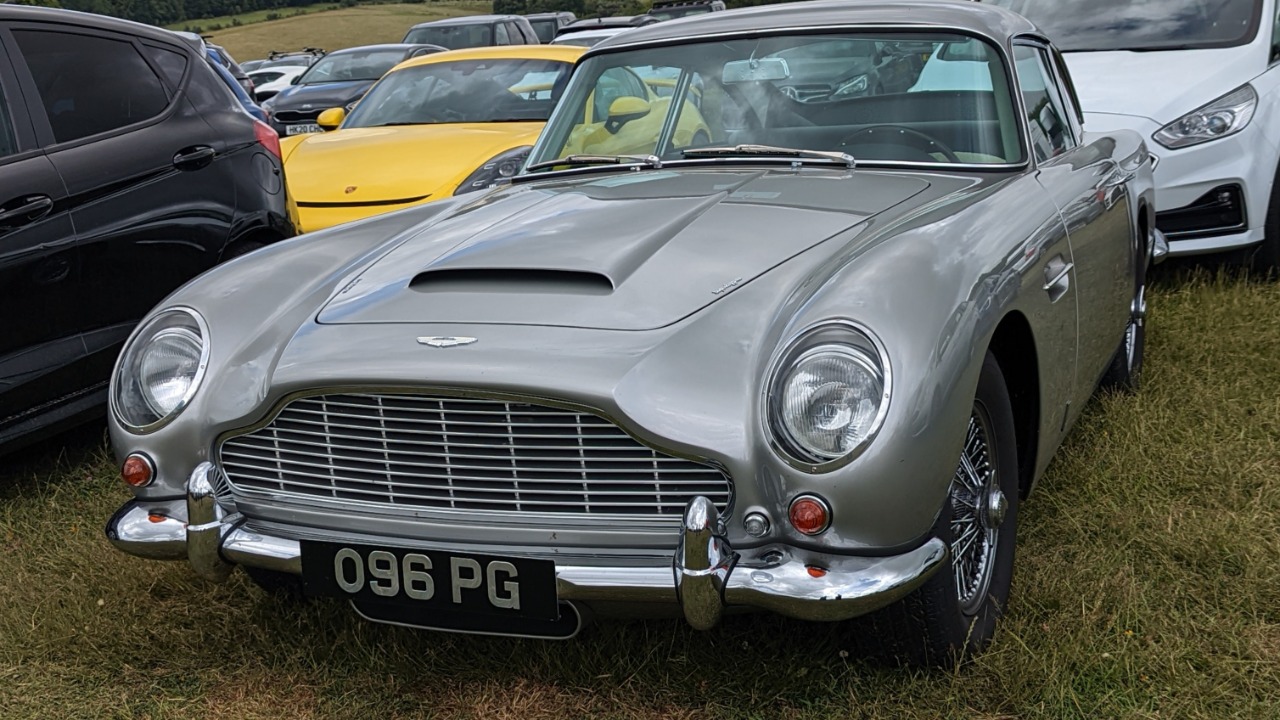
The Aston Martin DB5 is perhaps best known for its role as James Bond’s car of choice in “Goldfinger.” Its association with the iconic spy has significantly boosted its desirability among collectors. Produced from 1963 to 1965, the DB5 has consistently commanded high auction prices, with some models fetching upwards of $6 million. Its elegant design and performance capabilities continue to captivate enthusiasts.
The historical auction prices reflect the DB5’s status as a collector’s item, with a well-documented provenance enhancing its value. Factors influencing its appeal include its limited production, classic styling, and connection to popular culture. For anyone looking to invest in a piece of cinematic history, the DB5 is a prime candidate.
7. Jaguar E-Type
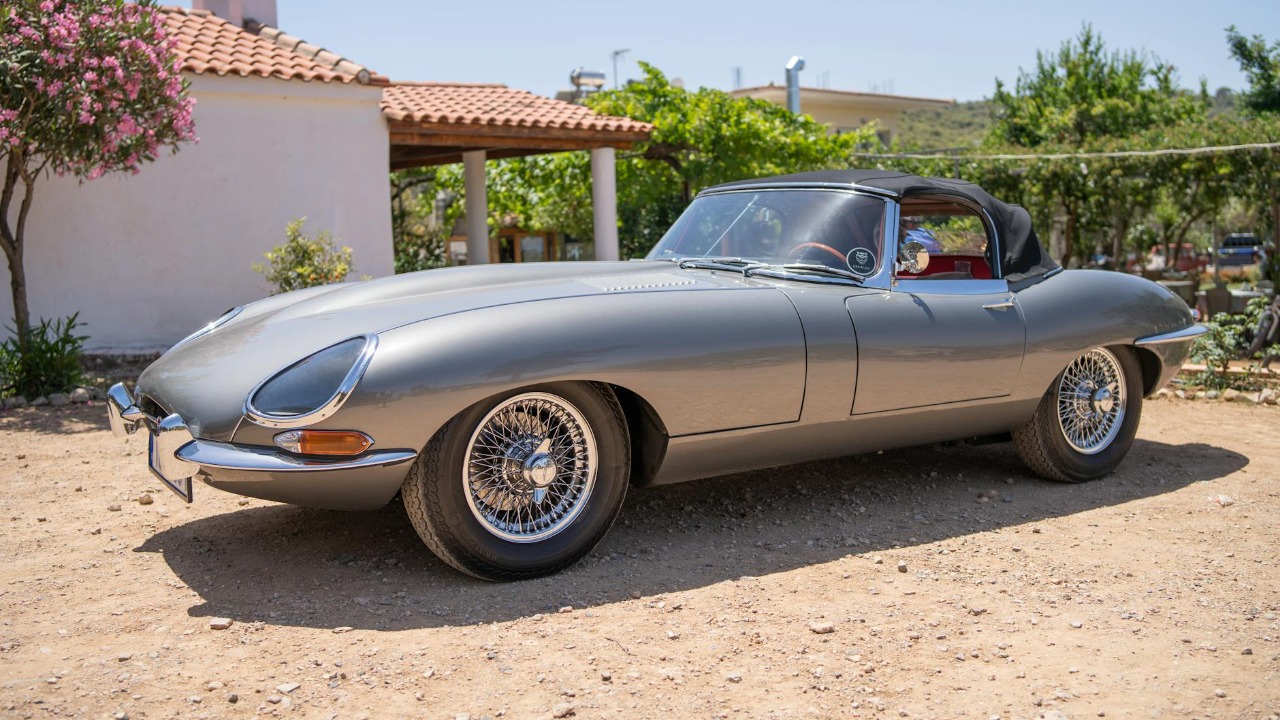
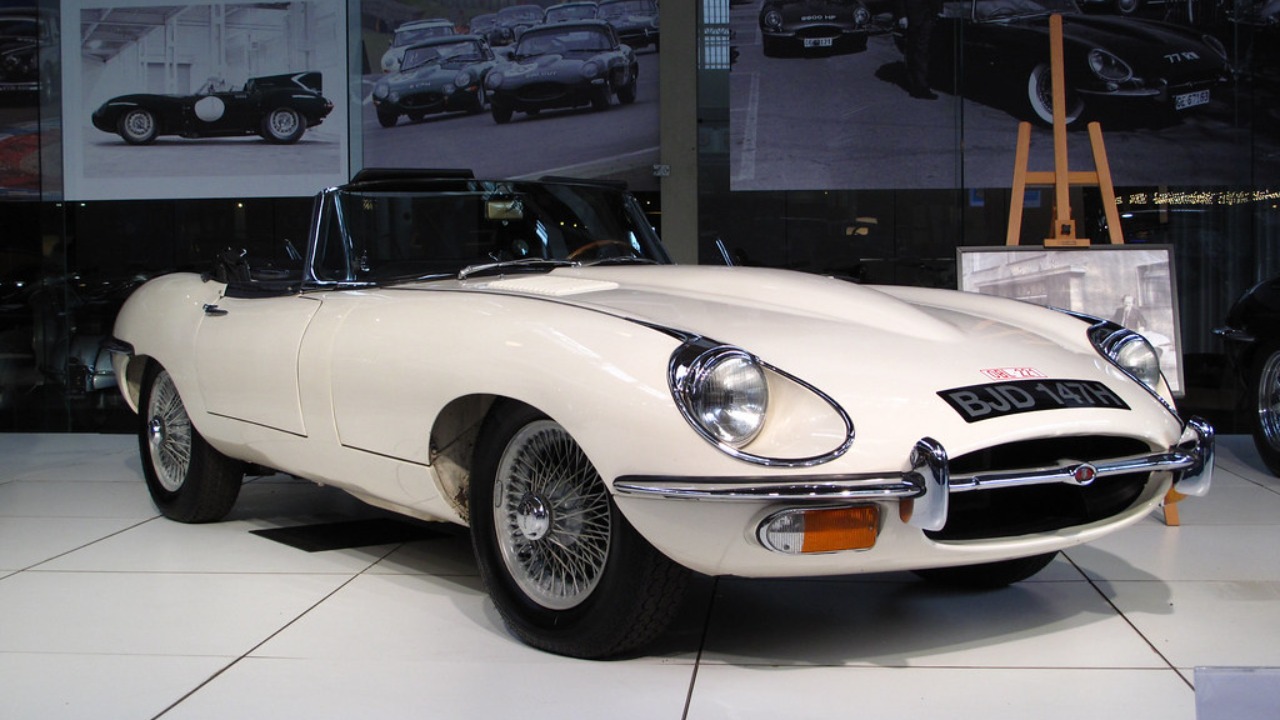
The Jaguar E-Type, introduced in 1961, is celebrated for its timeless design and innovative engineering. Often regarded as one of the most beautiful cars ever made, the E-Type has secured its place in automotive history. Market stability and appreciation trends have seen well-maintained examples increase in value over the years, with some early models now fetching over $300,000 at auction.
Best practices for buying an E-Type as an investment include focusing on models with documented history, original parts, and excellent condition. Additionally, understanding the differences between Series 1, 2, and 3 models can help investors make informed decisions. With its blend of artistry and performance, the E-Type remains a smart investment for those looking to enter the classic car market.
8. Chevrolet Corvette (C1 and C2 Models)
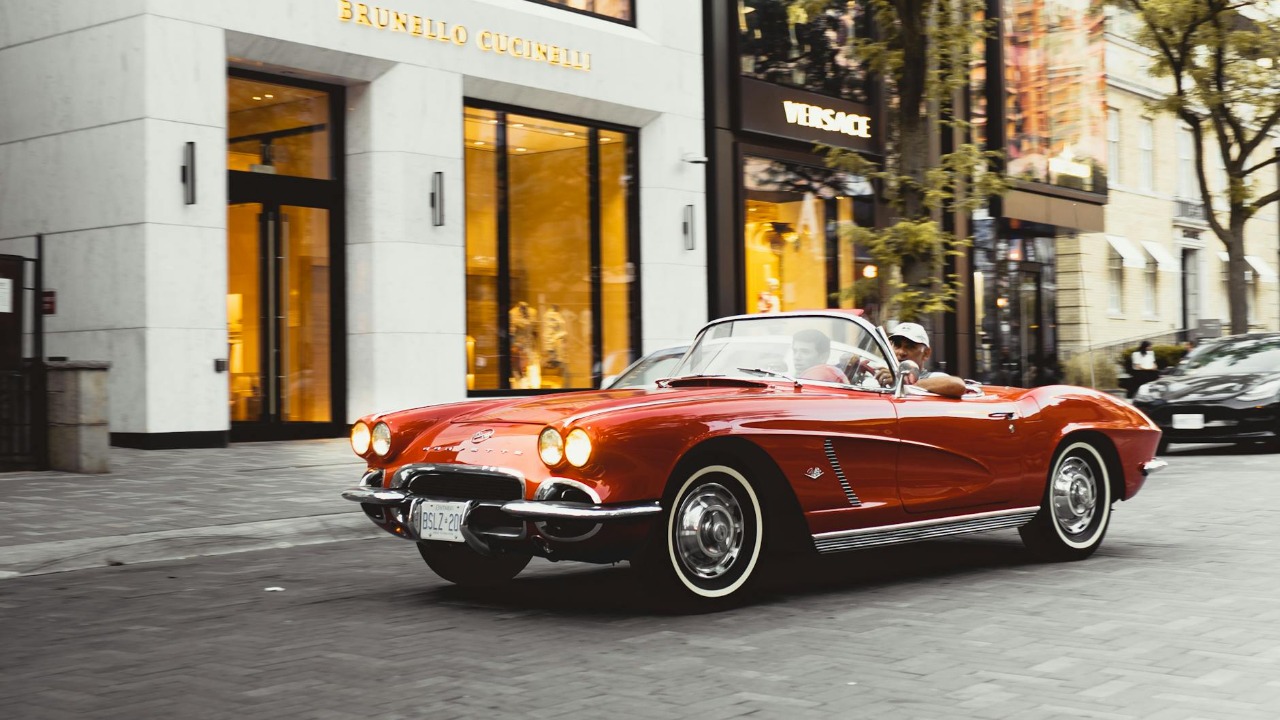
The Chevrolet Corvette, particularly the C1 (1953-1962) and C2 (1963-1967) models, has developed a rich legacy as America’s sports car. The early models have seen fluctuations in price, with mint-condition examples now commanding prices of $100,000 or more for C2s, while C1 models can vary widely based on condition and rarity. The Corvette’s status as a cultural icon contributes significantly to its investment viability.
Investors focusing on early models should consider factors like engine configuration, body style, and special editions. Additionally, the Corvette’s ongoing popularity in car shows and events ensures a robust market for these classic machines. With their performance capabilities and historical significance, both C1 and C2 Corvettes represent solid investment opportunities for collectors.
9. Bugatti Veyron
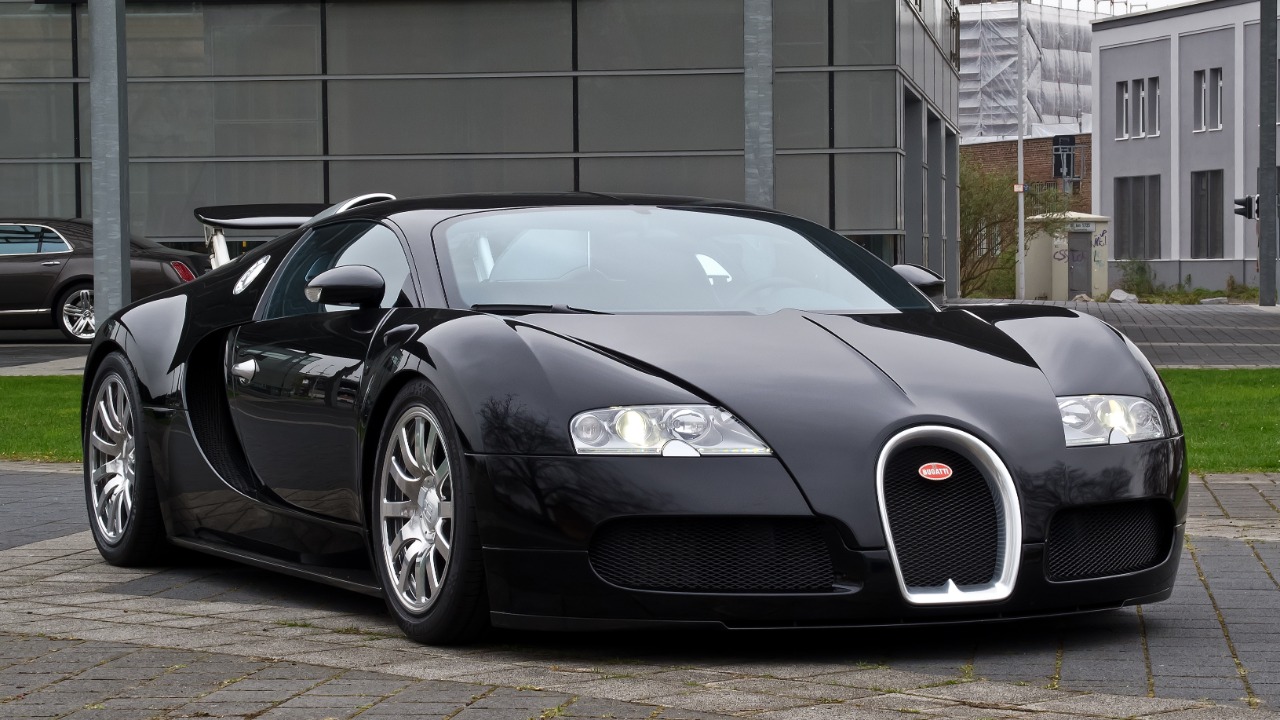
The Bugatti Veyron, produced from 2005 to 2015, represents the pinnacle of modern automotive engineering. Known for its extraordinary speed and luxury, the Veyron was a technological marvel that pushed the boundaries of what a supercar could achieve. While the hypercar market is often volatile, the Veyron has seen its value stabilize, with well-maintained examples typically selling for around $1 million to $2 million.
Technological advancements and rarity play crucial roles in the Veyron’s appeal as a collectible investment. For instance, the Veyron Super Sport, a limited edition, is particularly sought after due to its exclusivity and performance specifications. Investors should consider the car’s condition, service history, and provenance when purchasing, as these factors can significantly influence resale value.
10. Toyota 2000GT
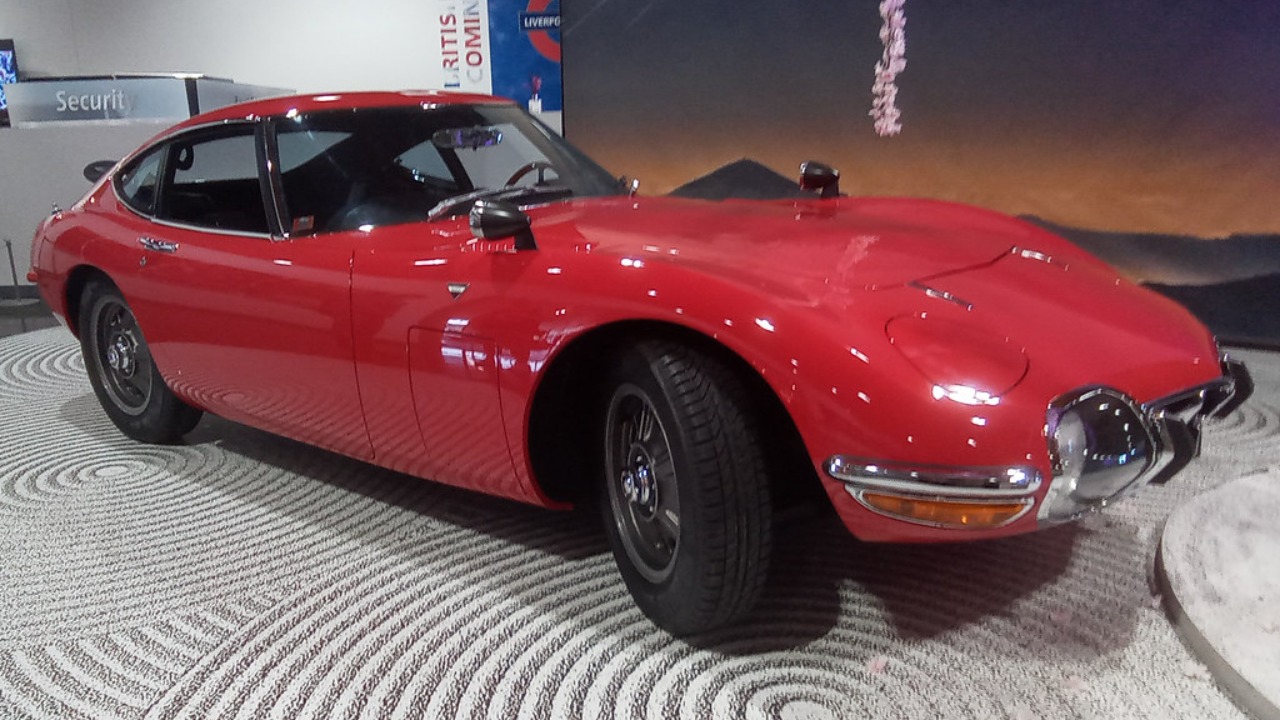
The Toyota 2000GT, produced between 1967 and 1970, is often regarded as Japan’s first true supercar. With only 351 units built, its rarity and distinctive design have made it a highly coveted collector’s item. Prices for the 2000GT have skyrocketed in recent years, with well-preserved examples selling for over $1 million at auction.
The appreciation of the 2000GT can be attributed to its unique place in automotive history, its performance capabilities, and its stunning aesthetics. Investors looking to acquire a 2000GT should ensure they have a comprehensive understanding of the model’s specifications and history, as well as the particular challenges associated with sourcing parts for restoration. This classic Japanese sports car is an excellent choice for those interested in diversifying their classic car investment portfolio.
11. Alfa Romeo Giulia Sprint GTA
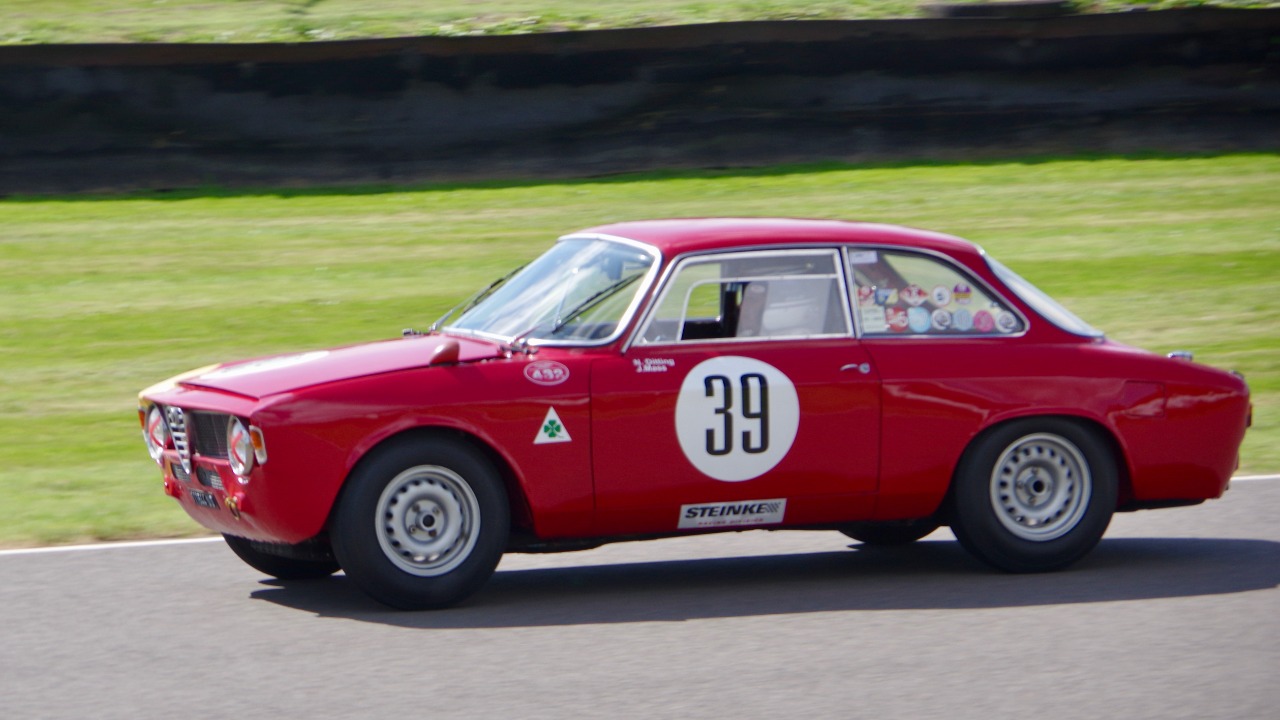
The Alfa Romeo Giulia Sprint GTA, produced in the 1960s, is celebrated for its lightweight design and racing pedigree. With only a limited number produced, the Sprint GTA has gained a dedicated following among collectors and enthusiasts alike. Prices for these classic Alfas have seen impressive appreciation, with well-restored models reaching upwards of $500,000 at auction.
Factors contributing to the investment appeal of the Giulia Sprint GTA include its engineering excellence, cultural significance, and the rarity of original models. For potential investors, understanding the specific variants and their historical context can provide valuable insights into which models may yield the best returns. The Giulia Sprint GTA stands as a testament to Alfa Romeo’s racing heritage and remains a smart investment for those seeking a unique classic car.
12. Maserati Birdcage
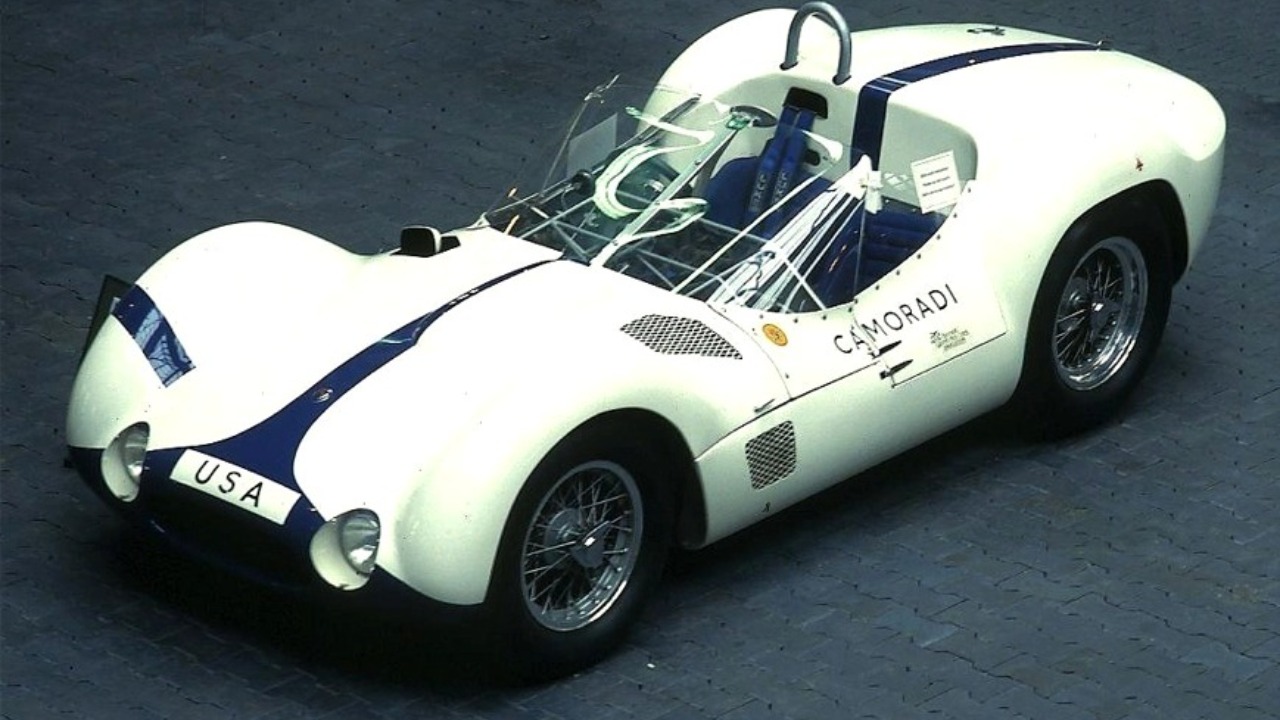
The Maserati Birdcage, a legendary racing car from the late 1950s, is an extraordinary example of automotive design and engineering. Known for its innovative tubular chassis and striking aesthetics, the Birdcage has become a highly sought-after collector’s item. Auction prices for this iconic vehicle can exceed $5 million, reflecting its rarity and historical significance in the world of motorsport.
The Birdcage’s investment potential lies in its unique design, racing heritage, and the limited number of units produced. For collectors, owning a Maserati Birdcage is not only an investment but also a piece of automotive art that has captured the imagination of car enthusiasts worldwide. As the classic car market continues to evolve, the Birdcage is likely to remain a high-value asset for discerning collectors.