The muscle car phenomenon began in the mid-1960s, forever altering the landscape of American automotive performance. These vehicles are characterized by their powerful engines, aggressive styling, and a commitment to speed. In this list, I’ll cover 12 iconic muscle cars that not only defined their era but also set the foundation for the performance cars we enjoy today.
1964 Pontiac GTO: The Birth of the Muscle Car

The 1964 Pontiac GTO is often credited with igniting the muscle car craze in America. By combining a lightweight chassis with a powerful 389 cubic inch V8 engine, the GTO offered an exhilarating driving experience that was hard to resist. Its performance, coupled with its stylish design, made it an instant hit among enthusiasts.
The GTO’s popularity laid the groundwork for other car manufacturers to develop their own high-performance models, marking the start of a new automotive genre. With its 0 to 60 mph time under 7 seconds, the GTO proved that speed and style could coexist, setting a benchmark that many subsequent muscle cars aimed to achieve.
1967 Ford Mustang: The Original Pony Car
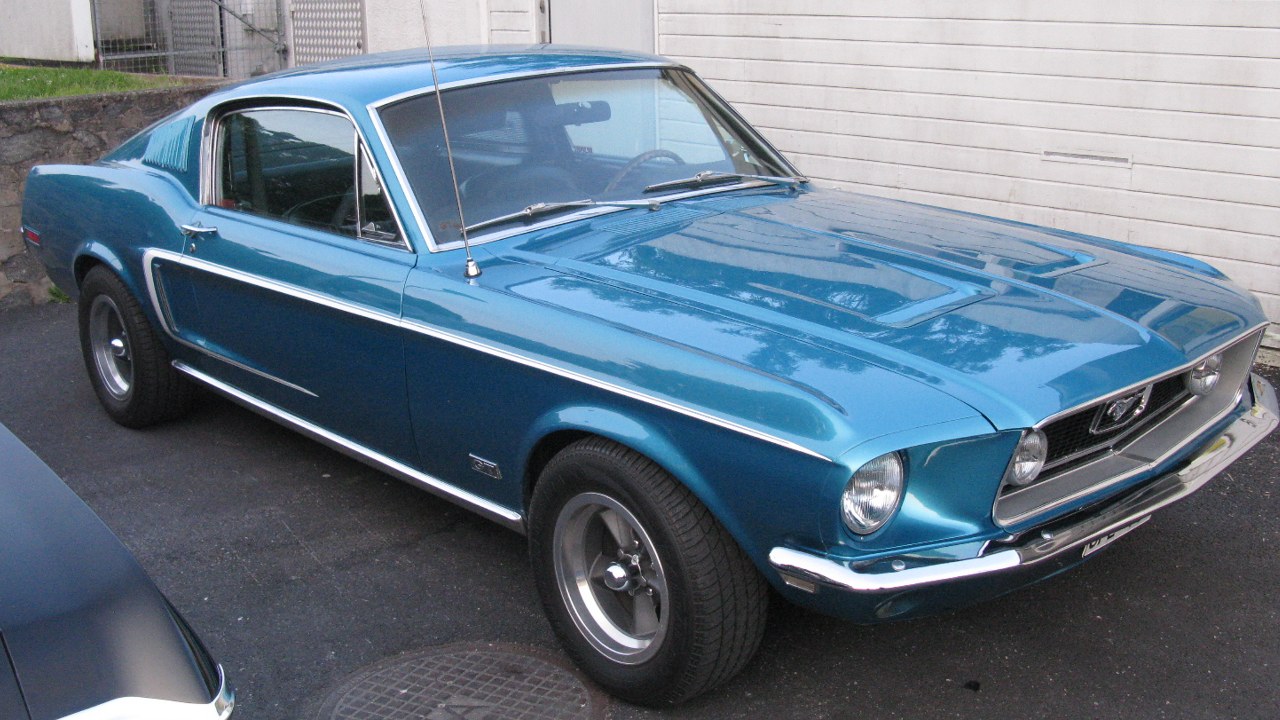
The 1967 Ford Mustang is often regarded as the original pony car, a term used to describe affordable, compact, and performance-oriented vehicles. Ford’s innovative marketing and design captured the attention of a generation, making the Mustang a symbol of freedom and rebellion. With a range of engine options, from a modest inline-six to a roaring V8, it catered to diverse tastes.
The Mustang’s impact extended beyond its performance; it inspired countless imitators and solidified the pony car segment. Its blend of style, affordability, and performance set a new standard in the automotive world, making it one of the most recognizable and beloved cars in history. To explore more about the Mustang’s legacy, check out this article.
1970 Chevrolet Chevelle SS 454: The Powerhouse
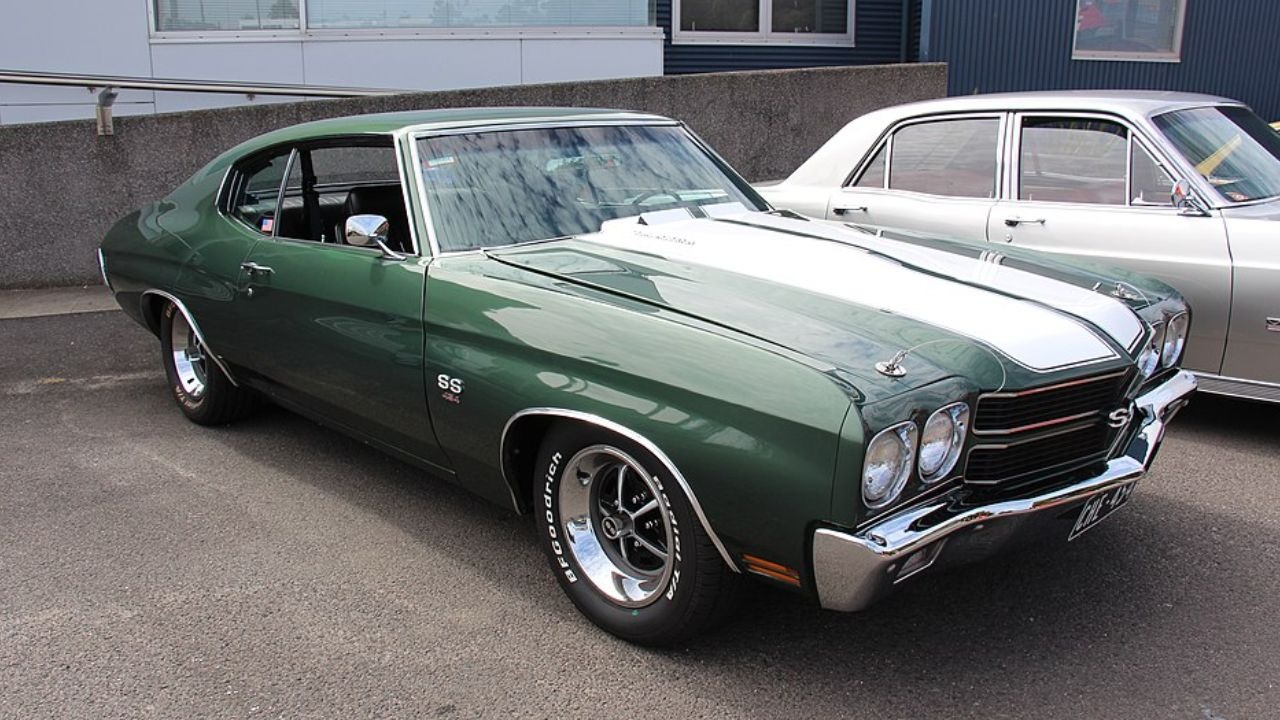
The 1970 Chevrolet Chevelle SS 454 is a true testament to American muscle. Featuring the monstrous LS6 engine, it produced a staggering 450 horsepower, making it one of the most powerful production cars of its time. The Chevelle SS combined brute strength with a sleek design that turned heads wherever it went.
This vehicle not only offered incredible straight-line speed but also showcased advanced engineering for its era. The Chevelle’s reputation was solidified on the drag strips, where it often outperformed rivals. It remains a sought-after classic among collectors and enthusiasts, symbolizing the peak of American muscle car performance.
1970 Dodge Challenger R/T: A New Era of Performance
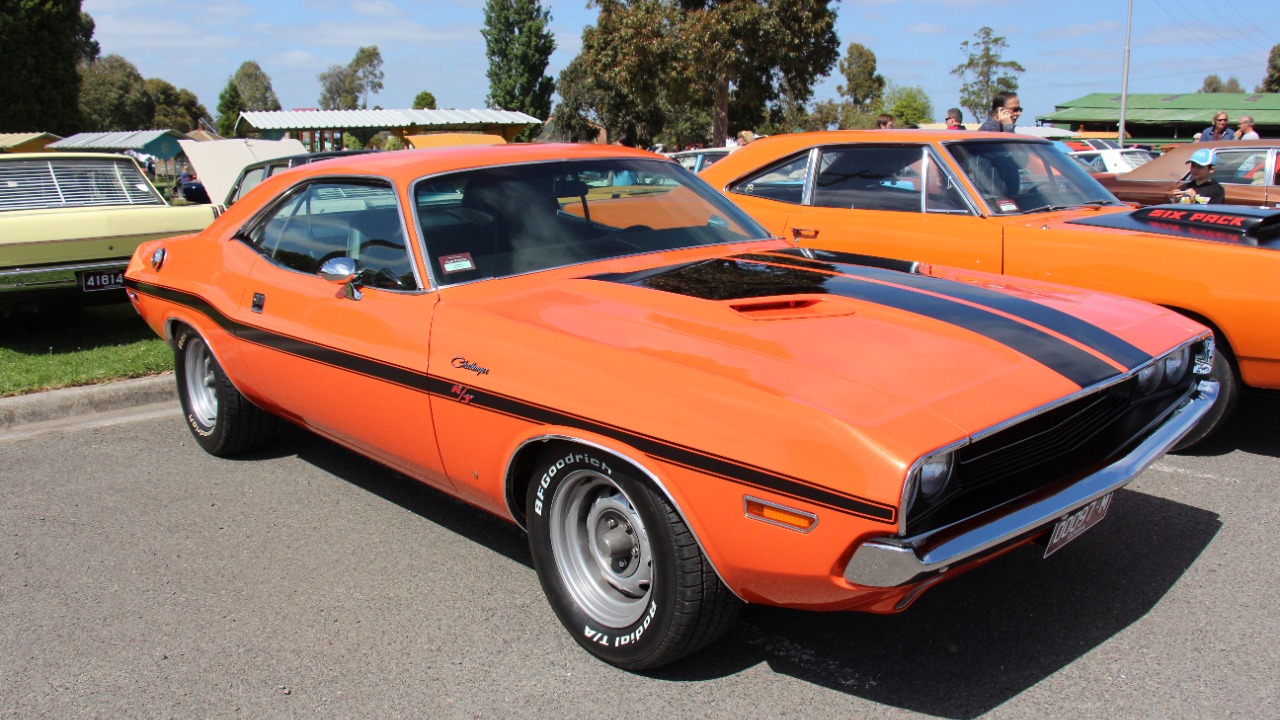
The 1970 Dodge Challenger R/T was a game changer, offering both style and performance in a package that appealed to a wide audience. With a variety of engine options, including the iconic 426 Hemi, the Challenger R/T quickly gained a reputation as a formidable competitor on the streets and race tracks alike.
Its aggressive styling, combined with powerful performance, made it a favorite for muscle car aficionados. The Challenger R/T’s legacy continues today, as it has been revived in modern iterations that pay homage to its classic roots. For a deeper dive into its history, visit this resource.
1970 Plymouth Hemi Cuda: The Ultimate Expression of Power

The 1970 Plymouth Hemi Cuda is often regarded as the ultimate muscle car, combining stunning aesthetics with raw power. With its 426 Hemi engine, it delivered an incredible 425 horsepower, making it one of the most formidable cars of its time. The Cuda’s distinctive styling and aggressive stance set it apart from its competitors.
Its limited production numbers and high-performance capabilities have made it a prized collector’s item, with values skyrocketing at auctions. The Hemi Cuda remains a symbol of American automotive ingenuity, representing a golden era of performance that enthusiasts still celebrate today.
1969 Chevrolet Camaro Z/28: A Game-Changer in Handling
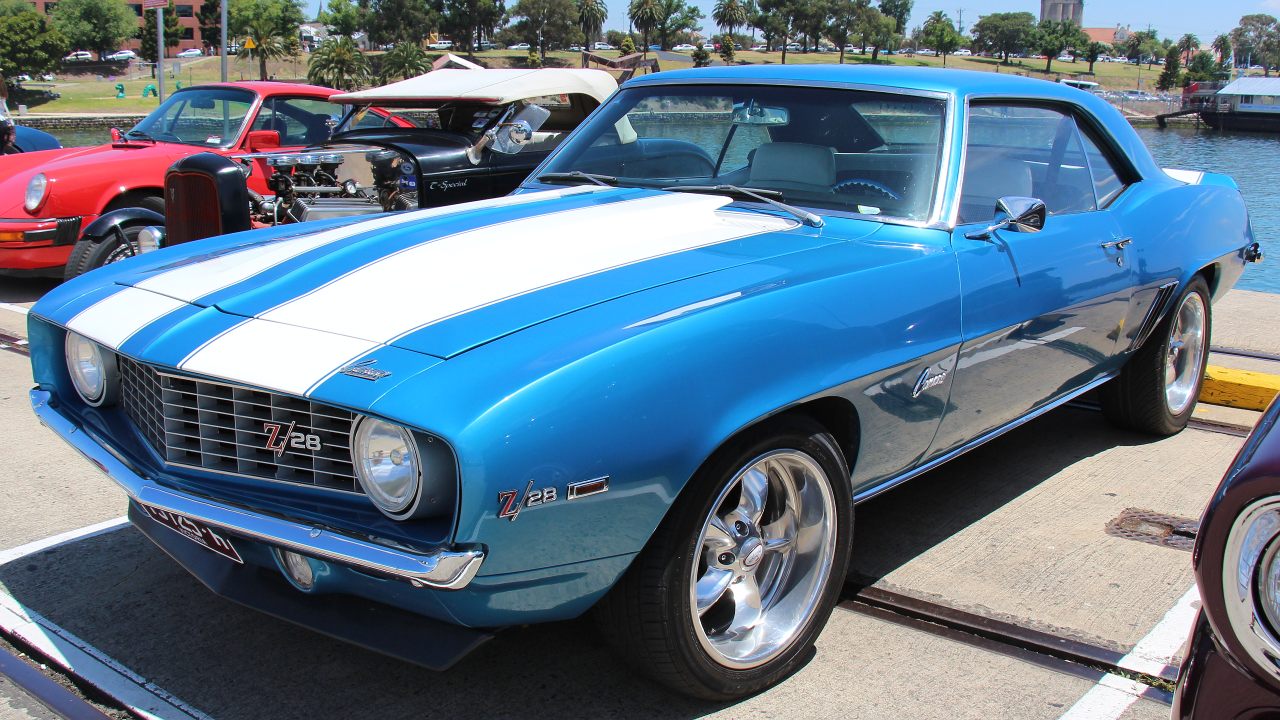
The 1969 Chevrolet Camaro Z/28 was a revolutionary muscle car that focused not just on power, but also on handling. Equipped with a high-revving 302 cubic inch V8 engine, it was specifically designed for racing and delivered exceptional performance on the track. Its suspension setup provided superior cornering capabilities, making it a favorite among driving enthusiasts.
The Z/28’s combination of speed and agility set a new standard for muscle cars, proving that performance could be about more than just raw horsepower. Its legacy continues to influence modern muscle cars, showcasing the importance of balance in performance driving.
1971 Buick GSX: The First Factory Supercar
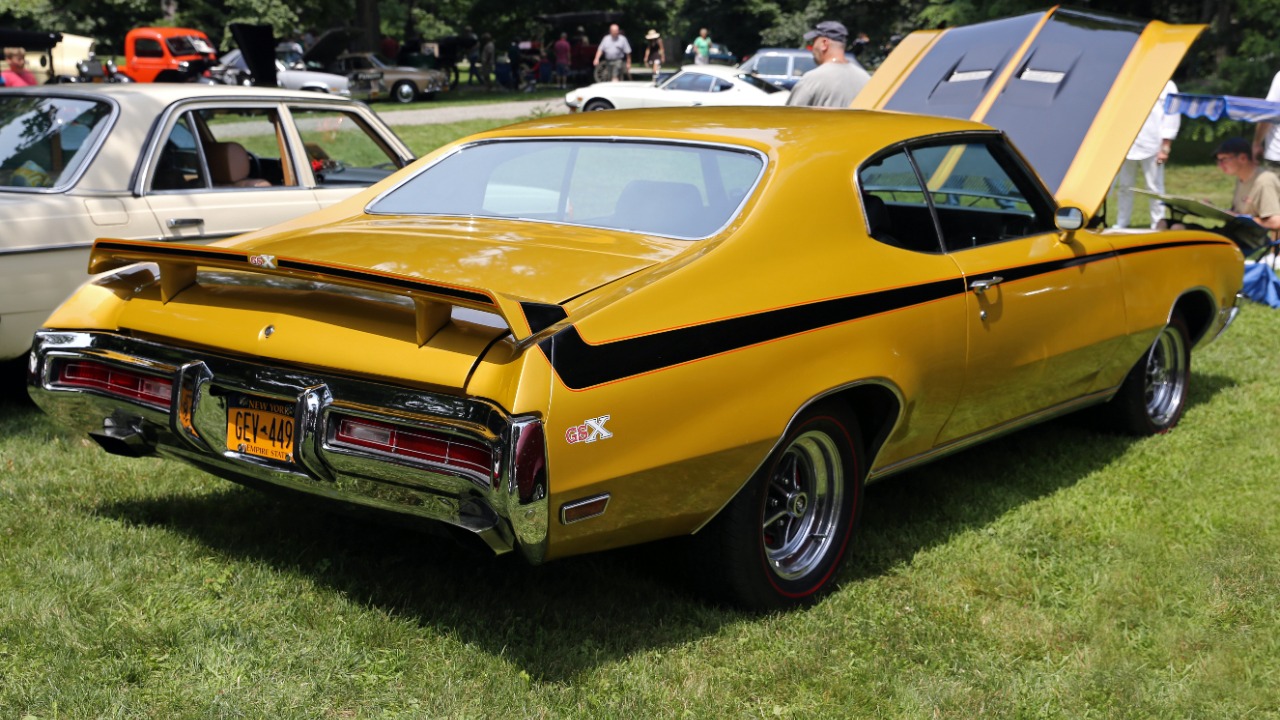
The 1971 Buick GSX is often considered the first factory supercar, boasting a powerful 455 cubic inch V8 engine that produced 510 lb-ft of torque. This muscle car was designed for performance enthusiasts who craved speed and luxury wrapped in one package. The GSX’s bold styling was complemented by its impressive acceleration, making it a standout in the muscle car market.
With its limited production numbers, the GSX has become a highly sought-after collector’s item. It remains a testament to Buick’s engineering prowess and a key player in the muscle car history, influencing the future of high-performance vehicles.
1970 AMC Javelin: Performance Meets Style
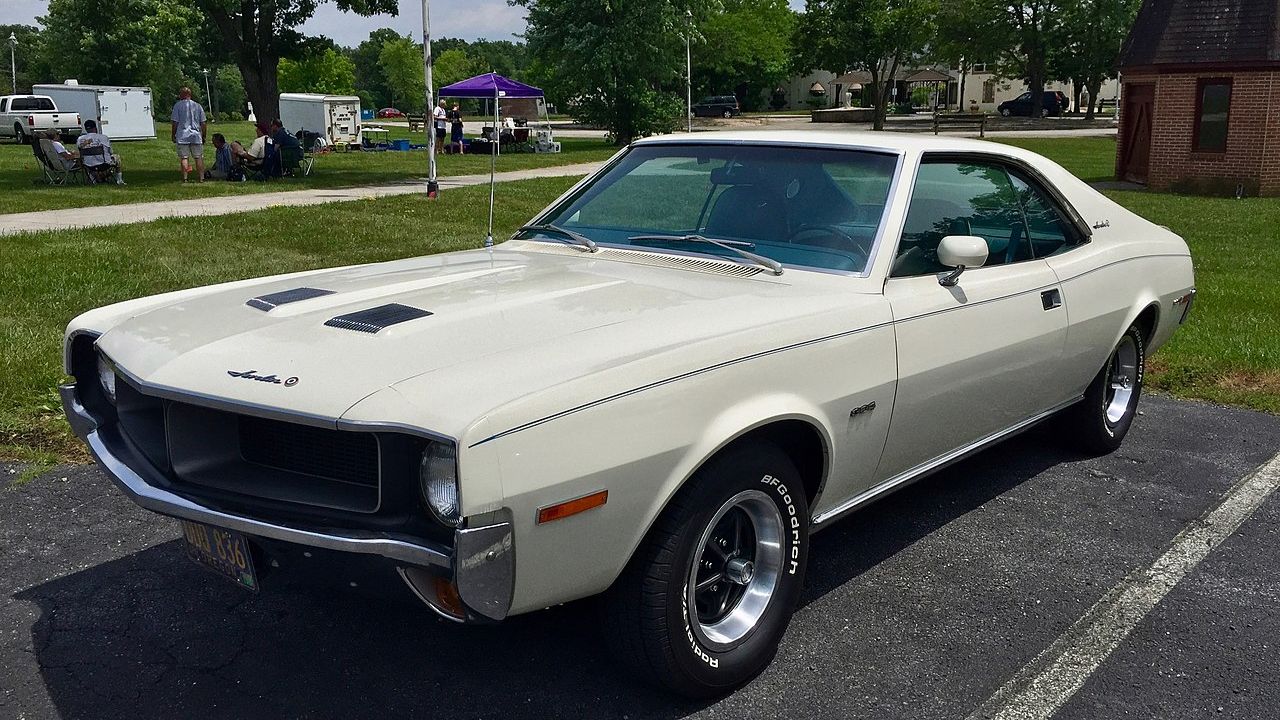
The 1970 AMC Javelin offered a distinctive style combined with solid performance features. With its unique design and a range of powerful engine options, including a 390 cubic inch V8, the Javelin carved out a niche in the competitive muscle car market. Its sporty demeanor and innovative design elements set it apart from its contemporaries.
The Javelin’s success on both the street and the racetrack showcased AMC’s commitment to performance. While it may not have received the same level of recognition as some of its rivals, the Javelin remains a beloved classic among enthusiasts who appreciate its unique blend of style and power.
1966 Ford Fairlane GT: A Blend of Performance and Affordability
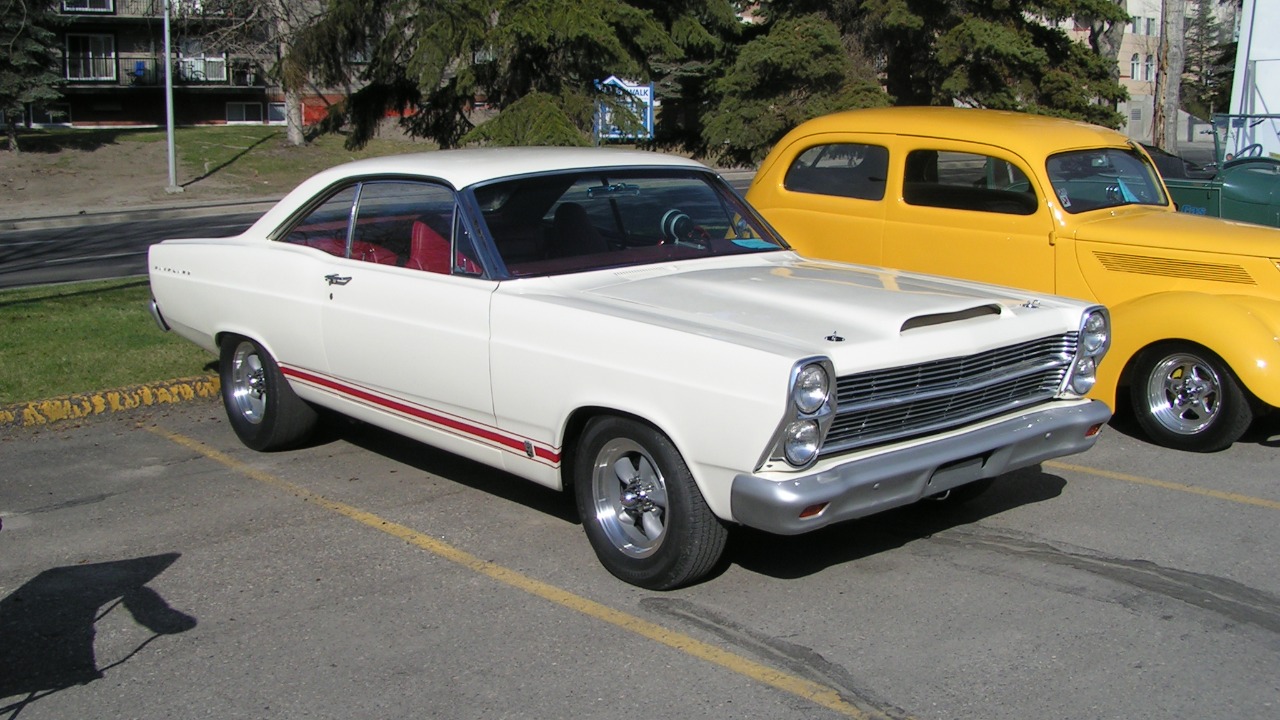
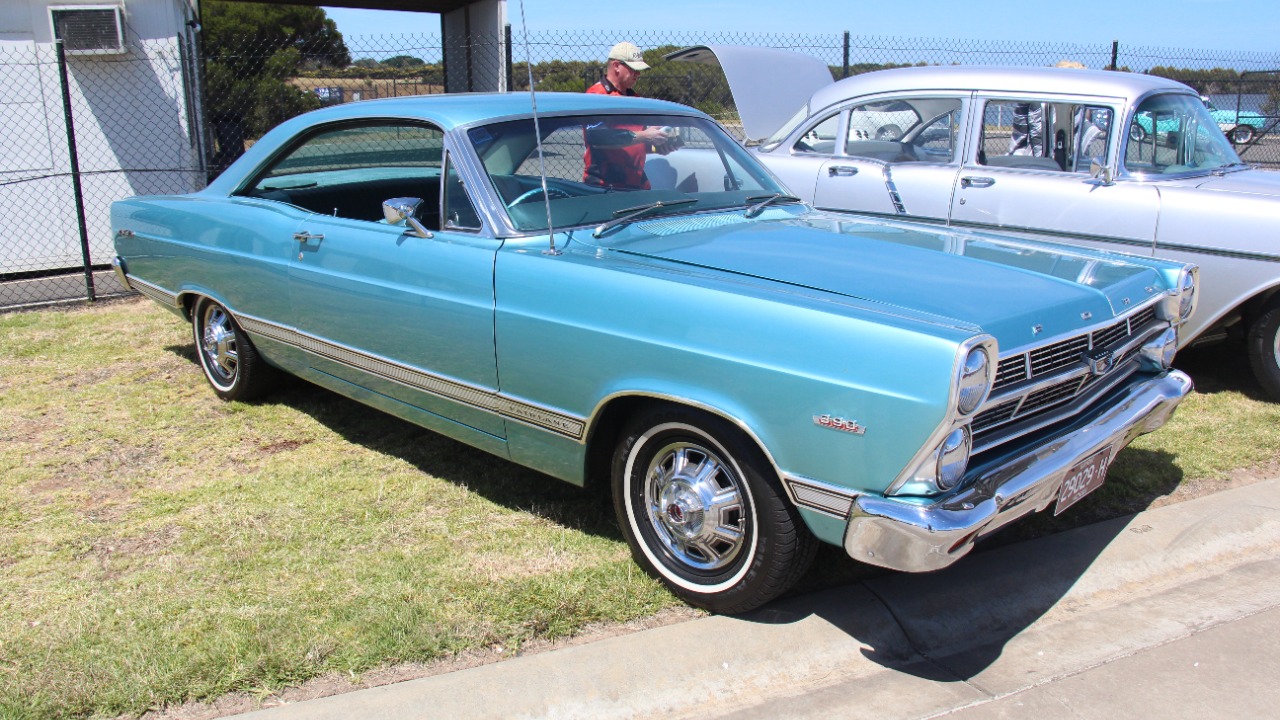
The 1966 Ford Fairlane GT represents a unique blend of performance and affordability in the muscle car segment. With its 289 cubic inch V8 engine, it provided a thrilling driving experience without breaking the bank. The Fairlane GT’s balanced performance made it a popular choice for families looking for a fun yet practical vehicle.
This model helped to bridge the gap between high-performance cars and everyday drivers, allowing more people to experience the thrill of muscle car ownership. The Fairlane GT paved the way for future models, emphasizing that performance and value could coexist.
1971 Dodge Charger R/T: The Iconic Muscle Machine
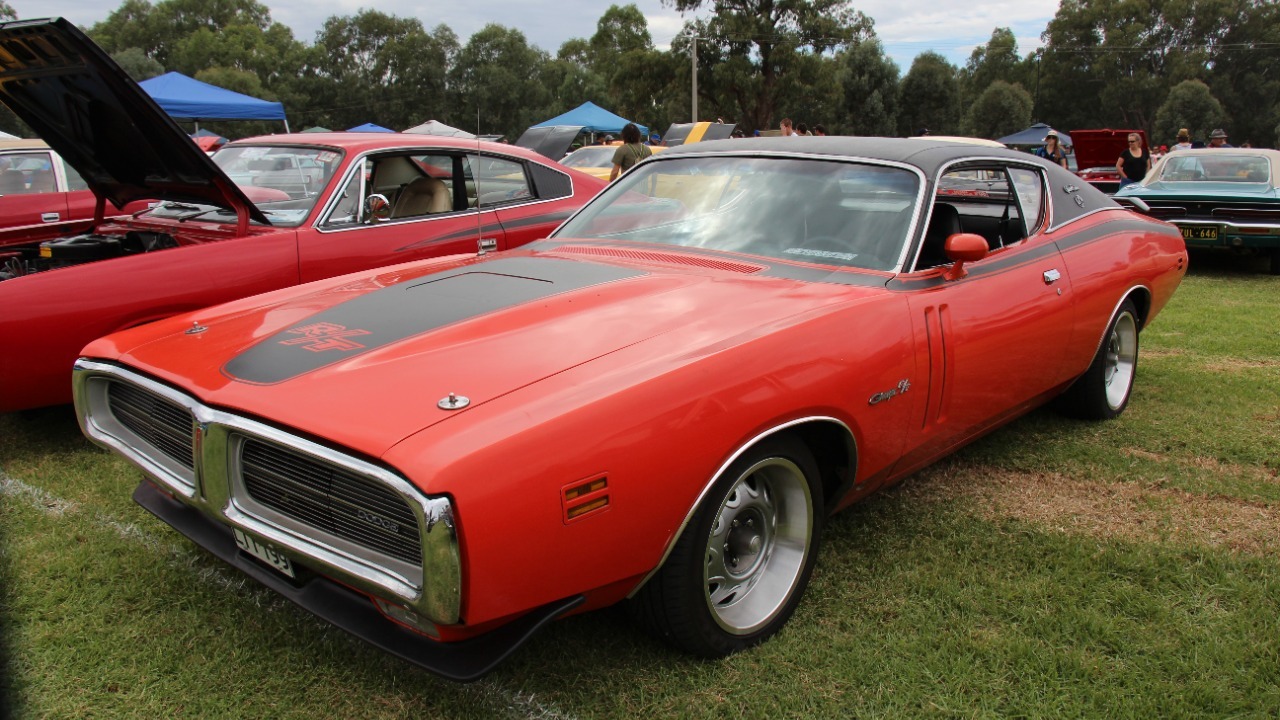
The 1971 Dodge Charger R/T remains an iconic symbol of the muscle car era. With a bold design and a powerful 440 cubic inch V8 engine, it offered unmatched performance and presence on the road. The Charger R/T’s aggressive styling and powerful performance made it a favorite among fans, further solidifying its place in automotive history.
This model’s popularity was amplified by its appearances in movies and television, becoming a cultural icon in its own right. The Charger R/T’s legacy continues to influence modern muscle cars, showcasing the timeless appeal of American performance vehicles.
1987 Buick GNX: The Turbocharged Revolution
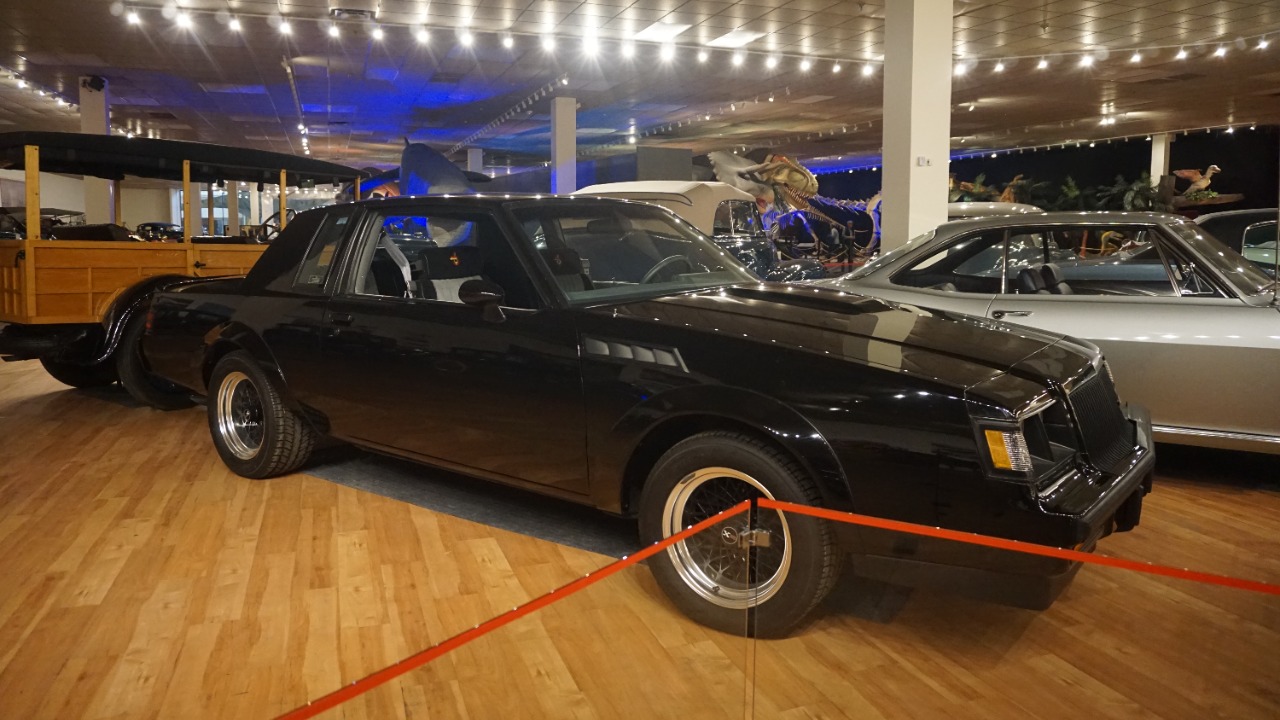
The 1987 Buick GNX was a groundbreaking vehicle that brought turbocharging to the forefront of muscle car performance. With a turbocharged 3.8-liter V6 engine producing 276 horsepower, it challenged the notion that muscle cars had to be V8-powered to be fast. The GNX’s performance capabilities, paired with its understated design, made it a sleeper hit.
This car’s innovative engineering and impressive performance on the road transformed the muscle car landscape during the late 1980s. Its rarity and performance have made it a sought-after model among collectors, representing a significant evolution in the muscle car narrative.
2003 Chevrolet Corvette Z06: Modern Muscle Unleashed
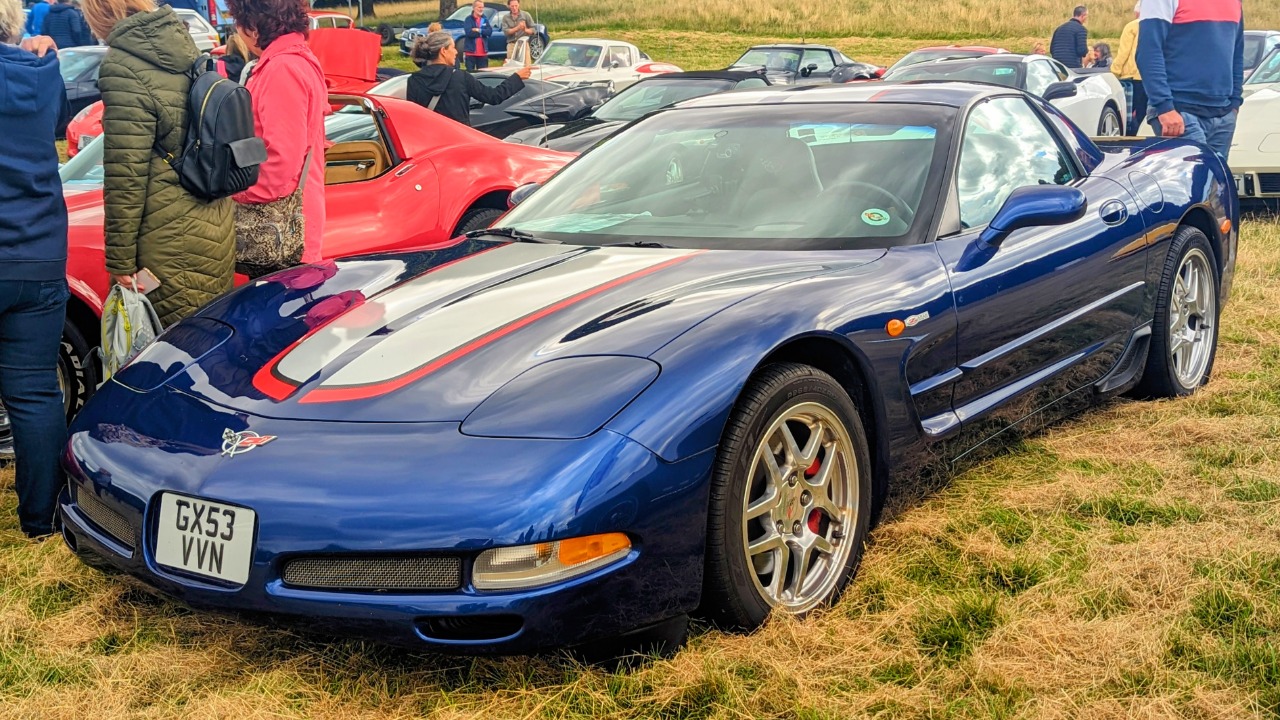
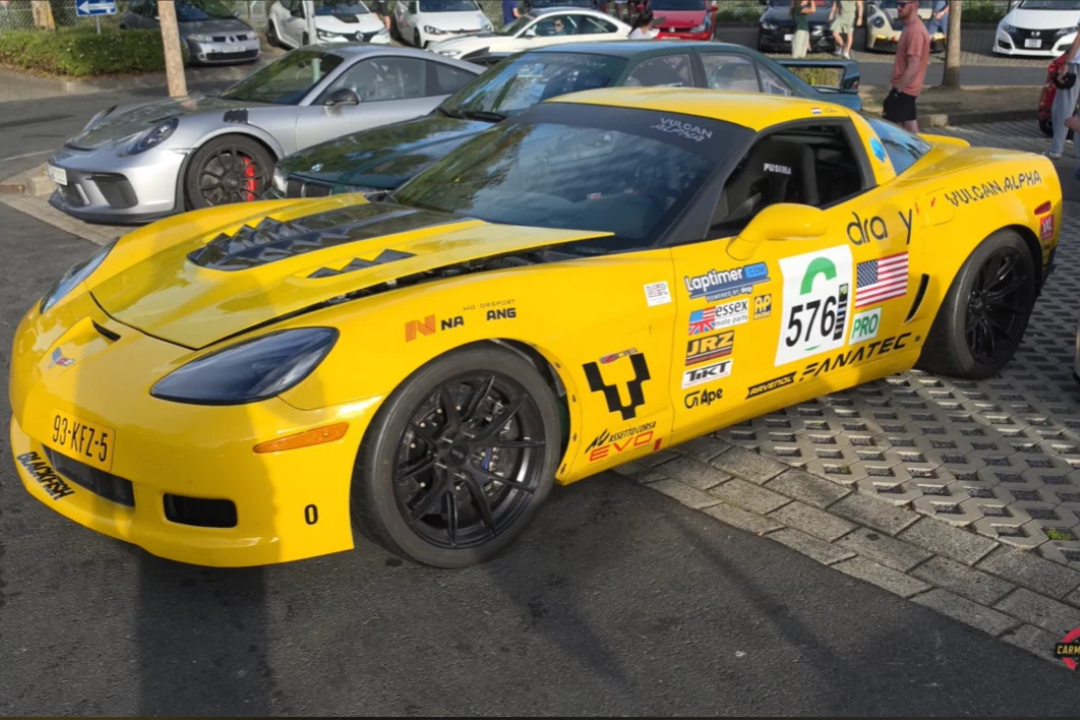
The 2003 Chevrolet Corvette Z06 marked a new era in muscle car performance by integrating cutting-edge technology with classic American muscle. With a 5.7-liter V8 engine producing 405 horsepower, it combined speed, handling, and modern engineering into one impressive package. The Z06 was designed to compete with European sports cars, showcasing that American muscle could hold its own on a global stage.
Its lightweight construction and advanced suspension system provided exceptional handling, making it a favorite among driving enthusiasts. The Z06 remains a testament to the evolution of muscle cars, proving that the genre can adapt and thrive in a changing automotive landscape.
More from Fast Lane Only
- Unboxing the WWII Jeep in a Crate
- 15 rare Chevys collectors are quietly buying
- 10 underrated V8s still worth hunting down
- Police notice this before you even roll window down
*Research for this article included AI assistance, with all final content reviewed by human editors.