Some cars just seem to leap ahead of their era, blending innovation with style in ways that leave a lasting impact. From groundbreaking designs to technological marvels, these vintage cars weren’t just ahead of their time—they were light-years ahead. Let’s take a journey through automotive history and celebrate twelve of these trailblazers.
1934 Chrysler Airflow

The 1934 Chrysler Airflow broke new ground with its streamlined design that prioritized aerodynamics, a concept not fully embraced by auto manufacturers until decades later. Its distinct teardrop shape was a bold departure from the boxy designs of its time. The Airflow’s engineering also included a more balanced weight distribution, contributing to superior handling and ride quality.
Unfortunately, the Airflow’s futuristic design wasn’t well-received by the public back then, leading to disappointing sales. Yet, it paved the way for future innovations and remains a beloved classic among car enthusiasts today. Its legacy continues as a testament to daring to be different.
1955 Citroën DS
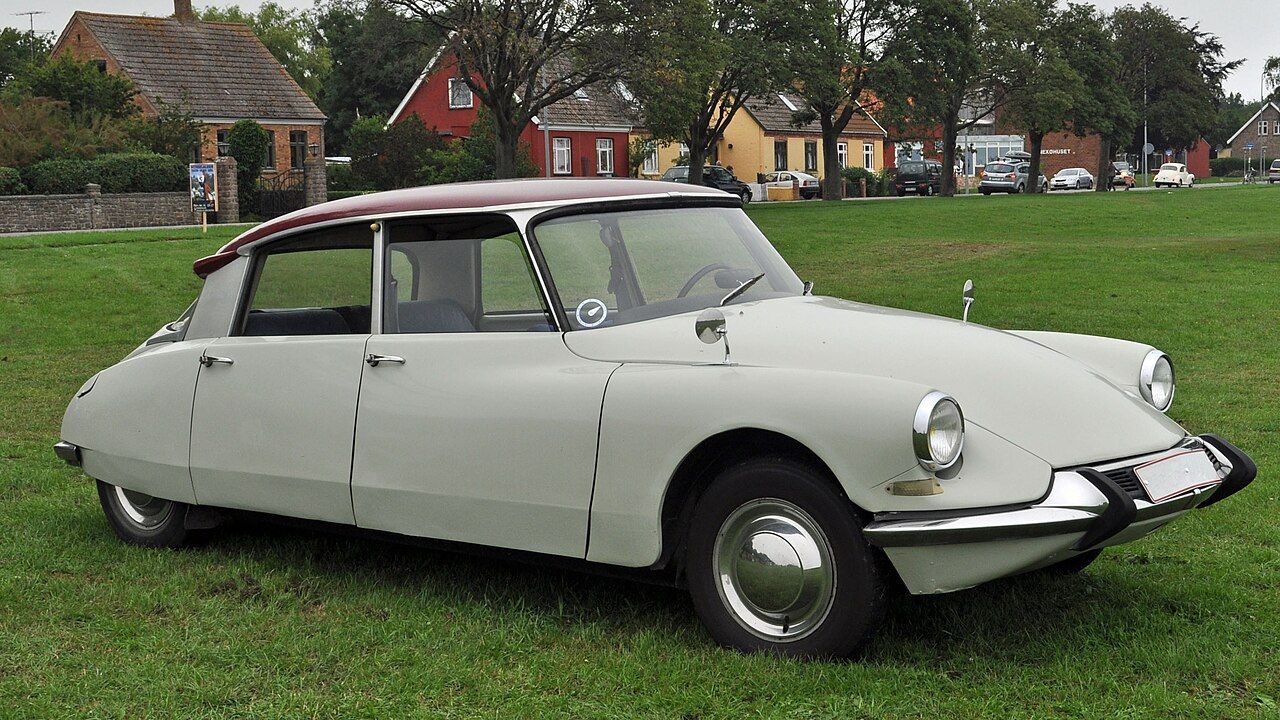
The Citroën DS was nothing short of revolutionary when it debuted in 1955. Known for its futuristic look and advanced technology, the DS featured a hydropneumatic suspension system that offered an exceptionally smooth ride. This car was also one of the first to include disc brakes, enhancing safety and control.
Aside from its technical marvels, the Citroën DS was a design icon. Its sleek, aerodynamic body and spacious interior were unlike anything on the road at the time. The DS wasn’t just a car; it was a vision of the future, and it left an indelible mark on the auto industry.
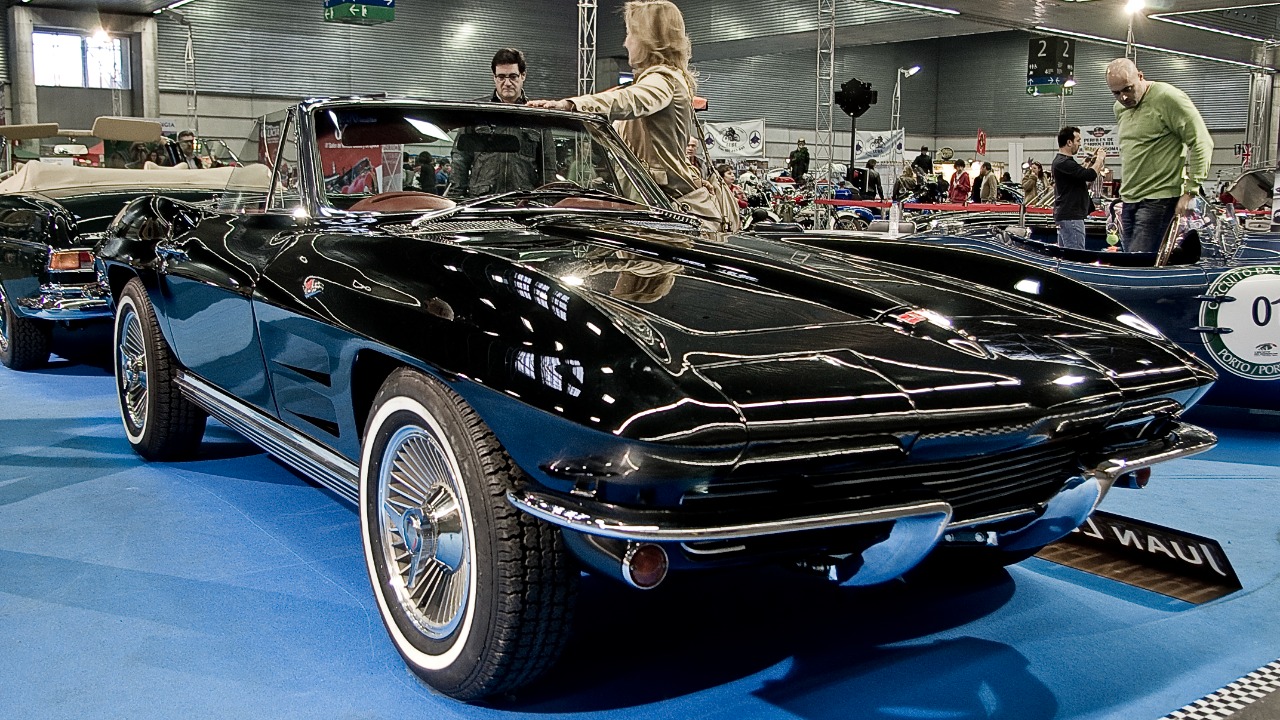
1963 Chevrolet Corvette Sting Ray

The 1963 Chevrolet Corvette Sting Ray is a prime example of American muscle blended with innovative design. Its split rear window, though controversial, is now iconic. The Sting Ray’s introduction of independent rear suspension was a game-changer, providing better handling and a more comfortable ride.
Underneath its striking exterior, the Sting Ray packed a punch with its powerful V8 engine options. This combination of style and performance made it a darling of car enthusiasts and cemented its place in automotive history. Even today, the 1963 Sting Ray remains a sought-after classic.
1966 Oldsmobile Toronado
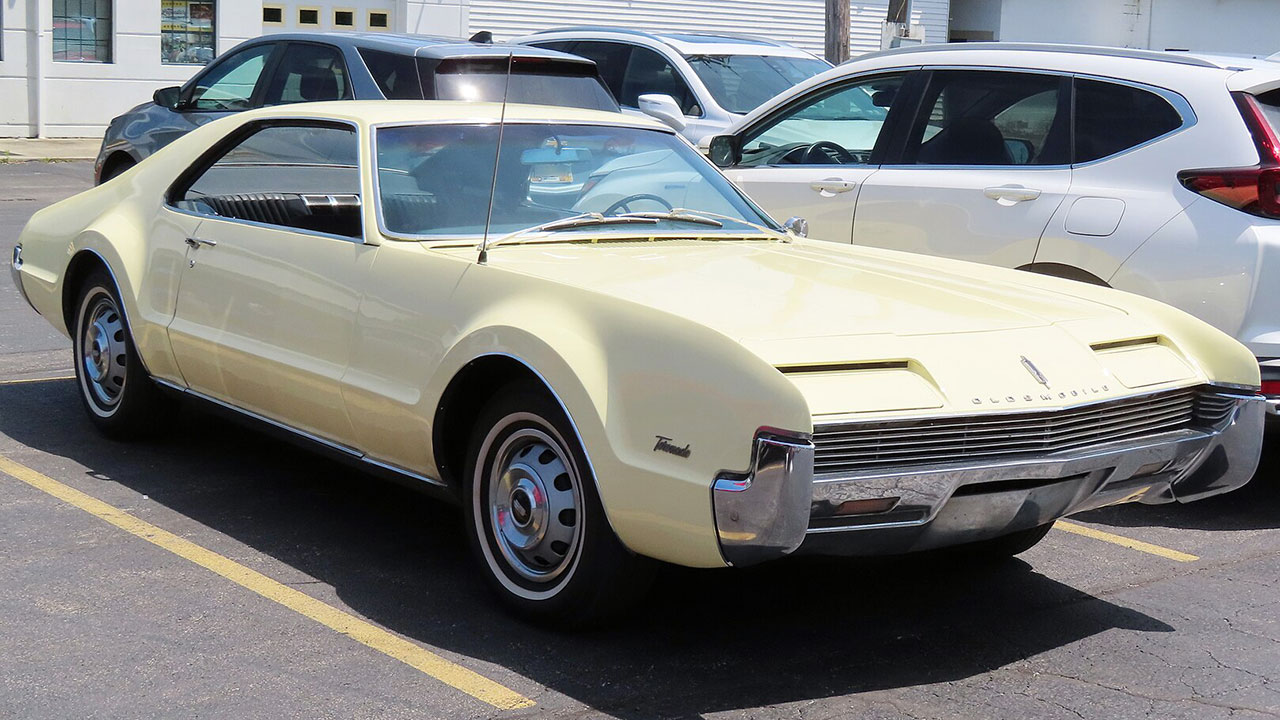
The 1966 Oldsmobile Toronado was a trailblazer as the first American front-wheel-drive car since the 1930s. Its innovative design was coupled with a robust 425 cubic inch V8 engine, delivering impressive power to the front wheels. This combination was a rarity in its time and set the stage for future developments in drivetrain technology.
Beyond its technical achievements, the Toronado boasted a bold and striking design. Its clean lines and aggressive stance were complemented by hidden headlights, adding an element of mystique. The Toronado proved that American cars could innovate in both form and function.
1967 NSU Ro 80
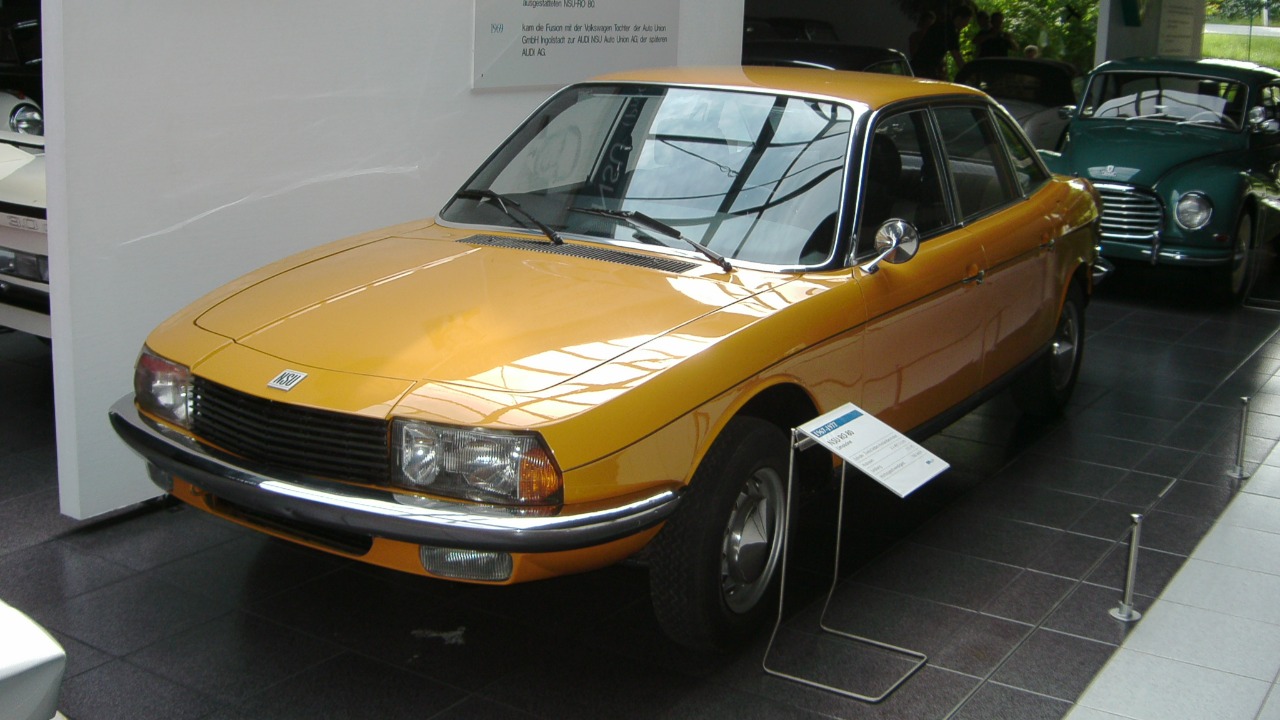
The NSU Ro 80 was a pioneering vehicle that introduced the world to the rotary engine, a radical departure from traditional piston engines. This German marvel was renowned for its smooth and powerful performance, thanks to its unique Wankel engine design.
In addition to its engine, the Ro 80 was ahead of its time with features like power-assisted steering and four-wheel independent suspension. Its sleek, aerodynamic styling was futuristic, capturing the imagination of many. Although the rotary engine had its challenges, the Ro 80 remains a symbol of innovation.
1970 Datsun 240Z
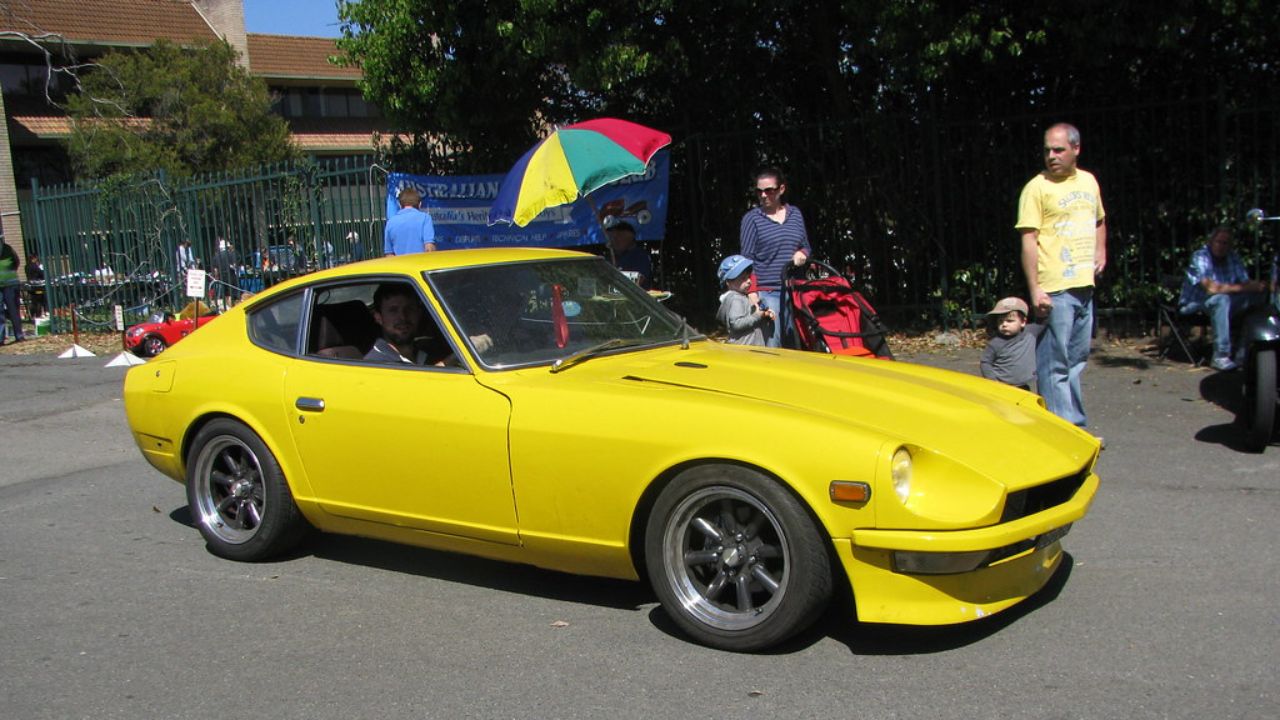
The Datsun 240Z made waves when it hit the market in 1970, offering sports car performance at an affordable price. Its sleek design and agile handling captured the hearts of driving enthusiasts, and it quickly became a bestseller.
Under the hood, the 240Z featured a robust inline-six engine, delivering power and reliability. This car set the stage for Japanese manufacturers to become serious contenders in the sports car market, and its influence can still be seen in modern cars today. The 240Z is a classic example of how to balance performance and affordability.
1974 Mercedes-Benz 450SEL 6.9
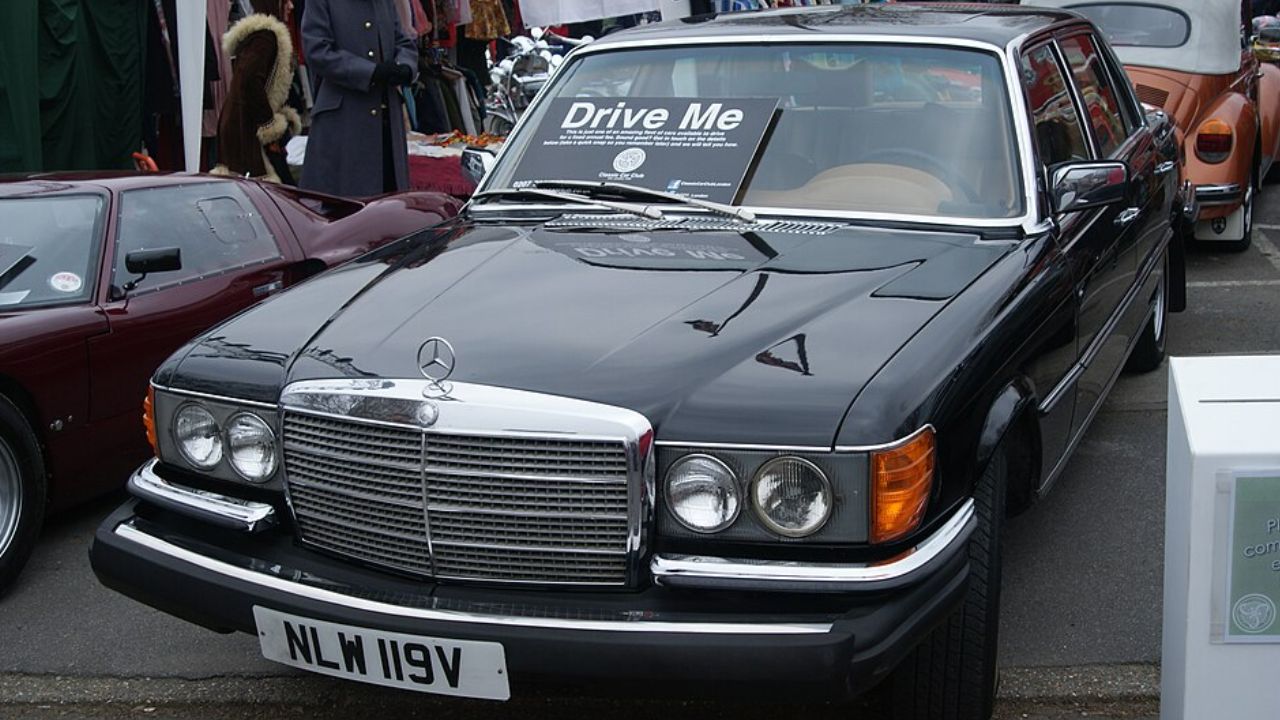
The Mercedes-Benz 450SEL 6.9, introduced in 1973, was a powerhouse of luxury and performance. As one of the fastest sedans of its time, it featured a massive 6.9-liter V8 engine that could propel the car to impressive speeds with ease.
In addition to its performance credentials, the 450SEL 6.9 was packed with luxury features, including advanced climate control and a hydraulic suspension system for a smooth ride. This combination of performance and comfort made the 450SEL 6.9 a benchmark for luxury sedans, a legacy that Mercedes-Benz continues to uphold.
1978 Saab 99 Turbo
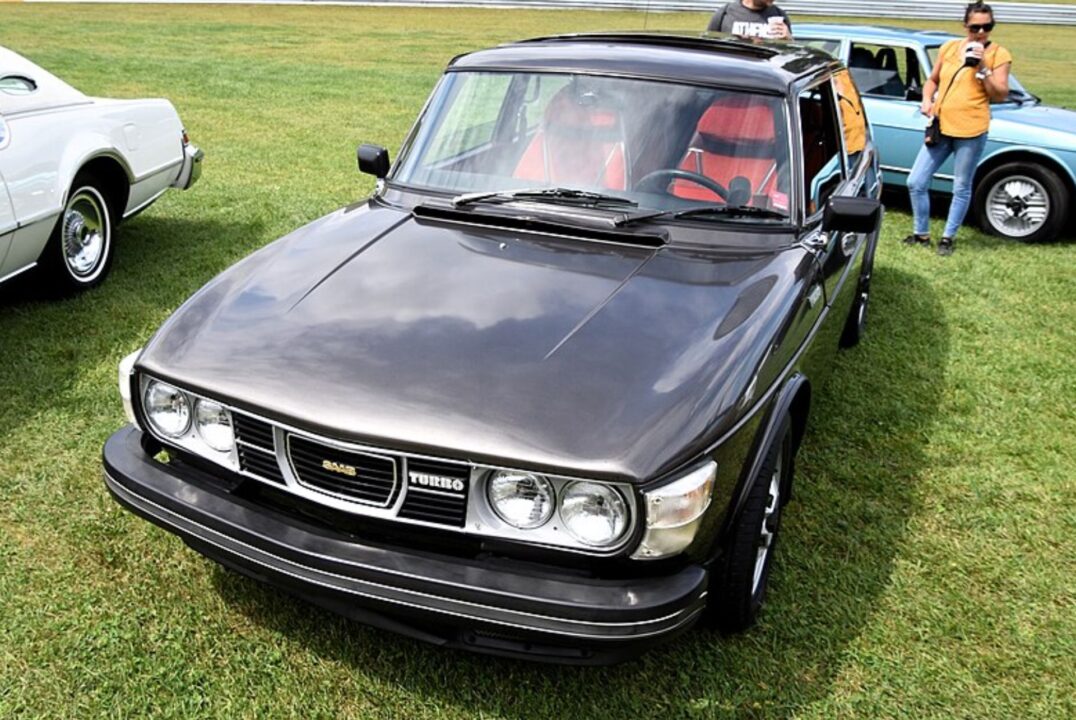
The Saab 99 Turbo was a game-changer when it appeared in 1978, marking the dawn of the turbocharged era in consumer vehicles. Its turbocharged engine delivered a significant boost in power, offering performance that rivaled many sports cars of its time.
Aside from its groundbreaking engine, the Saab 99 Turbo featured a distinctive Scandinavian design that set it apart from its peers. Its emphasis on safety and innovation helped establish Saab as a leader in automotive technology. The 99 Turbo paved the way for a new generation of performance-oriented cars.
1981 DeLorean DMC-12
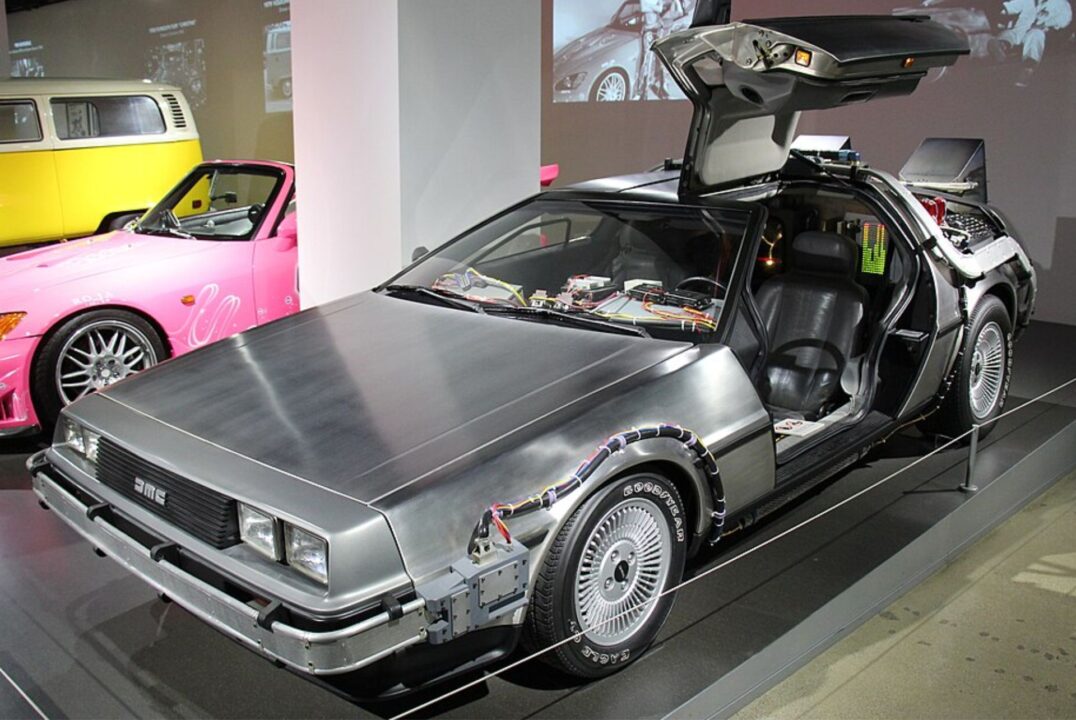
The DeLorean DMC-12 is perhaps best known for its iconic role in the “Back to the Future” films, but even without its Hollywood fame, it was a car ahead of its time. Its stainless steel body and gull-wing doors were unlike anything else on the road.
Despite its futuristic design, the DeLorean’s production was short-lived due to financial difficulties. However, its unique style and pop culture significance have made it an enduring symbol of innovation and creativity in the automotive world. The DMC-12 continues to capture the imagination of fans and collectors alike.
1984 Audi Quattro
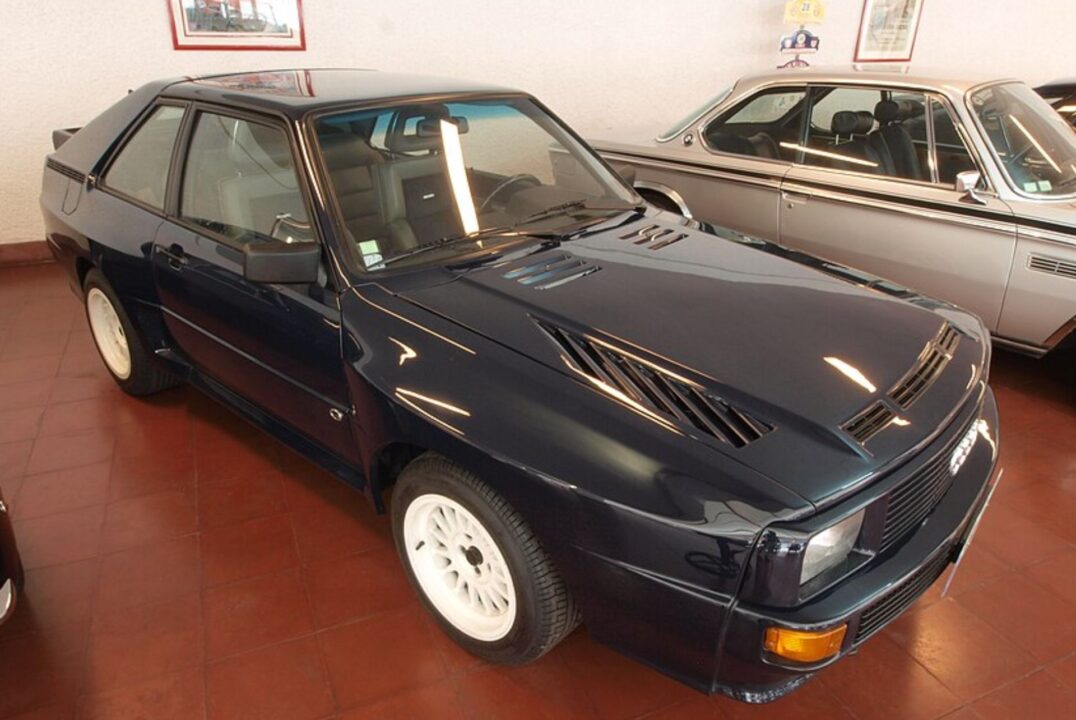
The 1984 Audi Quattro revolutionized rally racing and set a new standard for all-wheel drive systems in passenger cars. Its permanent AWD system provided unmatched traction and control, giving it a competitive edge in racing and everyday driving.
With its aggressive styling and turbocharged engine, the Quattro was a force to be reckoned with on and off the race track. It paved the way for the widespread adoption of AWD technology in performance vehicles and solidified Audi’s reputation as a leader in automotive innovation.
1987 Porsche 959
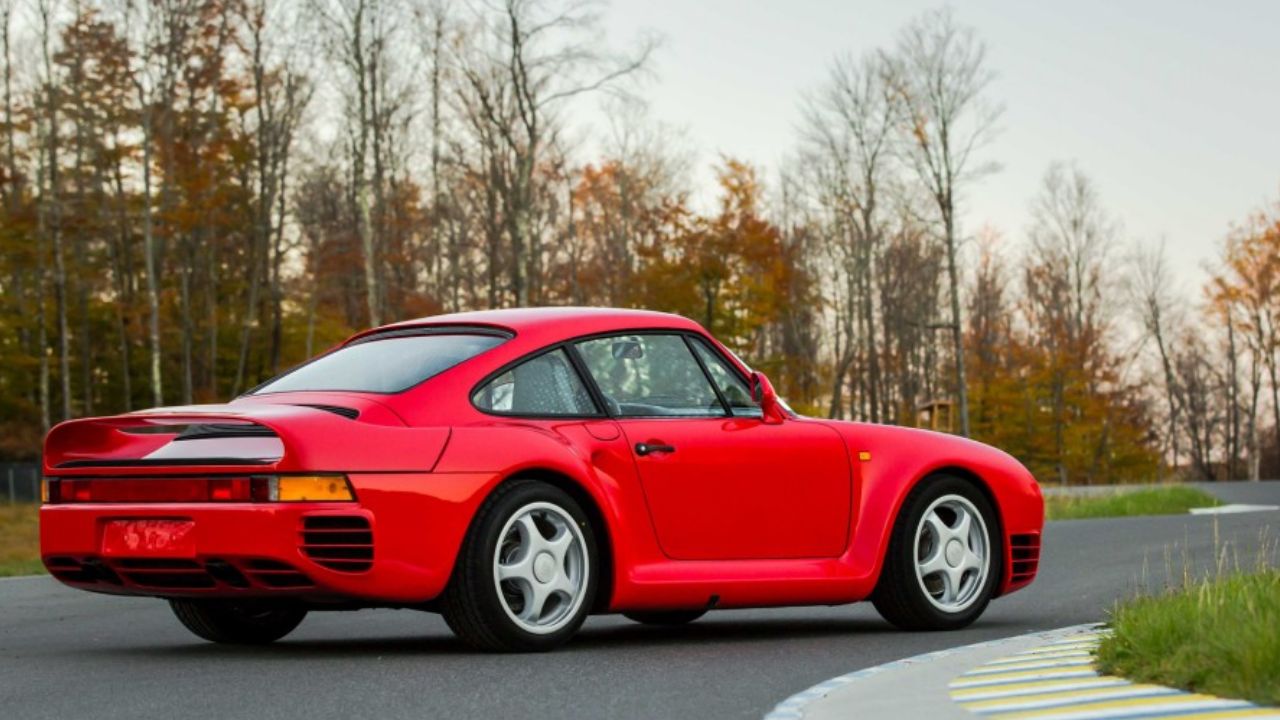
The Porsche 959 was a technological marvel when it debuted in 1987. Packed with cutting-edge features like an advanced all-wheel-drive system, adjustable suspension, and a twin-turbocharged engine, it was one of the fastest cars of its time.
Beyond its performance capabilities, the 959 was a showcase of Porsche’s engineering prowess. Its sleek design and high-tech features made it a dream car for many enthusiasts. The 959’s influence can still be felt in modern supercars, making it a timeless icon of automotive excellence.
1990 Lexus LS 400
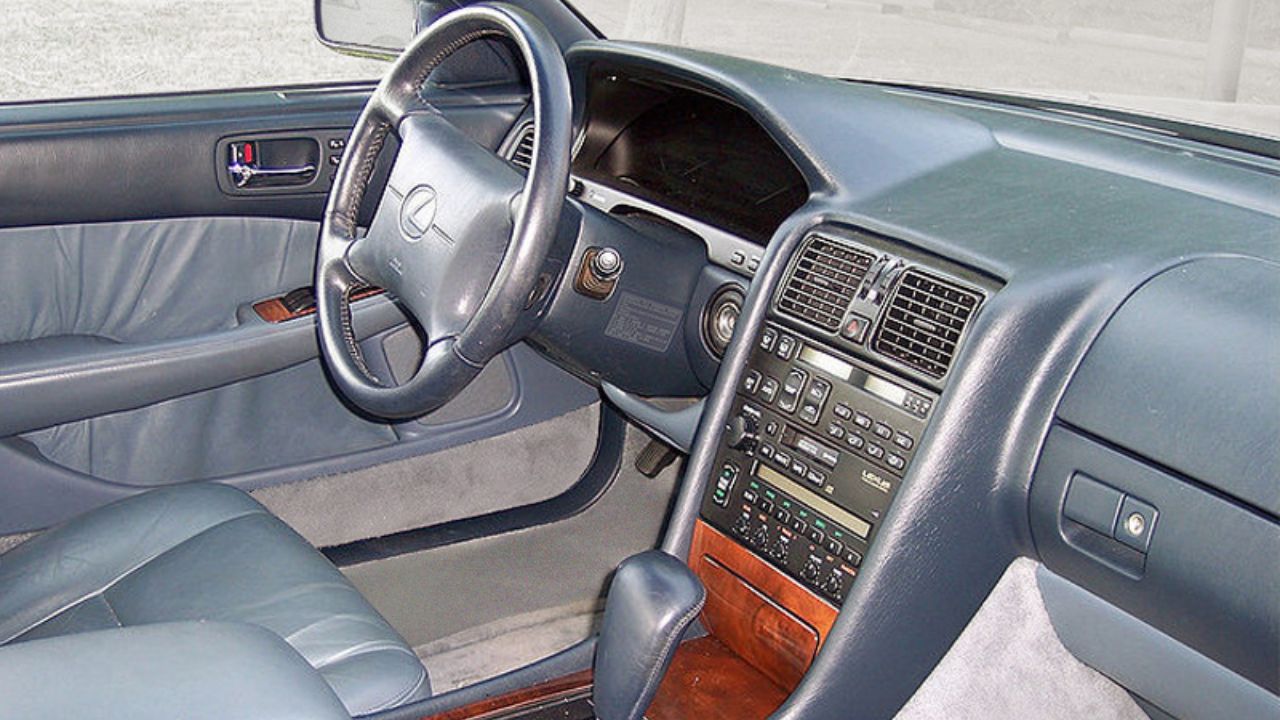
The Lexus LS 400 burst onto the scene in 1990, redefining what people expected from a luxury sedan. With its smooth V8 engine, exceptional build quality, and whisper-quiet cabin, it set new standards for refinement and comfort.
More than just a luxury car, the LS 400 was a statement from Toyota, challenging European dominance in the luxury market. Its success proved that Japanese manufacturers could compete at the highest levels, and it helped establish Lexus as a formidable player in the automotive world. The LS 400 remains a benchmark for quality and luxury.
More from Fast Lane Only