Once a pickup crosses 100,000 miles, you either breathe a sigh of relief or brace for ugly surprises. Owners in forums, comment threads, and reliability reports keep sharing stories of trucks that shocked them, for better or worse, after rolling past that mark. Here are 14 specific trucks and powertrains that show how dramatically your experience can change once the odometer hits six figures.
Ram 1500 5.7 Hemi (2017)

The 2017 Ram 1500 with the 5.7 Hemi has a split reputation once it passes 100,000 miles. One owner weighing a high mileage 1500 SLT said the only real worry was “cam lobes disappearing AND lifter failures,” calling that “literally the only complaint about the hemi” in a discussion about a truck already over 100k miles. That same thread, kicked off by a user named Huh and answered with “What are you talking about,” shows how polarizing this engine can be.
Some owners run these trucks hard for work and report solid reliability, which makes sudden valvetrain failure at high mileage feel like a betrayal. When Cam and AND get mentioned more than payload and towing, you know the engine has become the story. If you are shopping a 2017 Ram 1500 with similar mileage, your stake is simple: either you get a bargain long hauler or you inherit a looming top-end rebuild.
Ford F-150 3.5 EcoBoost (first generation)

The first generation 3.5 EcoBoost in the Ford F-150 is another engine that can shock you after 100,000 miles, especially if you believed early marketing about “V8 power with V6 economy.” In a high mileage discussion, Jordan Hannah pushed back on claims that the EcoBoost is unreliable, saying They are often blamed just because “turbo chargers go bad,” while the real problems can be deeper, like “chipped valves cracked valves” on high mileage engine examples.
Those kinds of failures tend to show up right when you expect a modern truck to settle into middle age. Instead of routine maintenance, you might be facing a teardown or replacement long before you planned. For owners who tow or tune their trucks, the stakes climb even higher, since extra heat and boost can push a tired 3.5 over the edge just past the 100,000 mile mark.
Chevrolet Silverado 1500 (mixed reliability)

The Chevrolet Silverado 1500 is a classic full-size truck, yet long term reliability stories are all over the map. One owner said, “Maybe I spend too much time on Reddit and am too cynical, but I feel like it’s closer to only 50% (maaaybe 60% at best) of trucks” that avoid major problems, arguing that some model years “can’t even be trusted anymore” in a thread about probability of failure.
That 50% to 60% confidence range is a long way from the bulletproof image many buyers expect when they sign a long loan. When you add reports of a Consumer Reports reliability score of 13/100 for some Chevrolet Silverado configurations, as cited in a lemon law overview, the risk of big repairs after 100,000 miles becomes more than just online drama.
Earlier Dodge Cummins 2500

Image Credit: Earlier Dodge Cummins 2500 – CC-BY-SA-2.0-DE / Wiki Commons
Earlier Dodge heavy duty trucks with a Cummins diesel have an almost mythic status for engine longevity, which makes their weak point after 100,000 miles even more surprising. Enthusiasts in one discussion flatly stated that “Earlier Dodge trucks with a Cummins diesel are known for destroying transmissions,” especially when owners turn up the power or tow heavy loads, as described in a thread about common issues.
That mismatch, a long lasting Cummins paired with a fragile automatic, means you can hit 100,000 miles feeling confident in the engine yet be one hard tow away from a transmission rebuild. For you as a buyer, the shock is not that something failed, but that the legendary drivetrain has such a clear Achilles’ heel. A pre purchase inspection focused on shift quality and fluid condition becomes essential.
Ford F-150 5.4 Triton (2004–2008)

The 5.4 Triton powered Ford F-150 from 2004 to 2008 is notorious for turning the 100,000 mile mark into a financial cliff. One reliability guide warns that problematic years like 2004 to 2006 often fail before 100,000 miles due to catastrophic engine problems, and stresses that “Engine choice” matters when you buy used, as explained in a breakdown of model years to.
Another buyer guide that answers “Which Ford F150 years should I avoid?” singles out 2004 to 2008 because of spark plug ejection issues with the 5.4L, problems that often surface as mileage climbs and threads weaken, according to Which Ford F150. If you own one past 100,000 miles, each tune up can feel like a gamble between routine service and a cylinder head repair.
Ford F-150 4.6 Modular V8

The 4.6 Modular V8 in older Ford trucks is often praised for durability, yet some long term reports tell a different story. A detailed engine guide lists the 1991 to 1998 4.6L Modular among the “Worst Ford Engine Years to Avoid,” grouping it with the 5.4L Triton and 5.0L Coyote as designs that can develop serious issues as they age, according to a summary of Worst Ford Engine.
By the time one of these trucks reaches 100,000 miles, timing chain wear, oil leaks, and valvetrain noise can stack up, especially if maintenance was spotty. For you as a used buyer, that means a truck that looks clean and runs fine on a short test drive might hide expensive engine work just a few thousand miles down the road. The label Avoid in that context is not about fear, it is about budgeting.
Ford F-150 5.0 Coyote (early years)

The 5.0 Coyote V8 is a favorite among enthusiasts, but early truck versions have their own surprises after 100,000 miles. The same engine guide that calls out the Modular and Triton families also lists the 2011 to 2014 5.0L Coyote among engines to watch, pointing to valve train and oil consumption issues that can appear as mileage piles up, as described in the engine reliability list.
Owners who bought these trucks for their rev happy character sometimes find themselves topping off oil between changes or chasing ticking noises once they pass the six figure mark. That can feel jarring when you expected a modern V8 to sail past 200,000 miles without drama. If you are considering a high mileage Coyote F-150, a compression test and oil analysis can be cheap insurance.
Jeep Gladiator (2020 redesign)

The Jeep Gladiator, especially the 2020 redesign, shows how comfort issues can become the big surprise after 100,000 miles, even if the drivetrain survives. One reliability roundup said, “But the Gladiator, redesigned in 2020, suffers from ‘clumsy’ handling and loud highway driving noise,” citing feedback from Consumers Reports on ride and noise.
Those traits tend to get worse, not better, as suspension bushings wear and hard top seals age. So when your Gladiator finally crosses 100,000 miles, you might be shocked less by a breakdown and more by how tiring it feels on a long highway drive. For owners who expected a Wrangler with a bed to double as a quiet commuter, the trade off becomes clear over time.
Chevrolet Colorado (redesigned generation)

The redesigned Colorado has become a cautionary tale for midsize truck shoppers who plan to keep their rigs well past 100,000 miles. A recent reliability comparison said the Colorado is “one of the lowest-scoring trucks” in current tables and even mentioned that a 2025 ranking gave it the worst score in the truck segment, according to a breakdown of the Colorado reliability.
When a truck starts low on the reliability charts, the odds of trouble only increase as miles climb. By the time you reach 100,000 miles, you could be juggling electrical quirks, drive system issues, and suspension wear that rivals much older trucks. For buyers who wanted a smaller, simpler alternative to a full size pickup, that kind of track record can be a rude awakening.
Nissan Titan (2020)

The 2020 Nissan Titan has drawn skepticism from at least one experienced mechanic who does not trust it to last, which raises obvious questions about its behavior past 100,000 miles. In a used truck breakdown, the Nissan Titan appeared on a short list of models that an expert would avoid for long term ownership, citing concerns about value and durability in the mechanic’s warning.
If a technician who sees high mileage trucks every day would not bet on a Titan to go the distance, that should give you pause before buying one already deep into six figures. The shock for some owners comes when they realize resale values lag behind rivals, which can compound the sting of any major repair that hits after the warranty is long gone.
Toyota Tacoma (Positive Surprise)
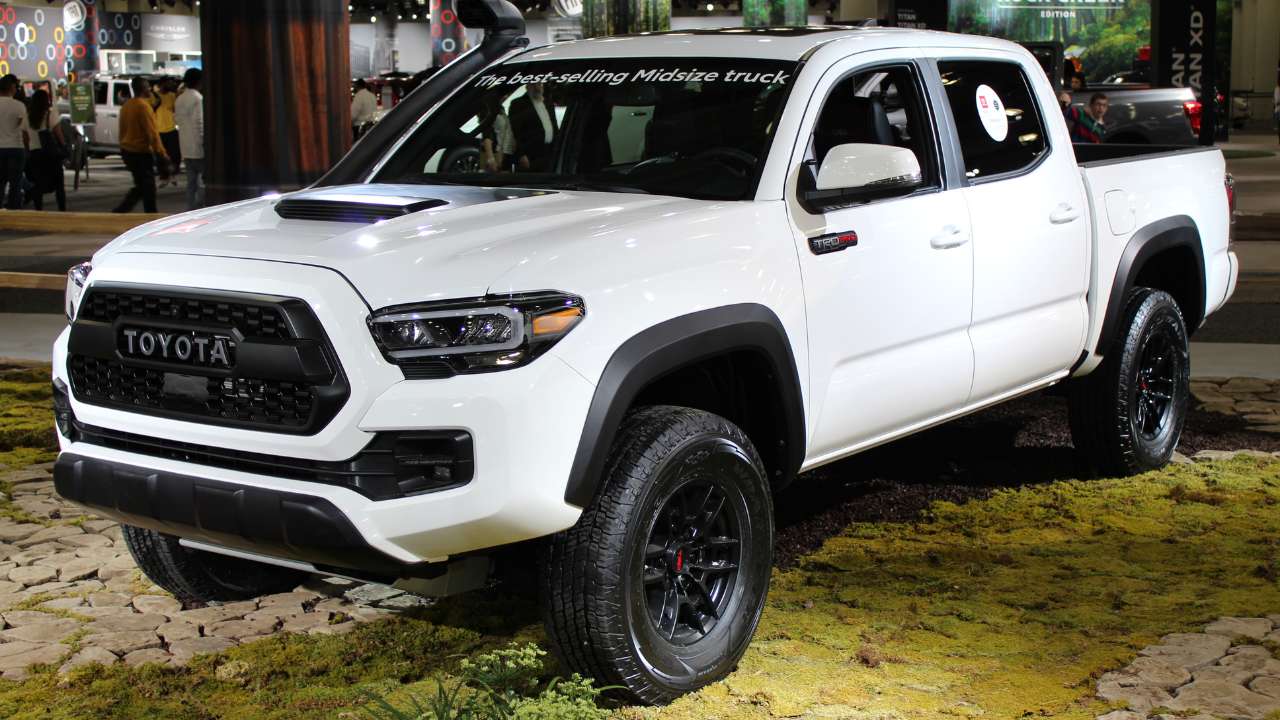
Many owners expect pickup reliability to drop after 100,000 miles, but Tacoma drivers often report the opposite: trucks that still feel tight and capable long after crossing six figures. Steering remains confident, engines stay strong, and everyday usability rarely fades.
Instead of expensive breakdowns, the pleasant surprise is how few days these trucks spend in the shop. For owners focused on durability and resale value, that continuing confidence up past six figures can turn a worry into a selling point.
Honda Ridgeline (Comfort Holds Up)
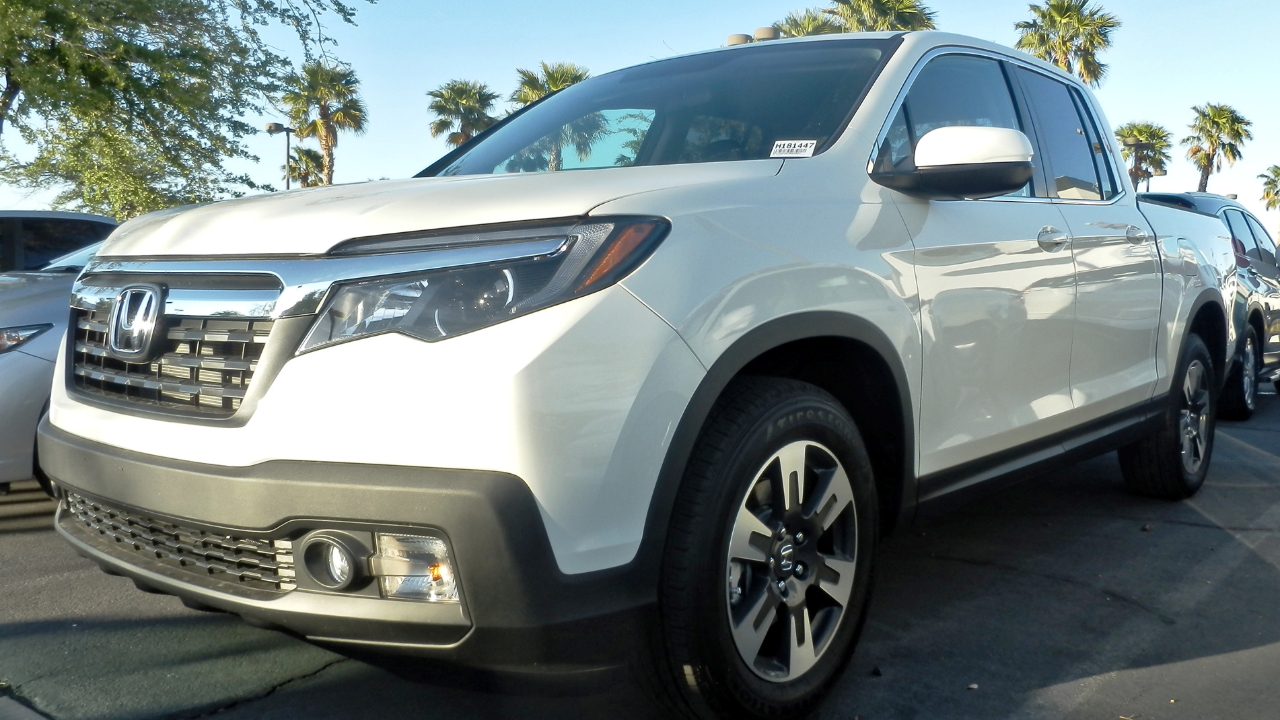
Some buyers assume a pickup will feel worn and tired after heavy daily use, yet Ridgeline owners frequently report that the ride remains smooth and civilized even after 100,000 miles. Seats stay supportive, and suspension wear seems lighter than expected.
That comfort surprise often offsets the lower hauling numbers. Instead of a noisy, worn-out truck feel, many high-mile Ridgelines continue delivering SUV-like refinement that shocks people who expected a rougher ride at this age.
GMC Sierra 1500 5.3 V8 (2014–2018)

The 2014–2018 GMC Sierra 1500 equipped with the 5.3-liter V8 often surprises owners after 100,000 miles because of Active Fuel Management concerns. Some drivers report lifter failures or excessive oil consumption appearing right as the truck moves into high mileage territory.
What shocks many owners is how inconsistent the experience can be. Some trucks run smoothly well past six figures with routine maintenance, while others develop valvetrain noise or misfires that require expensive repairs. After 100,000 miles, the Sierra can feel either dependable or financially unpredictable.
Toyota Tundra 5.7 V8 (2007–2019)

The Toyota Tundra with the 5.7-liter V8 has built a reputation for durability, but it still manages to surprise owners after 100,000 miles. Many report that the engine, transmission, and drivetrain continue operating with minimal drama, even under heavy towing use.
The real shock often comes from what does not fail. Instead of major engine repairs, owners more commonly deal with suspension wear, brake components, and cosmetic aging. Compared to rivals, the Tundra frequently turns six figures into a milestone rather than a warning sign.
More from Fast Lane Only