Muscle cars weren’t just about horsepower—they were statements. Born in an era when Detroit wasn’t shy about putting serious power on the street, these machines rewrote what an American car could be. They weren’t subtle, and that was the point.
This list isn’t just about what was fast or loud—it’s about cars that actually shifted the culture. The ones that turned driveways into drag strips, showed up in movies, dominated showrooms, and still get talked about decades later. These 15 muscle cars didn’t follow trends—they set them, and the impact is still felt today.
1964 Pontiac GTO
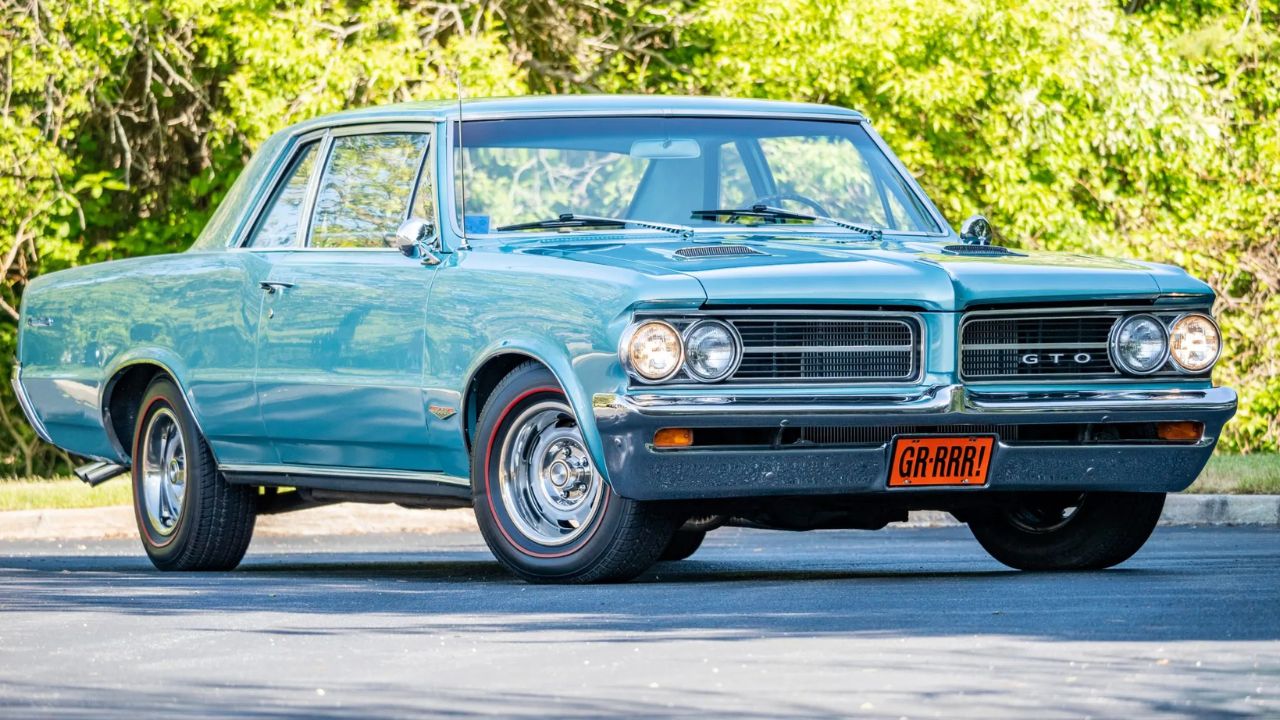
The 1964 GTO didn’t invent muscle, but it made it mainstream. Pontiac stuffed a 389 V8 under the midsize Tempest, offering up to 348 hp with tri-power carbs. That move practically kickstarted the factory muscle car wars.
It wasn’t flashy inside—basic bucket seats, minimal gauges—but it got the job done. The GTO’s real magic was in how it mixed raw power with something you could daily drive. No frills, just speed and street presence. GM didn’t officially sanction it at first, but that didn’t stop it from changing everything.
1970 Dodge Challenger R/T

By 1970, Dodge was late to the pony car party, but the Challenger R/T came out swinging. You could spec it with a 426 HEMI, 440 Six Pack, or the 383 Magnum—each delivering serious torque. Suspension was beefed up with heavy-duty torsion bars and rear leafs.
The cabin leaned more upscale than most—woodgrain trim, rally gauges, and high-back vinyl buckets. It was Mopar’s answer to both Mustang and Camaro, and it nailed the vibe. Wide stance, long hood, short deck—it looked mean standing still and backed it up on the strip.
1969 Chevrolet Camaro Z/28
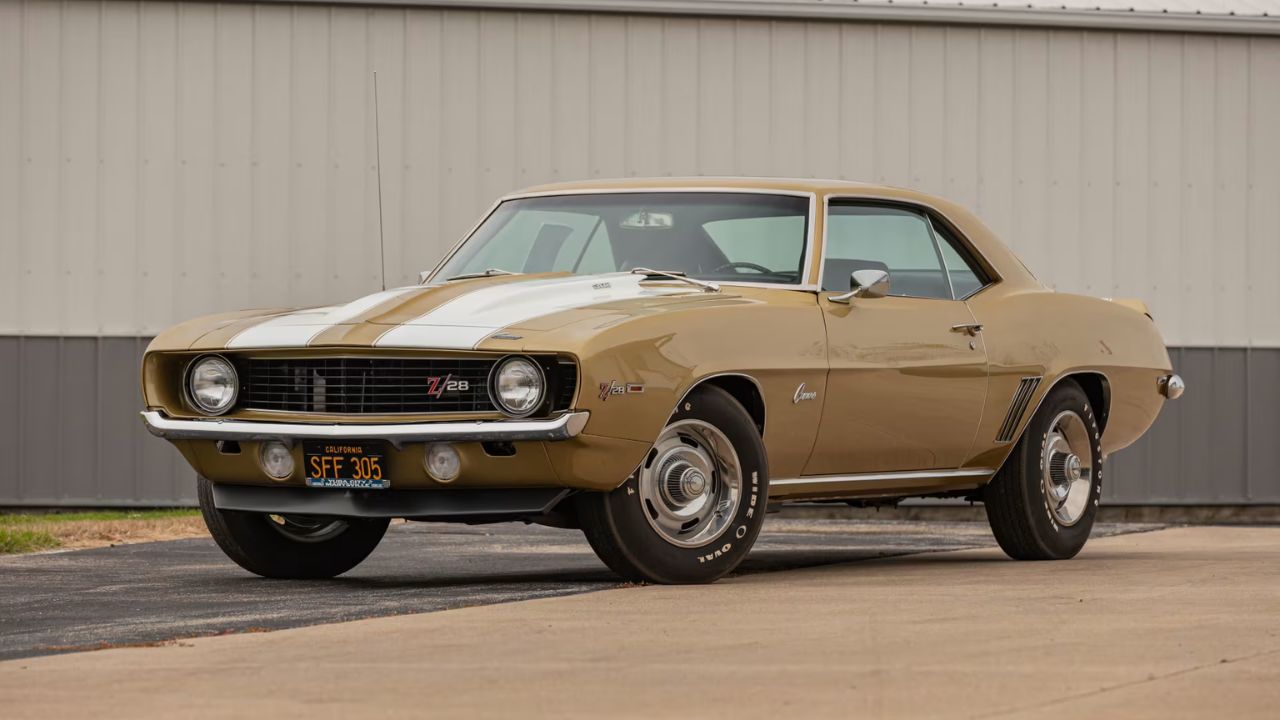
The ’69 Z/28 wasn’t the fastest Camaro, but it might be the most iconic. It came standard with a high-revving 302 V8 built for SCCA Trans-Am rules—290 hp on paper, more like 350+ in reality.
It had quick-ratio steering, a close-ratio 4-speed, and firm suspension that could hang in corners. Interior was tight but focused—console-mounted tach, bolstered buckets, and an optional cowl-induction hood. The Z/28 showed muscle could handle as well as it hauled. Clean lines, hidden headlights, and RS/SS options made it a visual knockout too.
1971 Plymouth HEMI ‘Cuda

The ’71 HEMI ‘Cuda was the loudest statement Plymouth ever made. With its 426 HEMI putting down 425 hp and 490 lb-ft of torque, it was barely street legal. Paired with either a heavy-duty 4-speed or TorqueFlite auto, it was brutal off the line.
The look matched the power—shaker hood, cartoonish fender gills, quad headlights, and billboard stripes. The suspension used staggered shocks and a beefy rear end to keep it planted. Inside, it had muscle with attitude—rally dash, woodgrain, and Hurst shifter. Only a few hundred were built, making it a rare beast even back then.
1970 Chevrolet Chevelle SS 454
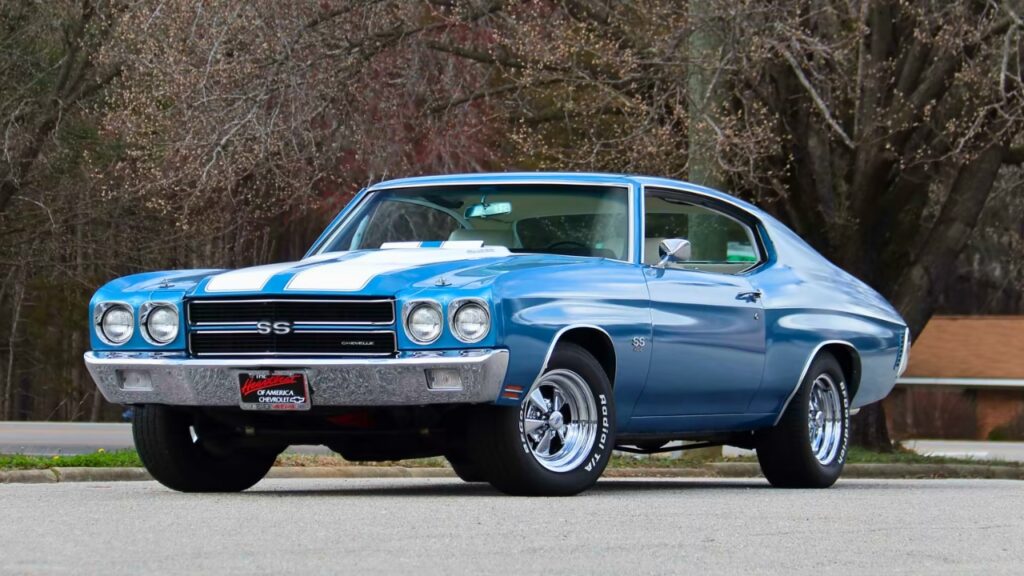
The 1970 Chevelle SS 454 LS6 was GM’s big-block king. Its 454-cubic-inch V8 cranked out 450 hp and 500 lb-ft of torque, making it the most powerful production muscle car of the era. It ran low 13s bone stock, which was no joke in 1970.
Underneath, it had F41 suspension—heavier springs, thicker sway bars, and boxed rear arms. The cowl induction hood fed fresh air into the monster engine. Interiors were roomy and clean, with a horseshoe shifter and optional tach dash. It wasn’t subtle—but subtle wasn’t the point.
1965 Shelby GT350
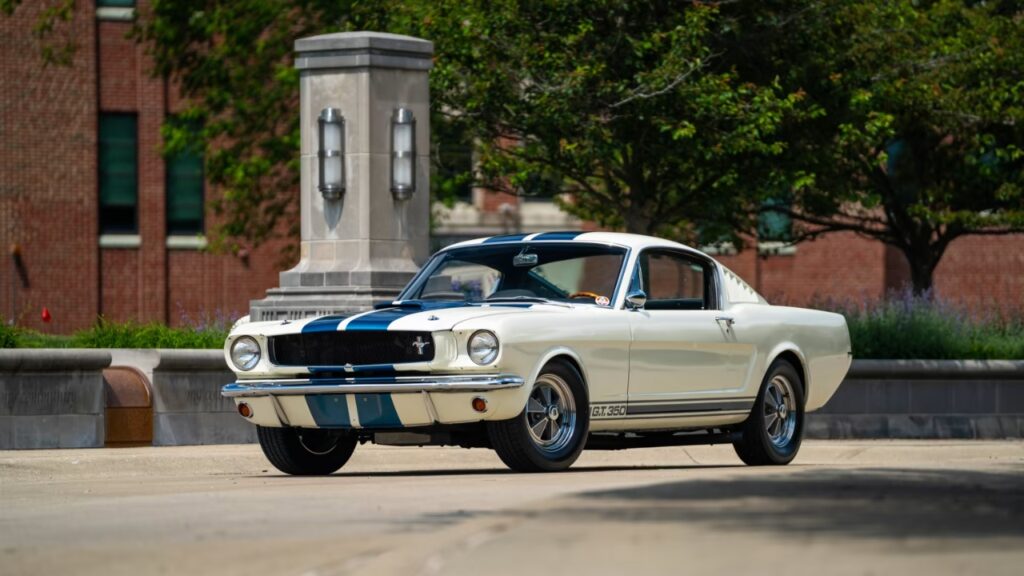
The ’65 GT350 was Carroll Shelby’s street-legal race car. Ford sent him bare-bones Mustangs, and he transformed them with a high-strung 289 V8 making 306 hp, stiff Koni shocks, and stripped interiors with just the essentials—bucket seats, roll bar, and gauge cluster.
It was all function. Fiberglass hood, side-exit exhaust, and no back seat in early models. The GT350 wasn’t built for comfort—it was about track performance. It cornered flat, braked hard, and barked like a race car. This car set the tone for what a factory hot rod could be.
1977 Pontiac Firebird Trans Am
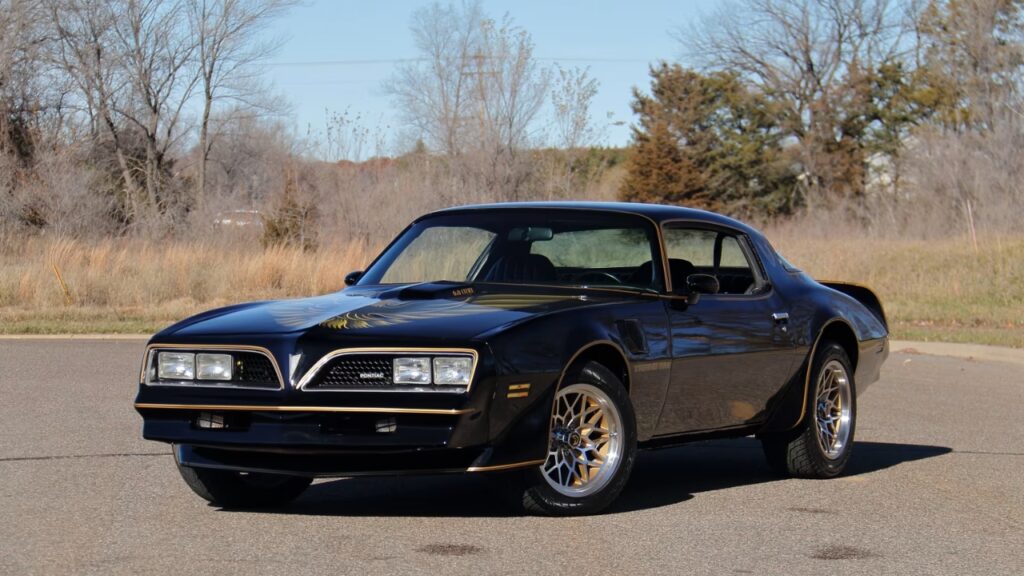
The ’77 Trans Am didn’t just ride the wave of Smokey and the Bandit—it was the wave. With its 6.6-liter V8 (either Pontiac’s 400 or Olds’ 403), shaker scoop, and stiffer FE2 suspension, it offered more style than raw speed, but the presence was undeniable.
The handling was sharp for the era thanks to tighter steering and front sway bars. Inside, it had a sporty vibe—machine-turned dash, rally gauges, and those high-back seats. The black-and-gold Special Edition model became an icon. By the late ’70s, this was the muscle car that survived.
1970 Buick GSX Stage 1
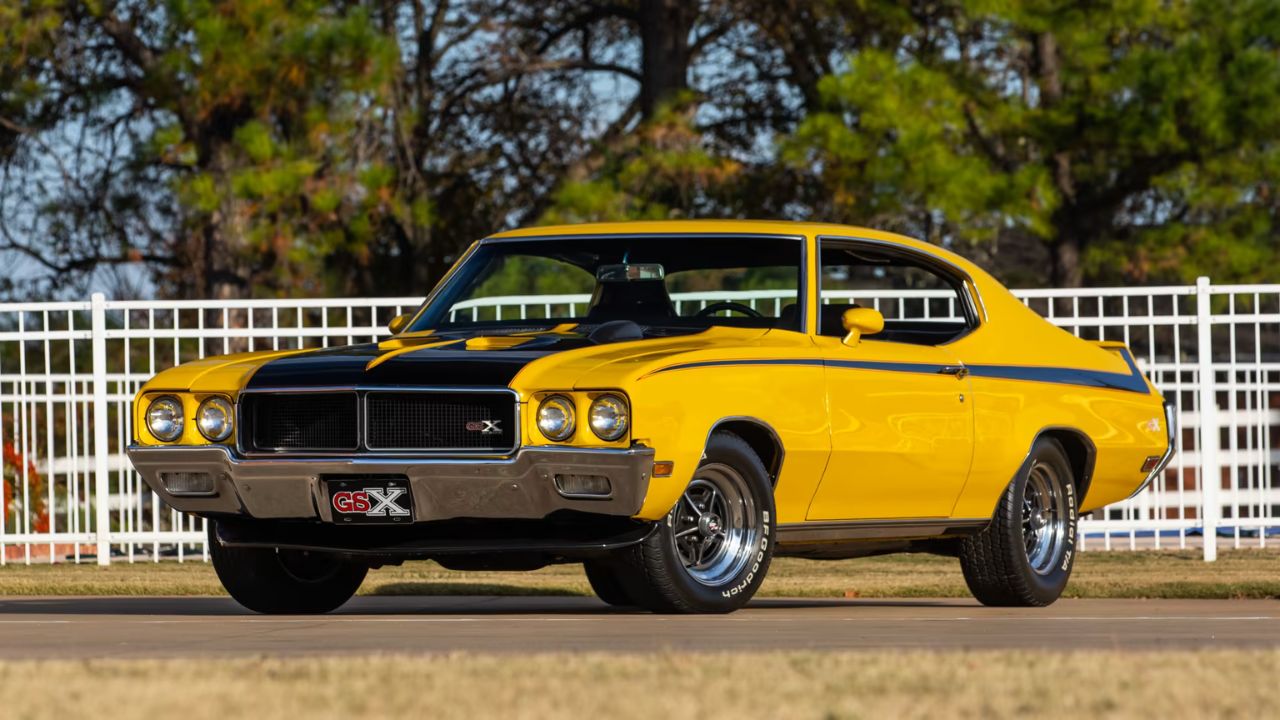
The GSX Stage 1 was Buick’s way of saying, “We can do muscle, too.” Its 455 V8 with Stage 1 upgrades made 510 lb-ft of torque—the highest of any muscle car at the time. Officially rated at 360 hp, it was quicker than most gave it credit for.
It came standard with heavy-duty suspension, sway bars, and a 3.64 rear axle. The GSX package added wild graphics, a rear spoiler, and a hood tach. Inside, it was all Buick—plush buckets, wood trim, and quiet ride insulation. Muscle didn’t have to be bare-bones, and this proved it.
1968 Dodge Charger R/T
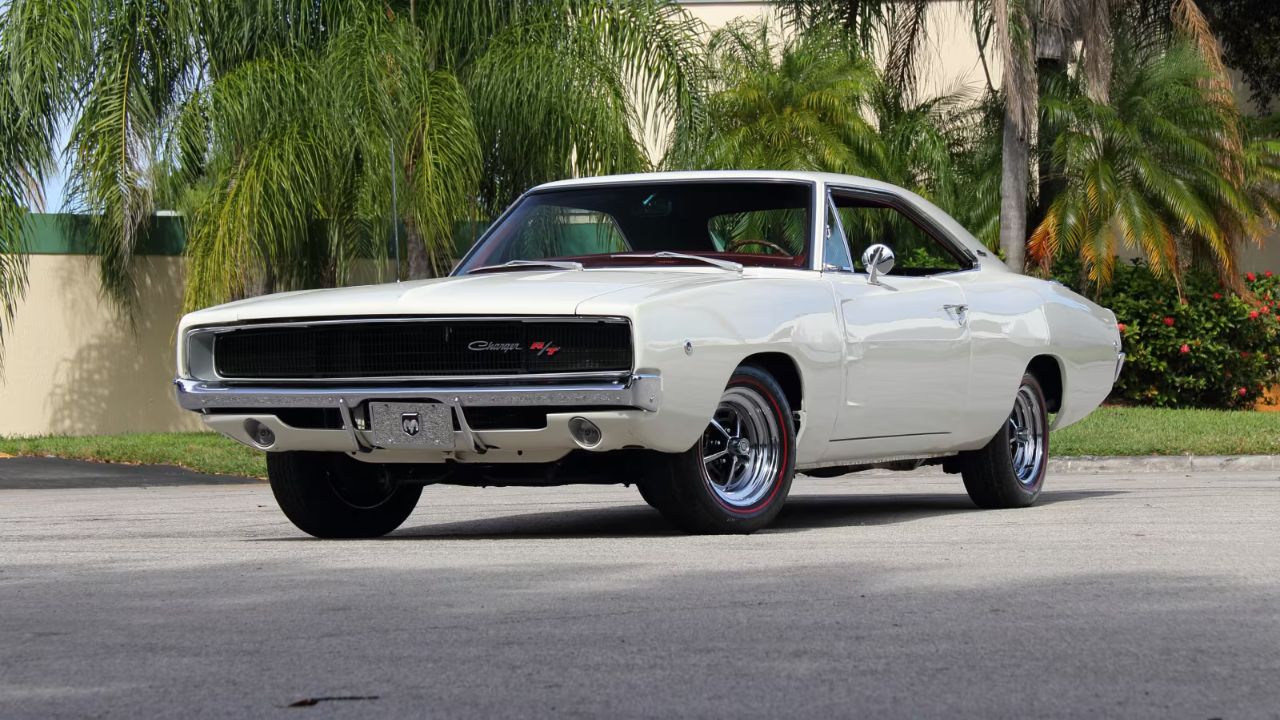
The 1968 Charger R/T hit the sweet spot—fast, mean, and unmistakably Mopar. Its 440 Magnum made 375 hp, with an optional 426 HEMI for those who wanted overkill. It came with heavy-duty suspension, front disc brakes, and torsion bars up front.
The styling changed the game—hidden headlights, flying buttress roof, and that wide Coke-bottle shape. Interiors had rally-style gauges, optional wood trim, and a floor shifter that felt right at home. It wasn’t just fast—it had presence. And after Bullitt, everyone knew exactly what a Charger sounded like at full throttle.
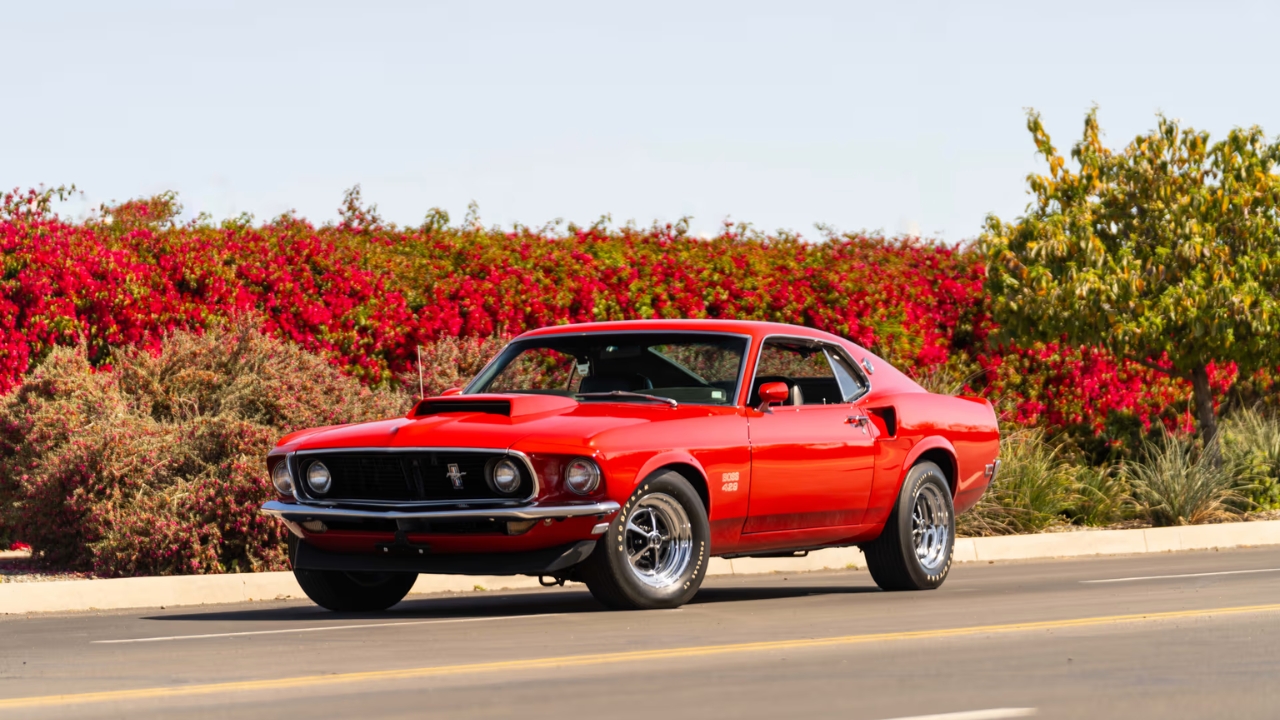
1969 Ford Mustang Boss 429
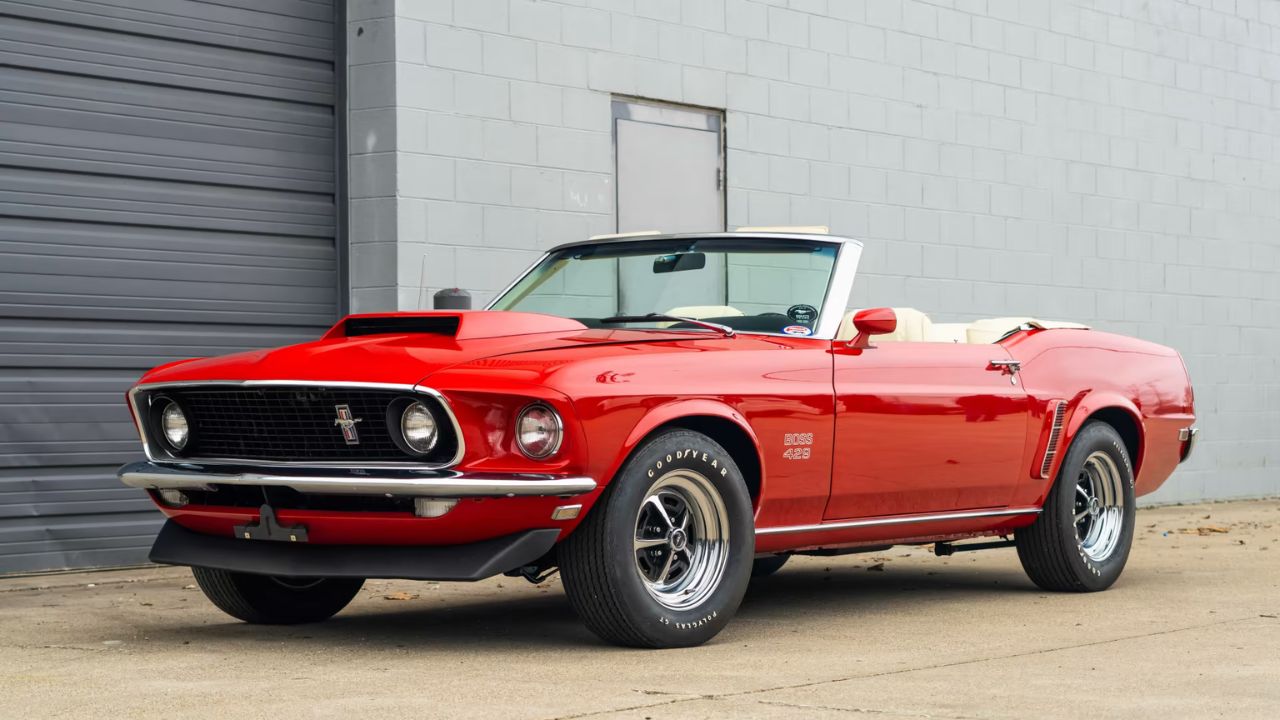
The Boss 429 was built for NASCAR, but Ford had to homologate it. So they shoehorned a semi-hemi 429-cubic-inch V8 into a Mustang fastback. Officially rated at 375 hp, real output was closer to 500. It was a torque monster built to run hard.
Ford sent cars to Kar Kraft for modification—new shock towers, beefed-up suspension, and staggered rear shocks. It handled better than expected for a nose-heavy brute. Interiors were clean and all-business—bucket seats, minimal chrome, and a big hood scoop leading the charge. It was never about mass appeal—this one was all muscle.
1973 AMC Javelin AMX
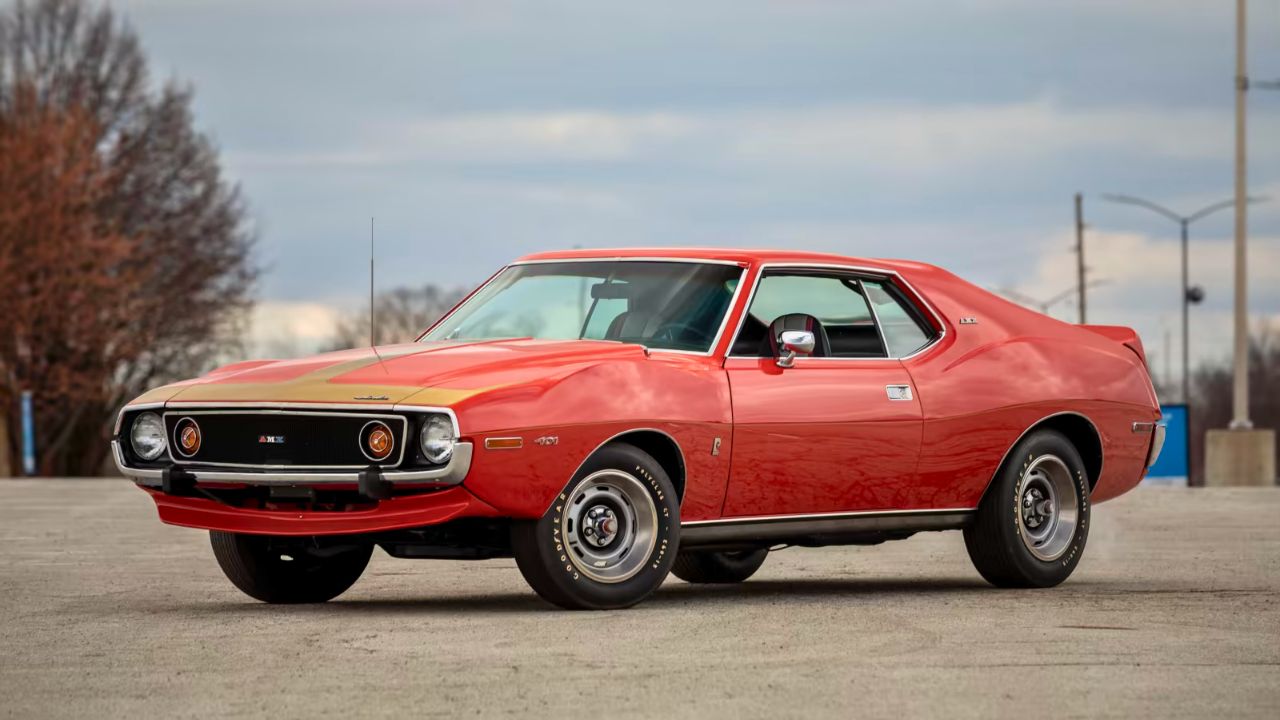
AMC’s Javelin AMX was always the underdog, but by 1973, it came into its own. The 401-cubic-inch V8 made 255 net hp—not huge by early ’70s standards, but solid in a post-regulation world. It had a long nose, flared fenders, and a raked stance that looked fast even parked.
Suspension was firm but compliant—front torsion bars and rear leafs with optional handling upgrades. The interior had deep buckets, full gauges, and a wraparound dash that felt more cockpit than cabin. It was different in all the right ways, and it gave AMC real muscle car credibility.
1971 Oldsmobile 442 W-30
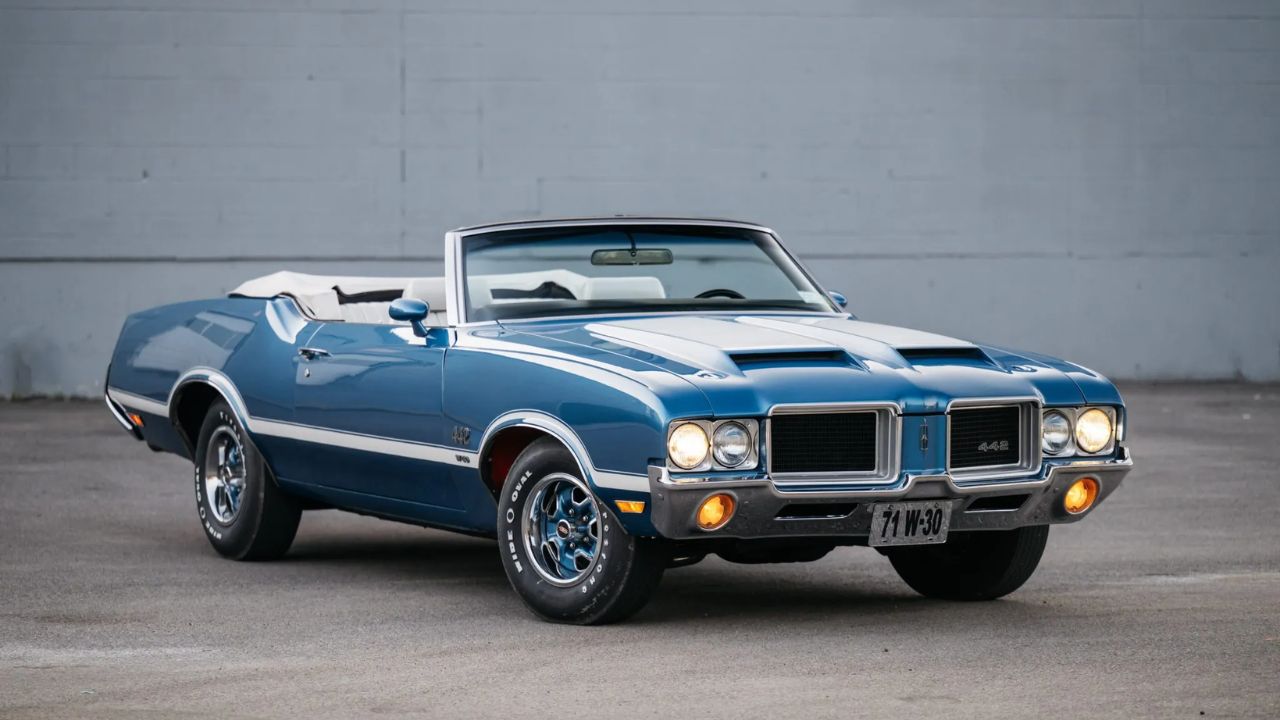
The 1971 442 W-30 wasn’t just fast—it was refined muscle. Powered by a 455 V8 with Force Air induction, it made a stout 350 hp and 460 lb-ft. The W-30 package included a performance cam, aluminum intake, and functional scoops.
Ride quality was a step up thanks to firmer springs, boxed lower control arms, and front/rear sway bars. Inside, it leaned upscale—wood-trim dash, Strato bucket seats, and a floor console with Hurst shifter. It had the bite to match the bark and carried a level of polish most muscle cars skipped over.
1967 Mercury Cougar XR7 GT
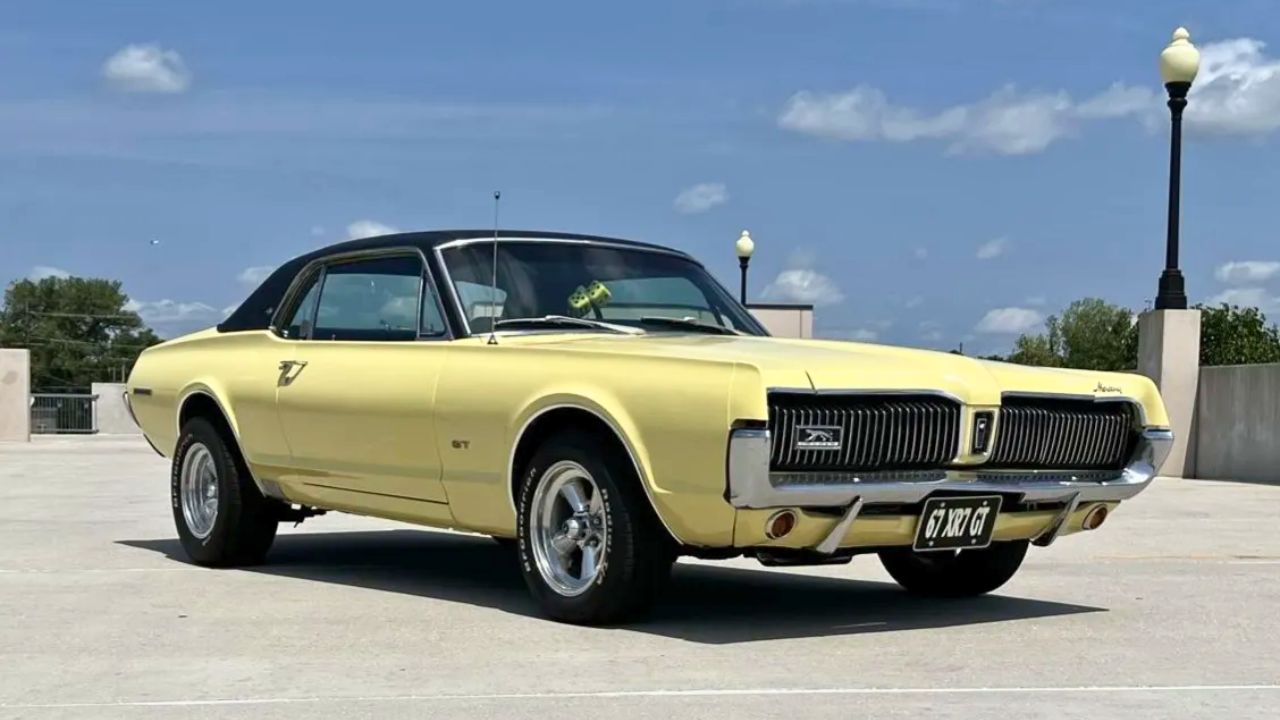
The Cougar XR7 GT bridged the gap between muscle and luxury. Under the hood, the optional 390 GT V8 made 320 hp—enough to move the slightly heavier chassis with real urgency. The suspension shared DNA with the Mustang but had a smoother ride.
What set the Cougar apart was its interior—leather bucket seats, toggle switches, and full instrumentation came standard with the XR7 trim. It looked more European inside than Detroit. Hidden headlights and sequential taillights gave it serious curb appeal. It was Ford’s grown-up muscle, and it nailed the balance.
1970 Ford Torino Cobra
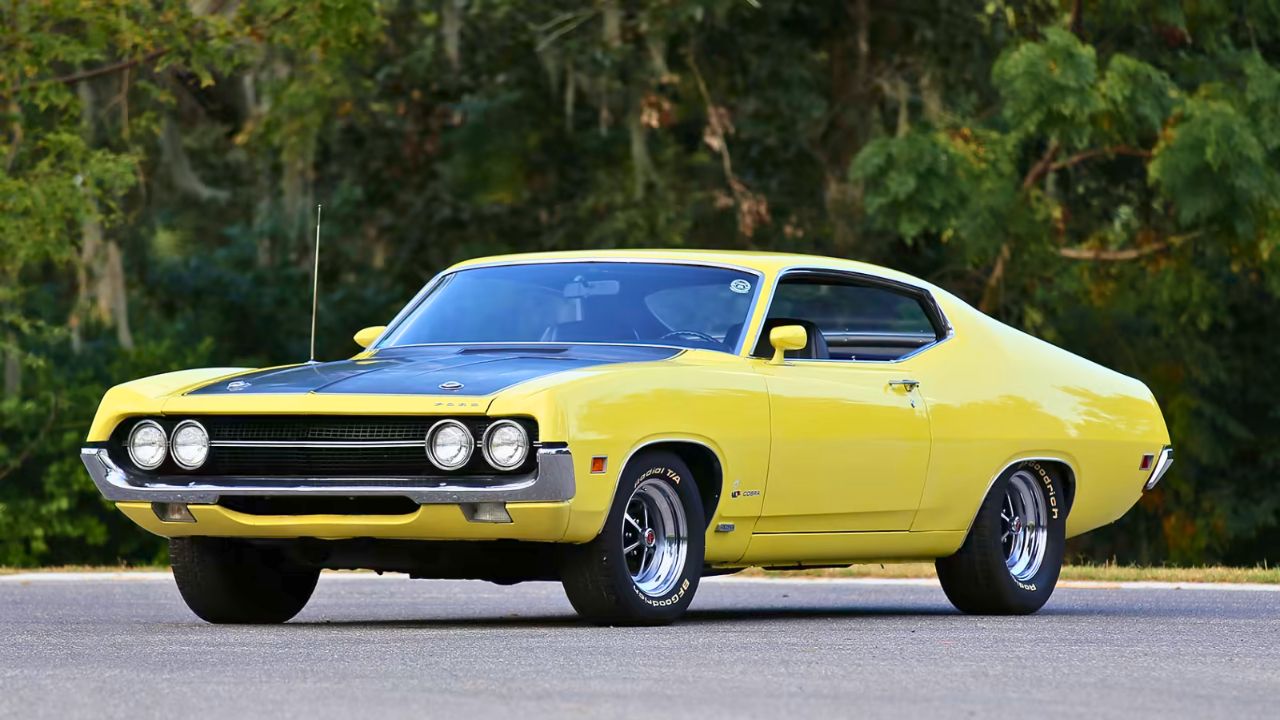
The Torino Cobra wasn’t flashy—it just did the job. The 429 Cobra Jet engine pushed 370 hp, or more with the optional Ram Air. It had a rugged Toploader 4-speed and 3.50 or steeper gears that made it feel rowdy off the line.
Ford gave it competition-grade suspension—firm springs, heavy-duty shocks, and front disc brakes. Inside, it was basic but tough—vinyl buckets, floor shifter, and an optional tach. The Cobra wasn’t chasing pony car glamour. It was a full-size muscle machine built for straight-line speed and big-block bravado.
1971 Chevrolet Monte Carlo SS 454

The ’71 Monte Carlo SS 454 blurred the lines between muscle car and personal luxury coupe. It packed the LS5 454 V8 with 365 hp and a wall of torque, tied to a Turbo 400 auto and 3.31 rear end. It was smooth, but it moved.
Suspension tuning focused on ride comfort, but you could option F41 components for more grip. The interior was borderline plush—woodgrain accents, high-back seats, and enough insulation to feel a step above the Chevelle. It proved you could have big-block power without giving up creature comforts.
Like what you read? Here’s more by us:
*Created with AI assistance and editor review.