The 1970s weren’t exactly golden years for performance—gas shocks and emission rules dimmed the muscle-car spotlight. Yet amid the turmoil, automakers were still producing vehicles that turn heads today.
From rally royalty to fiberglass supercars, these ten icons survived the decade’s challenges. Despite fuel shortages and stricter regs, each one earned a place on our modern roads—and in our collective memories.
Lotus Esprit (S1)
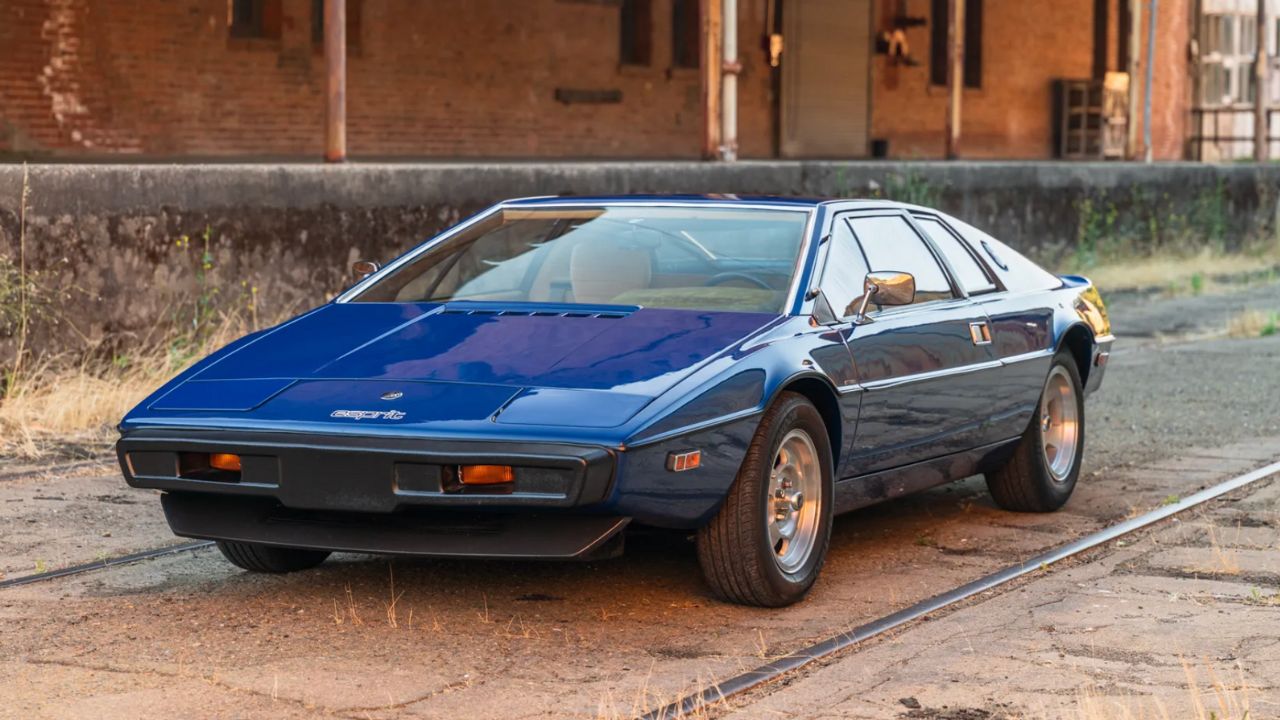
When it launched in 1976, the Esprit stunned with its fiberglass wedge body and stiff chassis. Backed by a 2.0 L inline-4 producing roughly 160 hp in Europe, it weighed just 1,984 lb.
While early models had some fit-and-finish issues, they offered cornering ability few rivals could match—proof that Lotus wanted driving feel over headline power.
Renault 5
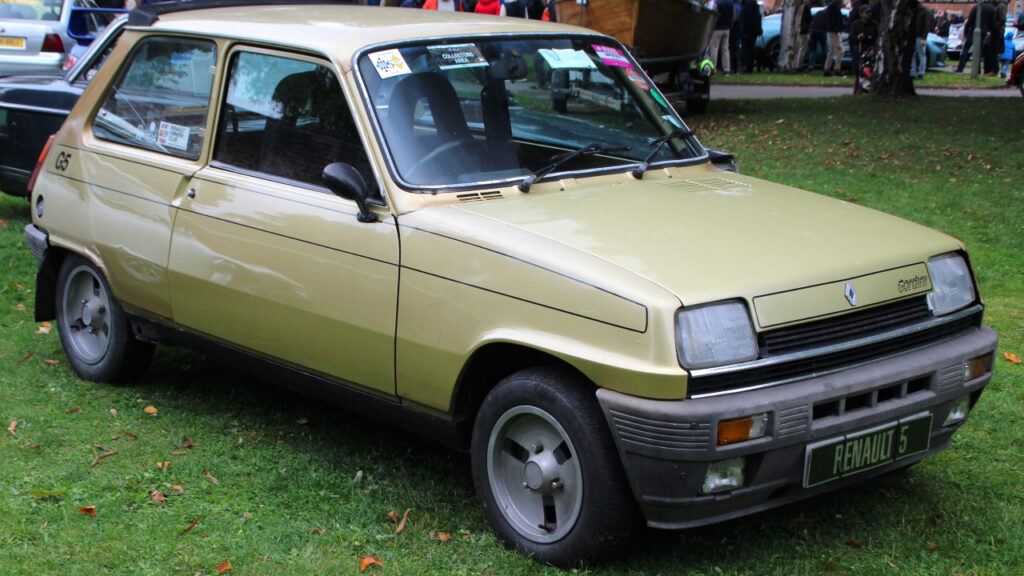
Originally launched in 1972, this compact hatch became a fixture in suburban Europe. With over 5 million sold, it showed that practical innovation—its mid-mounted 1.4 L turbo on some trims—could compete with bigger competitors. Despite its size, it offered surprising interior space and playful handling.
The restyled modern EV version pays tribute to its roots, but the original earned its legacy through efficiency and clever engineering.
Fiat X1/9
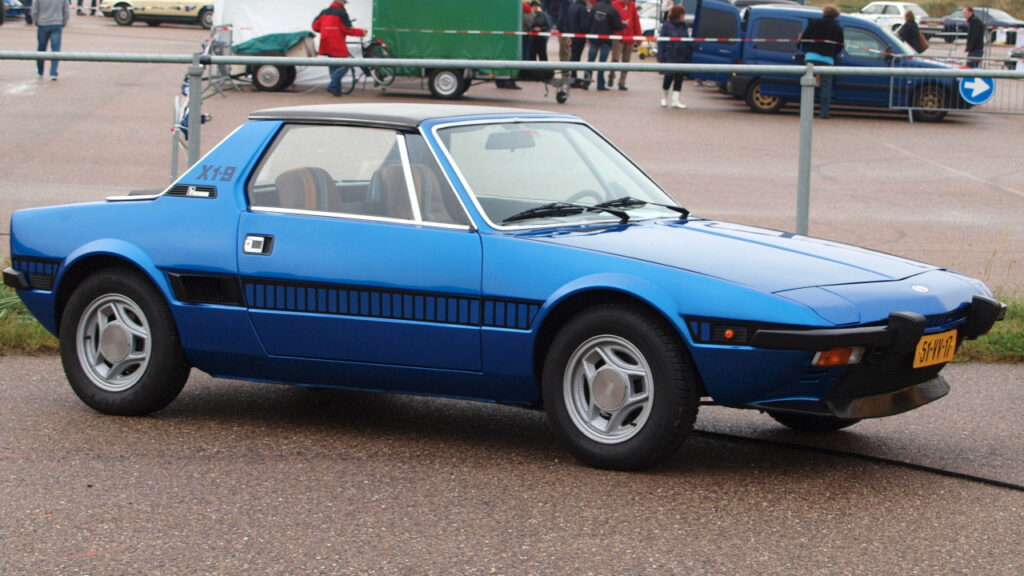
Bertone’s wedge-shaped Fiat X1/9 debuted with a mid-mounted 1.3 L inline-4 and around 75 horsepower. At just over 2,000 lb, it made the most of modest output with sharp handling and an open-top experience.
Though rust is a known issue, examples that survive still shine at rallies. It remains a favorite for those who appreciate balanced, minimalist sports cars.
Citroën GS
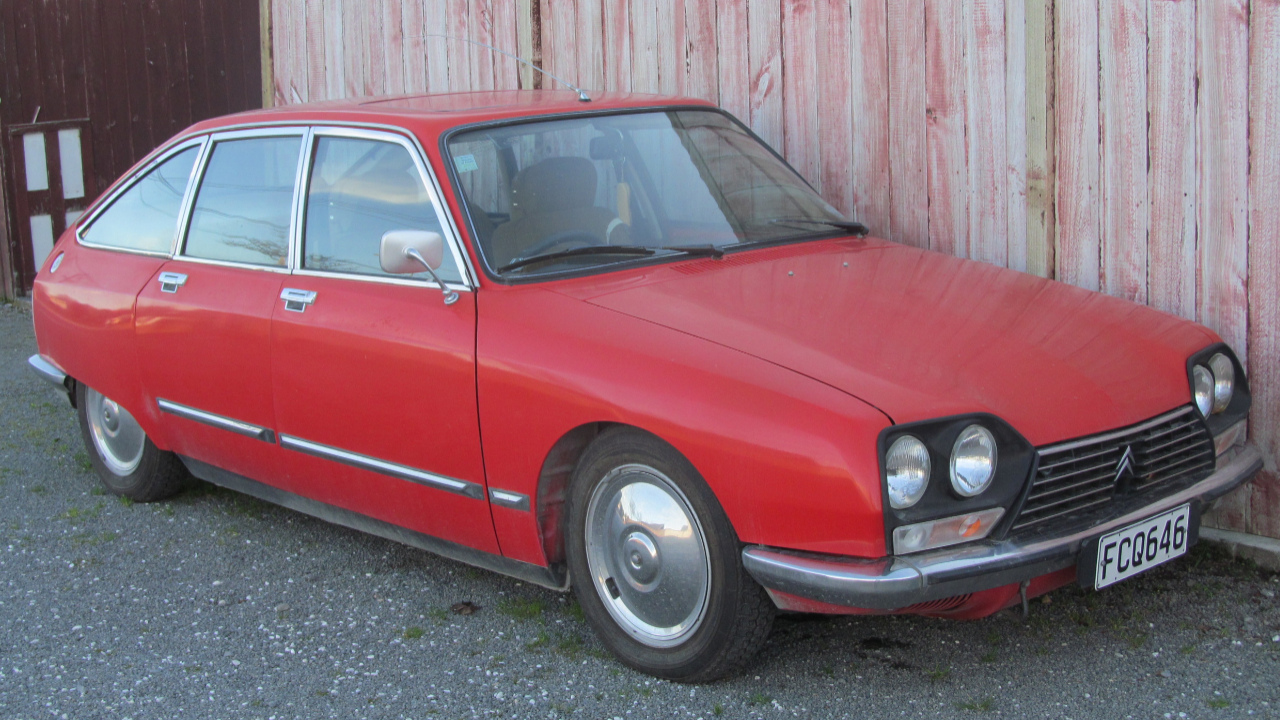
Winner of European Car of the Year in 1971, the GS combined hydropneumatic suspension, self-leveling brakes, and sleek aerodynamics in a family-sized package. Production exceeded 2.5 million units between 1970 and 1979.
Its flat-four engines delivered reliable, smooth power—enough for relaxed driving with a distinctly “Citroën” floating feel.
Citroën SM
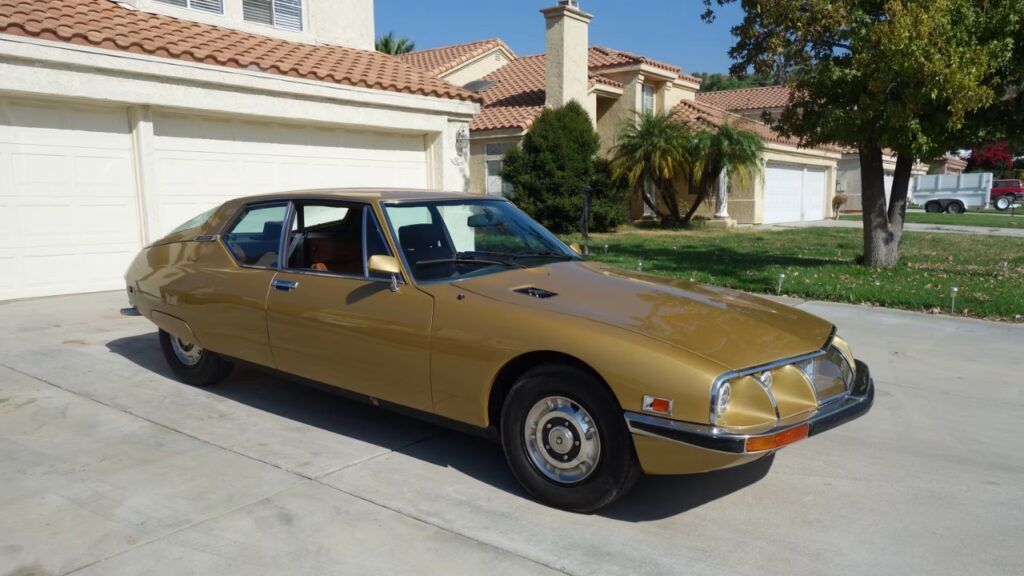
Developed alongside Maserati, the SM packed a 2.7 L V6 and hydropneumatic suspension with speed-sensitive power steering and all-disc brakes. Its drag coefficient hovered around an impressive 0.26.
Though fewer than 12,000 were made, surviving SMs remain prized for their mix of style, tech, and that unmistakable Citroën handling.
Datsun 240Z
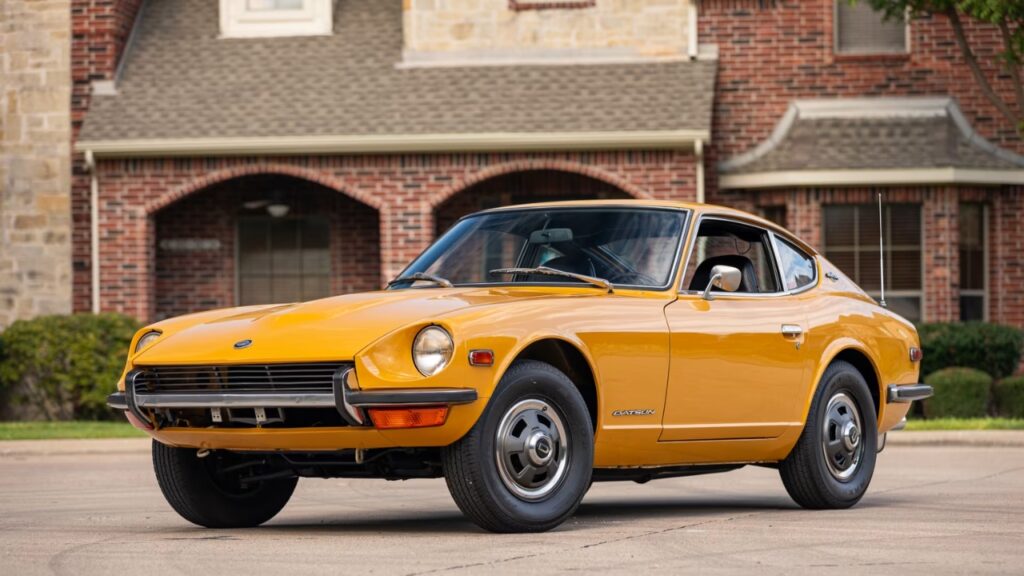
Datsun’s 1970 debut of the 240Z challenged European imports with its sleek fastback, inline-6 producing about 150 hp, and solid build quality. It clicked especially well in North America thanks to competitive pricing and reliability.
It set the stage for Japan’s rise in the sports-car game—sporty, practical, and magnetic enough to define a segment.
Lancia Stratos
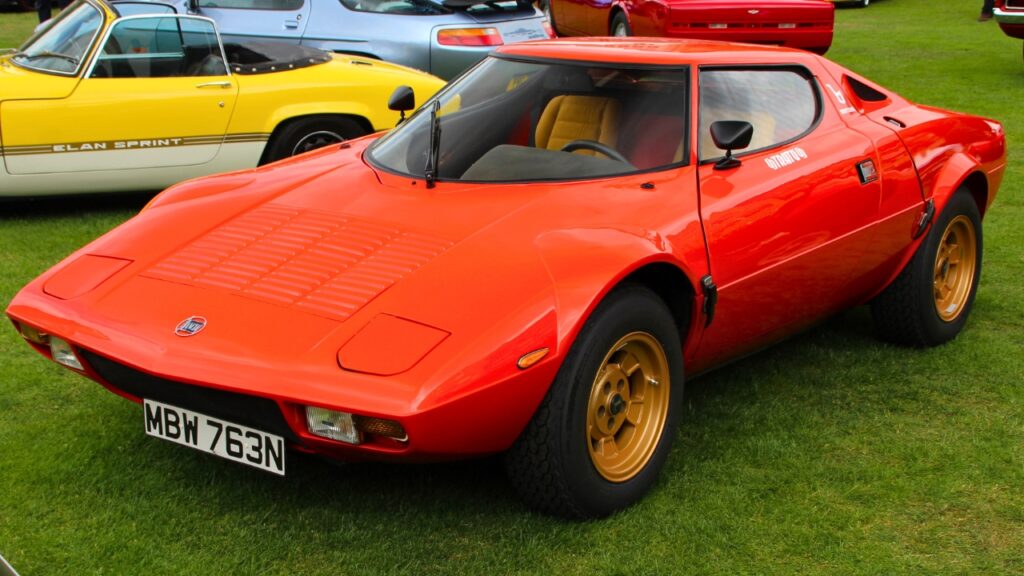
Designed specifically for rally domination, the Stratos captured three consecutive WRC titles from 1974 to 1976. Powered by a Ferrari Dino V6, it was ruthless on gravel and tarmac alike.
Just 492 road cars were built, but those street-legal Stratos are every bit as raw and sharp as their competition counterparts.
Porsche 928
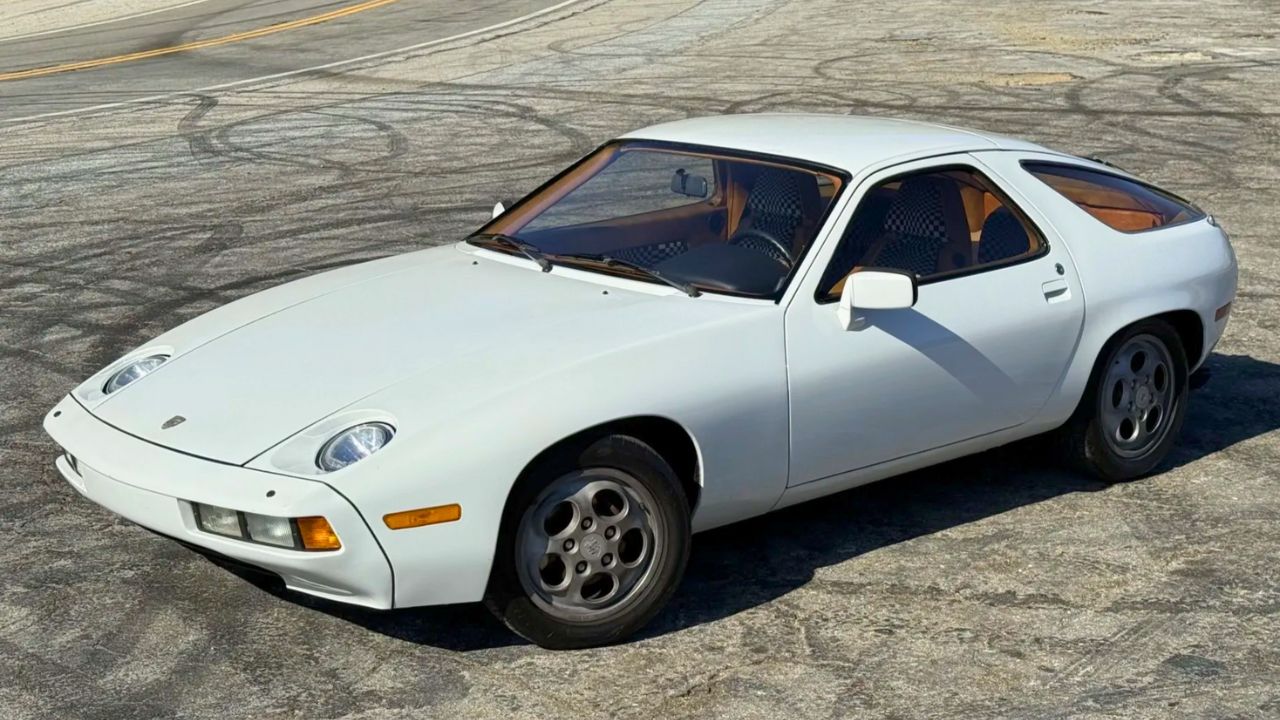
Porsche introduced the front-engine V8 928 in 1977 as the successor to the 911. With engines from 4.5 to 5.4 L, it produced up to 237 hp in its early trims and plenty of torque.
Though it never replaced the 911, the 928 remains admired for how it married grand-tourer luxury and high-end handling—an ambitious step by Porsche.
Ferrari 308 GTB/GTS
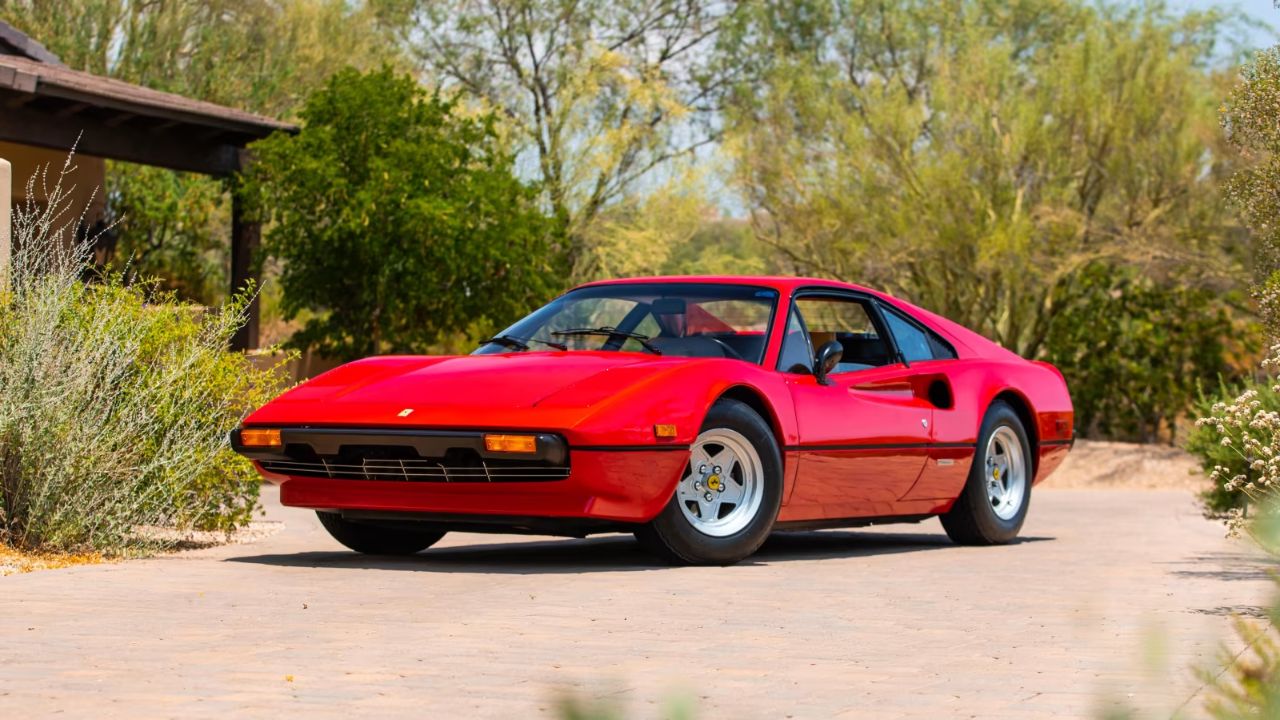
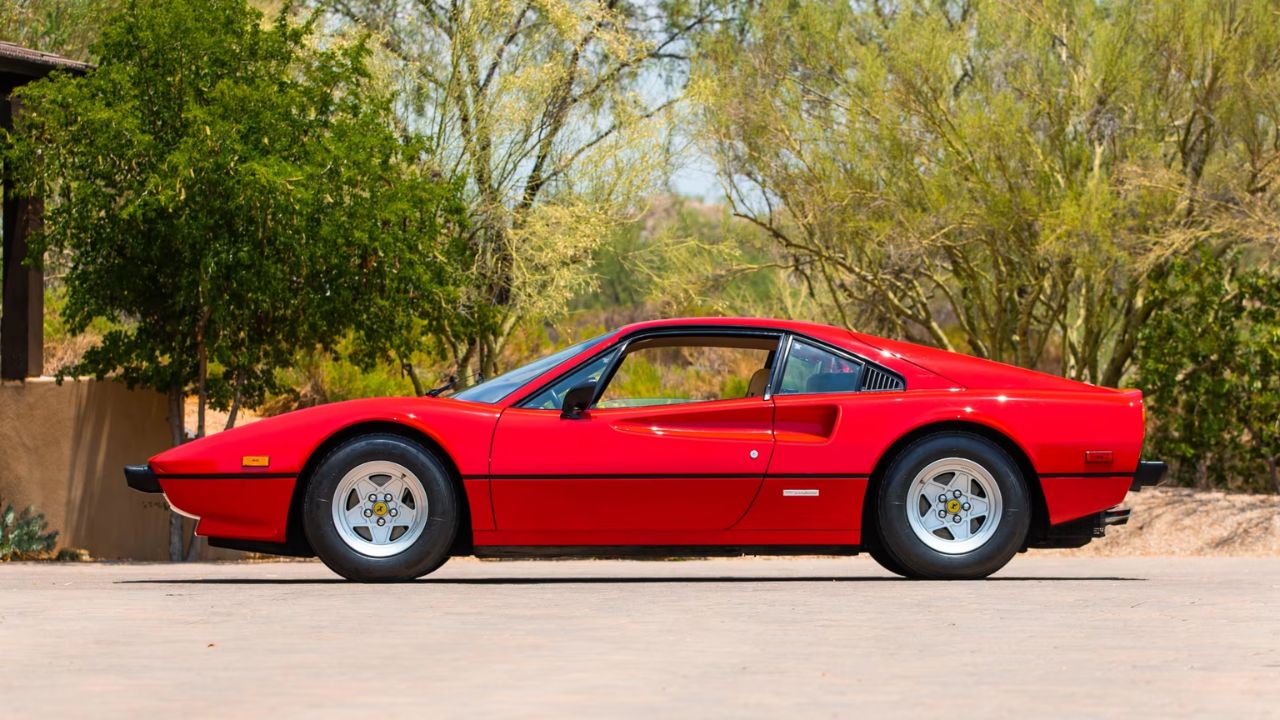
Debuting at the 1975 Paris show with a fiberglass body, the 308 GTB/GTS went on to define Ferrari’s design language for years. Under the mid-engine V8, drivers got around 250 hp and a sharp, balanced chassis.
Its pop-up headlights and role in Magnum PI secured its status. Still today, it’s seen as the archetypal ’70s Ferrari.
Aston Martin V8 Vantage

Arriving in the late ’70s, this Aston sported a hefty 5.3 or 6.3 L V8, with peak output near 450 hp. That translated to 0–60 in 5.2 seconds and a top speed over 160 mph—disturbing for its time.
With its muscular stance and brutish power, this Vantage served as Britain’s own answer to transatlantic grand tourers—raw, loud, and undeniably thrilling.
Like what you read? Here’s more by us:
*Created with AI assistance and editor review.