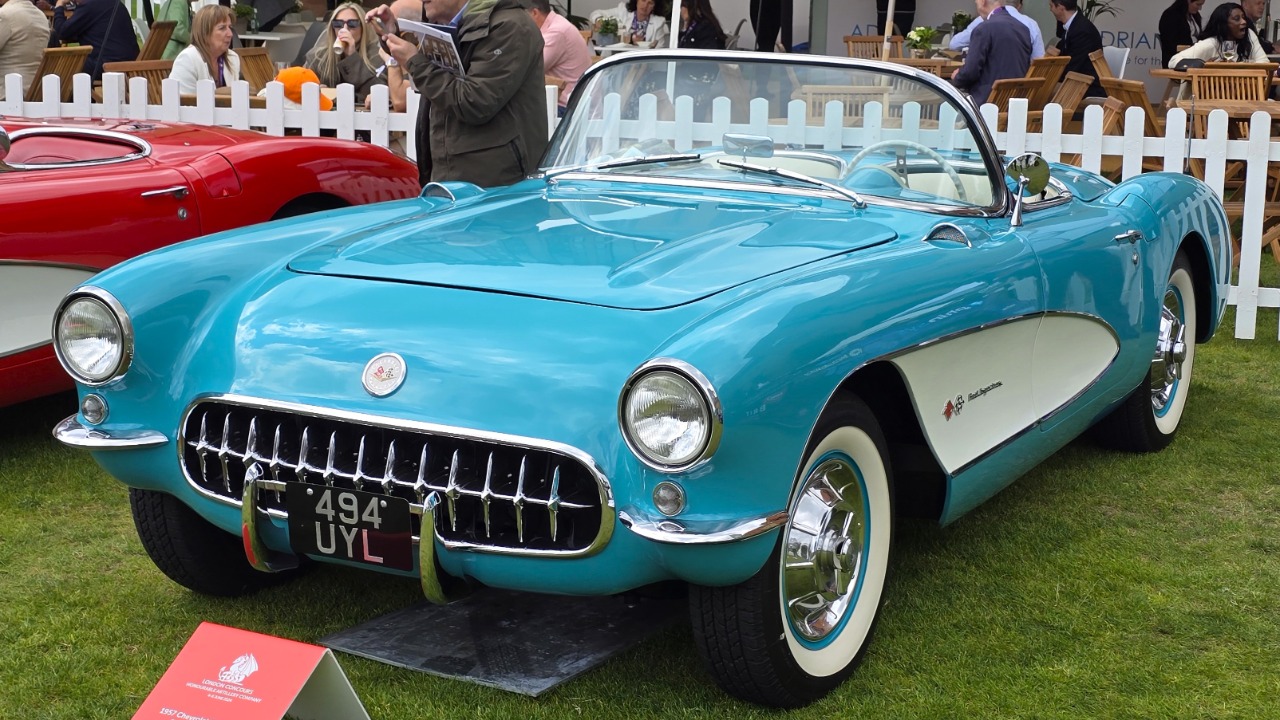
The 1957 Corvette arrived looking familiar but hiding a revolution under its fiberglass skin. By pairing a small American sports car with a production fuel injection system, Chevrolet turned a racetrack experiment into something a regular buyer could order from a showroom. In the process, that 1957 Corvette made fuel injection feel less like exotic race hardware and more like the new baseline for American speed.
The quiet styling, the loud engineering leap
When I picture the 1957 Corvette, I see a car that did not need wild new sheet metal to change the game. The styling was largely carried over from the prior year, so the big story was not the curves, it was the way gasoline met air inside the V8. Period specifications describe how the 1957 Corvette kept its familiar proportions while introducing what Chevrolet proudly called Introducing Sensational New Fuel Injection, a phrase that captured just how radical it felt to bolt this technology onto a mainstream American sports car.
That contrast, conservative bodywork wrapped around daring hardware, is exactly why the car mattered. Buyers could still recognize the Corvette they had seen on the street, yet under the hood the engine was no longer fed by a carburetor but by a carefully metered stream of fuel. The 1957 Corvette Specs material makes clear that Chevrolet treated this as a headline feature, not a hidden option, positioning the fuel injected Corvette as a step change in engine performance rather than a minor tune.
Rochester Ramjet and the birth of production fuel injection
The heart of that leap was a system with a name that sounds almost cartoonishly energetic: Rochester Ramjet. In technical terms, The Rochester Ramjet was an automotive fuel injection system developed by the Rochester Products Division of General Motors, and it was engineered specifically to work on GM passenger cars in 1957. Instead of relying on vacuum signals and jets inside a carburetor, the Ramjet used a mechanical layout to deliver fuel in a more precise way, especially at higher engine speeds where performance drivers lived.
What strikes me is how quickly General Motors moved this from engineering lab to showroom. The Rochester Products Division of GM did not just build a one-off racing setup, it created a package that Chevrolet could bolt onto a production small-block V8 and sell to anyone with the budget and the nerve. By putting Rochester Ramjet on the options list for a regular Corvette, Chevrolet turned fuel injection from a curiosity into a real choice for American buyers who wanted sharper throttle response and more consistent power.
Chevrolet’s answer to European rivals
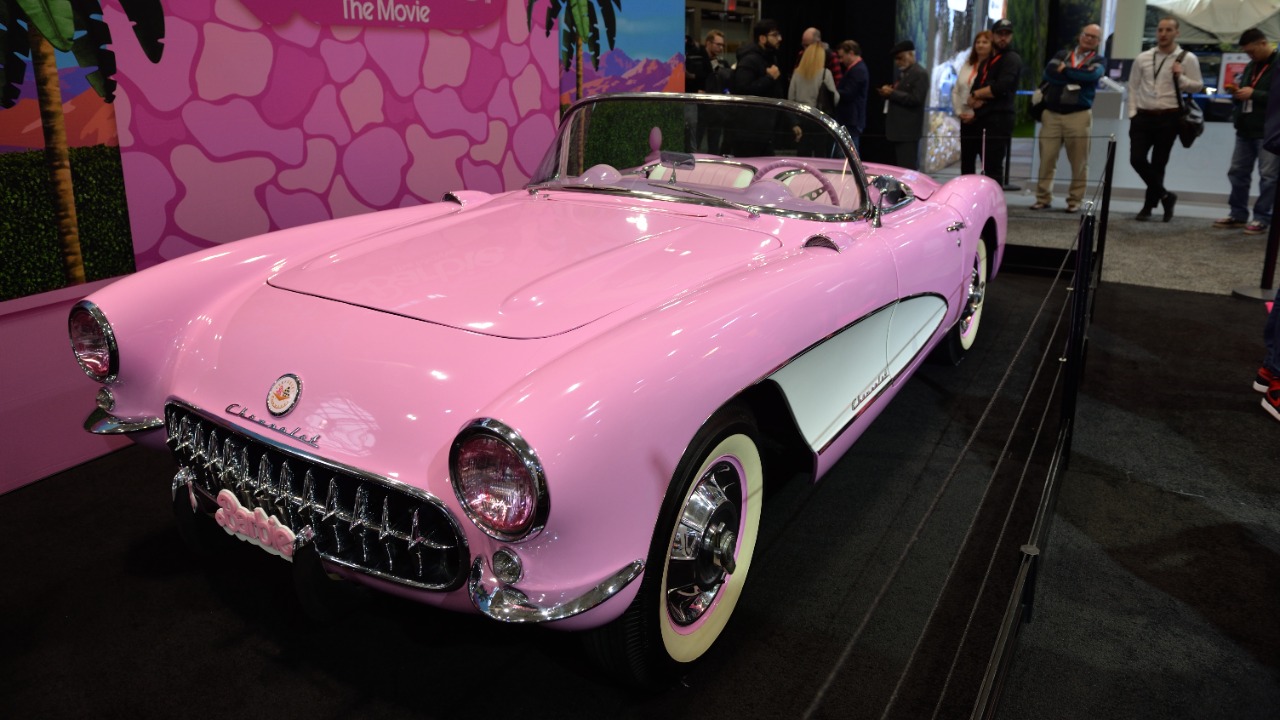
Context matters, and in the mid 1950s the context was a transatlantic horsepower contest. It was during this period that General Motors, through its Chevrolet Division, decided it needed to one up its European rivals not just with displacement but with technology. Reporting on the 1957 fuel injected Chevy V8 describes how General Motors and its Chevrolet Division pushed this engine into production at a time when gasoline in the United States could cost a driver about a 25 cents a gallon, a reminder that performance and cheap fuel went hand in hand.
European sports cars were already experimenting with advanced induction systems, but Chevrolet’s move was different because it targeted a broader slice of the market. Instead of a hand built exotic, the 1957 Corvette was a relatively attainable American sports car that a determined enthusiast could buy and drive every day. By fitting that car with a fuel injected V8, Chevrolet signaled that American performance would not be content to trail European engineering, it would meet it head on with its own hardware and its own price point.
From “Introducing Sensational New Fuel Injection” to mainstream badge
Chevrolet did not hide its pride in the technology. Marketing language around the 1957 Chevrolet Corvette leaned heavily on the phrase Introducing Sensational New Fuel Injection, and the Museum of American Speed notes that this 1957 Chevrolet Corvette marked the first time such a system appeared on an American production engine. Since GM had restyled the Corvette in 1956, the 1957 model did not need a new body to feel new, it needed a new way of making power, and fuel injection delivered that in a way no domestic rival could match at the time.
That first step mattered because it normalized the idea that a Chevrolet Corvette could carry cutting edge fuel delivery hardware as a point of pride. Once buyers saw fuel injection badges on the fenders and read about the performance gains, the technology stopped being an obscure engineering term and started to become part of the Corvette identity. The 1957 car planted the seed that a Chevrolet Corvette was not just about style, it was about being the first American production engine platform to make this leap.
How the 1957 Corvette nudged America away from carburetors
Looking back from a world where virtually every car uses some form of fuel injection, it is easy to forget how radical that 1957 move looked. Later histories of the technology point out that the Chevrolet Corvette wore a distinctive fuel injection badge to advertise the change, and that Chevrolet wanted this car to prove that a mass market brand could sell fuel injection and have it succeed. One account of the systems that invented electronic fuel injection notes how the Corvette’s early adoption helped set expectations that future performance cars would follow the same path, even before fully electronic controls took over in later decades, a shift captured in coverage of Dec developments in fuel injection history.
At the same time, the broader American market was still deeply attached to carburetors. A retrospective on the last carbureted cars in America notes that enthusiasts still debate which model had the very first Fuel Injection system, with some readers asking, “Wasn’t it an Oldsmobile in the late 50s?” and others pointing out that Chevy had the first reasonably successful setup before some early attempts were recalled and converted back to carburetors. That mix of curiosity and skepticism shows how the 1957 Corvette’s fuel injection option sat at the edge of mainstream acceptance, nudging the market forward even as most cars kept their traditional hardware.
Why that 1957 experiment still matters for modern performance
For me, the lasting significance of the 1957 Corvette is not just that it went faster, but that it reframed what American performance could look like. By taking a risk on Rochester Ramjet and putting it into a production Chevrolet Corvette, General Motors proved that advanced fuel delivery was not just for race teams or European boutique brands. The car showed that a Detroit manufacturer could integrate a system from the Rochester Products Division of GM into a regular production line and sell it to everyday enthusiasts who wanted more precise power.
That decision helped lay the cultural groundwork for the fuel injected world we now take for granted. When later generations of Corvettes and other performance cars adopted electronic fuel injection, they were building on a story that started when Chevrolet printed “Introducing Sensational New Fuel Injection” in its 1957 materials and backed it up with real hardware. The 1957 Corvette did not single handedly kill the carburetor, but it made fuel injection feel like the future of American speed, and once drivers had tasted that future, there was really no going back.
More from Fast Lane Only: