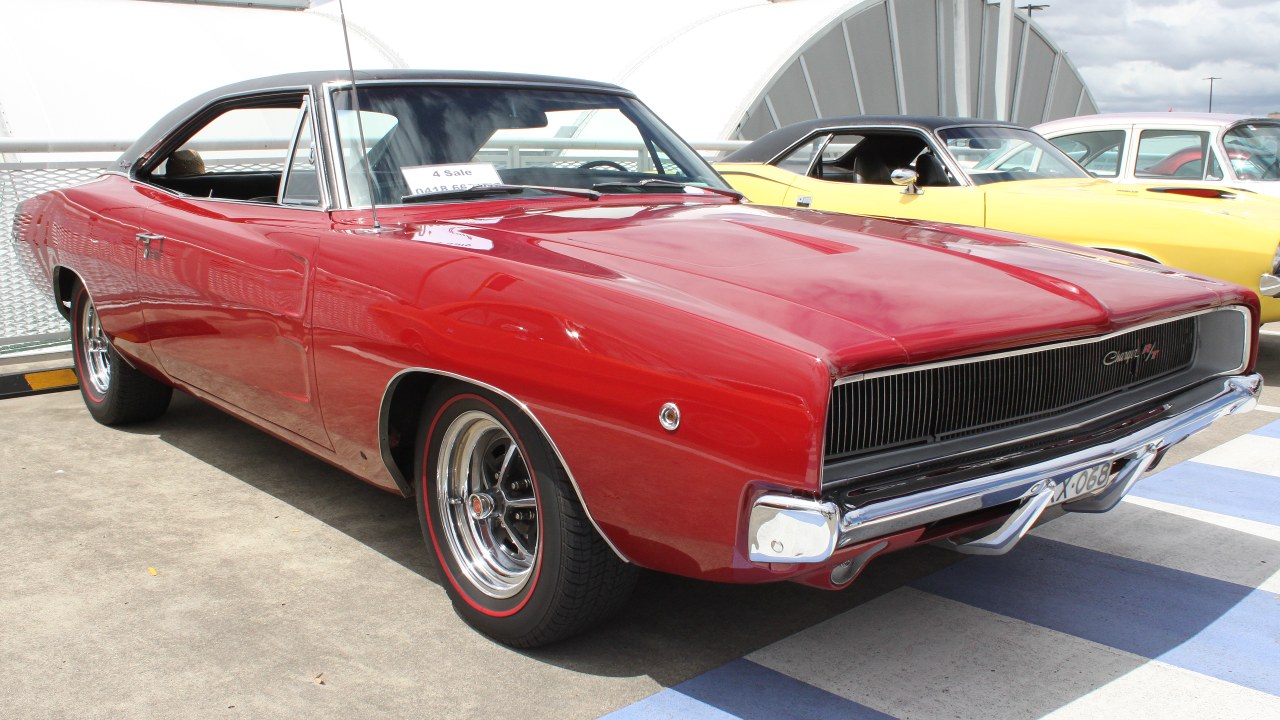
Among late-1960s muscle cars, the 1968 Dodge Charger R/T sits in a narrow band where styling, performance, and pop‑culture fame all collide, and that mix has pushed certain factory options into a different price bracket from the rest. Collectors are not just chasing any big-block Charger, they are paying steep premiums for specific drivetrains, appearance packages, and low‑volume extras that separate a merely desirable car from a top‑tier auction headliner.
Looking across recent sales and period documentation, I see a clear pattern: the most valuable 1968 Charger R/T examples combine the highest-output engines, rare performance hardware, and distinctive cosmetic codes that are difficult to replicate today. Those combinations, especially when backed by original paperwork and correct date-coded parts, are where the market’s strongest money consistently lands.
Big-block hierarchy: why 426 Hemi and 440 Magnum cars lead the market
The single most important option on any 1968 Charger R/T is the engine, and the market has drawn a sharp line between the already-strong 440 Magnum and the ultra-rare 426 Hemi. The R/T package made a 440‑cubic‑inch V8 standard, but buyers could pay extra for the 426‑cubic‑inch Hemi, a race-bred engine that transformed the car from a quick street machine into a homologation special. Production figures show that only a small fraction of 1968 Charger R/Ts left the factory with the Hemi, which is why documented Hemi cars routinely sell for multiples of comparable 440 cars at major auctions, with recent results confirming that the engine code alone can swing values by six figures in top condition valuation data.
Even within the more common 440 Magnum pool, originality and specification matter. Cars retaining their matching‑numbers 440 block, correct intake and exhaust manifolds, and factory-style engine bay finishes consistently outpace similar cars with replacement drivetrains, especially when supported by a broadcast sheet or fender tag that confirms the original R/T configuration. Auction reports show that buyers pay a clear premium for documented 440 R/Ts with factory performance gearing and heavy‑duty cooling, treating those combinations as the “sweet spot” between usability and collectability, while reserving the very top bids for authentic Hemi cars with verified drivetrains and paperwork Hemi sale.
Transmission, gearing, and performance hardware that move the needle
Once the engine box was ticked, the next decision that now shapes collector value was the transmission and rear axle combination. Period order sheets offered both the heavy‑duty TorqueFlite automatic and a 4‑speed manual, but the manual cars, especially when paired with the 426 Hemi, are significantly scarcer. Recent sales show that documented 4‑speed Hemi R/Ts command a notable premium over automatic counterparts, reflecting both their rarity and the perception that they are closer to the Charger’s competition roots. Even among 440 cars, a factory 4‑speed with the correct floor console and linkage is treated as a desirable upgrade, particularly when the car retains its original transmission case and matching stampings drivetrain trends.
Rear axle ratios and performance hardware also separate the top‑tier cars from the rest. Factory options such as the 3.54 or 4.10 Sure Grip differential, heavy‑duty suspension, and power front disc brakes were often chosen by buyers who intended to use the Charger R/T aggressively, and those codes now serve as markers of a more focused build. Auction catalogs and condition reports repeatedly highlight cars with original Sure Grip units and correct axle tags, and those details correlate with stronger hammer prices compared with similar cars that left the factory with open differentials or highway gears. Collectors also pay attention to factory power steering and power brake options, which improve drivability without diluting the car’s performance image, and documented cars with that mix of comfort and capability tend to sit near the top of the 440 R/T value range auction listing.
Exterior colors, vinyl tops, and appearance packages that command premiums
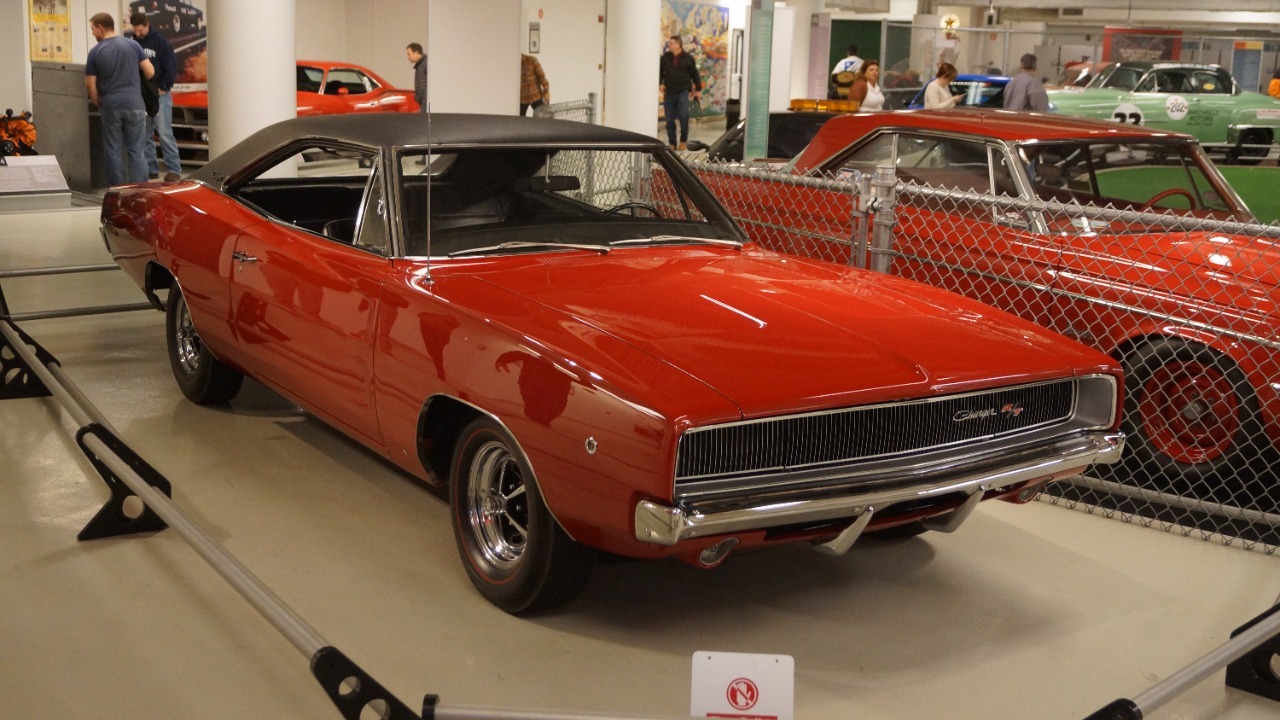
Beyond the mechanical specification, the way a 1968 Charger R/T looks has a measurable impact on what collectors are willing to pay. Certain factory colors, especially high‑impact hues and deep metallics, consistently outperform more subdued shades in the marketplace. While 1968 predates some of the wildest Mopar color names, period-correct bright reds, dark greens, and rich blues have become especially sought after, particularly when paired with contrasting bumblebee stripes and a vinyl roof. Sales data show that cars retaining their original color combination, verified by fender tag codes, tend to bring stronger money than those that have been repainted in popular but non-original shades, even when the cosmetic work is high quality color impact.
The vinyl top itself has turned into a surprisingly important option. Many 1968 Charger R/Ts were ordered with a black or white vinyl roof that visually separated the flying‑buttress rear pillars from the rest of the body, and that look has become closely associated with the model’s late‑1960s identity. Collectors now pay attention to whether a car still carries its correct style of vinyl top and trim, and auction descriptions routinely call out original or properly restored tops as a selling point. Similarly, the presence and correctness of the rear bumblebee stripe, R/T badging, and brightwork around the grille and tail panel all factor into value, with fully optioned and accurately restored cars drawing more interest than de‑trimmed or heavily customized examples that stray from the factory appearance codes appearance details.
Interior trim, comfort options, and rare convenience features
Inside the car, collectors have gravitated toward specific combinations of trim and equipment that balance period charm with comfort. The 1968 Charger R/T could be ordered with standard vinyl buckets or upgraded interiors that added wood‑grain accents, center consoles, and additional brightwork, and those richer cabins now tend to command higher prices. Auction listings frequently highlight cars with factory consoles, original steering wheels, and correct Rallye-style instrumentation, and buyers reward examples where the upholstery patterns, seat materials, and door panels match the original build codes rather than generic replacements. Well-preserved or accurately restored interiors in desirable colors, such as black or dark green, often correlate with stronger sale prices than cars that have been retrimmed in non-original schemes interior options.
Comfort and convenience options that were relatively uncommon in 1968 have also become value drivers. Factory air conditioning, power windows, and upgraded audio systems were available but not widely ordered on performance‑oriented R/Ts, which makes surviving examples with those features stand out today. Documentation that confirms original A/C or power window installation, combined with intact hardware and correct under‑dash components, can push a car into a higher price bracket, particularly when paired with a strong drivetrain specification. Collectors also pay attention to small details such as original seat belts, correct dash bezels, and functioning factory gauges, treating those elements as indicators of how carefully a car has been preserved or restored, and recent sales show that well-optioned, highly original interiors can help a 440 R/T close some of the value gap to rarer Hemi cars comfort equipment.
Documentation, provenance, and factory-correct restoration
Across all of these options, the thread that ties the highest‑value 1968 Charger R/Ts together is proof. Collectors have become increasingly insistent on documentation that verifies how a car left the factory, and that shift has elevated items like broadcast sheets, fender tags, original window stickers, and period sales paperwork from curiosities to core value drivers. Cars that can demonstrate an unbroken chain of ownership, supported by service records and period photographs, routinely outperform similar builds with murkier histories, even when the latter are cosmetically impressive. Recent high‑profile sales underline how a fully documented Hemi or 440 R/T with original drivetrain and correct option codes can command a substantial premium over a visually similar car lacking that paper trail provenance premium.
Factory-correct restoration has followed the same trajectory. As values have climbed, buyers have become more critical of non-original colors, incorrect engine components, and aftermarket modifications that deviate from the build sheet. Auction descriptions now routinely spell out casting dates, part numbers, and option codes, and cars that align closely with those details tend to draw the strongest bidding. In practice, that means a 1968 Charger R/T that combines a documented high‑value option set, such as a 426 Hemi with a 4‑speed, desirable color and trim, and verified original components, sits at the top of the market, while cars with incomplete documentation or heavily altered specifications trade at a discount even if they present well. The pattern is clear: for collectors paying the most, the rarest options only reach their full potential when they are backed by paperwork and authenticity that can stand up to scrutiny documented example.