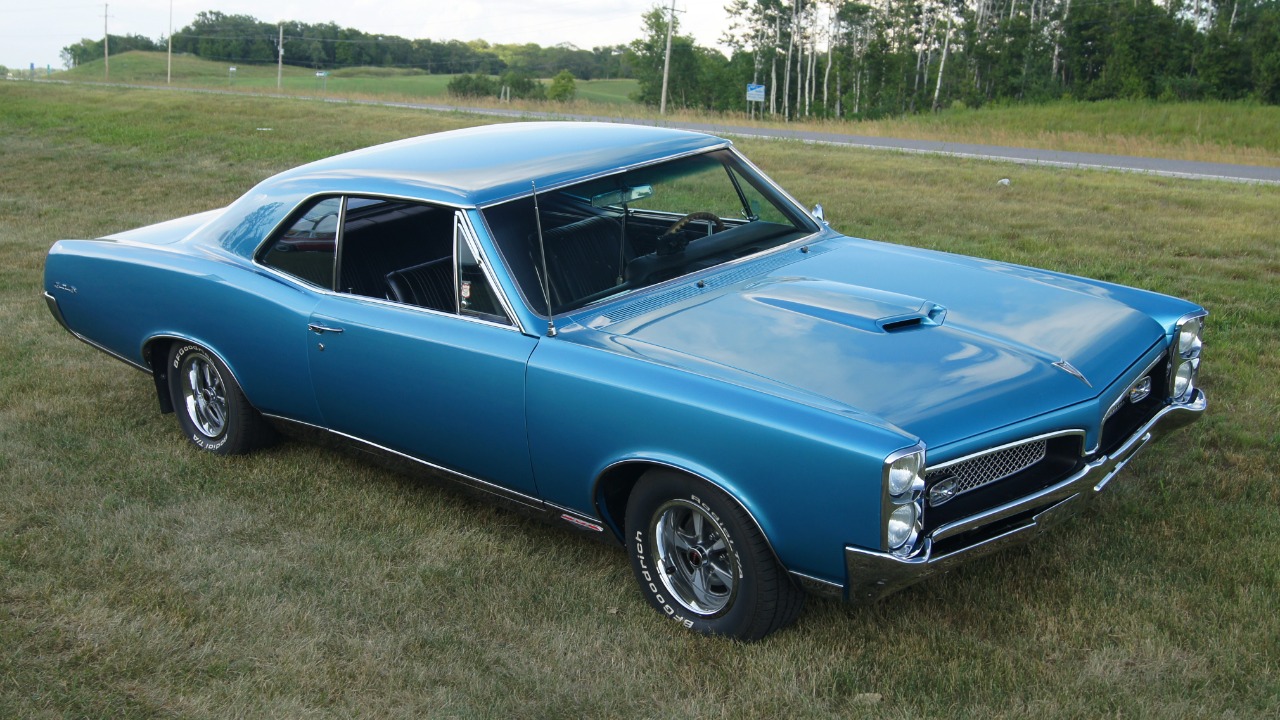
The 1967 Pontiac GTO sits at a pivotal moment in American muscle car history, bridging the raw experimentation of the early 1960s with the more refined performance machines that followed. As values climb and surviving cars grow scarcer, understanding how this model came to be, what set its hardware apart, and why collectors are paying attention again has become essential for anyone tracking the classic car market.
I see the 1967 GTO as the year the original “goat” matured, with cleaner engineering, sharper styling, and a spec sheet that still reads impressively strong today. Its origin story, detailed mechanical changes, and current price trends explain why this particular model year has moved from used-car nostalgia to serious investment territory.
The GTO’s path from option package to muscle car icon
The GTO did not begin life as a standalone model, and that backstory is crucial to understanding why the 1967 version matters so much. Pontiac originally launched the GTO as a performance option on the Tempest/LeMans line, pairing a midsize body with a large displacement V8 at a time when Detroit’s official policies frowned on overt street performance. That formula, which blended a relatively light chassis with a big engine and minimal frills, quickly resonated with younger buyers who wanted something more aggressive than full-size cruisers, a trajectory that set the stage for the more polished 1967 evolution of the car’s design and engineering.
By the time the 1967 model year arrived, the GTO had already helped define what enthusiasts now recognize as the classic muscle car template: a midsize platform, a powerful V8, and a focus on straight-line speed. The car’s growing reputation on the street and at the drag strip pushed Pontiac to refine the package rather than reinvent it, so the 1967 GTO built on earlier success with targeted upgrades instead of a clean-sheet redesign. That continuity is part of why collectors view 1967 as the last of the “pure” first-wave GTOs before later styling and regulatory changes began to reshape the car’s character.
Key 1967 design and engineering changes
What separates the 1967 GTO from its immediate predecessors is not a radical new body, but a series of focused updates that made the car more modern and more usable without dulling its performance edge. The front end adopted a cleaner, more integrated look, with stacked headlights and a revised grille treatment that gave the car a more upscale presence while still reading as aggressive. Subtle trim changes, including revised taillights and side details, helped distinguish 1967 cars from earlier models while keeping the overall silhouette familiar to buyers who already associated the GTO name with street credibility.
Under the skin, Pontiac’s engineers used the 1967 model year to introduce important safety and drivability improvements that would shape the car’s long-term appeal. The adoption of front disc brakes as an available option, along with refinements to the suspension and steering, made the GTO more capable of handling the power it already had. These changes, combined with updated interior features and improved ergonomics, meant that the 1967 GTO could serve as both a daily driver and a weekend performance car, a dual role that helps explain why well-preserved examples are so prized today.
Powertrain specs and performance options
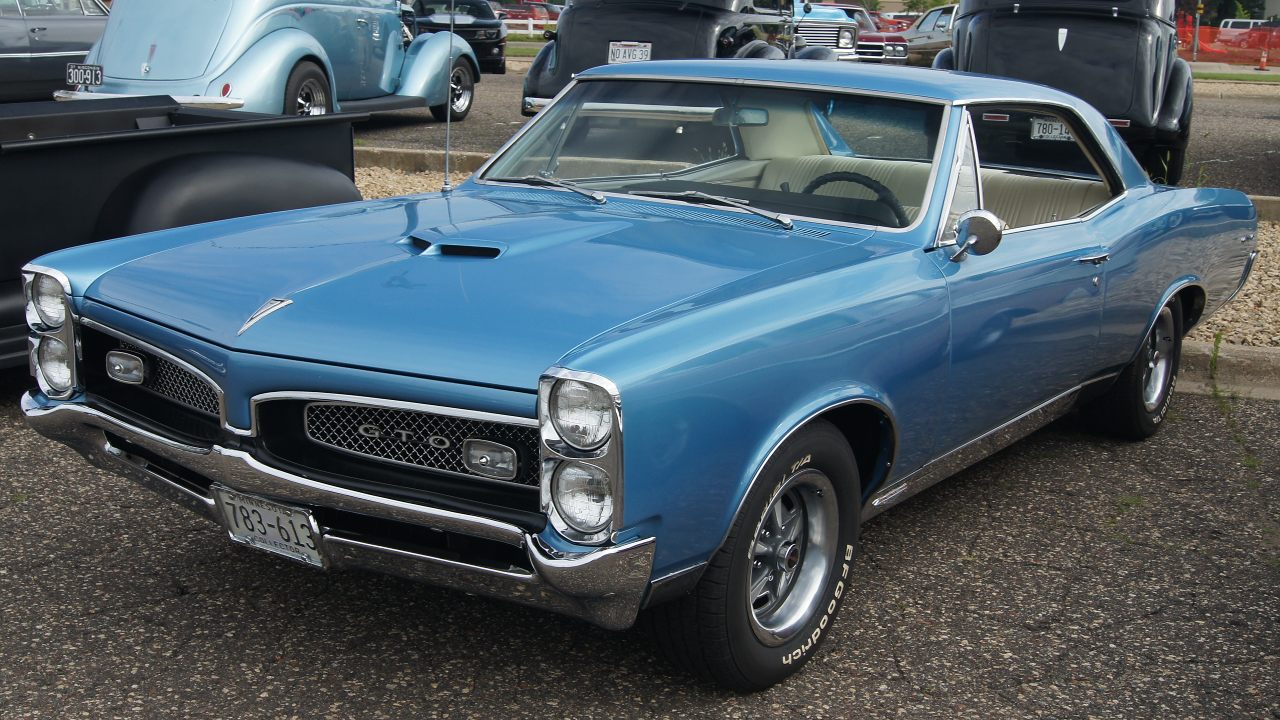
The heart of the 1967 GTO story is its engine lineup, which delivered serious power in an era when factory horsepower ratings were becoming a point of pride. The core engine remained a 400 cubic inch V8, replacing the earlier 389 while keeping the same basic philosophy of big displacement and strong torque. Depending on configuration, this 400 could be ordered with different carburetion and camshaft setups that tailored the car to either broad-shouldered street performance or more focused high rpm use, giving buyers a range of personalities within the same basic package.
Transmission choices further shaped how each 1967 GTO drove in the real world. Buyers could pair the 400 V8 with a manual gearbox for maximum driver engagement or opt for an automatic that made the car easier to live with in traffic while still delivering strong acceleration. Rear axle ratios and optional performance equipment allowed owners to tune their cars for drag strip launches or highway cruising, and those original build choices now play a major role in how collectors value individual cars. A 1967 GTO with a high performance engine configuration and a desirable manual transmission, for example, typically commands a premium over a more modestly equipped automatic car.
Interior, options, and daily usability
Inside the 1967 GTO, Pontiac balanced performance cues with comfort features that made the car more than just a straight-line weapon. The dashboard layout, instrumentation, and seating were designed to give the driver clear information and a sense of control, while optional upgrades such as bucket seats, center consoles, and improved audio systems added a layer of sophistication. These details helped the GTO appeal not only to young enthusiasts but also to buyers who wanted a car that felt special on the commute as well as on a back road.
Optional equipment played a significant role in shaping how each 1967 GTO was used and how it is perceived today. Cars ordered with performance-oriented packages, upgraded brakes, and handling improvements tend to be more sought after by enthusiasts who plan to drive their classics, while heavily optioned examples with comfort and appearance packages often appeal to collectors who value originality and period-correct luxury. The breadth of available options in 1967 means that no two surviving GTOs are exactly alike, and that variety is part of what keeps the market for these cars active and nuanced.
Rising values and what drives today’s market
Values for the 1967 GTO have been climbing as the broader muscle car market matures and buyers focus on well-documented, high quality examples. Several factors are driving this appreciation, starting with the car’s historical significance as a benchmark muscle machine and extending to the relative scarcity of unmodified, rust free survivors. As restoration costs rise, collectors increasingly prefer cars that retain original drivetrains, factory colors, and correct interior trim, and those attributes are reflected in auction results and private sale prices.
The market also rewards specific combinations of options and provenance, which is why I pay close attention to build sheets, original sales documentation, and long term ownership histories when evaluating a 1967 GTO. Cars with rare performance configurations, desirable colors, and documented low mileage often achieve significantly higher prices than more common or heavily altered examples. At the same time, driver quality cars that present well but are not concours perfect have found a steady audience among enthusiasts who want to enjoy the experience of a classic GTO on the road, a demand that supports values across a wide range of condition levels.
How collectors assess originality, rarity, and long term potential
When I look at a 1967 GTO as a potential purchase or as a case study in the market, originality is usually the first filter. Matching numbers engines, correct transmission codes, and factory correct paint and interior combinations all contribute to a car’s desirability, especially when backed by documentation. Period correct restorations that respect the original build sheet tend to hold value better than heavily customized cars, even if the modifications improve performance, because the collector market places a premium on authenticity for this model year.
Rarity also plays a role, but it is often the intersection of rarity and desirability that matters most. A 1967 GTO built in a low production color with a high performance engine and a manual transmission, for example, may attract intense interest if it remains in largely original condition. Looking ahead, I see the long term potential for these cars tied to their status as one of the defining muscle cars of the 1960s, their relatively usable size and drivability, and the finite supply of solid, restorable examples. As more cars are restored to a high standard and as younger collectors discover the appeal of analog V8 performance, the 1967 GTO’s combination of history, hardware, and character positions it well for continued attention in the classic car market.