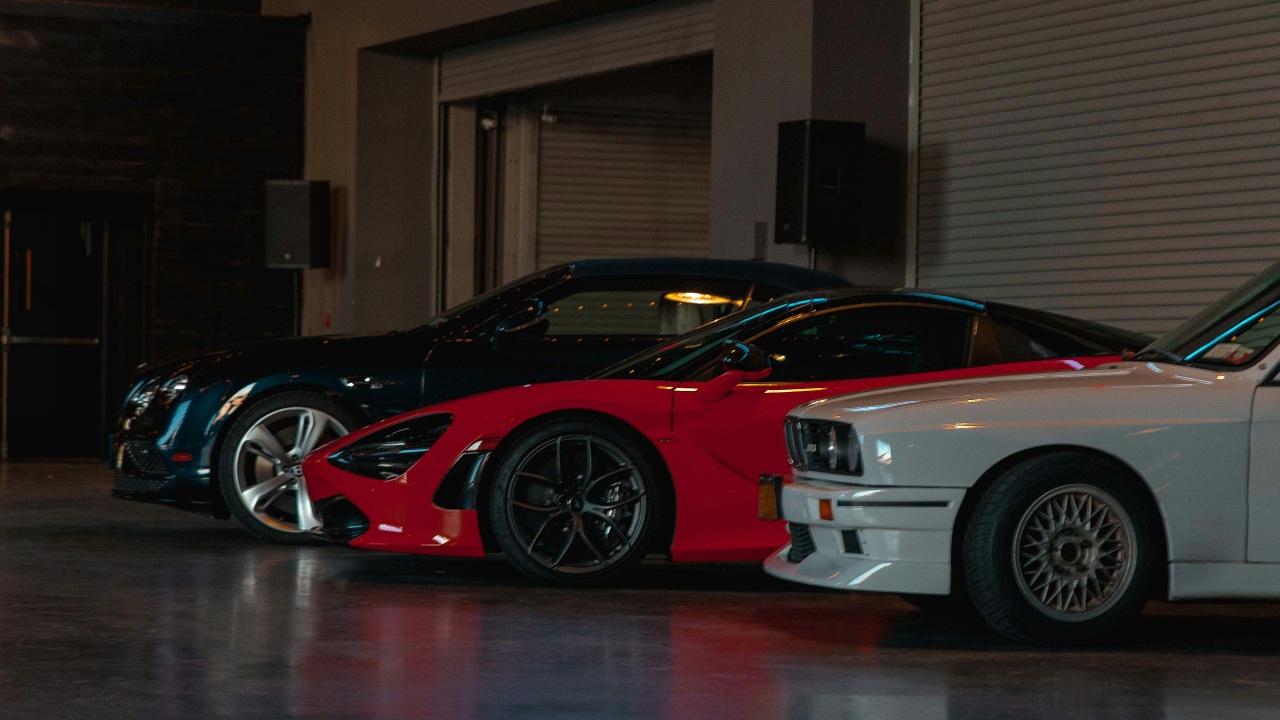
The collector car market in 2025 is not collapsing so much as reshuffling, with some once untouchable classics slipping while newer icons surge. Values are flattening overall, but beneath the surface the biggest moves up and down are being driven by shifting generations, changing tastes and a sharper focus on data rather than nostalgia.
I see three clear forces shaping the year: a generational handover from Boomers to Xers and Millennials, a split between traditional classics and modern performance heroes, and a more analytical approach to buying and selling. Together, they are deciding which cars are quietly softening and which are poised to climb.
The market’s new baseline: flat overall, volatile underneath
The broad backdrop for 2025 is a market that has stopped racing ahead and is now moving sideways, with pockets of real weakness and strength. One detailed breakdown describes the classic car market as essentially flat, with 46% of models down, 46% flat and only 8% up in value, a neat snapshot of a sector that has lost its pandemic-era froth and is now repricing more rationally. That same view is echoed in a separate analysis that frames the year as a tug of war between segments that are down about 11% and others that are up around 4%, a reminder that the headline number hides a lot of churn.
Professional valuation data backs up that mixed picture. A Q1 review of the collectible vehicle space, looking at the Annual Percent Change from January 2024 to January 2025, describes a market that is “mixed” on a year-over-year basis, with some categories holding or gaining while others give back earlier gains. A follow up Q2 update notes that modern performance and newer enthusiast cars are still attracting strong money while more traditional cars have struggled, reinforcing the idea that 2025 is less about a universal crash and more about a sharp divergence between winners and losers.
Generational Shift: Boomers Out, Xers and Millennials In
The single biggest driver of those divergences is demographic. The market is now firmly in what one commentator calls a “Generational Shift – Boomers Out, Xers & Millennials In,” and that change in who is buying is reshaping what is valuable. As Baby Boomers age out of active collecting, the cars they grew up with are no longer the default blue-chip choices, while Gen X and younger buyers are directing their money toward the machines that filled their bedroom posters and early video games. That same analysis notes that Gen X is now dominant, and that they want modern classics from their era rather than the 1950s and 1960s staples that defined the market for decades.
That shift is most obvious in the rise of 1990s and early 2000s performance icons. Japanese performance legends such as Nissan Skylines, particularly the R32, R33 and R34 generations, and Toyota Supras, especially the Mk4, are singled out as prime examples of what the new wave of buyers is chasing. These cars combine period-correct analog feel with enough modern performance and reliability to be driven regularly, which makes them attractive to Xers and Millennials who want to use their cars rather than just store them. As Boomers step back, the balance of power is moving toward these “modern classics,” and the market is rewarding them accordingly.
Biggest movers up: Bull Market favorites and modern icons
On the upside, the clearest winners are the cars that sit at the intersection of nostalgia, usability and relative affordability. A widely watched Bull Market list for 2025 highlights 11 collector cars that are poised to gain value, with a particular focus on models that appeal to “emerging enthusiasts.” Among them is the fifth-generation Prelude, a front-wheel-drive coupe that blends Honda reliability with a rev-happy character and clean styling, making it a natural fit for younger buyers who want something they can both commute in and show at a cars and coffee. The same list underscores that these picks are not just museum pieces, but cars that can be enjoyed on the road, which is increasingly important to the new wave of owners.
Some 1980s icons are also getting a second look. The DeLorean DMC, long a cult favorite more for its movie fame than its driving dynamics, is flagged as a car whose values could rebound as renewed interest and limited supply intersect. When new, the DeLorean DMC was a commercial disappointment, but its stainless steel body and gullwing doors have given it enduring cultural cachet. As the broader market cools, buyers who always wanted one but were priced out during the pandemic spike are finding opportunities, and that pent-up demand could prompt prices to rebound according to the same Bull Market analysis. Layered on top of that, the broader Q2 market review notes that segments tied to modern performance and enthusiast culture are still seeing firmer pricing than older categories, which helps explain why these newer icons are among the year’s biggest movers up.
Biggest movers down: traditional classics and oversupplied icons
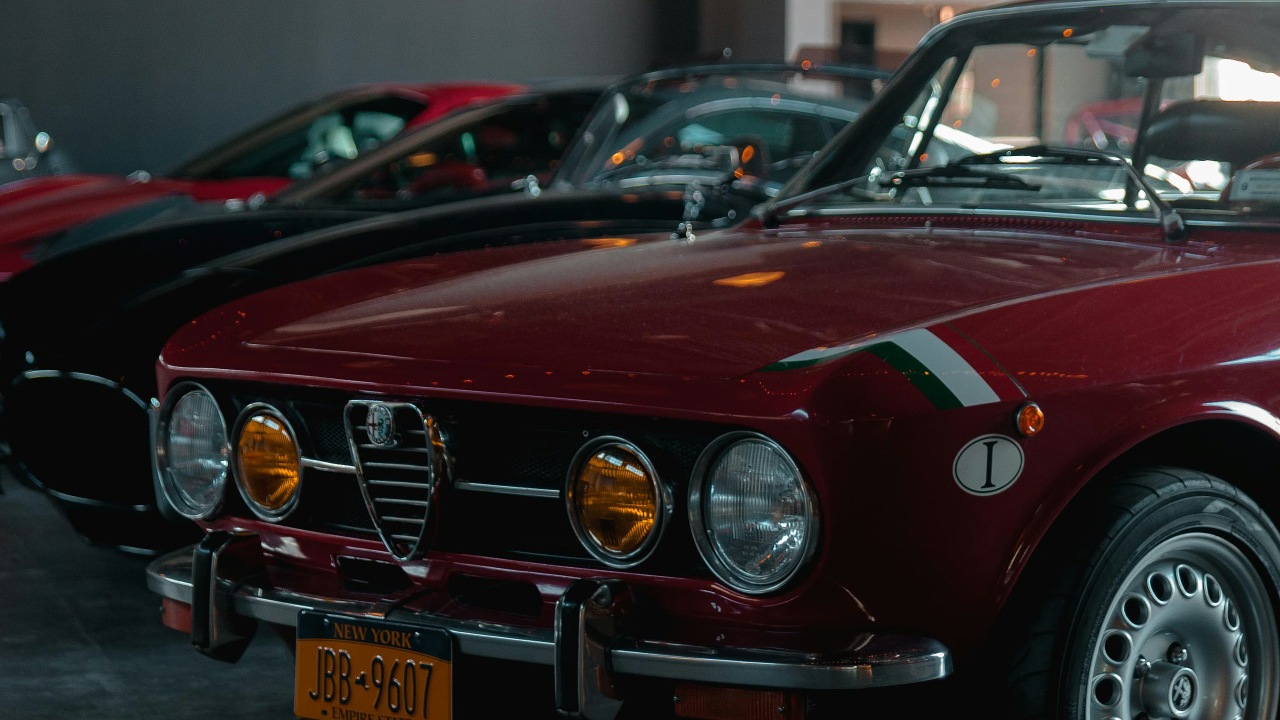
On the downside, the cars that defined the classic scene for decades are now facing a tougher reality. As Boomers reduce their collections, supply of traditional British and American classics is rising just as demand from younger buyers softens. One detailed look at the market points out that some high-profile European grand tourers and sports cars that spiked during lockdown have now “corrected sharply,” a sign that the pandemic premium has evaporated. That same generational analysis notes that while models like Aston Martin DB4/5/6 once seemed bulletproof, they are now more exposed as the next wave of collectors looks elsewhere.
Mass-produced American icons are feeling similar pressure. A report on looming price drops singles out classic Mustangs, noting that, according to Musson, since there are many classic Mustangs on the market, people realize there is no rush to purchase one. That abundance is capping prices and, in some cases, pushing them down as sellers compete for a smaller pool of buyers. Another summer forecast highlights the Jaguar E-Type, specifically the Jaguar E-Type (1961–1975), as a car now facing real resistance. The Jaguar E-Type, once hailed as one of the most beautiful cars ever made, is described as vulnerable to a 15–20% price decrease for pristine convertibles, a stark shift for a model that was long treated as a guaranteed winner. Together, those warnings suggest that some of the most famous names in the hobby are among the biggest movers down in 2025.
How buyers and sellers are adapting: data, analysis and strategy
With the easy money phase over, I see both buyers and sellers leaning harder on data and structured strategy. One guide to marketing strategies for classic cars argues that the market benefits tremendously from data-driven decision-making, urging dealers and owners to Utilize market analysis tools like Hager to inform pricing strategies and inventory decisions. That kind of granular tracking, from auction hammer prices to private sale trends, is becoming essential in a year when 46% of cars are down and 46% are flat, and only a small minority are rising. Sellers who still price off peak 2021 or 2022 numbers are finding their cars sit, while those who adjust to current comparables are the ones actually transacting.
On the buy side, the smartest collectors are treating cars more like a hybrid of passion purchase and financial asset. A detailed investment guide stresses that Researching market trends, auction results and consulting with classic car specialists are essential for identifying models with strong appreciation potential. That advice dovetails with the broader market updates that break out performance by segment, such as the Q2 focus on Vintage Muscle Cars from American Motors, Ford and Chev, which shows how even within a single category, some sub-models and trims are holding up better than others. In a market where some segments are down about 11% while others are up around 4%, that kind of targeted research is what separates those who catch the next Bull Market wave from those left holding yesterday’s heroes at yesterday’s prices.