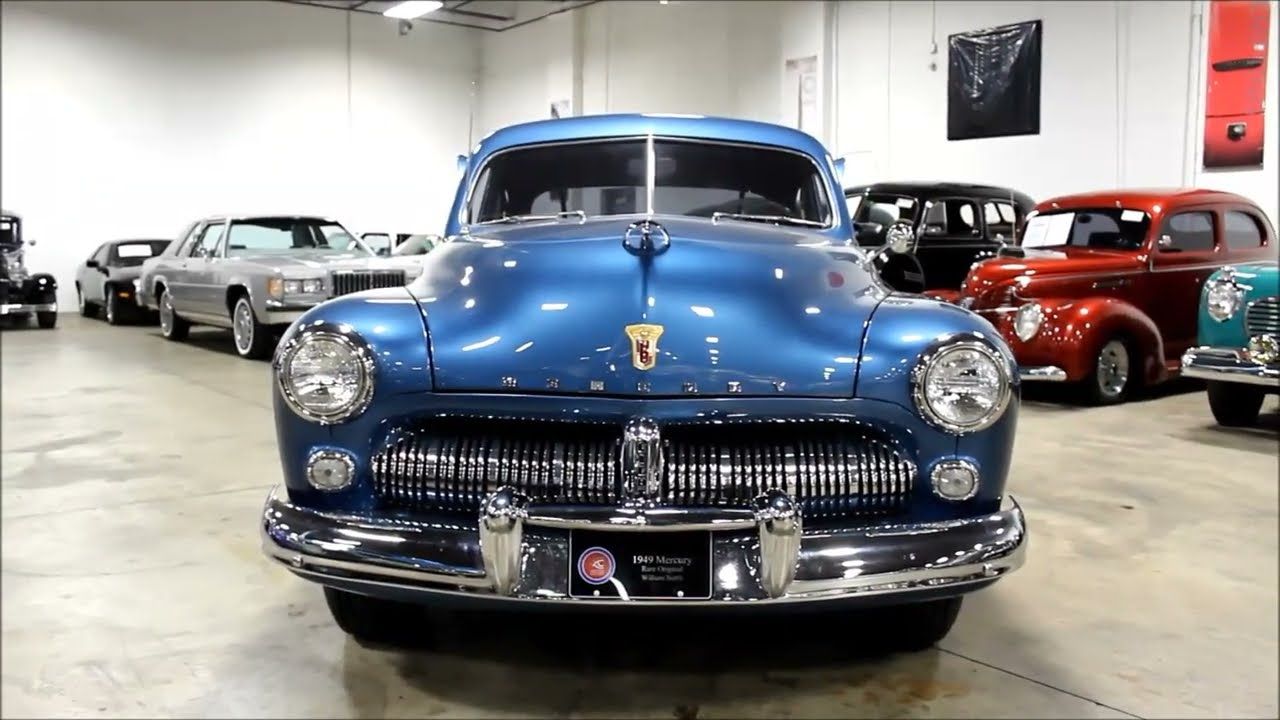
The 1949 Mercury Monterey is a striking example of post-war American automotive design, showcasing the sleek and stylish spirit of 1950s Detroit. With its distinctive features and cultural significance, it continues to captivate car enthusiasts. This piece explores the Monterey’s unique design, engineering advancements, and lasting legacy.
The Birth of the Monterey
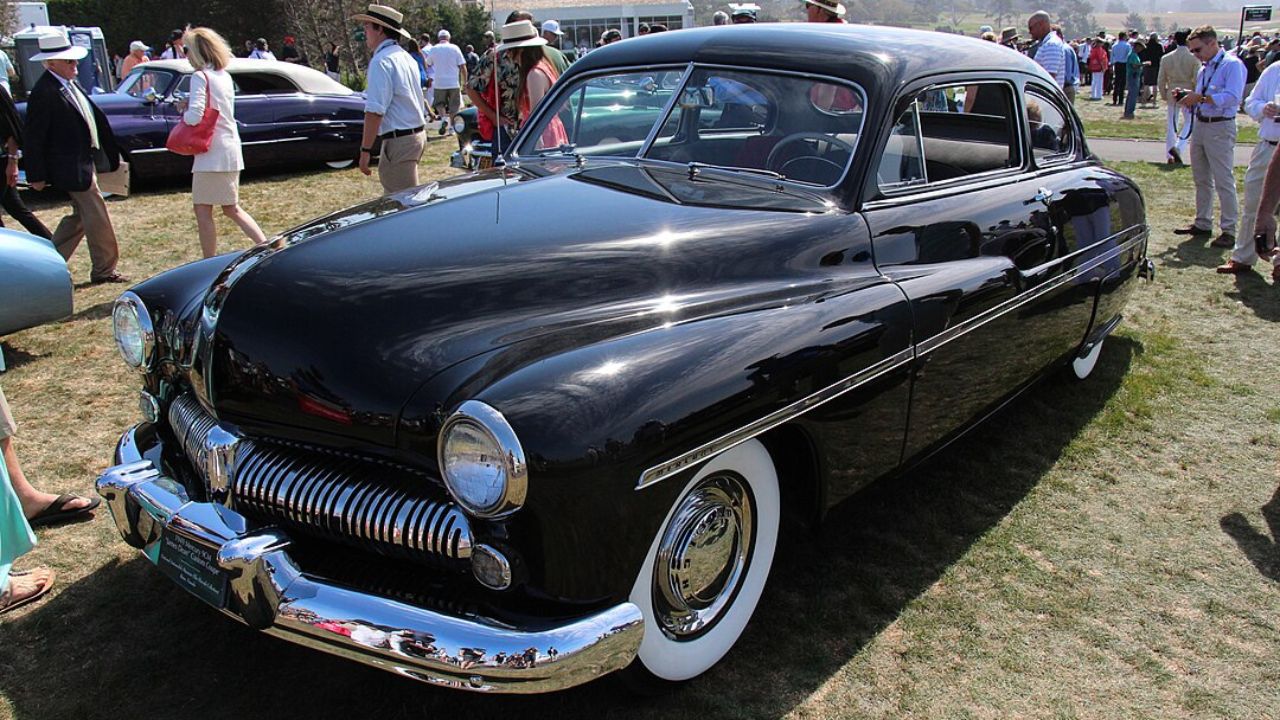
The Mercury Monterey was introduced as a response to the growing demand for more luxurious and stylish vehicles in the late 1940s. As the American economy boomed after the war, consumers sought cars that not only provided transportation but also expressed their newfound prosperity. Mercury, a division of Ford Motor Company, aimed to fill this niche with the Monterey, which debuted in 1949. The car was designed to offer a blend of elegance and performance, setting it apart from other contemporaries.
Detroit’s vibrant design scene heavily influenced the Monterey’s development. Designers drew inspiration from the aviation industry and the burgeoning modernist movement, resulting in a vehicle that exuded sophistication and innovation. The contributions from leading automotive designers of the era were evident in the Monterey’s streamlined profile and attention to detail. Positioned as a bridge between Ford’s mainstream models and Lincoln’s luxury offerings, the Monterey helped Mercury carve out a distinct identity in the competitive automotive market.
Design and Style
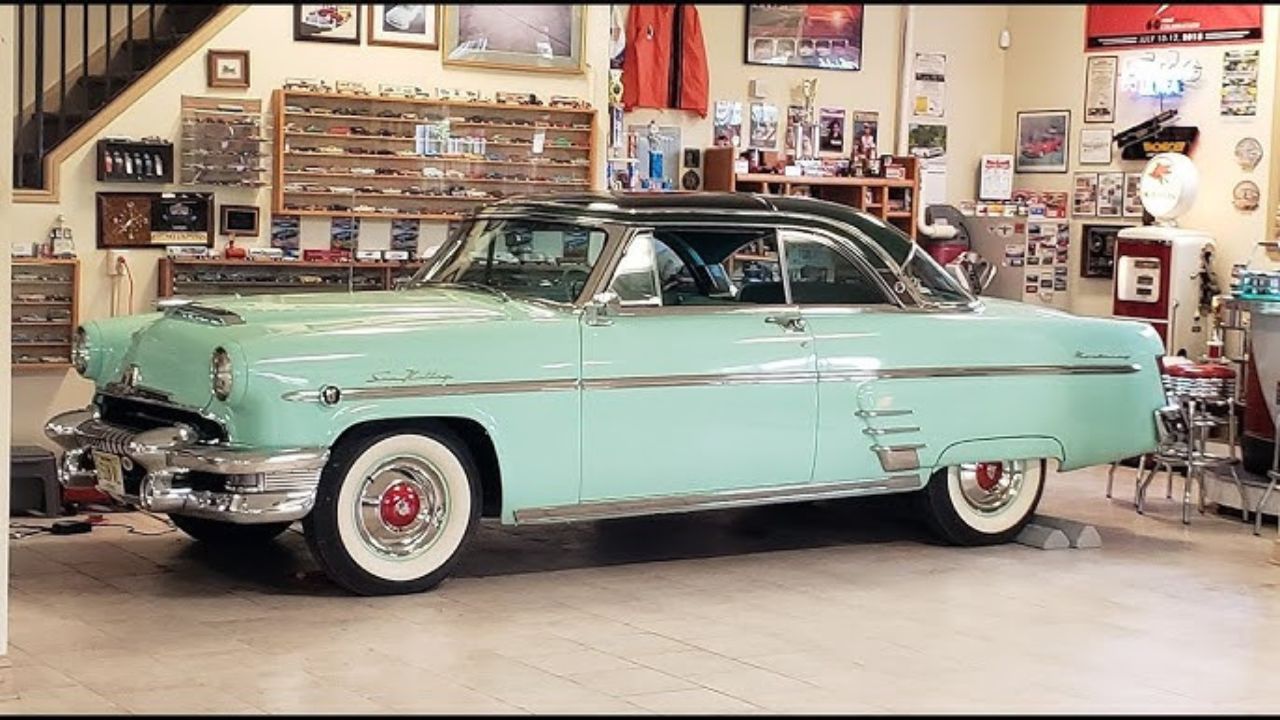
The exterior of the 1949 Mercury Monterey is a testament to the era’s fascination with sleek lines and chrome accents. Its aerodynamic silhouette was accentuated by a distinctive grille and bold chrome trim, giving it a commanding presence on the road. The Monterey’s design was not just about aesthetics; it also reflected the technological advancements of the time, with features like wraparound bumpers and integrated fender skirts enhancing its streamlined appearance. Inside, the Monterey offered a level of luxury that was rare for its class.
The use of high-quality materials, such as plush upholstery and polished wood trim, provided a sense of opulence. Innovations in passenger comfort, including adjustable seating and improved climate control, made the Monterey a desirable choice for those seeking both style and substance. Buyers could also choose from a range of color options and customizations, a trend that reflected the growing desire for personalization in the 1950s.
Engineering and Performance
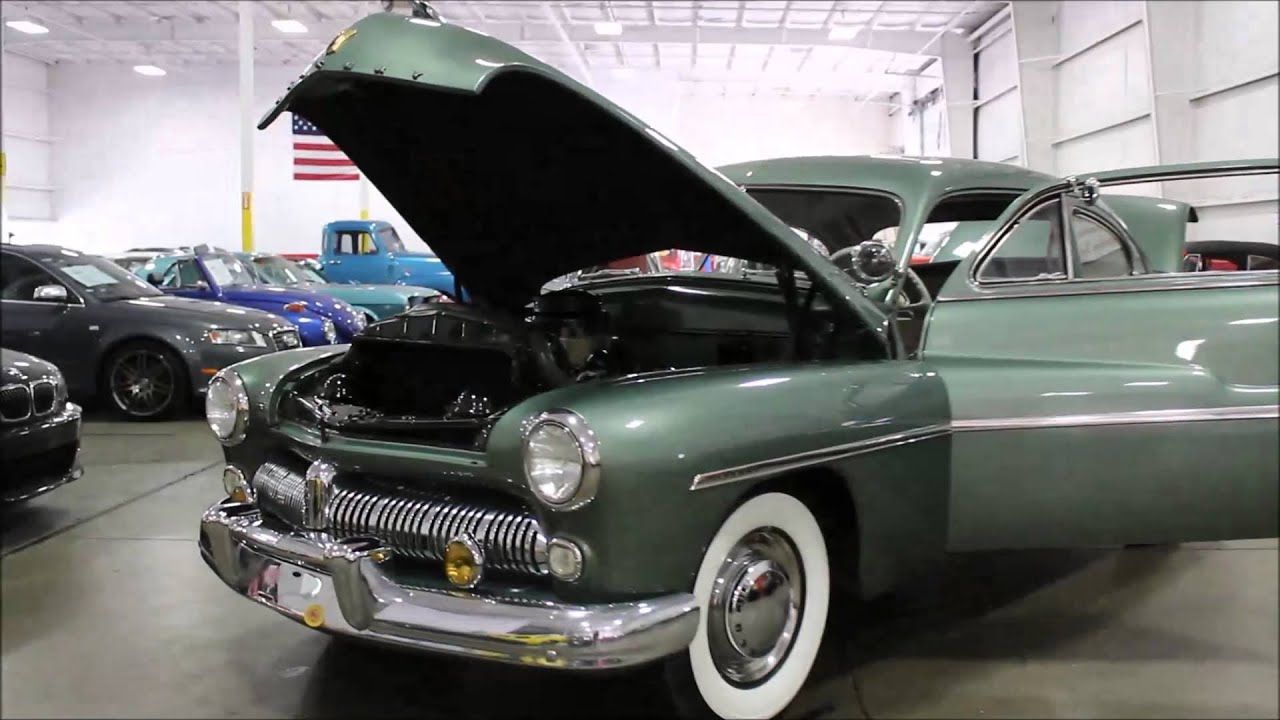
Under the hood, the 1949 Mercury Monterey boasted a powerful V8 engine, a testament to the era’s emphasis on performance. This engine not only delivered impressive horsepower but also ensured a smooth and responsive driving experience. The Monterey was designed to offer both speed and reliability, making it a favorite among car enthusiasts who valued performance as much as appearance.
The Monterey was at the forefront of technological advancements in the automotive industry. Features such as improved suspension systems and cutting-edge safety measures set new benchmarks for the time. These innovations not only enhanced the driving experience but also contributed to the vehicle’s reputation as a well-rounded and dependable choice. Whether cruising on the highway or navigating city streets, the Monterey provided a driving experience that was both exhilarating and refined.
Cultural Impact and Legacy
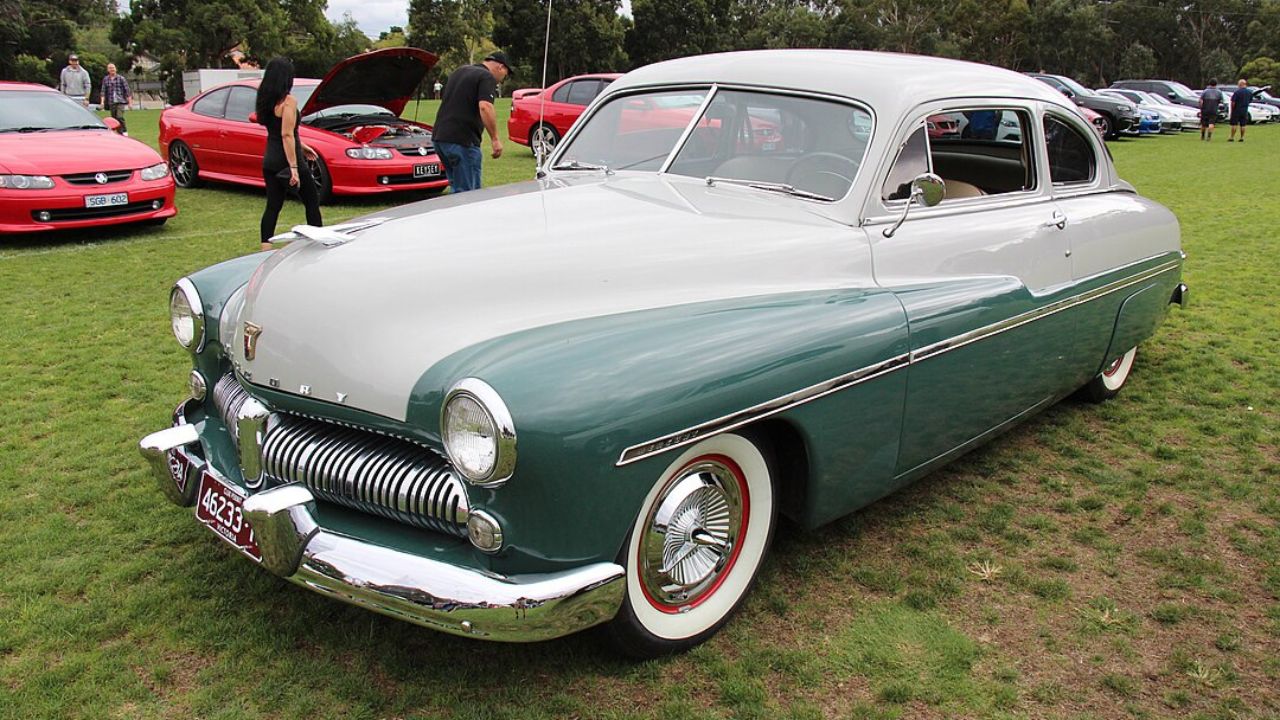
The 1949 Mercury Monterey holds a special place in popular culture, appearing in various films, television shows, and music of the era. Its presence on screen helped cement its status as a cultural icon of the 1950s, symbolizing the optimism and innovation of the post-war period. The car’s distinctive design and performance made it a natural fit for Hollywood, where it was often featured in scenes that highlighted its elegance and power.
Today, the Monterey remains a sought-after collector’s item, cherished by classic car enthusiasts for its historical significance and timeless appeal. Its enduring popularity at auctions and car shows speaks to its lasting legacy as a symbol of American automotive ingenuity. Furthermore, the design and engineering principles that defined the Monterey have influenced subsequent generations of Mercury and other American cars, ensuring its place in automotive history.
Preservation and Restoration
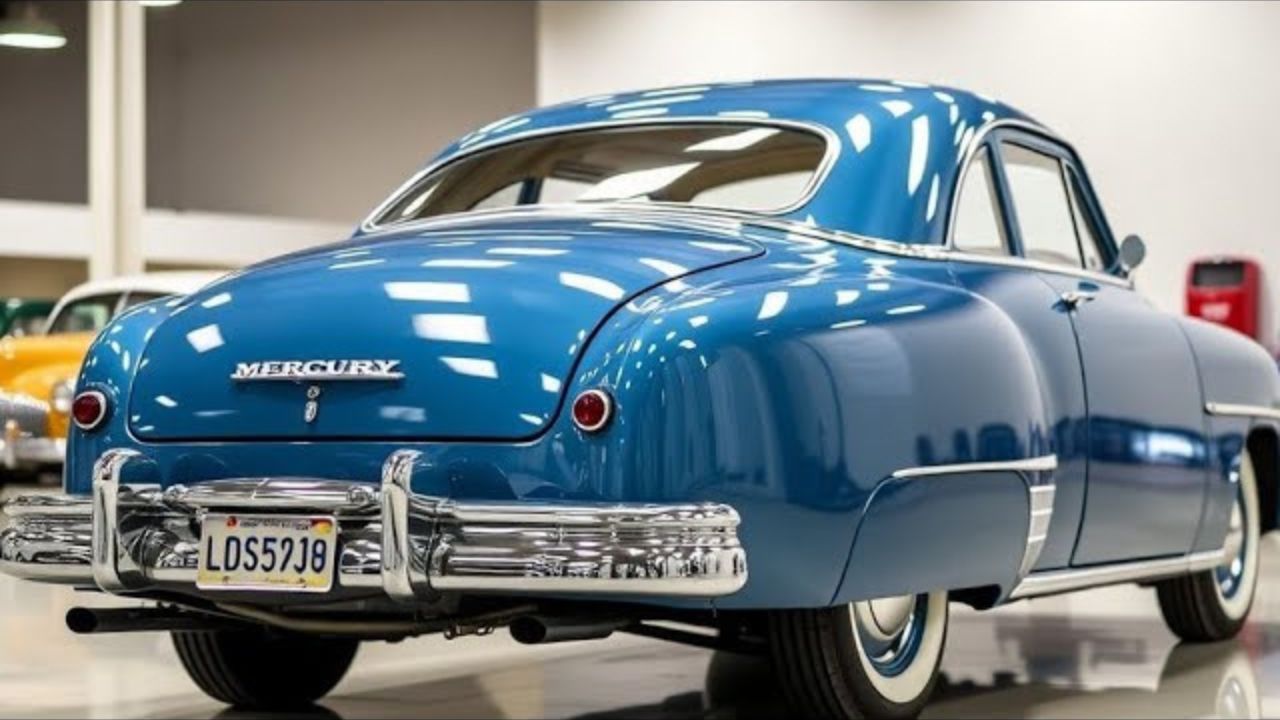
Restoring a classic 1949 Mercury Monterey can be both challenging and rewarding. Enthusiasts often face difficulties in sourcing original parts and maintaining the car’s authenticity, but the satisfaction of bringing a piece of automotive history back to life is unparalleled. The restoration process requires a deep understanding of the car’s mechanics and design, as well as a commitment to preserving its historical integrity. The community of Monterey enthusiasts plays a crucial role in preserving the car’s legacy.
Clubs and events dedicated to the Monterey provide a platform for owners to share knowledge, resources, and experiences. These gatherings celebrate the car’s heritage and foster a sense of camaraderie among those who appreciate its unique charm. As a result, the value of a restored Monterey extends beyond its monetary worth, offering a sentimental connection to a bygone era and a tangible link to automotive history.