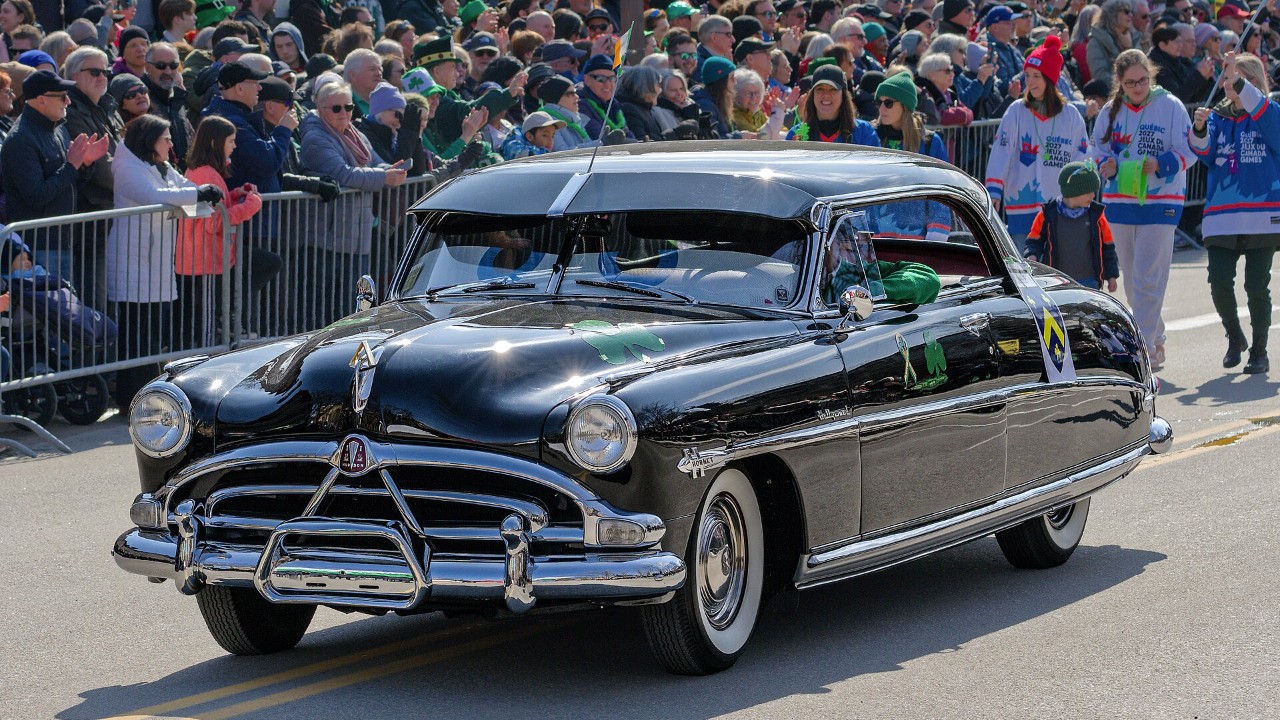
The golden era of muscle cars was defined by powerful engines that roared with authority. Ford, a major player in this arena, crafted some of the most iconic engines that powered legendary vehicles. Let’s take a closer look at six of Ford’s most legendary engines from this unforgettable period.
289 HiPo V8

The 289 cubic inch High Performance V8, affectionately known as the “HiPo,” made its debut in the early 1960s. With a solid-lifter camshaft and a higher compression ratio, this engine was designed for performance. It produced an impressive 271 horsepower, a significant number for its time. The 289 HiPo was a key component in the Ford Mustang’s early success, cementing its place in automotive history.
Renowned for its reliability and power, the 289 HiPo V8 was also featured in the Shelby Cobra and GT350 models. These cars became synonymous with performance and style, as the engine provided the perfect balance of agility and speed. Car enthusiasts continue to celebrate the 289 HiPo for its role in shaping the muscle car legacy.
427 SOHC “Cammer” V8
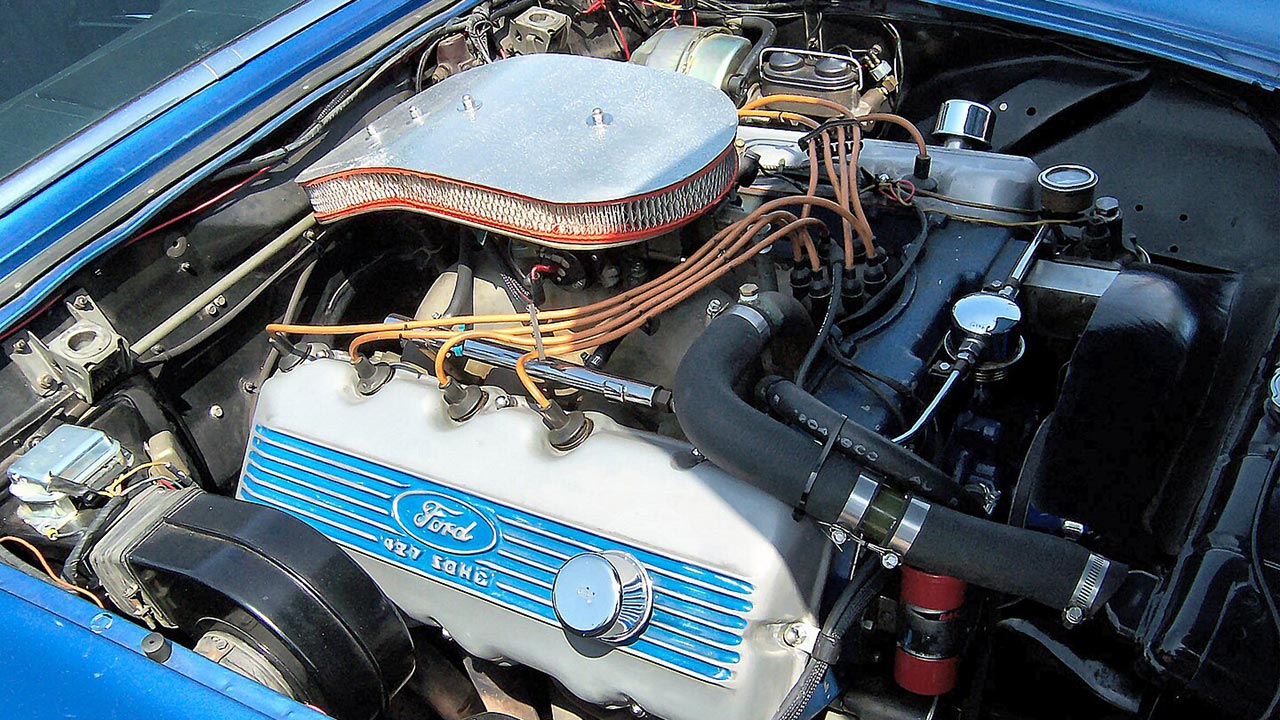
The 427 SOHC “Cammer” V8 was a powerhouse introduced by Ford in 1964. Designed to compete in NASCAR, this engine was a marvel of engineering with its overhead camshaft design. Though it was ultimately banned from NASCAR due to its perceived advantage, the “Cammer” found a home on the drag strip, where it became a legend in its own right.
Producing over 600 horsepower, the 427 SOHC was not for the faint of heart. It powered cars like the Ford Galaxie and was a popular choice among drag racers seeking a competitive edge. The “Cammer” remains one of the most revered engines among muscle car aficionados.
428 Cobra Jet V8

Introduced in 1968, the 428 Cobra Jet V8 was a response to the growing demand for even more power. This engine was a game-changer, delivering 335 horsepower and massive torque. It was an immediate success, dominating both the street and the strip.
The 428 Cobra Jet found its way into the Ford Mustang and the Mercury Cougar, turning these vehicles into performance icons. Its reputation was further cemented by its success in NHRA drag racing, where it became a force to be reckoned with. The Cobra Jet’s legacy continues to inspire awe among muscle car enthusiasts.
Boss 302 V8

The Boss 302 V8 was born out of Ford’s desire to compete in the Trans-Am racing series. Introduced in 1969, this engine was a high-revving powerhouse, producing 290 horsepower. It featured a unique combination of Cleveland-style cylinder heads on a Windsor block, optimizing airflow and performance.
The Boss 302 was most famously housed in the Ford Mustang Boss 302, a car that became a legend on the track and the street. Its racing pedigree and aggressive styling made it a favorite among enthusiasts looking for a road-ready racer with unmistakable performance credentials.
Boss 429 V8

The Boss 429 V8 was one of the most formidable engines Ford ever produced. Originally designed for NASCAR, this engine was packed into the Mustang to meet homologation requirements. With its massive 375 horsepower, the Boss 429 was a beast in every sense of the word.
Known as the “Boss Nine,” this engine was fitted with semi-hemispherical combustion chambers and large valves, allowing for impressive power and torque. Despite its limited production, the Boss 429 remains highly coveted by collectors and is celebrated for its muscular performance and exclusivity.
351 Cleveland V8

The 351 Cleveland V8 arrived on the scene in 1970, offering a balance of power and efficiency. Known for its large ports and valves, the Cleveland was designed to breathe better than its predecessors. It was available in various configurations, with the 4-barrel version producing up to 300 horsepower.
This engine was used in a variety of Ford models, including the Mustang, Torino, and even the Australian Ford Falcon. The 351 Cleveland’s versatility and performance made it a favorite among enthusiasts and racers alike, contributing to its enduring legacy in the world of muscle cars.
Like Fast Lane Only’s content? Be sure to follow us.
Here’s more from us:
*Created with AI assistance and editor review.