Mopar, a combination of motor and parts, has been synonymous with high-performance vehicles since the 1960s. The brand’s legendary status is built on the back of classic models that have stood the test of time. These vehicles earned their stripes not through flashy advertising, but by proving themselves on the track and street. Let’s explore some Mopar models that have gained respect through sheer performance and rugged design.
Dodge Charger R/T (1968-1970)
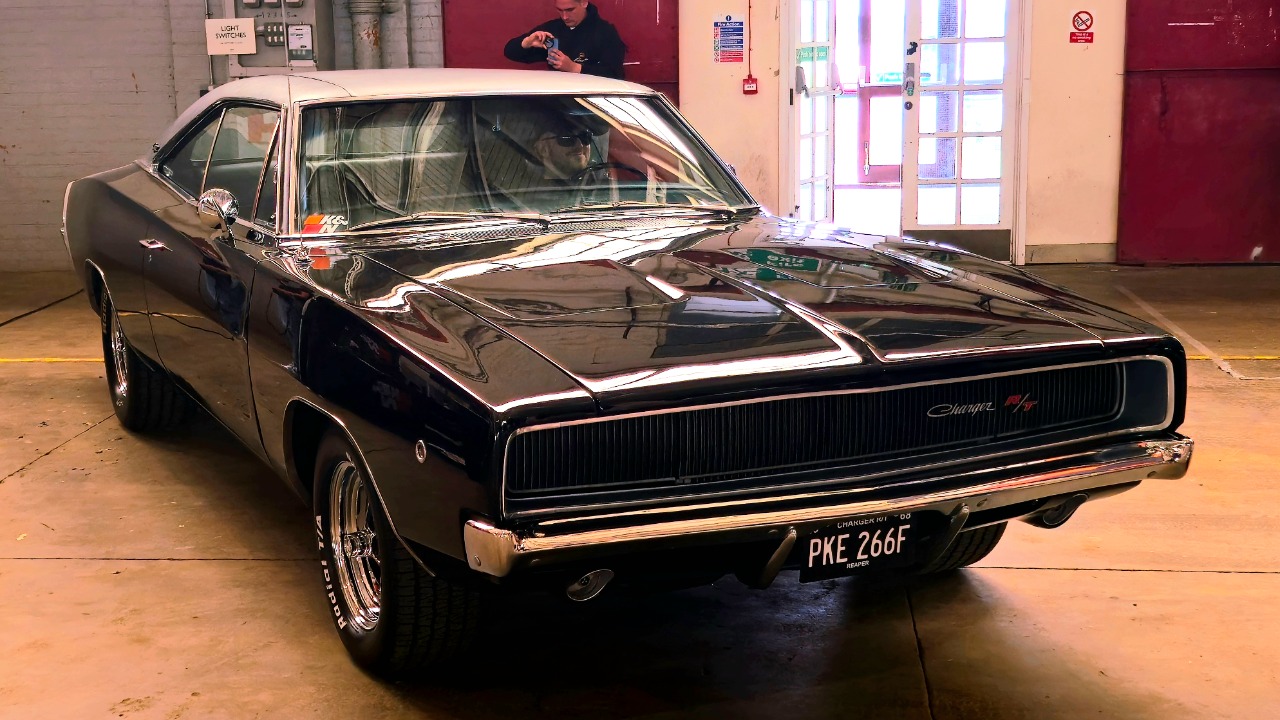
The Dodge Charger R/T from 1968 to 1970 is often considered the quintessential muscle car. With its aggressive styling, the R/T model was designed to bring raw power to the streets. Under the hood, you could find the 440 Magnum V8 or the iconic 426 Hemi engine, both offering breathtaking performance.
The Charger R/T was more than just a pretty face; it featured advanced suspension and braking systems for its time. Its appearances in popular culture, most notably in the movie “Bullitt” and the TV series “The Dukes of Hazzard,” only added to its allure, cementing its status as a classic.
Plymouth Road Runner (1968-1970)
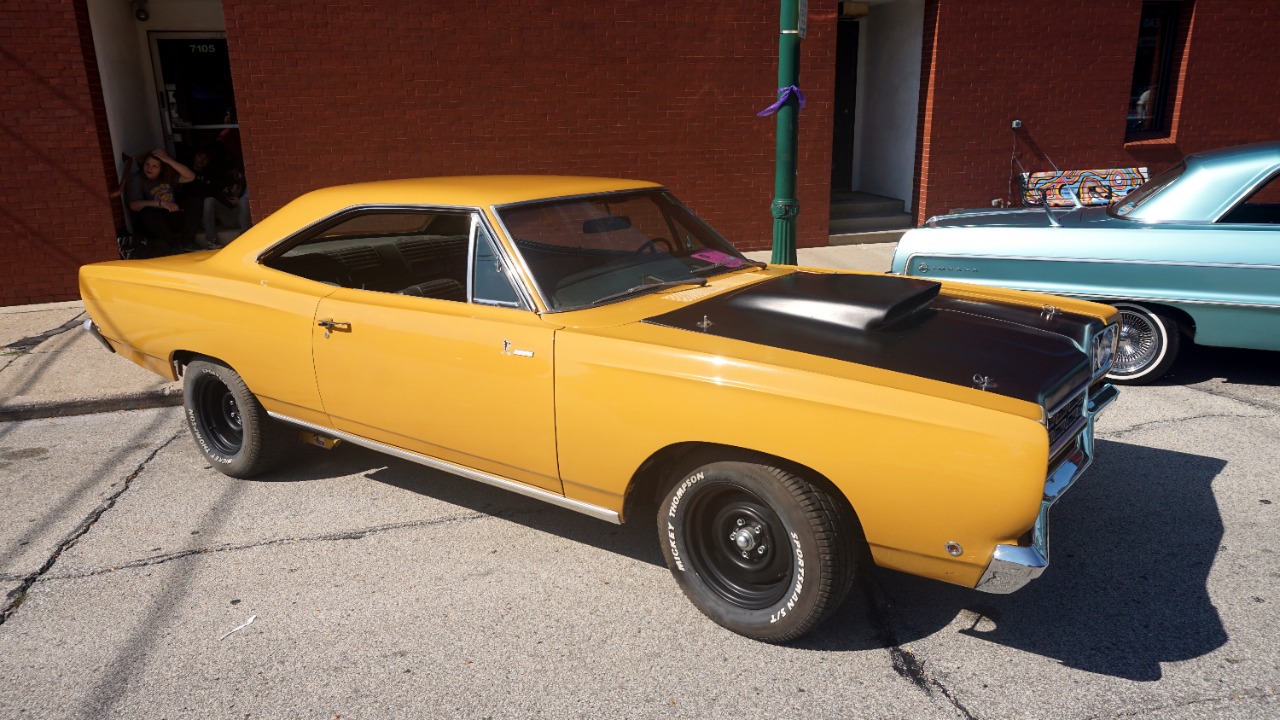
The Plymouth Road Runner was introduced as a budget-friendly muscle car that didn’t skimp on performance. Launched in 1968, it quickly became a favorite among enthusiasts who craved speed without the frills. Plymouth’s decision to license the “Road Runner” name from Warner Bros. and include a “beep-beep” horn added to its charm.
With its standard 383 cubic inch V8 engine, the Road Runner was designed for straight-line speed. It was known for its no-nonsense approach to performance, focusing on delivering power and handling rather than luxury features, making it a respected name in the muscle car community.
Dodge Challenger T/A (1970)
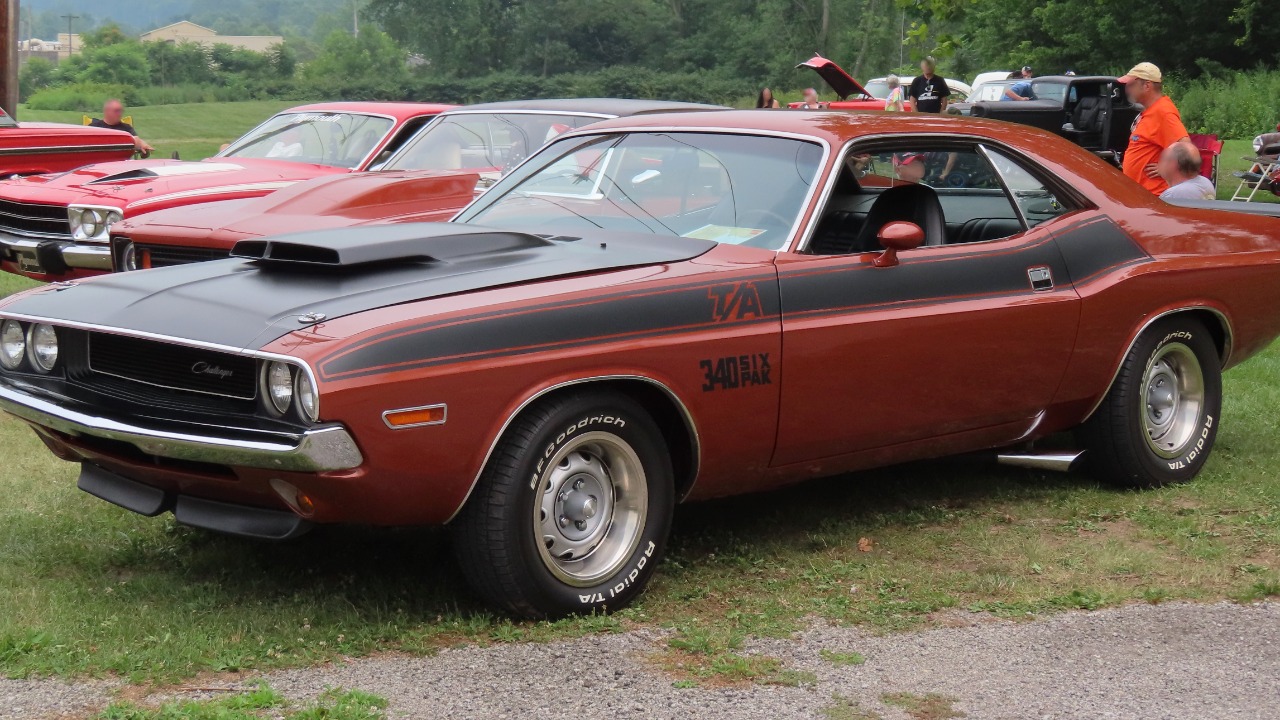
In 1970, Dodge introduced the Challenger T/A, a race-ready version of its popular muscle car. Designed to compete in the Trans Am racing series, the T/A featured a 340 cubic inch V8 engine with a unique Six Pack carburetor setup, providing exceptional power and performance.
The Challenger T/A was also equipped with heavy-duty suspension and brakes to handle the rigors of racing. Its bold graphics and aggressive stance made it a standout on the road, earning the respect of muscle car enthusiasts and carving out a niche in automotive history.
Plymouth Hemi ‘Cuda (1970-1971)
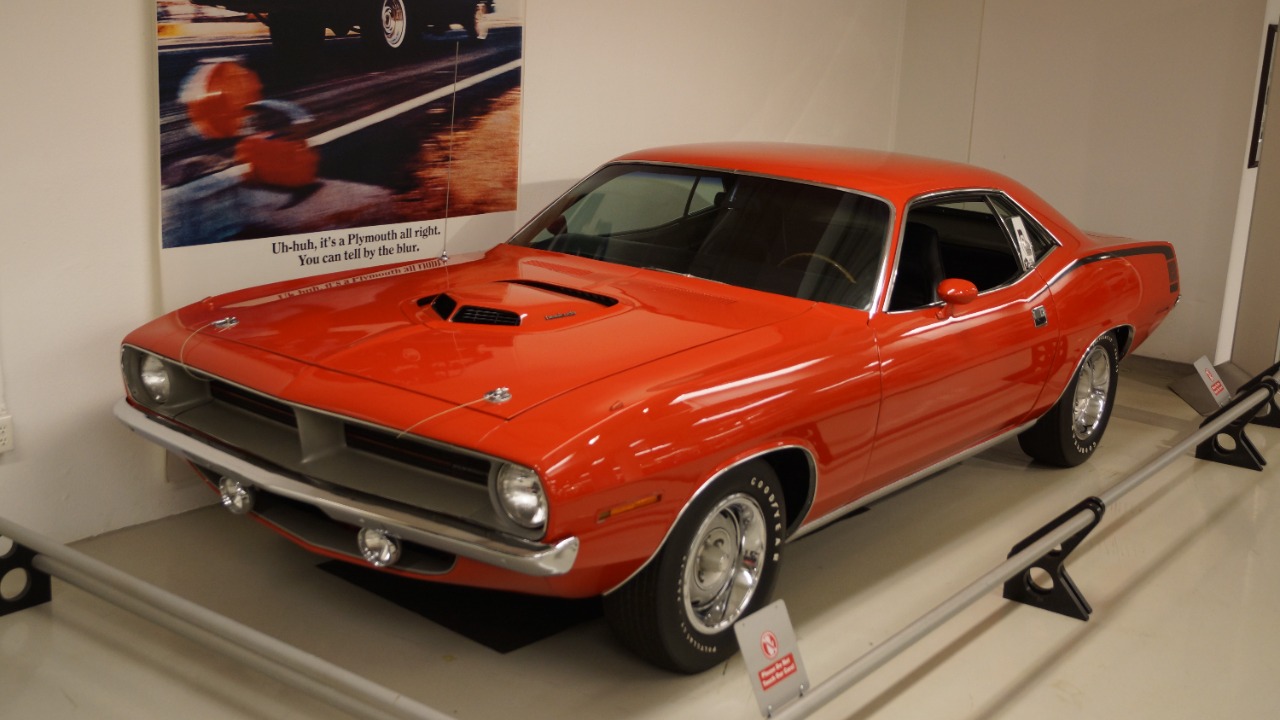
The Plymouth Hemi ‘Cuda is one of the most iconic Mopar vehicles ever produced. With its legendary 426 Hemi engine, the ‘Cuda was a beast on the drag strip and a formidable opponent on the street. Produced between 1970 and 1971, this car was the epitome of muscle car performance.
The Hemi ‘Cuda’s distinctive design, featuring a shaker hood and bold styling, made it an instant classic. Today, it remains highly sought after by collectors, with pristine examples fetching top dollar at auctions. Its legacy as a performance powerhouse continues to endure.
Dodge Dart Swinger (1969-1970)
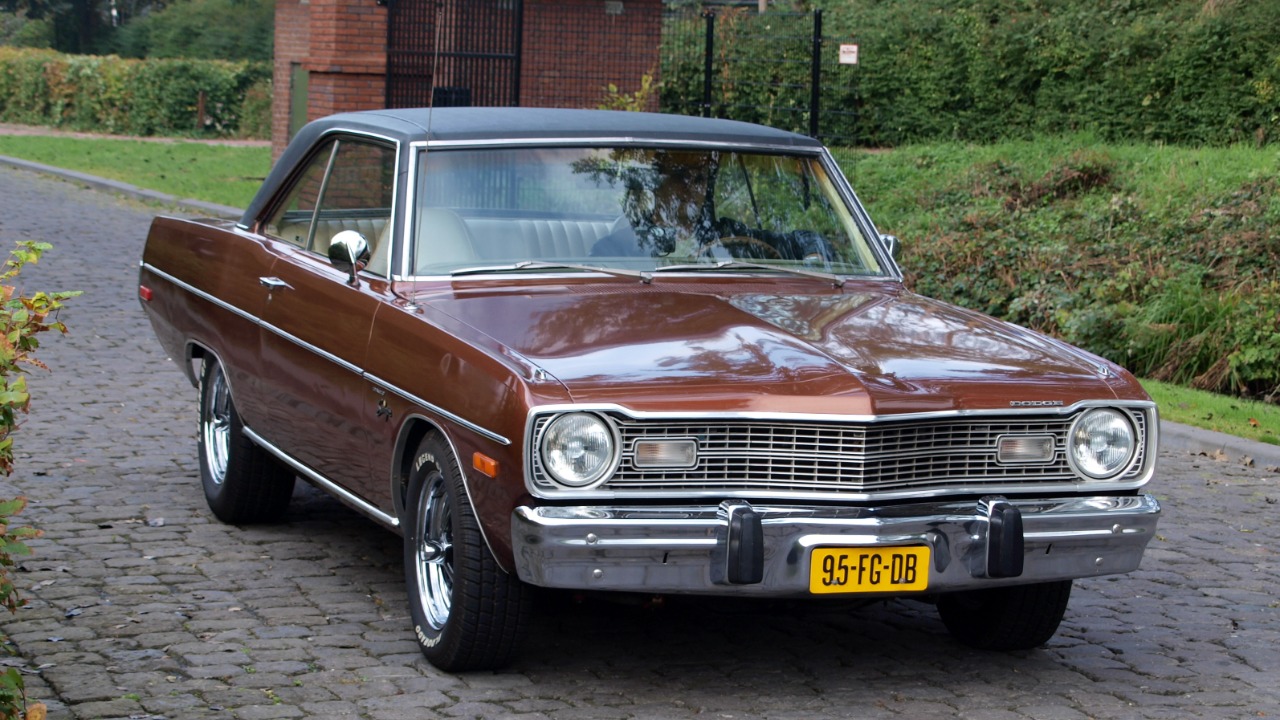
The Dodge Dart Swinger was introduced to appeal to young buyers looking for an affordable yet sporty vehicle. With its compact size and lightweight body, the Dart Swinger offered impressive performance, especially when equipped with the optional 340 cubic inch V8 engine.
Despite its modest beginnings, the Dart Swinger became a favorite among drag racers and customizers. Its straightforward design and ease of modification made it a versatile platform for performance enhancements. The Dart Swinger’s reputation for reliability and speed helped solidify its place in Mopar history.
Plymouth GTX (1967-1971)
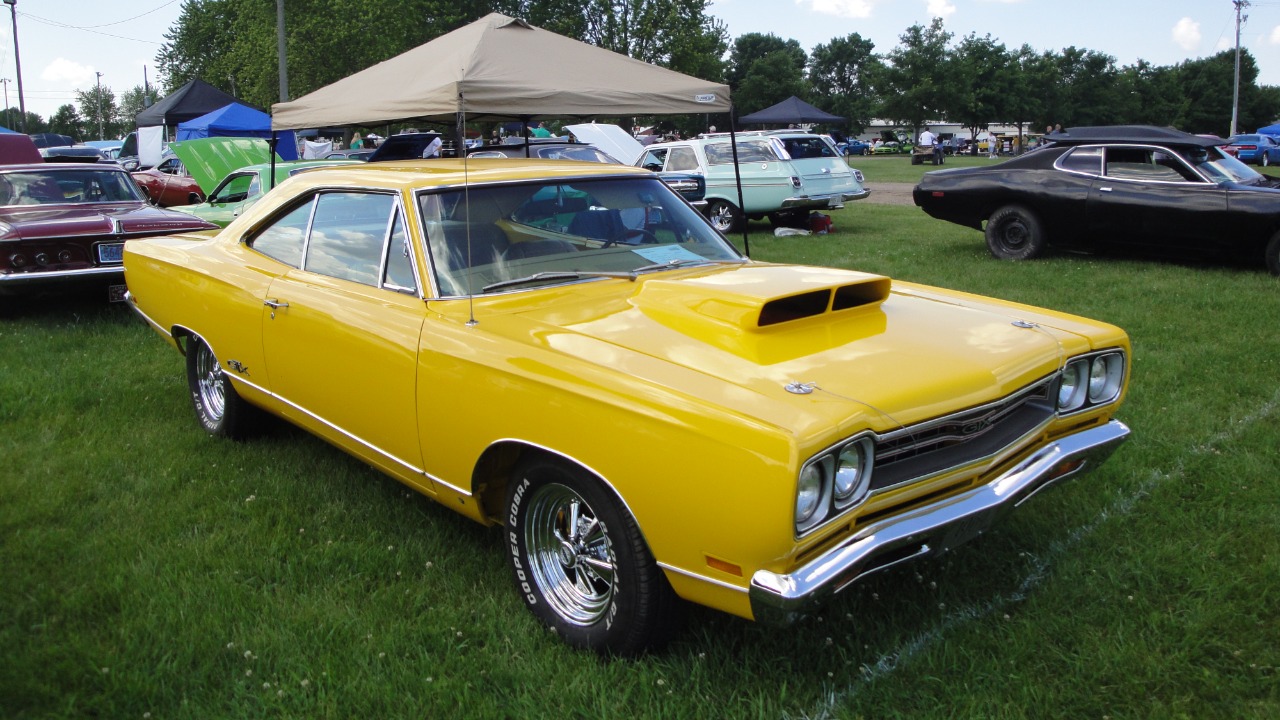
The Plymouth GTX was marketed as a “gentleman’s muscle car,” offering both performance and luxury. Introduced in 1967, it was equipped with powerful engines like the 440 Super Commando V8 and the 426 Hemi, making it a force to be reckoned with on the road.
With its upscale interior and refined styling, the GTX provided a more comfortable ride without sacrificing performance. This balance of power and elegance made it a popular choice for those who wanted a muscle car with a touch of class, earning it a respected place in the Mopar lineup.
Dodge Viper (1992-2017)
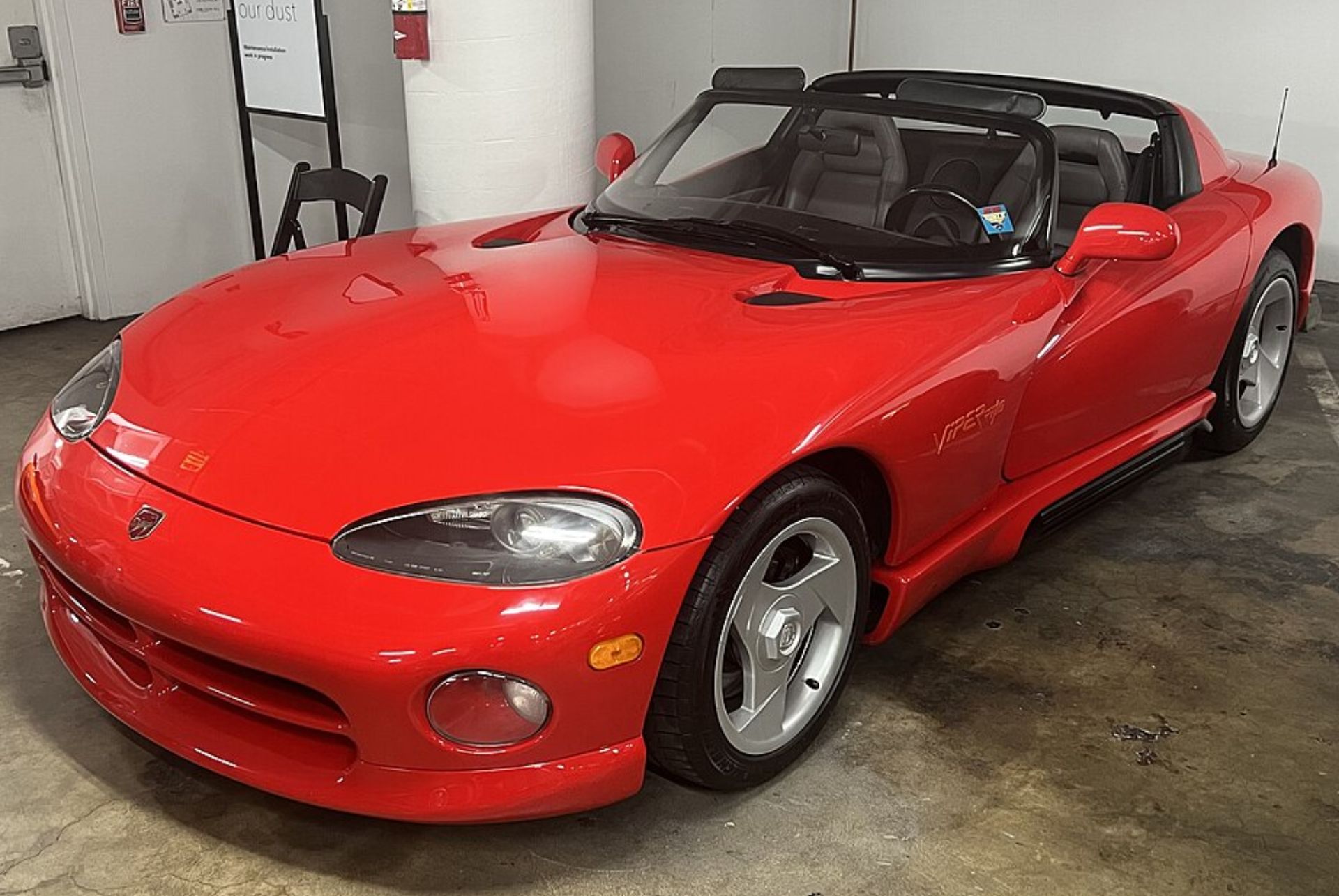
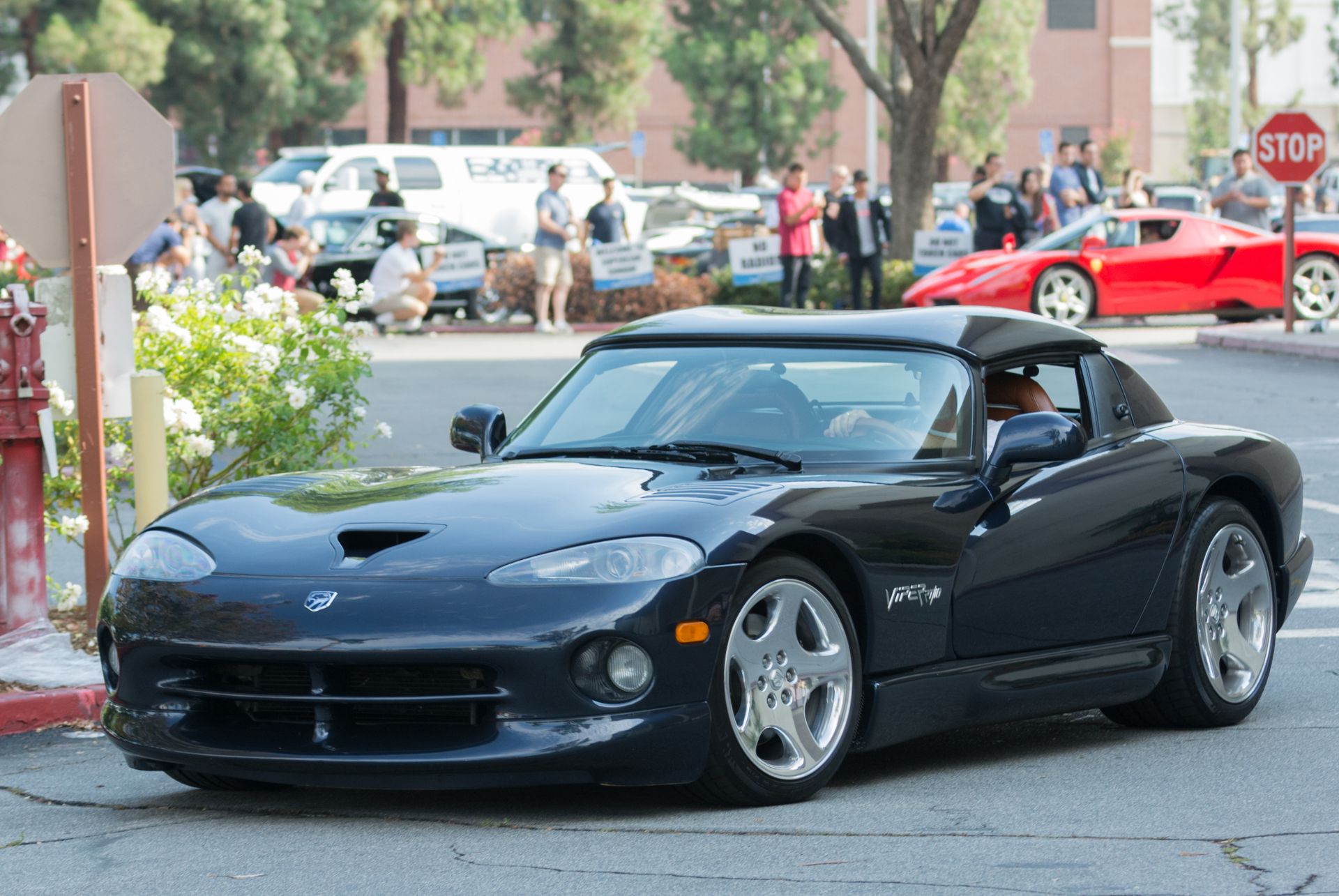
The Dodge Viper redefined American performance cars when it was introduced in 1992. With its massive V10 engine and minimalist design, the Viper was all about raw power and unfiltered driving experience. It went through several iterations over its production run, each time pushing the boundaries of speed and handling.
The Viper’s no-nonsense approach to performance, combined with its striking design, earned it a devoted fan base. Despite its discontinuation in 2017, the Viper remains an iconic symbol of American muscle, known for its ability to deliver exhilarating performance on both the track and the road.
More from Fast Lane Only