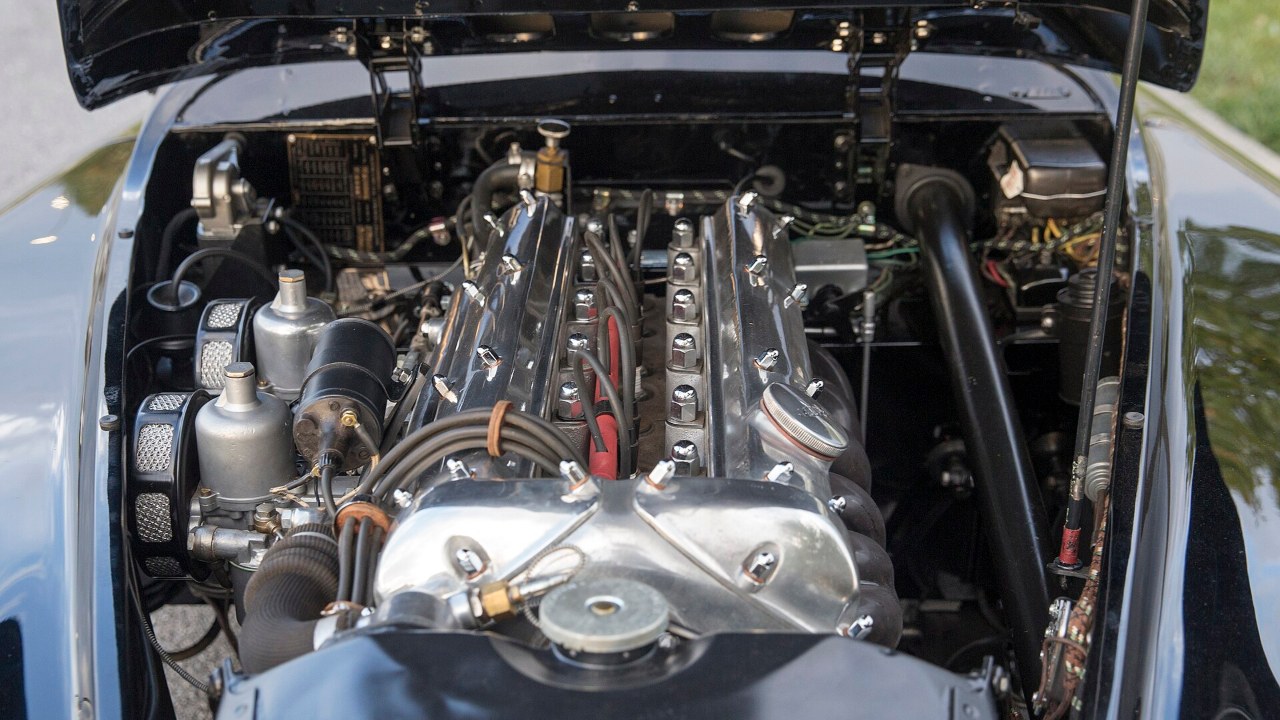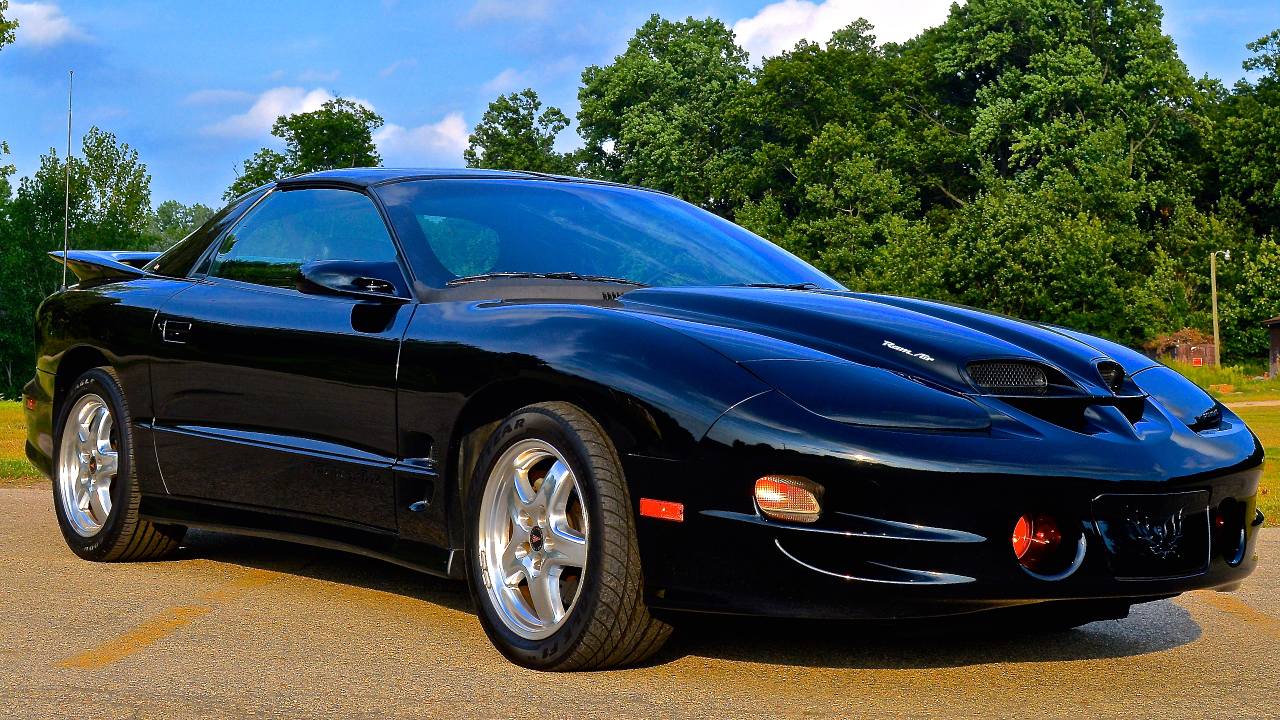
The 1990s reshaped muscle car culture with fuel injection, sharper aerodynamics, and a growing connection to movies, gaming, and street racing. While earlier decades focused on raw displacement, this era blended modern technology with classic V8 attitude. These muscle cars became generational icons because they defined what performance looked and sounded like for enthusiasts growing up in the 1990s.
Chevrolet Camaro Z28 (Fourth Generation)
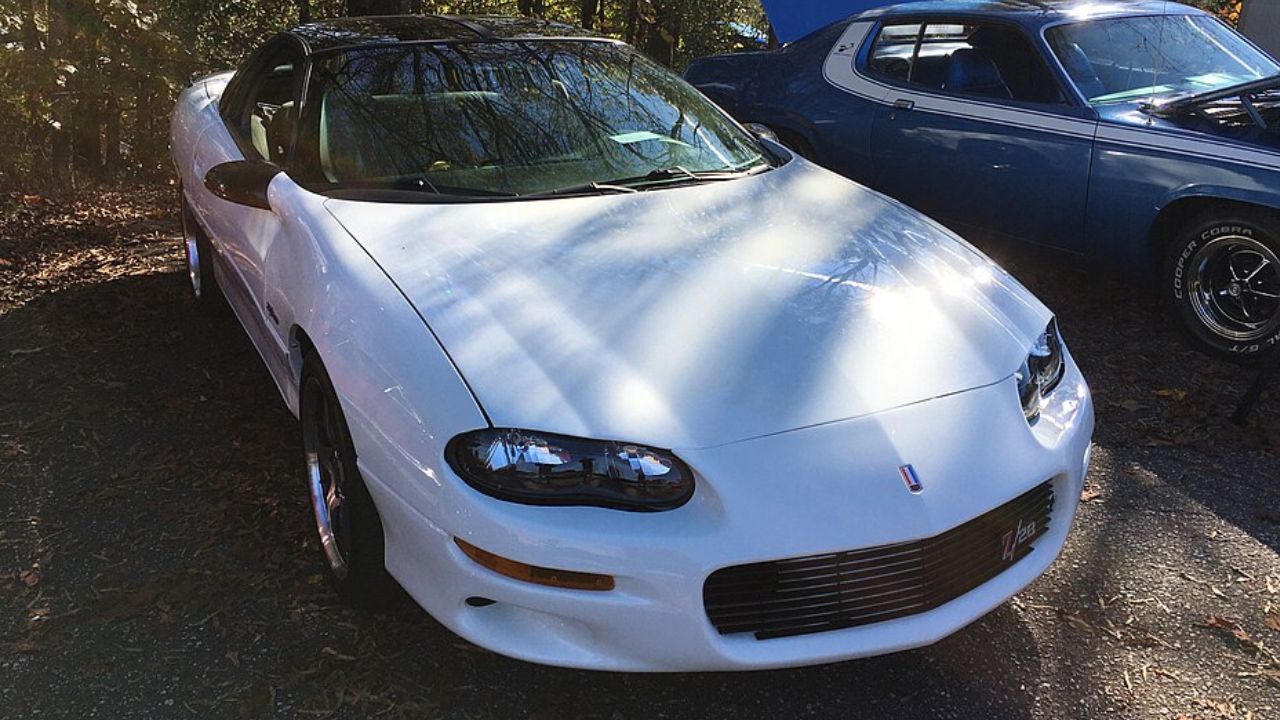
The fourth-generation Camaro Z28 carried American muscle into the modern performance era. Built by Chevrolet, it eventually adopted the LS1 V8, delivering strong horsepower and impressive tuning potential. Its low-slung body and aggressive nose gave it a futuristic appearance for the decade. Affordable performance made it popular among younger enthusiasts and drag racers alike. The Z28 became a defining sight at late-night street meets and performance gatherings throughout the 1990s.
Ford Mustang SVT Cobra
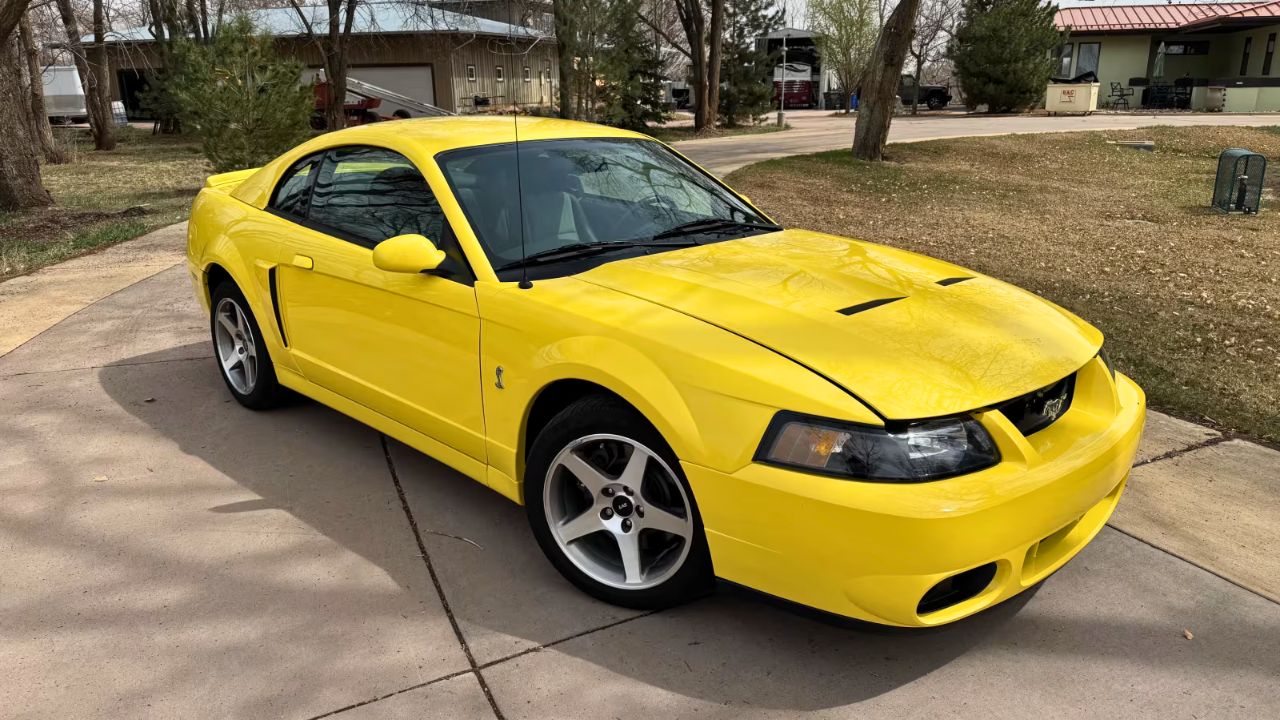
The Ford Mustang SVT Cobra elevated the SN95 Mustang beyond basic pony car status. Developed by Ford Motor Company through its Special Vehicle Team division, it featured upgraded suspension, stronger brakes, and high-output V8 engines. Distinct styling cues separated it from standard Mustangs without losing everyday usability. Its balance of affordability and factory-backed performance attracted a loyal following. The SVT Cobra helped keep American muscle relevant during a decade increasingly dominated by imports.
Pontiac Firebird Trans Am WS6
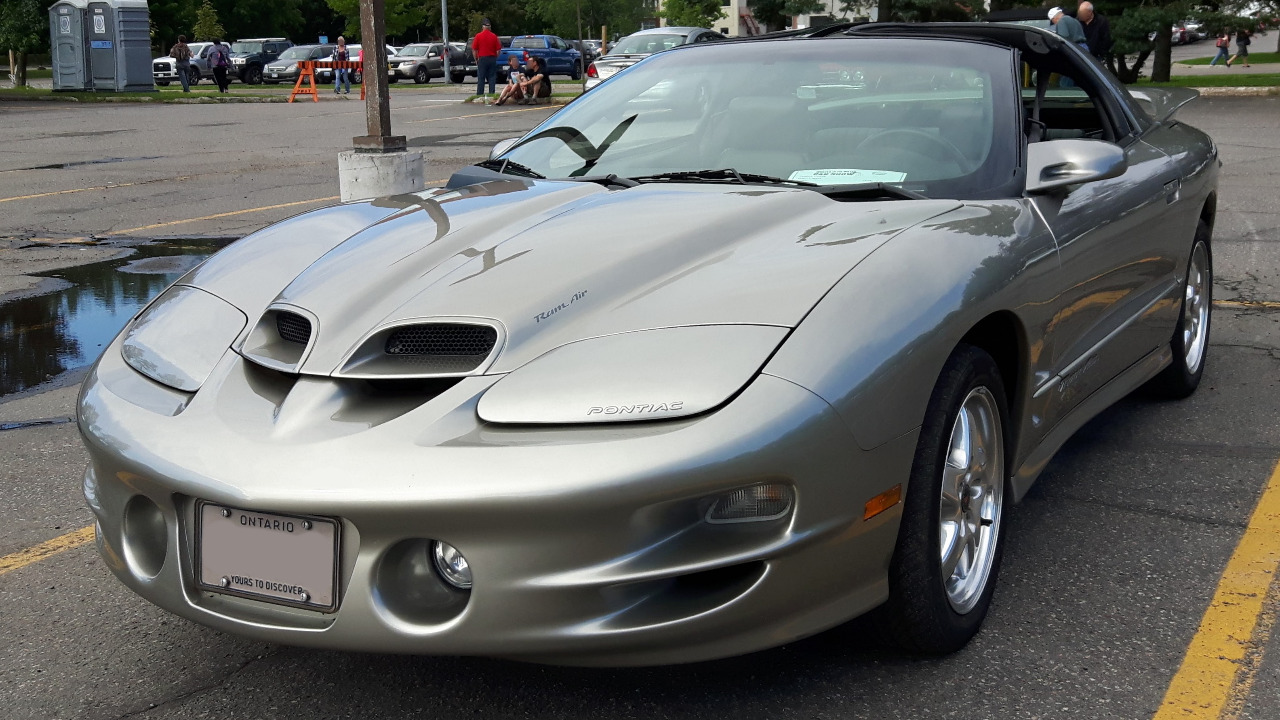
The Pontiac Firebird Trans Am WS6 became one of the boldest-looking performance cars of the 1990s. Produced by Pontiac, the WS6 package added functional ram-air induction, sharper suspension tuning, and aggressive styling upgrades. Its muscular hood and wide stance gave it unmistakable road presence. LS1-powered versions delivered serious acceleration that rivaled more expensive sports cars. The WS6 became a cultural icon for drivers wanting loud styling and unmistakable V8 performance.
Chevrolet Impala SS (1994–1996)

The 1990s Chevrolet Impala SS transformed a full-size sedan into a street legend. Built by Chevrolet, it used a Corvette-derived LT1 V8 paired with rear-wheel drive for effortless torque delivery. Black paint, lowered suspension, and understated styling created an intimidating presence. It appealed to enthusiasts who wanted muscle without flashy graphics. The Impala SS helped revive interest in powerful American sedans during an era focused heavily on coupes.
Dodge Viper GTS
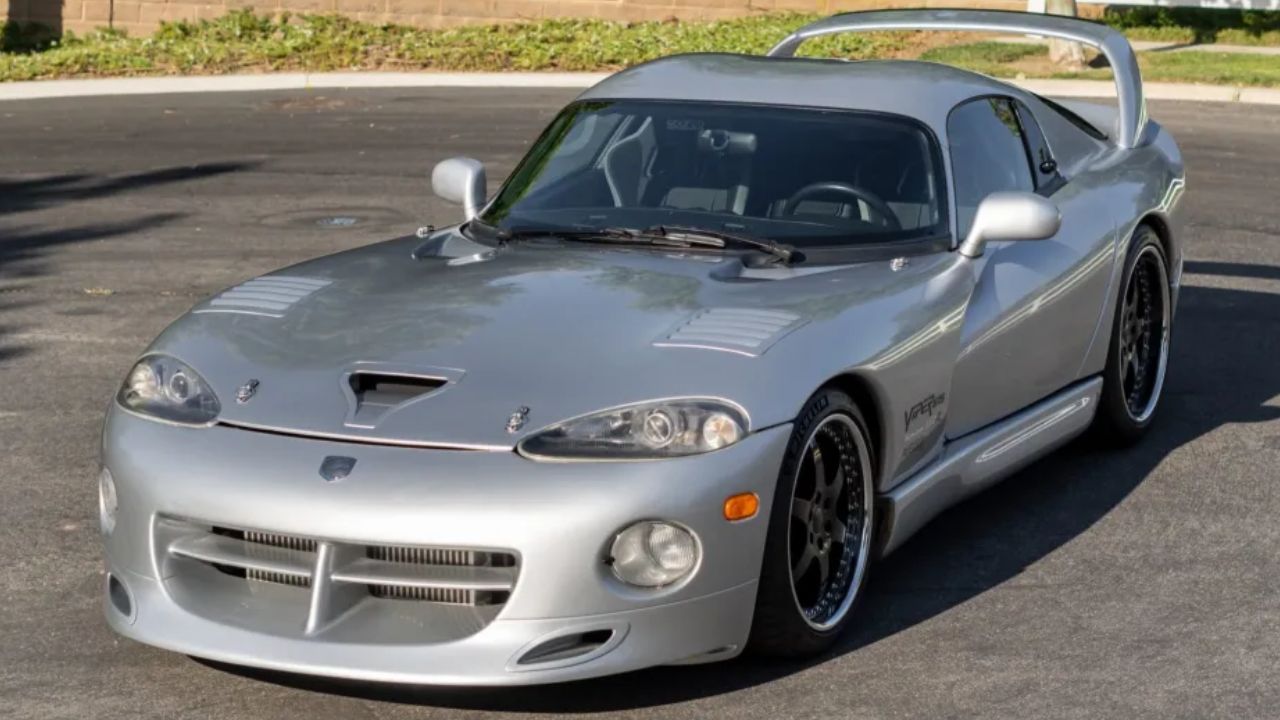
The Dodge Viper GTS represented unapologetic American performance at its most extreme. Developed by Dodge, it featured a massive 8.0-liter V10 producing brutal acceleration with minimal electronic assistance. Double-bubble roof styling and racing stripes gave it instant visual identity. Drivers respected it for its raw handling and unforgiving nature. The Viper GTS became an icon because it rejected refinement in favor of pure muscle car aggression.
Ford Thunderbird Super Coupe
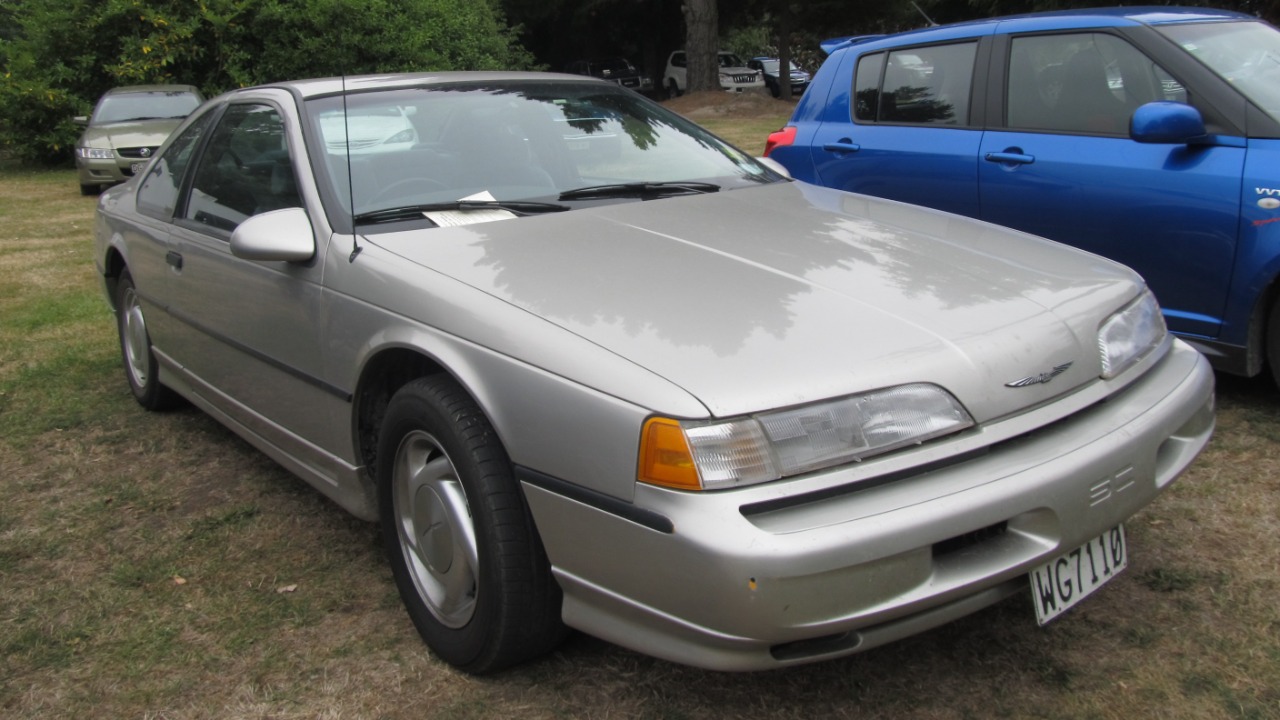
The Ford Thunderbird Super Coupe approached muscle performance from a different angle. Produced by Ford Motor Company, it used a supercharged V6 rather than a traditional V8, delivering smooth torque and modern drivability. Independent rear suspension improved handling compared to older muscle platforms. Its aerodynamic styling reflected the evolving design trends of the decade. The Super Coupe earned respect for proving that forced induction could modernize American performance without abandoning its identity.
Pontiac GTO Concept Influence
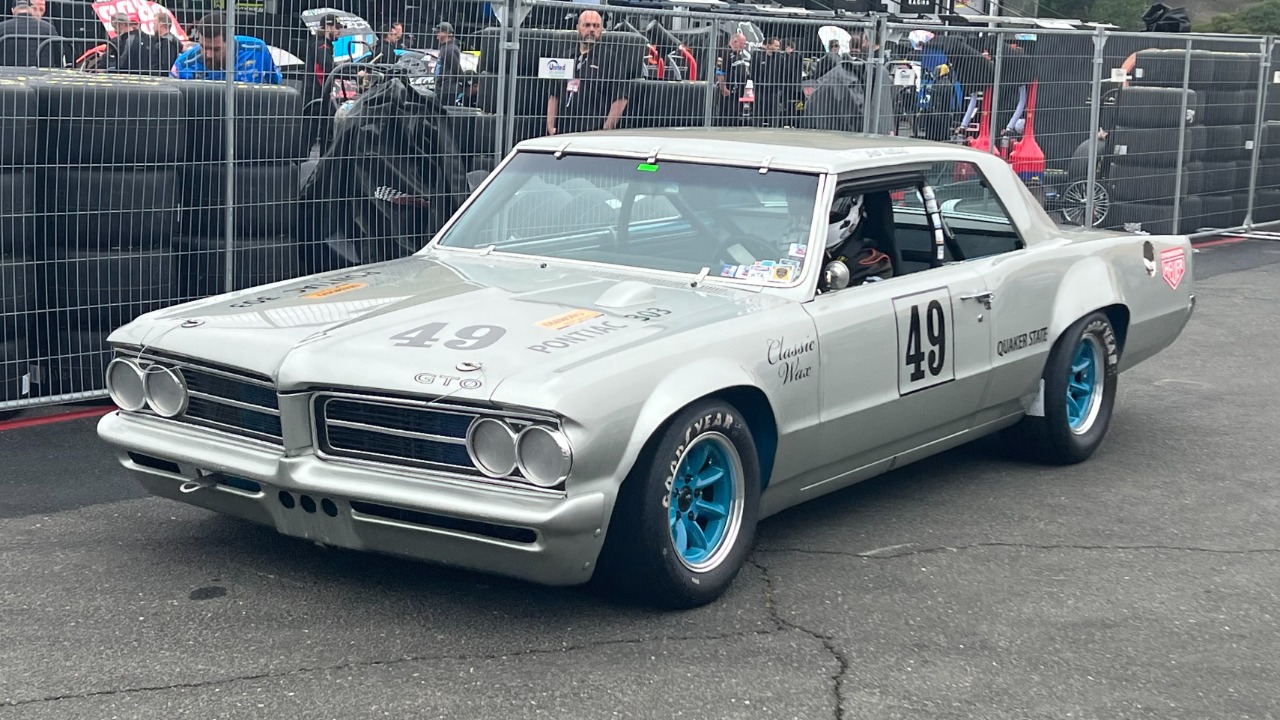
Although the revived Pontiac GTO arrived later, late-1990s concept discussions and performance nostalgia helped reignite enthusiasm for classic muscle themes. Pontiac leveraged its heritage to reconnect younger buyers with the original muscle era. Performance enthusiasts increasingly embraced retro-inspired styling and modern V8 engineering during this period. Magazine features and auto shows kept the GTO name culturally relevant. That renewed interest shaped the muscle car revival that followed in the 2000s.
Chevrolet Corvette C4 ZR-1
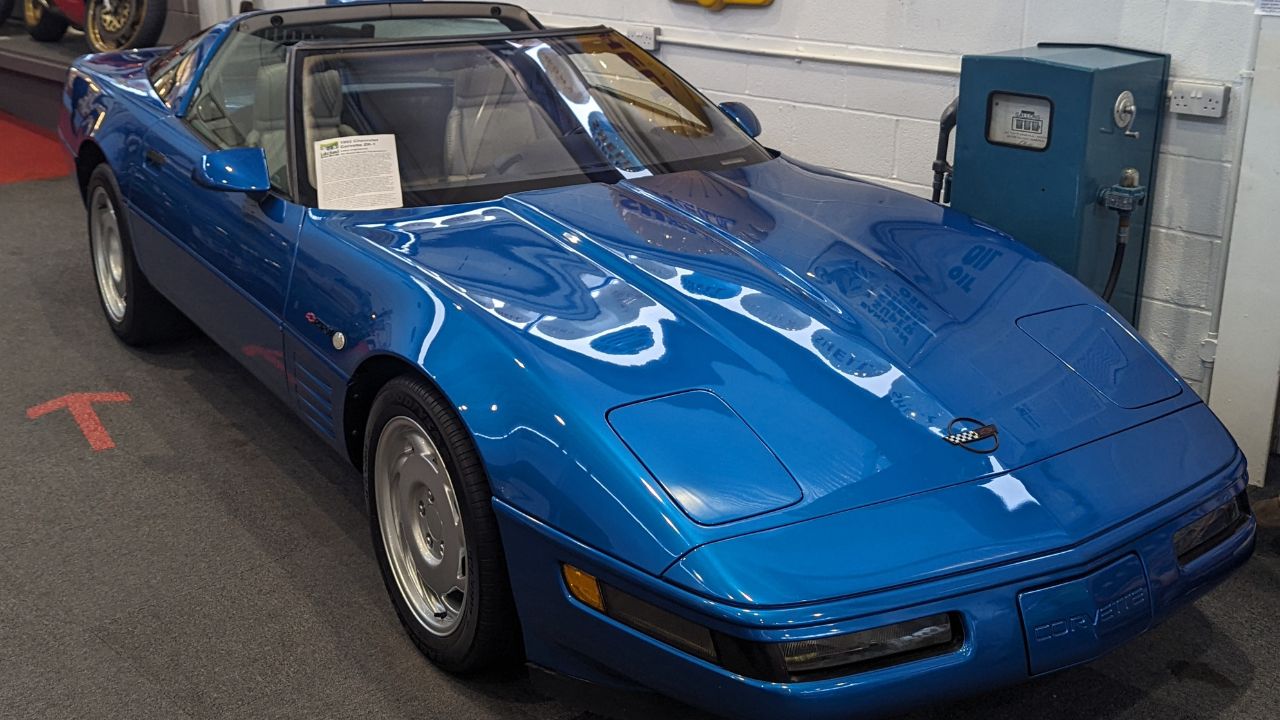
The Chevrolet Corvette C4 ZR-1 blurred the line between traditional muscle and world-class sports car performance. Developed by Chevrolet with help from Lotus engineering, it featured the advanced LT5 dual-overhead-cam V8. High-speed stability and top-end performance distinguished it from earlier Corvettes. Its understated bodywork concealed serious capability beneath the surface. The ZR-1 became a 1990s icon by proving American performance could compete globally while retaining unmistakable muscle character.
More from Fast Lane Only